

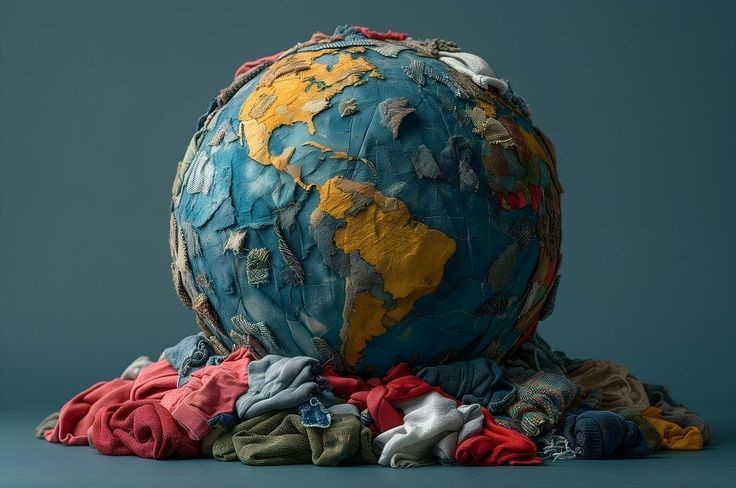
People are adopting the sustainable fashion now due to the growing awareness towards the nature. mindless consumption and fast fashion are accumulating a lot of fabric waste and causing a threat to the climate of earth. aware consumers are now adopting the ecofriendly clothing to make a balance between the nature and fashion.
Table of Contents
Introduction
Fashion industry is evolving where the focus of the consumers has been shifting from the traditional fashion mindset of wearing trends to upgrading their wardrobe to a clothing style which leads to the protection of the globe. Now consumers are more aware of the fact that the change of clothing is affecting the environment by creating waste, increasing carbon emissions, and causing a lot of negative effects. Earlier, consumers used to focus on the mindless consumption of clothes under the influence of trends, social media, and fashion icons, and to follow the market fashion trends.
Sustainable fashion is finding its way now as humans are focusing more on the environment by realising that following traditional fashion is going to make the situation of nature worse. Aware consumers are now using their money to buy fashion for their wardrobe that is elegant as well as safe. They are choosing quality over quantity, supporting ethical brands, and investing in eco-friendly clothing.
Fast-changing trends lead to waste creation, and clothes are thrown away in millions in landfills. In making these clothes, a high amount of water, electricity, and many other resources are used. Sustainable fashion leads to the use of eco-friendly materials, less wastage of resources, and ethical sourcing for creating fashion for consumers. Sustainable fashion is the new concept of eco-friendly fashion to reduce wastage and protect the Earth from the hazardous effects of the overconsumption of fashion.
What Is Sustainable Fashion?
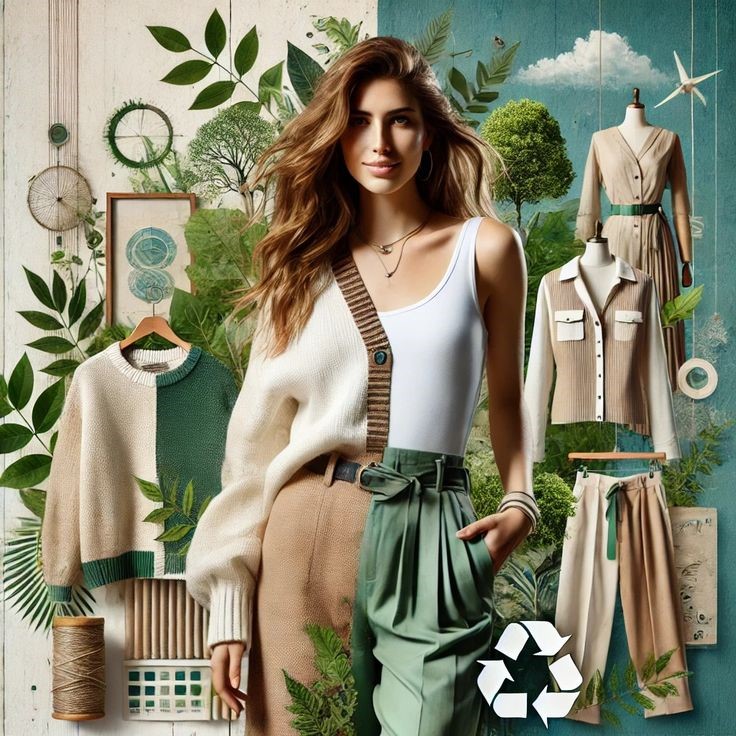
Sustainable fashion refers to the designing, producing, and consuming of clothing in a way that reduces wastage, lowers carbon emissions, and leads to ethical labor practices that will lead to the conservation of the environment without disturbing fashion. It is a way of fashion that respects the needs of consumers along with the protection of nature so that a balance between them can prevail. This is beyond the concept of fast fashion, which leads to tons of waste in nature. Sustainable fashion uses biodegradable fabrics, waterless dyeing, safe techniques, and efficient labor practices that save the environment from the main disturbances caused by following fast fashion.
Sustainable fashion as a concept came as the world started following trends and fashion more by watching influencers on social media, Bollywood, Hollywood, and other platforms. Along with it, they are immensely busy buying whatever new trend comes, but they do not realise the reality that influencers and bloggers are growing the economy by doing this, but following those trends is causing financial burden, waste, overconsumption, mindless consumption, labour injustice, unfair practices, and harm to nature. Some people also do not use their clothes further because they think people will judge them.
Sustainable fashion is a way that creates a balance between consumers and nature. This type of fashion is related to the recycling of materials, waste reduction, eco-friendly methods of production, ethical labour practices, etc. In these techniques, AI is often used to analyse the choices of consumers so that brands can produce clothing according to their preferences, which will lead to lower overproduction and create a clean and safe environment for future generations.
Why Is Sustainable Fashion Creating Buzz in 2026?
As 2026 progresses, the buzz around sustainable fashion is growing due to some of its benefits and the influence of people towards saving the environment. People are now prioritizing the quality of fabrics over quantity. They are more aware of the results of mindless consumption and fast fashion. Here are some of the points that clarify the need for sustainable fashion in 2026.
Growing Environmental Awareness
Fast fashion contributes significantly to some hazardous environmental issues like greenhouse gas emissions, water pollution, unfair labour practices, water pollution from dyeing, the disposal of waste into rivers, and landfill waste in tons every year, along with the wastage of income. Here, the awareness of sustainable fashion has increased to produce clothes with less waste and fewer harmful gases. Due to this waste, the climate conditions are becoming worse, and when people analysed the reasons, they focused on the role of fashion in creating this waste. They became aware and started shifting towards eco-friendly clothing.
Rise of Conscious Shopping
People used to buy inexpensive clothes to match fast fashion in large amounts, which led to waste buildup. However, over time, people started focusing on environment-friendly clothing that is expensive, but lasts longer, which saves their income in the long run. It is also safe for the body. Instead of changing clothes by buying cheaply priced clothes, the focus should be shifted to premium eco-friendly clothing to reduce the hazardous effects of climate change created through the waste of mindless consumption.
Demand for Ethics
New-age generation consumers want transparency regarding the methods of production, the material used in clothing, the sourcing of materials, the dyeing quality, who is making the clothes, and whether any unfair practices are happening. All of these things are signs that this generation of consumers is aware of the environment and unfair practices. These factors are forcing brands to invest in safe methods of production and use high-quality materials for manufacturing eco-friendly fashion. Various brands have launched a specific range of sustainable fashion clothing.
Government Regulations
Many countries are making it compulsory for industries to reduce carbon emissions, recycle materials, and use fair labour practices. All of these things are forcing industries to shift towards sustainable fashion to reduce the harmful effects of industries on the environment. Brands in different countries are adopting eco-friendly techniques of manufacturing, like biodegradable fabrics, AI-driven technology, waterless dyeing, and ethical labour practices, to comply with government regulations.
Rewards of Sustainable Fashion
Reduced Environmental Impact
As the shift moves towards sustainable fashion, the hazardous impacts of fast fashion, like greenhouse gas emissions, waste accumulation, water pollution, and air pollution, will be reduced, which will make the environment clean and green.
Better Quality
Fabrics are manufactured with very high quality in an eco-friendly fashion, which last longer and reduce the chances of tearing. That means they will save money in the future, and the person will also feel confident while wearing them.
Ethical Manufacturing
In nature-friendly fashion, the manufacturer always takes care of fair practices, like safer working conditions for workers, along with fair wages matching their work and giving them additional benefits. Besides the workers’ side, they are also involved in the environment-friendly use of primary materials for manufacturing so that the balance between nature and clothing remains.
Popular Sustainable Materials
People are confused about what is a safer and more sustainable material out of the available materials because any clothing industry can sell them a material by saying it is safer. So, let’s look at which materials are safer than others.
Organic cotton
Linen
Bamboo fabric
Hemp fabric
Recycled nylon
Mushroom leather
Plant-based leather
These fabrics are safe for the environment and the skin. If clothes are manufactured using these materials, it means that the material is safe and suitable according to nature-friendly clothing.
Practices That Will Support Eco-Friendly Clothing
- Using less space for clothes will force individuals to buy only a limited amount of clothing and practice mindful consumption.
- Consumers can spend their money on second-hand clothes and thrift fashion to use the same clothes multiple times.
- Consumers can repair torn clothes instead of buying new ones.
- In large weddings and parties, instead of buying expensive clothes, they can rent them.
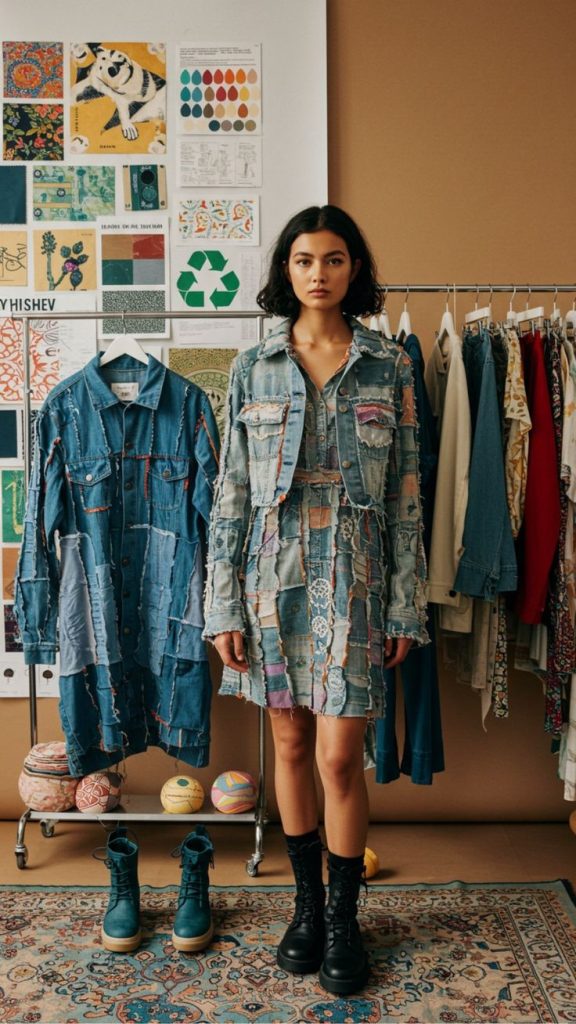
- There are various designers nowadays who are creating something unique from old clothes. You can give them your fabrics, and through their creativity, they can make them elegant.
- Consumers can use old clothes to make shopping bags, cleaning cloths, cushion covers, and table covers instead of buying new fabric for these purposes.
- People should normalize the repetition of clothes because no one can get different clothes every day.
- There are various tutorials on social media showing how to style the same clothes in different ways. You can watch them.
Sustainable Fashion Beyond 2026
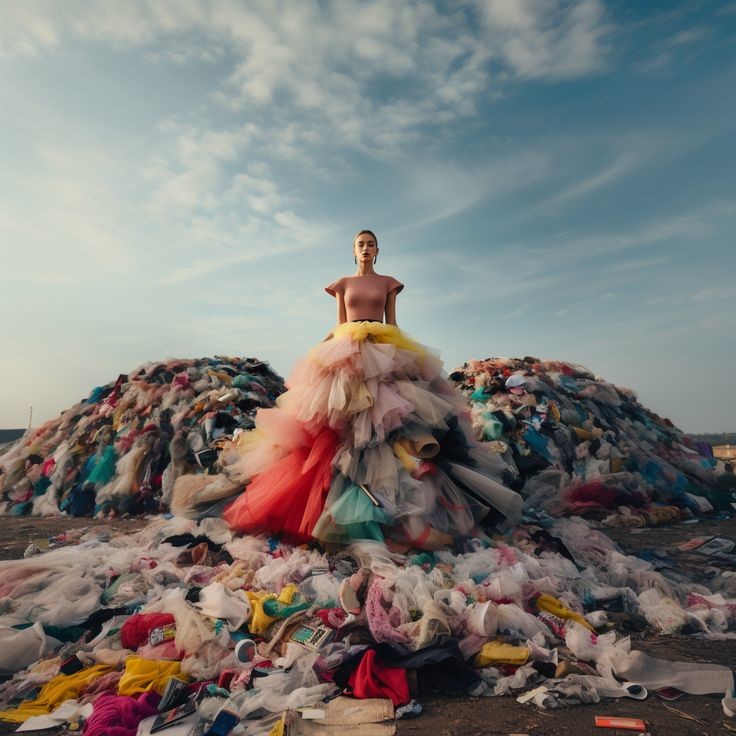
Eco-friendly clothing is going to define fashion in 2026 and beyond. As awareness is increasing related to the transparency of production and a safe environment, government regulations are increasing, leading industries to adopt safer and cleaner ways of production that reduce waste, greenhouse gases, unfair labour practices, etc. The use of Artificial Intelligence (AI) in the fashion industry is leading to the reduction of overproduction and increasing awareness. People are shifting towards safe and healthy clothing rather than inexpensive and harmful fabrics.
Conclusion
Fashion is going towards its new definition. Aware consumers have now understood the harms of traditional overconsumption of clothes, which were cheap in price and quality. Influencers and Bollywood trends are forcing consumers to buy unwanted clothes and leave them after one use, which was making tons of waste for nature. But now, as people are becoming aware towards sustainable fashion, the need for fair transparency has risen. They want to invest in premium and safe clothing.
Eco-friendly clothing is changing the definition of 2026 fashion, by using artificial intelligence and other technologies in the manufacturing of fabrics and fashion. People are now more attracted towards the use of safe, nature-friendly clothing by analysing the consequences of climate change over their lives due to the waste that is being created due to their activities. Every individual should adopt this fashion to maintain balance between nature and fashion.
Faqs
What is sustainable fashion?
Sustainable fashion refers to the designing, producing, and consuming of clothing in a way that reduces wastage, lowers carbon emissions, and leads to ethical labor practices that will lead to the conservation of the environment without disturbing fashion. It is a way of fashion that respects the needs of consumers along with the protection of nature so that a balance between them can prevail. This is beyond the concept of fast fashion, which leads to tons of waste in nature.
What are the harmful effects of following fast fashion?
The harmful effects of following fast fashion are greenhouse gases, tons of waste in landfills, unfair labour practices, water pollution, land pollution, etc.
What are the sustainable fabrics?
Organic cotton
Linen
Bamboo fabric
Hemp fabric
Recycled nylon
Mushroom leather
Plant-based leather
What is the future of sustainable fashion in 2026 and beyond?
Eco-friendly clothing is going to define fashion in 2026 and beyond. As awareness is increasing related to the transparency of production and a safe environment, government regulations are increasing, leading industries to adopt safer and cleaner ways of production that reduce waste, greenhouse gases, unfair labour practices, etc.
What are easy techniques that should be adopted by consumers to reduce wastage of clothes?
The consumers should recycle, reuse, and repair clothes. Along with this, they should not buy unnecessary clothes by following fashion. They should use rental clothes for heavy events.


