

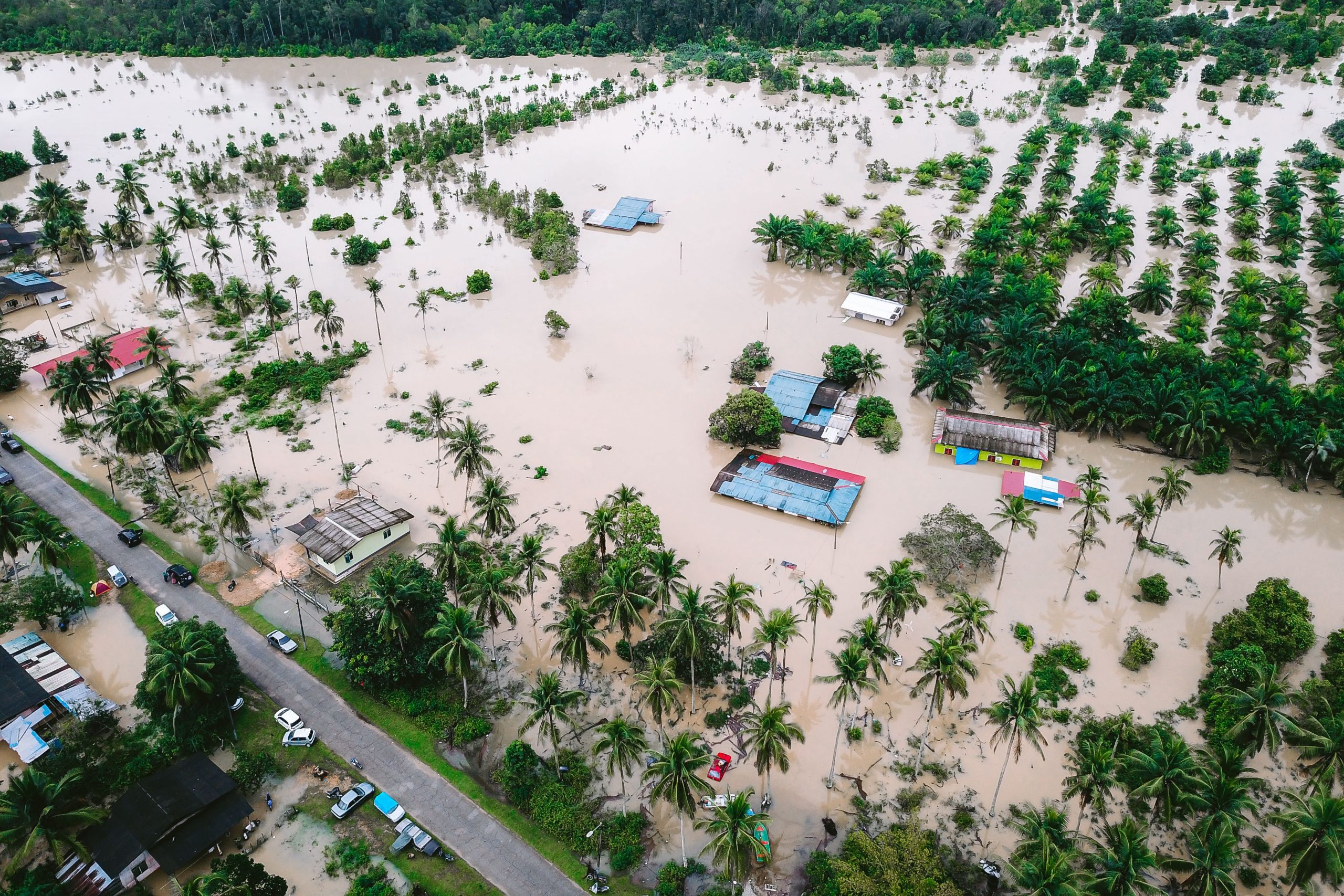
Nepal floods once again facing a devastating flood disaster, highlighting the growing danger of climate change in the Himalayan region. On August 26, 2026, a catastrophic flash flood struck areas along the Nepal–Tibet border after a massive glacial collapse sent ice, rock, mud and water rushing through mountain valleys. The disaster has destroyed roads, bridges, settlements and other infrastructure, while rescue teams continue searching for missing people. Early reports indicate that the event has caused a very high number of deaths and missing persons, although the figures continue to change as rescue operations progress.
The tragedy is more than an isolated natural disaster. It is a warning about how rising temperatures, melting glaciers, unstable mountain slopes, extreme weather and human development are combining to increase risks in the Himalayas. Scientists are still investigating the precise sequence of events behind the latest flood, but preliminary evidence points to a major glacier collapse rather than an ordinary rainfall-driven floods.
Table of Contents
What Happened in Nepal?
The latest disaster occurred in the mountainous region near Nepal’s border with Tibet. A large section of glacier is believed to have suddenly collapsed, sending enormous quantities of ice and rock down a steep Himalayan valley. The debris entered a river system and produced a powerful surge of water, mud and rocks downstream. The force of the event was extraordinary. Initial seismic signals led to speculation that an earthquake might have triggered the disaster.
Later assessments indicated that the seismic signal was associated with the glacial collapse itself. Satellite imagery and scientific analysis have helped researchers reconstruct how the event developed. Unlike conventional river flooding, flash floods generated by glacial collapses can develop extremely quickly. Communities living downstream may have very little time to respond. Roads, bridges and communication networks can be destroyed within minutes, making rescue operations especially difficult in remote mountain regions. The disaster has also affected tourists and pilgrims travelling through the Himalayan region. Several foreign nationals were among those reported missing, demonstrating that climate-related disasters can affect both local communities and international visitors.
Why are Nepal’s Flood Risks Increasing?
Nepal has always been vulnerable to floods, landslides and other natural hazards because of its geography. The country contains some of the world’s highest mountains, steep valleys and rapidly flowing rivers. During the monsoon season, heavy rainfall can quickly increase river levels. However, climate change is adding another layer of risk. A warmer atmosphere can hold more moisture, potentially contributing to heavier rainfall events.
At the same time, rising temperatures are accelerating glacier retreat and changing snow and ice conditions across the Himalayas. These changes can make mountain slopes, glaciers and glacial lakes less stable. In 2026, Nepal experienced warnings about floods, landslide and glacial-lake risks even when forecasts suggested below-normal overall monsoon rainfall. This illustrates an important point: lower total seasonal rainfall does not necessarily mean lower disaster risk. A few intense events can still produce destructive flooding and landslides.
The Connection Between Climate Change and Glaciers
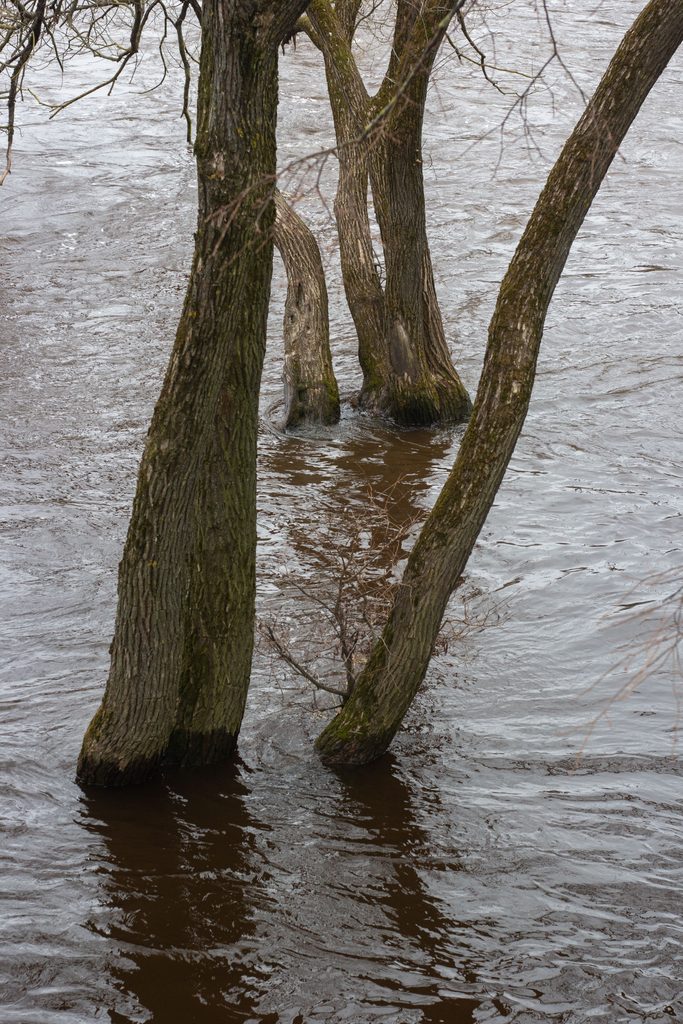
Nepal’s glaciers are an important source of freshwater for Himalayan ecosystems and communities. They also influence river systems that support agriculture, hydropower and settlements. As temperatures rise, glaciers lose ice. Retreating glaciers can leave behind unstable bodies of water known as glacial lakes. If the natural barriers holding these lakes back fail, enormous quantities of water can suddenly rush downstream.
The United Nations Development Programme has warned that Nepal’s rapidly warming Himalayan region faces increased GLOF risks because of accelerated glacier melt, intense rainfall and unstable glacial lakes. The latest disaster appears to have involved a direct glacier collapse rather than a conventional GLOF, according to preliminary assessments. That distinction is important. Not every Himalayan flood is caused by a glacial lake bursting. Nevertheless, both types of disasters demonstrate how a warming and increasingly unstable high-mountain environment can create new hazards.
Why the Himalayas are Particularly Vulnerable
The Himalayas are experiencing environmental changes at high altitude while communities and infrastructure are often concentrated in narrow valleys. When a glacier collapses or a landslide blocks a river, water can accumulate rapidly. If the temporary barrier breaks, the resulting flood can move downstream with enormous force. Nepal depends heavily on roads connecting remote communities, tourist destinations and major cities. When bridges or highways are swept away, entire communities can become isolated.
This creates a dangerous chain reaction:
Glacier or slope instability → sudden flood or landslide → damaged roads and bridges → isolated communities → delayed rescue → greater human and economic losses.
The problem becomes even more serious when communication systems and electricity infrastructure are damaged at the same time.
Nepal’s Long-Term Flood Problem
The 2026 disaster is not an isolated incident. Nepal has experienced repeated floods and landslides over many years.
Between 2016 and 2025, Nepal recorded thousands of flood and landslide incidents, with hundreds of deaths attributed to floods and more than a thousand deaths associated with landslides. The September 2024 extreme rainfall disaster also demonstrated the country’s vulnerability.
Exceptionally heavy rainfall triggered widespread floods and landslides, killing hundreds of people and causing extensive damage. Researchers have linked the severity of extreme rainfall events to a changing climate. These events show that Nepal is facing multiple hazards at once. Floods can trigger landslides, landslides can block rivers, blocked rivers can suddenly burst, and damaged infrastructure can make emergency response more difficult.
Impact on Local Communities
The human cost of flooding is always the most serious consequence. Families living near rivers and mountain valleys can lose their homes, farms, livestock and possessions. When roads are destroyed, people may struggle to reach hospitals, schools and markets. Agriculture is another major concern. Farmers depend on predictable rainfall and functioning irrigation systems. Floods can destroy crops and fertile soil while depositing debris across agricultural land.
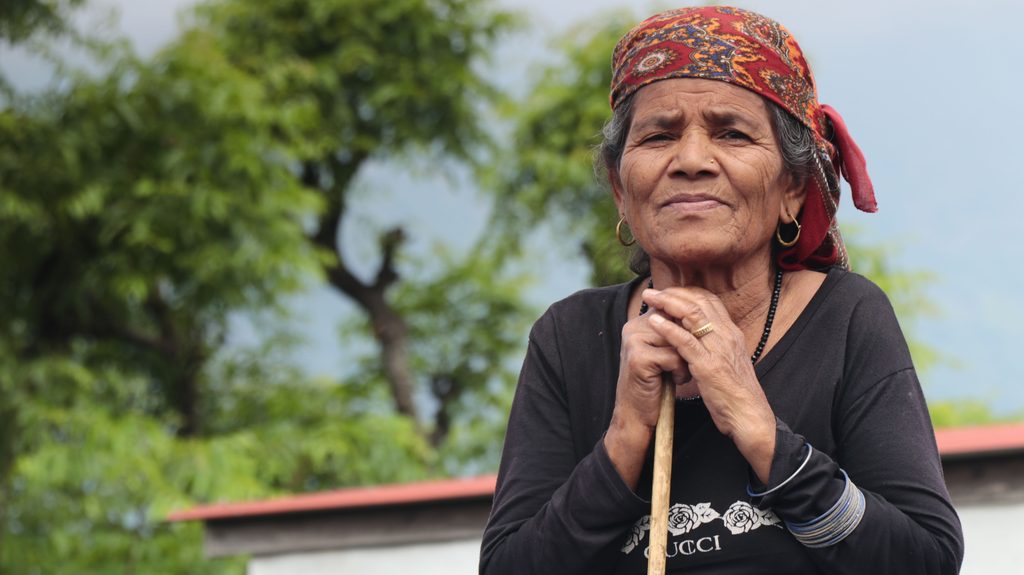
Repeated disasters can therefore reduce household income and increase food insecurity. Children and older people can be particularly vulnerable during sudden disasters because evacuation may be difficult. Families may also have to leave their homes temporarily or permanently if their communities become unsafe. For Nepal, where many rural communities depend directly on natural resources, climate-related disasters can create long-term economic problems even after floodwaters disappear.
Damage to Infrastructure and Tourism
Nepal’s economy also depends significantly on tourism. The Himalayas attract trekkers, mountaineers, pilgrims and visitors from around the world. A major disaster can damage trekking routes, roads, bridges, hotels and communication networks. It can also create uncertainty among international travellers. The latest flash flood affected areas associated with routes used by tourists and pilgrims travelling toward Tibet and Mount Kailash.
Reports of missing foreign nationals have made the disaster an international concern. Infrastructure damage can take months or even years to repair. For remote mountain communities, rebuilding is particularly expensive because construction materials and heavy equipment must often be transported across difficult terrain.
The Role of Human Development
Climate change is not the only factor behind Nepal’s growing disaster risk. Human development can increase vulnerability when roads, buildings, hydropower projects and settlements are constructed in areas exposed to floods or landslides. Deforestation and changes in land use can also affect soil stability and water movement. Poor drainage and unplanned urban growth can make flooding worse in cities.
This means disaster prevention cannot focus only on climate change. Nepal also needs safer infrastructure, better land-use planning, stronger building standards and careful environmental management.
Early Warning Systems Can Save Lives
One of the most effective ways to reduce deaths from floods is to provide people with warnings before disaster strikes. Modern technologies can monitor rainfall, river levels, glacier movement, glacial lakes and landslide-prone areas. Satellite imagery, sensors, weather forecasting and communication networks can help authorities identify dangerous conditions. Nepal can strengthen community-level warning systems so that information reaches people quickly, particularly those living in remote valleys. Early warning is especially important for flash floods because the available reaction time can be extremely short. A warning system does not stop a flood, but it can give people enough time to move to safer locations.
Nepal is a Warning for the World
The latest flood should not be viewed only as a Nepalese problem. The Himalayas are connected to a much larger regional climate system.
Changes in the mountains can affect rivers, water supplies, agriculture and communities across South Asia. The region’s growing exposure to floods, landslides and glacial hazards shows why climate change is not simply a future environmental issue. It is already influencing disaster risks. Recent Himalayan disasters have increasingly demonstrated how extreme weather, glacier instability and development pressures can interact. The lesson is clear: waiting until a disaster happens is not enough. Governments, scientists, communities and international organisations need to invest in prevention before the next emergency.
What Nepal Can do to Reduce Future Risks?
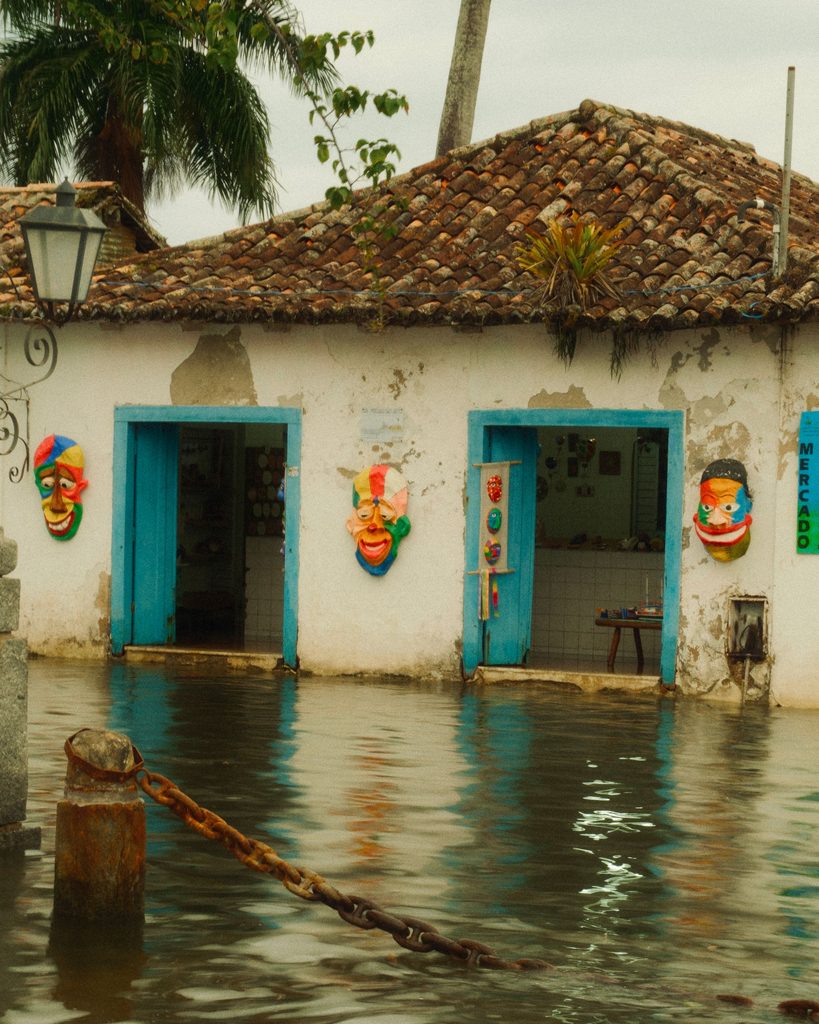
Nepal needs a combination of climate adaptation, disaster preparedness and sustainable development.
1. Improve early warning systems
Flood sensors, weather monitoring stations and satellite technology should be expanded in high-risk regions. Alerts should reach communities through mobile phones, sirens, radio and local authorities.
2. Monitor glaciers and glacial lakes
Scientists should regularly monitor unstable glaciers and potentially dangerous glacial lakes. Satellite technology can help identify changes in remote areas that are difficult to access.
3. Build climate-resilient infrastructure
Bridges, roads, schools and hospitals should be designed to withstand increasingly severe floods and landslides.
4. Avoid high-risk construction
Settlements and infrastructure should not be developed without considering flood zones, landslide hazards and changing climate conditions.
5. Protect forests and watersheds
Healthy forests and watersheds can help reduce erosion and improve the ability of landscapes to manage water.
6. Strengthen emergency preparedness
Local communities need evacuation plans, emergency shelters, medical supplies and trained rescue teams.
7. Reduce global greenhouse gas emissions
Nepal contributes relatively little to global greenhouse gas emissions compared with major industrial economies, yet it faces severe consequences from climate change. Global action to reduce emissions remains essential for limiting long-term warming.
Conclusion
The shocking floods in Nepal are a powerful reminder that the climate crisis is changing the risks faced by mountain communities. The August 2026 disaster, which preliminary assessments associate with a major glacial collapse, shows how quickly a high-altitude event can transform into a devastating flood downstream. Climate change does not mean that every flood is caused by global warming. Natural geography, rainfall, land use, infrastructure and other factors also influence disasters.
However, rising temperatures are changing the Himalayan environment, accelerating glacier loss and increasing concern about unstable ice, slopes and glacial lakes. Nepal cannot eliminate every natural hazard, but it can reduce the number of lives and livelihoods lost to them. Better early warning systems, glacier monitoring, climate-resilient infrastructure, responsible development and stronger emergency preparedness can make communities safer.
Ultimately, Nepal’s experience sends a message far beyond its borders. The Himalayas are changing, and the world must respond. Climate action is no longer only about protecting nature for future generations—it is also about protecting people, communities and economies from increasingly dangerous disasters today.
FAQs
Q. What caused the shocking floods in Nepal in 2026?
The 2026 disaster was associated with a major glacial collapse in the Himalayan region, which sent huge amounts of ice, rock, mud and water into downstream valleys. Heavy rainfall, unstable mountain terrain and climate-related changes can further increase flood risks.
Q. What is climate change affecting floods in Nepal?
Climate change is warming the Himalayan region, accelerating glacier loss and changing rainfall patterns. These changes can increase the risk of extreme rainfall, landslides, glacier collapses and glacial lake outburst floods.
Q. Why is Nepal particularly vulnerable to floods?
Nepal has steep mountains, narrow valleys, fast-flowing rivers and many communities located near waterways. During periods of heavy rainfall or sudden glacial events, water can rise rapidly and cause destructive flooding.
Q. Why are Nepal’s floods considered part of a global climate crisis?
Nepal contributes relatively little to global greenhouse gas emissions but is highly exposed to climate-related hazards. Its experience demonstrates how rising temperatures can create serious risks for vulnerable mountain communities and ecosystems around the world.


