


Governments Digital democracy is changing the way citizens communicate with governments and participate in public life. In the past, people often depended on physical offices, newspapers, public meetings, and traditional communication channels to interact with government authorities. Today, smartphones, websites, social media, mobile applications, artificial intelligence, and online services are creating faster and more convenient ways for citizens and governments to connect.
Technology can make democracy more accessible by helping people find information, share opinions, report problems, access public services, and understand government decisions. It can also help governments communicate important announcements with citizens more efficiently. However, digital democracy is not simply about putting government services online. It is about using technology to encourage participation, transparency, communication, and accountability.
Here are 10 important ways technology can connect citizens and governments and contribute to a more responsive democratic system.
Table of Contents
1. Online Governments Services Make Public Services Easier
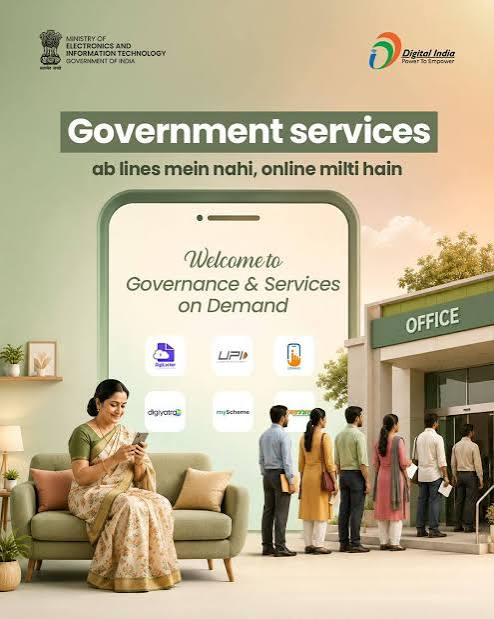
One of the most visible benefits of digital democracy is the availability of government services online. Citizens can increasingly access information and complete various tasks through official websites and mobile applications without visiting government offices. People may be able to apply for certificates, submit forms, check application status, pay certain fees, access documents, or obtain information online, depending on the service available in their region. This saves time for both citizens and government employees. Instead of standing in long queues or visiting multiple offices, citizens can use digital platforms from their homes. Online services can also improve convenience for people who live far away from government offices.
Why it matters: Easy access to government services can make public administration more citizen-friendly and efficient.
2. Social Media Creates Direct Communication

Social media has become an important communication channel between governments and citizens. Government departments and public officials can use platforms such as social networks to share announcements, emergency information, public-service updates, and educational content. Citizens can also comment, ask questions, and share concerns through these platforms. For example, during a natural disaster or public emergency, authorities can use social media to communicate important information quickly. Citizens can receive updates without waiting for traditional media reports. However, citizens should verify important information through official government sources because social media can also spread misinformation.
Why it matters: Social media can reduce the communication gap between public institutions and citizens.
3. Online Feedback Helps Governments Understand Citizens

Good governance requires governments to understand what people need. Digital platforms can make it easier to collect public feedback.
Government websites and applications can provide feedback forms, surveys, polls, complaint systems, and consultation platforms. Citizens can use these tools to share their experiences and suggestions. For example, if residents experience problems with a public service, they may be able to submit feedback through an online portal. Government departments can analyse these responses and identify common problems. Digital feedback does not automatically guarantee that every concern will be solved, but it provides governments with another way to understand public needs.
Why it matters: Regular feedback can help governments identify problems and improve public services.
4. Online Complaint Systems Improve Accountability
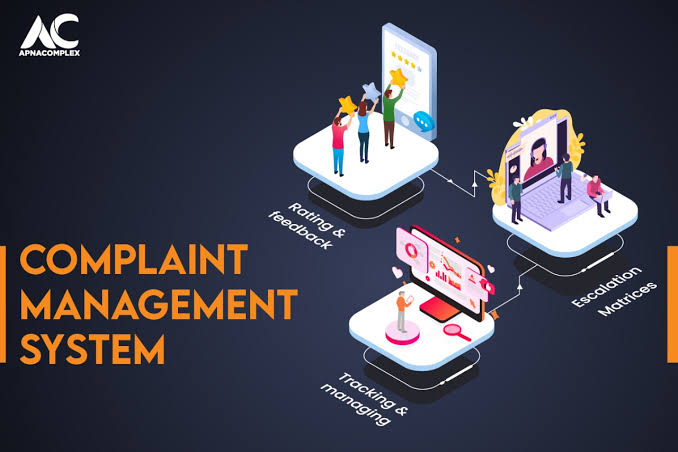
Technology can provide citizens with digital channels for reporting problems. Online complaint or grievance systems can allow people to submit complaints without physically visiting a government office. A digital complaint system may provide a reference number that allows citizens to track the progress of their complaint. For example, citizens may report issues related to roads, streetlights, waste management, public transportation, or other local services through available government platforms. When complaints are recorded digitally, departments can organise and monitor them more systematically.
Why it matters: Digital complaint systems can give citizens a clearer communication channel and encourage greater accountability.
5. Open Data Can Increase Government Transparency
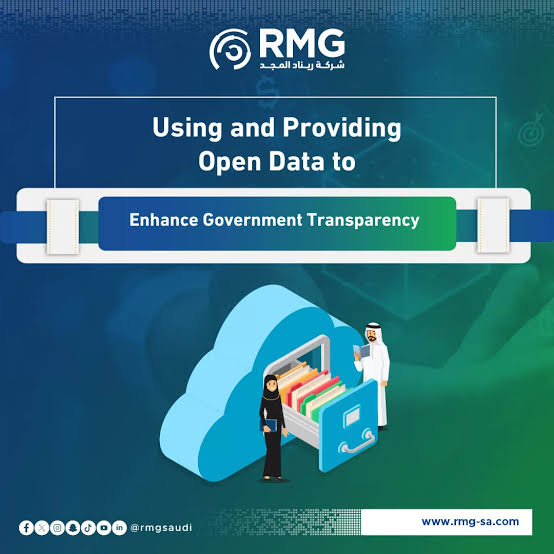
Transparency is an important part of democracy. Citizens need access to reliable information to understand how governments operate.
Governments can publish certain datasets and information through open-data platforms. Depending on the country and government department, this information may include statistics, budgets, public projects, environmental data, population information, or other public records. Researchers, journalists, students, developers, and citizens can use publicly available information to better understand government activities. Open data can also encourage innovation. Developers and organisations can create useful applications or visualisations using publicly available government information.
Why it matters: Accessible public information can help citizens become more informed and encourage greater transparency.
6. Digital Voting Technology Can Support Electoral Participation
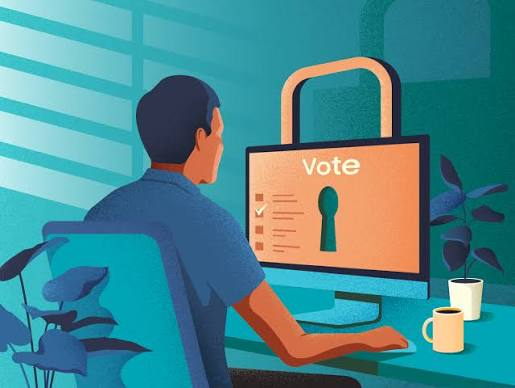
Technology is also influencing the way people learn about elections and participate in electoral processes. Election authorities can use digital platforms to provide information about registration, voting procedures, polling locations, election schedules, and other important details. Some countries and regions have experimented with different forms of electronic or online voting, while others continue to rely primarily on traditional voting systems. Digital technology can also help election authorities manage information and communicate with voters. However, voting technology requires strong security, privacy protections, accessibility, and public trust. Election systems must be carefully designed to protect the integrity of elections.
Why it matters: Technology can make election information easier to access, while secure digital systems may support more efficient electoral processes.
7. Mobile Applications Bring Government Services to Smartphones
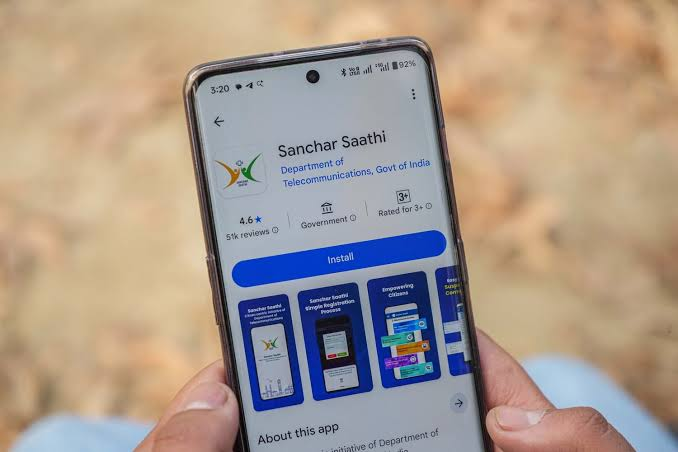
Smartphones have become an important way for people to access digital services. Government mobile applications can provide information and services directly to citizens. A well-designed government app may allow users to access documents, receive notifications, submit applications, check service status, or communicate with government departments. Mobile access is particularly useful because people do not always have access to a desktop computer. Government applications can also send important notifications directly to users, helping citizens stay informed about deadlines, public programs, or emergency announcements.
Why it matters: Mobile technology can make government services more convenient and accessible.
8. Artificial Intelligence can Improve Public Services

Artificial intelligence is becoming increasingly important in digital government. AI can help analyse large amounts of information, automate repetitive tasks, provide chatbot-based assistance, and identify patterns in data. For example, an AI-powered chatbot could answer common questions about government services at any time of the day. This may reduce the workload on support teams while helping citizens find basic information more quickly.
AI can also assist government organisations with data analysis and service planning. However, governments need to use AI responsibly. Citizens should be informed when automated systems are being used for important decisions, and appropriate safeguards should be established to protect privacy and prevent unfair outcomes.
Why it matters: Responsible AI can help governments provide faster services while improving administrative efficiency.
9. Digital Public Consultations Encourage Citizen Participation
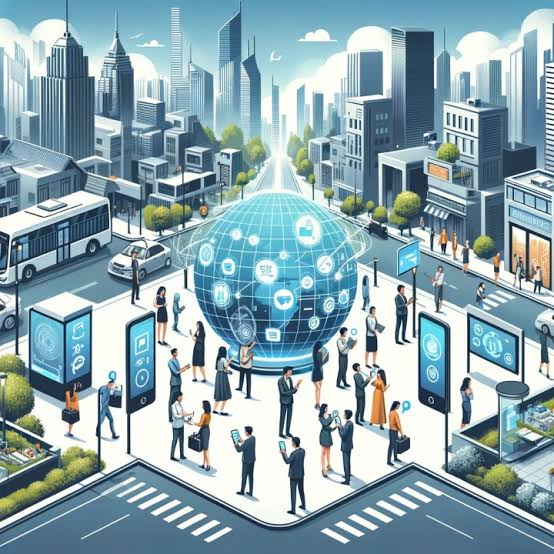
Democracy is not limited to elections. Citizens can also participate by sharing opinions about proposed policies, development projects, regulations, and community issues. Digital consultation platforms can make this participation easier. Instead of requiring everyone to attend a physical meeting, governments can collect opinions through online forms, surveys, discussion platforms, or consultation websites.
This can be especially useful when governments want to gather feedback from a large population. However, digital consultations should be designed carefully. Governments need to ensure that participation is meaningful and that citizens’ feedback is properly considered.
Why it matters: Online consultations can give more people opportunities to express their views on public issues.
10. Digital Platforms Can Improve Civic Education

A strong democracy depends on informed citizens. Technology can make educational information about government, laws, elections, rights, responsibilities, and public institutions easier to access. Government websites, educational portals, videos, online courses, infographics, and interactive tools can help people understand how democratic institutions work. Young people can particularly benefit from accessible digital resources. Instead of learning about government only through textbooks, they can explore online resources and understand how public institutions affect everyday life. Digital civic education can also help people distinguish between reliable information and misinformation.
Why it matters: Better access to civic information can encourage citizens to participate more confidently in democratic processes.
Benefits of Digital Democracy
Digital democracy can provide several benefits when technology is implemented responsibly.
Greater Accessibility
Citizens can access information and services from different locations and, in many cases, outside traditional office hours.
Faster Communication
Governments can share important announcements quickly through websites, applications, email, and social media.
Increased Transparency
Publishing information online can make certain government activities easier for citizens to understand and monitor.
More Citizen Participation
Online surveys, consultations, feedback forms, and discussion platforms can create additional opportunities for public participation.
Improved Efficiency
Digital systems can reduce paperwork and automate certain administrative processes, potentially saving time and resources.
Challenges of Digital Democracy

Although digital democracy offers many opportunities, it also has challenges.
Digital Divide
Not everyone has equal access to smartphones, computers, reliable internet connections, or digital skills. Governments need to ensure that digital services do not exclude people who cannot easily use technology.
Privacy and Data Protection
Government platforms may handle sensitive personal information. Strong cybersecurity and privacy practices are essential to protect citizens’ data.
Cybersecurity Threats
Government websites and systems can become targets for cyberattacks. Strong security measures are necessary to protect public services and information.
Misinformation
Social media and online platforms can spread false information quickly. Citizens need reliable sources and strong digital literacy skills.
Accessibility
Digital government services should be designed to work for people with different abilities and levels of digital experience.
Lack of Trust
Citizens may hesitate to use digital government services if they do not understand how their data is collected, stored, or used. Transparency can help build trust.
How Citizens Can Participate in Digital Democracy
Citizens also have an important role in creating a healthy digital democracy. People can:
- Use official government websites for important information.
- Participate in legitimate online consultations and surveys.
- Provide constructive feedback about public services.
- Report problems through official complaint channels.
- Verify political and government-related information before sharing it.
- Protect personal information and use strong passwords.
- Learn about digital privacy and cybersecurity.
- Follow official government communication channels.
- Take advantage of online civic education resources.
- Respect different opinions during online discussions.
Digital democracy works best when both governments and citizens use technology responsibly.
The Future of Digital Democracy
The future of digital democracy will likely involve greater use of artificial intelligence, data analytics, mobile technology, digital identity systems, online public consultations, and other emerging technologies. However, technology should remain a tool for improving democratic participation rather than becoming a replacement for fundamental democratic principles.
Governments need to focus on transparency, privacy, accessibility, security, and accountability when developing digital platforms. Citizens also need digital literacy skills so they can use online services safely and evaluate information critically. The most successful digital democracy systems will not simply provide more technology. They will use technology to create better communication between citizens and public institutions.
Conclusion
Digital democracy is creating new opportunities for citizens and governments to communicate, exchange information, access services, and participate in public life. From online government services and social media communication to digital consultations, open data, mobile applications, and AI-powered assistance, technology can make government more accessible and responsive.
At the same time, digital democracy must address challenges such as the digital divide, misinformation, privacy risks, cybersecurity, and accessibility. Technology alone cannot create a strong democracy. People, institutions, laws, transparency, and public participation remain equally important.When used responsibly, digital technology can help build a more connected, accessible, transparent, and citizen-focused democracy.
FAQs
Q. What is government digital democracy?
Government digital democracy refers to the use of digital technologies such as websites, mobile apps, social media, online portals, and AI tools to connect citizens with government institutions and encourage public participation.
Q. How does technology connect citizens with governments?
Technology connects citizens and governments through online services, digital complaint systems, social media, public consultations, surveys, mobile applications, and government websites.
Q. What are the benefits of digital democracy?
Digital democracy can make government services more accessible, improve communication, increase transparency, encourage citizen participation, and make some public services faster and more convenient.
Q. How can social media support digital democracy?
Governments can use social media to share announcements, public-service information, emergency updates, and important notices. Citizens can also use these platforms to communicate concerns and provide feedback.
Q. Can digital democracy improve government transparency?
Yes. Publishing government information, statistics, public data, and service updates online can make certain government activities easier for citizens to understand and monitor.
Q. How does AI help digital government services?
AI can help governments answer common questions, analyze large amounts of data, automate repetitive tasks, and provide faster assistance through AI-powered chatbots.
Q. What are the challenges of digital democracy?
Major challenges include the digital divide, cybersecurity threats, privacy concerns, misinformation, accessibility problems, and lack of digital skills.
Q. How can citizens participate in digital democracy?
Citizens can participate by using official online services, completing government surveys, joining digital consultations, providing feedback, reporting public-service problems, and staying informed through reliable sources.
Q. Is digital democracy available only through computers?
No. Many digital government services can also be accessed through smartphones and mobile applications, making them more convenient for people who primarily use mobile devices.
Q. Why is digital literacy important for digital democracy?
Digital literacy helps citizens use online government services safely, identify reliable information, protect their personal data, and participate responsibly in digital discussions.


