


Bihar has always held a unique place in India’s political imagination. Known as the cradle of ancient empires and modern democratic awakenings, the state continues to play a pivotal role in shaping national narratives. As the Bihar elections 2025 approach, the political mood of the region is shifting in subtle yet significant ways. Traditional loyalties that once dictated voter choices are gradually giving way to new priorities, shaped by development, education, migration, and youth aspirations. The evolving voter identity in Bihar is a reflection of both its socio-economic transformation and the fatigue with decades of caste-centric politics that have dominated its electoral landscape.
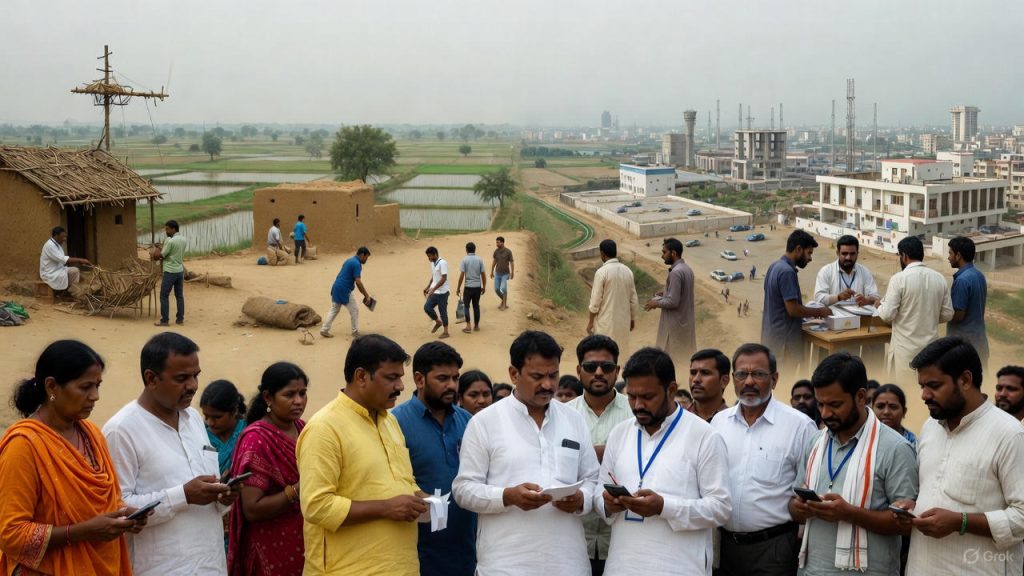
The Historical Context of Bihar’s Political Identity
For decades, Bihar’s politics revolved around identity, caste, and community. The rise of leaders like Lalu Prasad Yadav and Nitish Kumar reflected the assertion of marginalized groups who sought representation and dignity after years of exclusion. Caste became both a political tool and a social weapon — offering empowerment for some while reinforcing divisions for others. Political strategies were deeply tied to caste arithmetic; every alliance was calculated based on the numerical strength of specific communities. However, while this politics of representation brought visibility to the underprivileged, it also stagnated the discourse around governance and development.
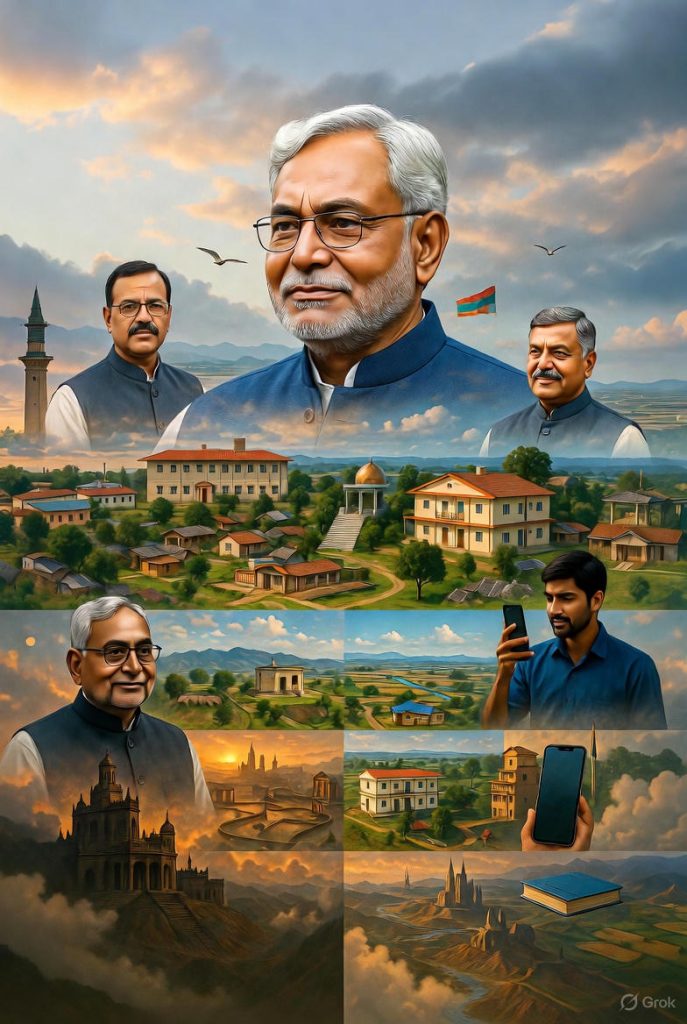
Decline of Caste-Centric Voting Behaviour
In the past few years, the pattern of voting in Bihar has shown a notable transformation. While caste still remains an undercurrent, it is no longer the sole deciding factor in elections. Many young voters, who constitute nearly 58% of Bihar’s population, are questioning the relevance of old identity politics. They are asking what tangible change these alliances have brought to their lives. Bihar’s literacy rate, though still below the national average, has improved steadily, leading to a more informed electorate that is keen on issues like education, healthcare, and job opportunities rather than caste affiliations. The migration of millions of Biharis to other states for work has also played a major role in broadening their worldview. Exposure to diverse political cultures outside Bihar has made them more aware of the benefits of performance-based politics.
The Rise of Developmental Politics in Bihar
The term “vikas” or development has become a recurring theme in Bihar’s political campaigns. Even leaders who once relied purely on caste equations are now compelled to speak the language of development. Road connectivity, digital infrastructure, employment opportunities, and education reforms have entered political manifestos as primary issues. Voters in Bihar are now evaluating leaders on their ability to deliver results rather than their community background. Urban centers like Patna, Gaya, Muzaffarpur, and Bhagalpur have witnessed a surge in middle-class consciousness that demands efficient governance and accountability. This shift doesn’t imply that caste politics has vanished, but it indicates that voters are combining identity with performance when making choices.
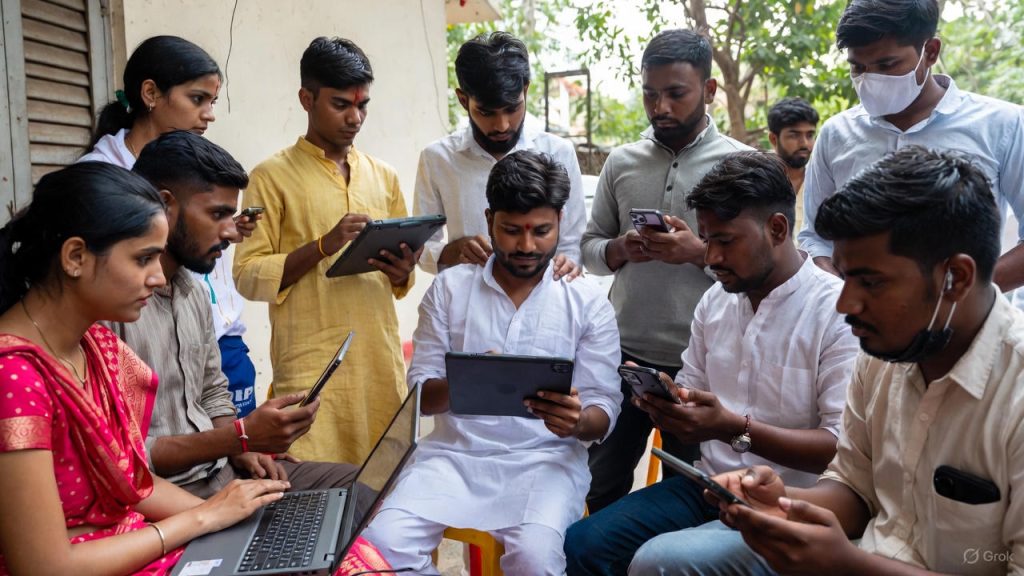
Youth and the Rewriting of Bihar’s Political Narrative
The youth of Bihar, often labelled as politically aware but economically frustrated, have emerged as a decisive force. They have grown up in an era of social media, digital campaigns, and real-time political debates. Unlike earlier generations, the younger electorate is exposed to national and global discourses, which shape their expectations from political leaders. Unemployment, education quality, and migration are their central concerns. Many young Biharis are not hesitant to criticize established leaders or to switch loyalties if promises remain unfulfilled. Social media platforms like X (formerly Twitter), Instagram, and YouTube have turned into virtual stages for Bihar’s youth to voice their opinions and mobilize support. This online activism, coupled with a growing sense of civic awareness, is reshaping the contours of Bihar’s voter identity in profound ways.
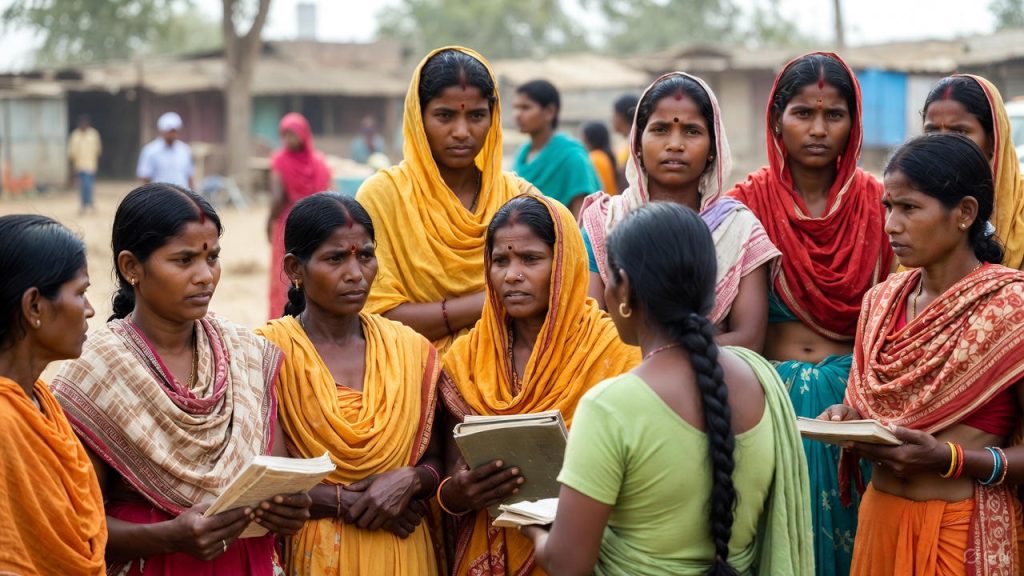
The Role of Women in Shaping Bihar’s Electoral Future
An equally transformative development in Bihar’s political story is the growing participation of women. In recent elections, women’s voter turnout has often exceeded that of men, signaling a quiet revolution in Bihar’s democracy. Initiatives like self-help groups, reservation in panchayats, and social welfare schemes targeting women have created an empowered class of female voters who prioritize safety, education, and healthcare. Unlike earlier times when women often voted according to family decisions or caste lines, today’s women in Bihar display independent political judgment. Their voting patterns have begun to influence party strategies, compelling leaders to design policies and manifestos that cater to their aspirations.
Migration and its Political Implications
Migration has long been a defining feature of Bihar’s socio-economic structure. Millions of people leave the state every year in search of employment in cities like Delhi, Mumbai, Surat, and Kolkata. However, this massive outflow has had dual effects on Bihar’s politics. On one hand, the absence of a large working-age population during voting seasons has reduced the influence of certain traditional vote banks. On the other, migrants’ remittances have uplifted families back home, increasing expectations for better governance. Many returnees compare Bihar’s infrastructure with the states they work in, generating pressure on local leaders to modernize and improve public services. Thus, migration has turned from being a symbol of distress into an instrument of political awakening and comparative awareness.
Media, Social Awareness, and the New Political Consciousness
In earlier decades, political campaigns in Bihar depended heavily on rallies, posters, and local networks. Today, the scenario is vastly different. The digital revolution has penetrated even the remotest villages of Bihar, thanks to affordable smartphones and expanding internet connectivity. Political information travels faster, and voters can fact-check claims in real time. News portals, YouTube channels, and WhatsApp groups have become powerful tools for shaping public opinion. However, this also brings challenges such as misinformation and polarization. Yet, overall, digital access has democratized political participation in Bihar, making voters more responsive, questioning, and aware.
The Role of Leadership and Accountability
Leadership in Bihar has also undergone a metamorphosis. Nitish Kumar, one of the state’s longest-serving chief ministers, continues to be a central figure, but his political switches and alliances have triggered mixed reactions among the electorate. Voters are increasingly demanding stability, transparency, and consistency in political behavior. The electorate no longer tolerates opportunistic politics as easily as before. Emerging leaders from both the ruling and opposition camps are realizing that emotional appeals must be accompanied by measurable governance outcomes. The public discourse in Bihar has matured — people want jobs, education, healthcare, and safety more than symbolic gestures.
The Decline of Fear-Based Politics
Fear and loyalty once defined the political behavior of many communities in Bihar. Voters often supported parties that offered a sense of protection, either through caste solidarity or regional dominance. That psychological hold is slowly fading. Awareness campaigns, increased literacy, and growing urbanization have weakened the control of local power brokers. The rise of civil society organizations and independent voices has provided alternative platforms for political engagement. Voters now question the same leaders they once revered, reflecting a deeper democratic maturity.
Bihar and the Broader Indian Political Canvas
The transformation of Bihar’s voter identity mirrors the larger shifts taking place across India. As the nation becomes more urbanized and aspirational, regional politics are adapting to new expectations. Bihar, once seen as a state trapped in backwardness and corruption, is now positioning itself as a region of resilience and reform. Its elections are no longer merely about caste configurations but about ideas, governance, and the credibility of promises. The changing voter identity in Bihar, therefore, has national implications — it suggests that Indian democracy is slowly moving toward a performance-based model, even in states once dominated by traditional loyalties.
Challenges Ahead
Despite these encouraging signs, Bihar still faces monumental challenges. Poverty, unemployment, and infrastructural gaps persist. Rural areas continue to lag behind urban centers, and caste still plays a role in local decision-making. While voters are evolving, political parties often lag behind, relying on old formulas of mobilization. The challenge for Bihar’s democracy lies in aligning voter aspirations with responsive governance. Political accountability, long-term planning, and decentralization of power remain crucial to sustaining the progress of Bihar’s political consciousness.
Conclusion
The changing nature of voter identity in Bihar is one of the most significant political evolutions in contemporary India. The people of Bihar are no longer content with being categorized merely by caste or religion; they seek empowerment through opportunity, dignity, and development. This transformation, though gradual, marks a new chapter in Bihar’s democratic journey. As the Bihar elections 2025 draw near, the state stands at a crossroads — between the legacy of its past and the promise of its future. Whether political parties can keep pace with this change will determine not only the outcome of the next election but also the direction of Bihar’s political and social renaissance.
FAQs
1. What is changing in the political mindset of voters?
Voters are gradually shifting from identity-based choices to issue-based decision-making, giving more importance to development, employment, and governance.
2. How are young voters influencing the upcoming elections?
Youth participation has increased significantly, with younger citizens demanding better education, job opportunities, and digital empowerment from their leaders.
3. Is caste still relevant in state politics?
While caste remains an important social factor, its dominance in shaping political outcomes has reduced. Voters now evaluate candidates on performance and credibility.
4. What role does social media play in shaping voter perception?
Social media has become a vital tool for political communication, allowing citizens to question leaders, verify facts, and engage in debates about policies and governance.
5. How has urbanization affected electoral behavior?
Urban areas show higher political awareness and exposure to national issues. Citizens here are more likely to prioritize infrastructure, education, and healthcare over identity politics.
6. Are women voters becoming more active in elections?
Yes. Women’s turnout has increased consistently, and they are emerging as an independent voting bloc focusing on safety, healthcare, and family welfare.
7. What is the biggest challenge for political parties today?
The main challenge lies in balancing emotional appeal with practical governance. Parties must adapt to changing expectations and deliver real results to sustain credibility.
8. How does migration affect political choices?
Migrants returning from other states bring diverse experiences and demand higher standards of governance, influencing how families vote during elections.
9. What are voters expecting from the next government?
Voters expect transparent leadership, effective policies, and long-term solutions for employment, education, and rural development.
10. How can political awareness improve democracy at the grassroots level?
Increasing awareness through education, media, and civic engagement encourages informed voting, reducing the influence of money, caste, or misinformation in elections.


[…] and they don’t receive fair prices for their produce. Several things stood out in the 2025 Bihar Assembly elections. Many farmers were unaware of what the minimum price for their crops would be and how they would […]