

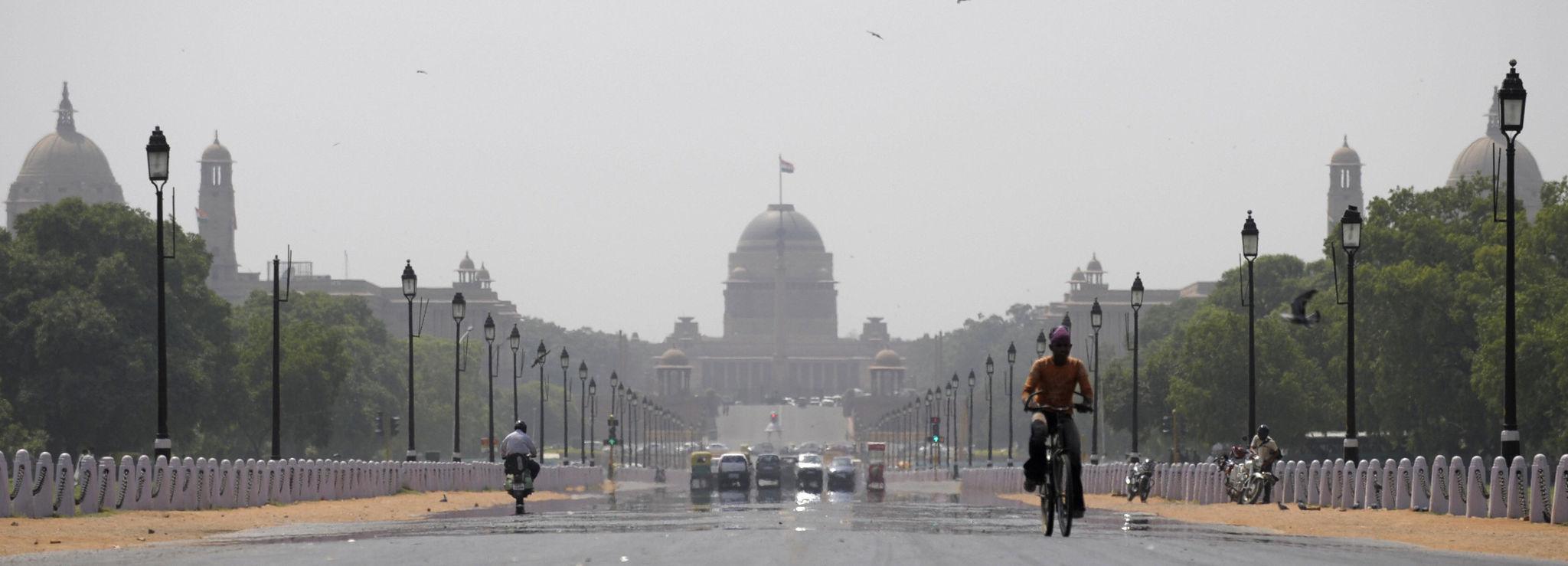
India is on fire, and animals are burning.
Temperatures are breaching 45°C across 23 states. The 2026 heat wave has arrived earlier than usual, hit harder than expected, and shows no signs of easing before the monsoon. The India Meteorological Department has flagged heatwave conditions in 11 states and union territories. A potential ‘super El Niño‘ looms over the rest of the season.
We know what this is doing to people. What we’re not talking about is what it’s doing to animals. Our pets. Our livestock. Our street animals. Our wildlife. They’re all suffering through the same temperatures, but without air conditioning, without ORS, without anyone filing a report when they don’t make it.
India’s animals are quietly dying in this heat wave. And we’re doing almost nothing about it.
Table of Contents
India continues to Burn
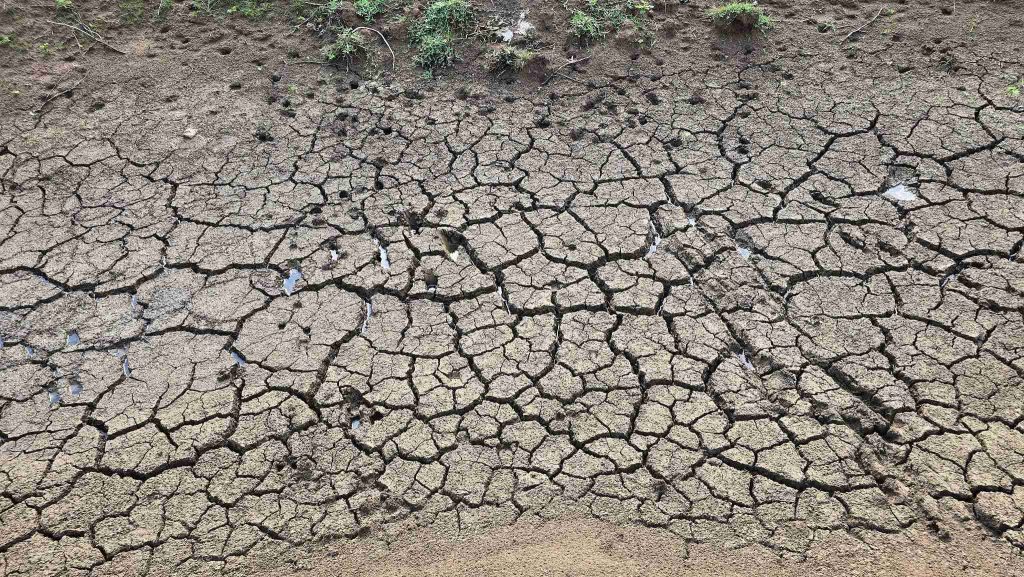
This isn’t a normal summer.
By mid-April 2026, temperatures had already crossed 45°C. Extreme temperatures arrived early in parts of Madhya Pradesh, Maharashtra, Odisha, and Chhattisgarh. Cities like Jaisalmer, Phalodi, Orai, and Auraiya have been consistently clocking extreme highs. At one point this season, 98 of the world’s 100 hottest cities were located inside India.
The IMD has flagged heatwave conditions across 11 states and union territories. A potential ‘super El Niño’ could push temperatures even higher before the monsoon arrives.
Humans are struggling. But animals such as our pets, street animals, cattle, and wildlife don’t even have the option of switching on a fan, let alone surviving this brutal summer.
The Silent Victims Nobody’s Talking About
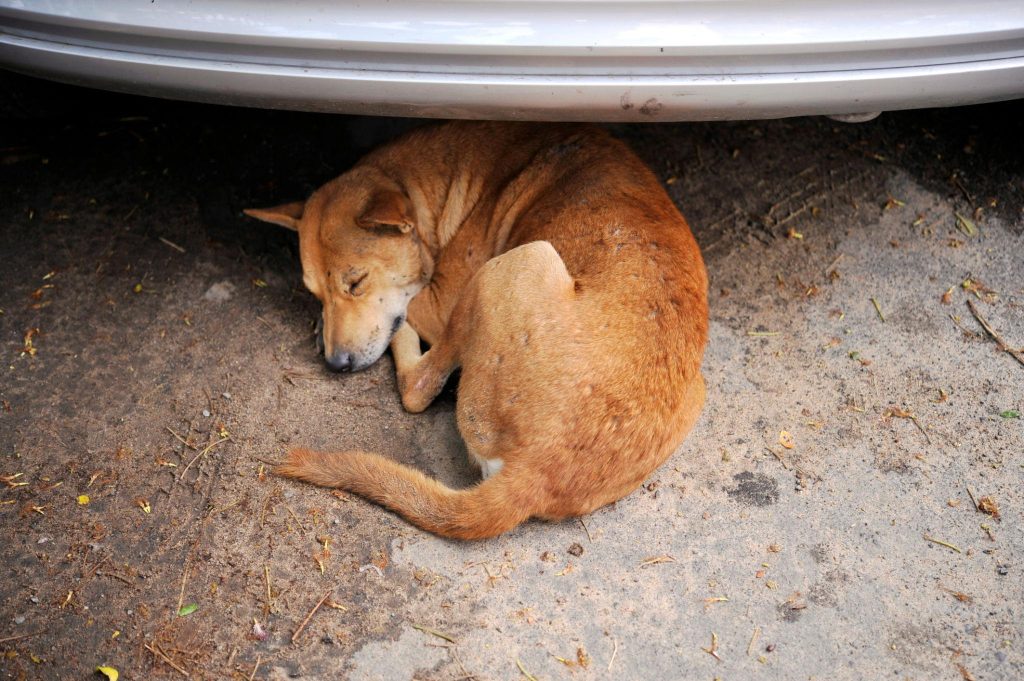
Every heat wave season, India’s animal population takes a massive hit. And this year is no different.
Livestock and cattle are dying in large numbers. Carcasses have been reported piling up in eastern Rajasthan. Cause of death: dehydration and heat exhaustion. Similar reports have come from Maharashtra, Uttar Pradesh, and Madhya Pradesh. This is happening in states that have dedicated livestock welfare departments.
Wildlife is being displaced. As natural water sources dry up, forest animals are being forced toward human settlements. Forest department data shows that leopards and bears enter village peripheries in search of water. This number increases by nearly 40% when summer arrives. Over 100 elephants from Dudhwa National Park have migrated toward Nepal’s forests. Why? Because they were searching for water. Deer and leopards from Uttar Pradesh’s Terai region are doing the same.
Birds are collapsing mid-flight. Wildlife SOS reported treating 250 birds with heat-related illnesses in a single season. This was before peak summer. Their teams were mostly rescuing black kites, which fly at higher altitudes and are especially vulnerable to heat exhaustion. Wildlife SOS officials observed that while descending in search of prey or water, they collapse on the ground. They are swamped with calls, and it’s just May.
Street animals have nowhere to go. In Rajasthan, animal welfare groups have reported a sharp increase in street animal deaths during sustained high temperatures. These animals have no owner, no shelter, and no one tracking their numbers.
Why Heat Is So Dangerous for Animals
Animals don’t cool down the way humans do. That’s the core problem.
Dogs can only sweat through their paw pads. Their main cooling mechanism is panting, and when outside temperatures are already 44°C, panting stops being effective. Body temperature spikes fast. Organ damage follows within minutes.
Cats are slightly better at conserving water, but kittens and street cats in concrete-heavy Indian cities have almost no access to shade.
Cattle and buffaloes begin to experience heat stress above 37°C. Prolonged exposure causes a drop in milk production, reproductive failure, and, in severe cases, death.
Birds cope by panting and spreading their wings. But that takes energy away from feeding their young and finding food. Research has found that birds exposed to extreme heat early in life show signs of accelerated cellular ageing, which means they die younger and reproduce less. The heat wave ends. The damage it causes doesn’t.
Wildlife faces an additional problem we’ve largely created. Rapid construction, disappearing wetlands, dams, and deforestation have destroyed the shaded water bodies and forest cover that animals depend on during summer. We’ve taken their natural refuges away, and then act surprised when they show up at the edges of our cities.
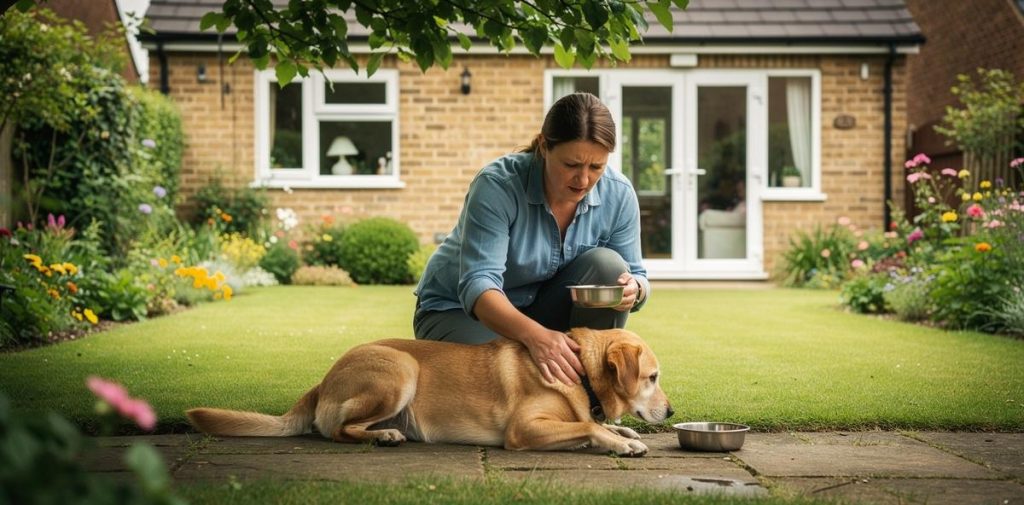
What Heatstroke Looks Like in Pets and Animals
Most pet owners don’t realise their animal is in danger until things are already serious. Here are the signs to watch for:
- Excessive, non-stop panting even in the shade
- Dry or brick-red gums
- Vomiting or loose stool
- Stumbling or inability to stand
- Body temperature above 40°C
By the time an animal shows these signs, internal damage has already begun. The kidneys and liver take a hit within minutes of a temperature spike. Some animals appear to recover and then go into kidney failure 48 hours later.
Don’t wait to see if it improves. Get to a vet immediately.
The Gap
India’s Heat Action Plans are almost entirely focused on human mortality. That’s understandable, but it’s also a significant blind spot. No one is thinking about animals.
Animal deaths during heat waves feed back into human life in ways we don’t always connect:
- Livestock deaths devastate farmer incomes
- Displaced wildlife entering human areas raises the risk of conflict and disease spread
- Pollinator collapse threatens food crop yields
- Zoonotic disease risk increases when stressed, dehydrated animals cluster near water sources
Some organisations are filling the gap. Jim Corbett National Park sent tankers carrying 1.5 lakh litres of water to 100 sites across the park this summer. Wildlife SOS installed water sprinklers and fed their rescue bears ice popsicles and glucose to fight dehydration. These are good efforts. But they’re being run almost entirely on NGO resources, not government mandate.
India’s Heat Action Plans need to include animals.
What You Can Do Right Now
You don’t need a policy change to make a difference today.
For pet owners:
- Don’t walk dogs between 11 AM and 5 PM. Pavement in Indian cities can exceed 60°C in the afternoon — enough to burn paw pads within minutes.
- Keep fresh, cool water available at all times. Change it frequently as it warms up fast in this heat.
- Never leave a pet on an open terrace, balcony, or inside a parked car. Even 20 minutes can be fatal.
- If you suspect heatstroke, wet the animal with cool (not ice-cold) water and get to a vet immediately. Ice causes surface blood vessels to constrict and slows down cooling.
For street animals:
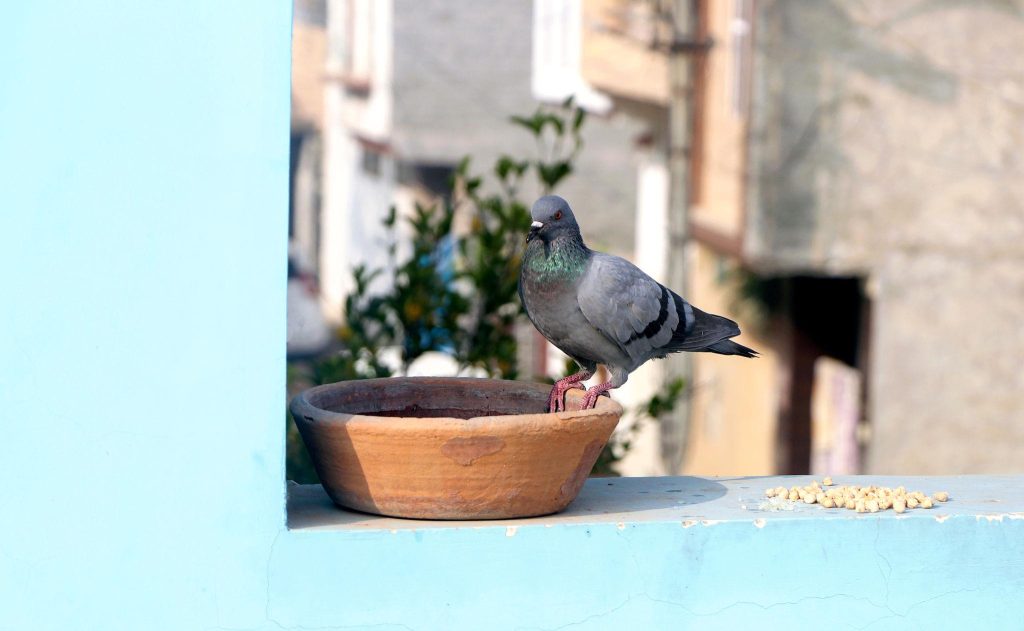
- Leave a clay matka or shallow bowl of water outside your gate. It takes 30 seconds and can save a life.
- Shift street feeding times to early morning or after 7 PM.
- If you see a collapsed animal, contact your local municipal animal welfare helpline.
At the community level:
- Push your local municipality to set up animal water stations and shaded rest areas during heat emergencies.
- Plant trees. Urban green cover is the single most effective long-term solution to reducing the heat island effect in Indian cities.
- Support on-ground animal rescue organisations financially or through volunteering.
The Bigger Picture
Heat waves in India have killed over 10,000 people between 2000 and 2020. The animal toll is harder to count because we’re not even trying to count it.
India has over 50 crore livestock animals, millions of street dogs and cats, and some of the most biodiverse wildlife habitats in the world. Treating the summer heat wave as a human-only emergency is an incomplete and shortsighted strategy.
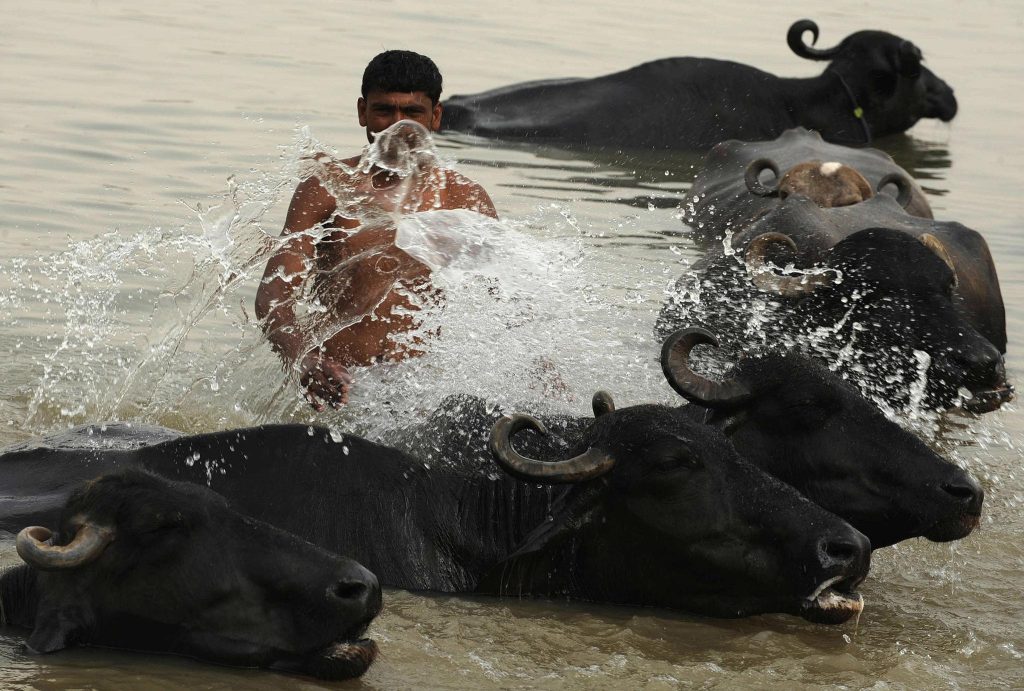
A bowl of water outside your gate won’t fix the climate. But it might save the dog sleeping on the pavement outside your building today.
That would be a great start.
Frequently Asked Questions
Q: At what temperature does a dog get heatstroke?
A. A dog’s normal body temperature is 38–39°C. Heatstroke sets in when the temperature exceeds 40°C. Above 41°C is a medical emergency. Ambient temperatures above 32–35°C can be dangerous for dogs left without shade or water.
Q: Which animals are most at risk during a heat wave in India?
A. Street dogs and cats, cattle, buffaloes, birds, and wildlife near drying water sources are most vulnerable. Brachycephalic dog breeds like Pugs, Bulldogs, and Shih Tzus are at especially high risk because of their restricted airways.
Q: Can birds die from heat waves?
A. Yes. Birds die from heat exhaustion, dehydration, and abandoning nests to seek water. Nestlings are particularly at risk because they can’t regulate their own body temperature or leave the nest. Research also shows that heat exposure during early life shortens birds’ lifespans at a cellular level.
Q: How do I help a street dog in heat distress?
A. Move the animal to shade immediately. Offer cool (not ice cold) water to drink if it’s conscious. Wet the paws, belly, and neck with cool water. Fan the animal. Contact a local animal NGO or vet as soon as possible. Don’t leave it and assume it’ll recover on its own.
Q: Why don’t India’s Heat Action Plans cover animals?
A. Most Heat Action Plans in India were designed with a narrow focus on human health outcomes, particularly in urban areas. Animal welfare, wildlife, and livestock aren’t formally integrated into these frameworks, which is a gap that researchers, vets, and conservationists have been flagging for years without significant policy response.
Q: What’s the simplest thing I can do for animals during the heat wave?
A. Put out a bowl of water. A clay matka outside your door, a shallow dish on your terrace, a water bowl near where street animals rest, as these small acts directly save lives during extreme heat.


