

Today, as a political jump, Trump made the New Asian Trade
When it comes to making headlines, Donald Trump never does things halfway.
And his latest international secret move proves exactly that.
During his recent visit to South Korea, Trump pulled off
what many are calling a game-changing moment in Asian trade diplomacy:
its a major new trade deal with India.
Announced from the bustling heart of Seoul, this agreement isn’t just another political handshake
It’s a bold economic statement that has reshaped how trade flows across Asia.
“One Message, Global Impact”
Trump’s decision to announce the India trade deal from Seoul,
South Korea was not just a scheduling coincidence or an accident, but it was a carefully calculated, smart, and strategic move.
South Korea has always been one of the key U.S. allies in East Asia, known for its strong technological ecosystem and strategic location.
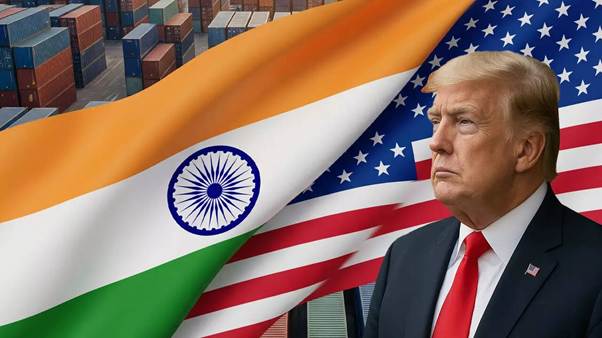
By announcing the deal there,
Trump has highlighted his vision of creating a more connected Indo-Pacific economy
where the U.S., India, and South Korea work together as key partners.
This move clearly shows that the global observers:
Washington is reinforcing and strengthening its partnerships in Asia, and
India is emerging as a central part of that strategy.
“This agreement represents a victory for fair trade, innovation, and shared growth across Asia.”
Trump declared in Seoul.
“Together, the United States and India are shaping a great future for the Indo-Pacific region rooted in freedom and economic strength.”
Inside Trump’s Big Trade Move
Trump’s big move in the Asia Trade is still working with many officials who made the confirmation
Though full details are still being finalized,
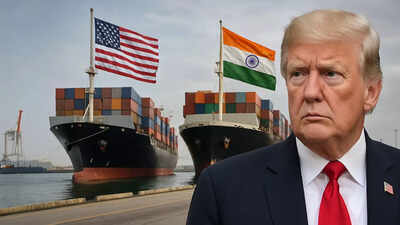
Officials from both countries have confirmed that the India–U.S. trade deal will cover may have key that is a wide spectrum of economic areas, including:
- Technology and Artificial Intelligence: Working together with Collaboration on next-generation, AI-based logistics, and semiconductor with chip design.
- Energy and Infrastructure: Increasing and expanding the U.S. exports of natural gas and renewable energy investments and projects in India.
- Defense Cooperation: Building a Joint defense manufacturing together and sharing technology agreements to boost and strengthen the regional security.
- Agriculture and Pharmaceuticals: Making it easier, reducing the trade barriers, and lowering the tariff trade for exports in both sectors.
- Digital Economy and E-commerce investments: setting the rules of frameworks for cross-border digital payments, cybersecurity standards, and tech innovatives hubs.
This deal is not just about trade;
it’s more than a cooperation of long-term and mutual growth.
It builds on past partnerships with the economic engagements,
But takes steps further by connecting technology, defense, and energy into one strong economic vision and plans.
Why South Korea Matters
The choice of location for this announcement carries a strong strategic symbolism.
South Korea isn’t part of the deal, but it plays a key role in Asia’s economic architecture network,
something that is central to Trump’s broader vision.
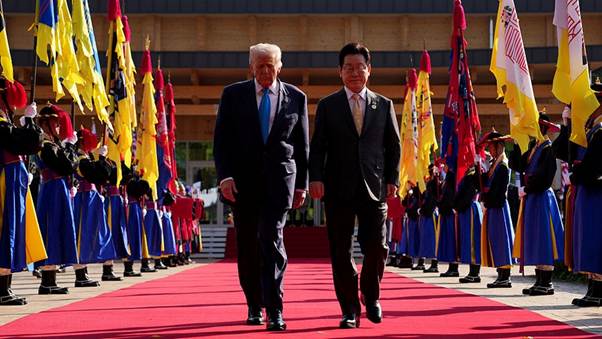
By making the positioning announcement in Seoul,
Trump effectively placed South Korea as a bridge between American innovation and Indian enterprise.
Both India and South Korea are rapidly growing with their advancing tech in areas like AI, chipmaking, defense, and green technology.
They are making this trilateral dynamic, together with the U.S., India, and South Korea, a cornerstone of the future Indo-Pacific supply chain.
In many ways, this move echoes Trump’s long-standing belief in “smart power diplomacy”
using trade and economic influence.
It helps them to strengthen global partnerships while maintaining U.S. leadership in strategic regions.
India’s Rising Role in the Global
For India, this deal arrives at a critical time.
As the country works toward its $5 trillion economy goal, partnerships like these are vital to boosting exports, creating jobs, and attracting international investment.
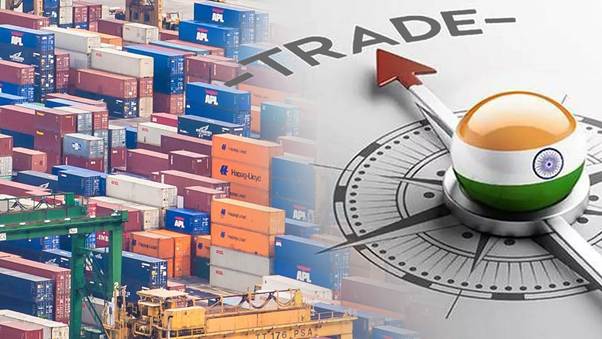
India stands to gain the benefits, like:
- Access to U.S. technology and innovation ecosystems.
- Better energy security through increased American LNG(natural gas) imports.
- Boost in exports of pharmaceuticals, textiles, and consumer goods.
- Strong defense of modernization with new co-production opportunities.
This trade deal further strengthens that elevates India’s status as the primary U.S. partner in South Asia
A position that not only strengthens bilateral trade but also helps support and balance power dynamics in the Indo-Pacific region.
“The U.S.–India partnership is not just about commerce; it’s about shaping the future economic destiny of a free and open Indo-Pacific,”
said by Indian trade analyst Dr. Radhika Menon.
The U.S. Advantage: America’s Big Trade Win
For the United States, this deal the equally significant benefits.
It gives a deal to open the doors for American companies to expand into one of the world’s fastest-growing markets in India.
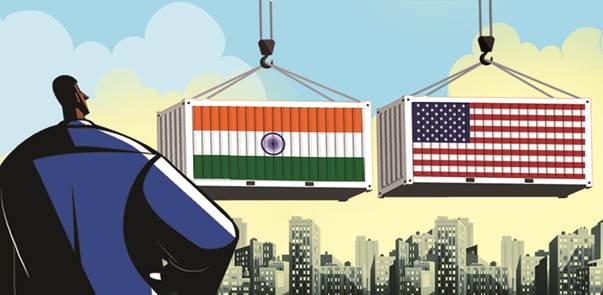
Key benefits of the US include:
- Boost with the export in U.S. exports of defense and energy products.
- New Job creation in the American manufacturing and tech sectors.
- Enhanced a strong global influence through stronger Indo-Pacific alliances.
The U.S. will also gain a new, stronger presence in digital India trade.
One of the fastest-growing sectors of India’s economy.
With both India and the US playing a bigger role in working with the 5G development and cybersecurity,
This partnership enhances America’s influence in shaping global tech standards.
It’s a win-win situation for Trump’s long-promoted “America First” economic philosophy,
but in a modern global way, focused on teamwork through cooperation and strategic alliances.
Changing Trade Trends in Asia
This deal is more than just a bilateral agreement between two countries.
It marks a big shift in how trade works in the architecture of Asian trade.
For years, China has led the region of manufacturing and trade across Asia.
But now, as supply chains look more balanced and nations seek greater independence,
the U.S., India, and South Korea offer a strong new option.
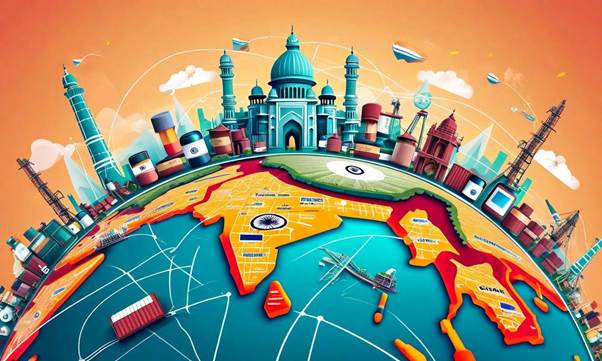
Economically, this move strengthens and builds a regional network that supports an open trade,
democratic governance, and innovation-led growth.
“Trump’s announcement from Seoul shows the rise of a new Asian trade era, one where India and U.S. collaboration play a leading role in shaping the next phase of growth,”
said James Porter, an international economic expert.
Trump’s Diplomatic Comeback
Beyond economics, this trade deal also marks Donald Trump on the global stage.
After years of political debate and division,
Trump’s ability to still hold securely such a significant international agreement positions him once again as a power broker on the world stage.
Announcing the deal in South Korea, it’s a key country with a nation central to Asia’s strategic landscape or network,
Highlighting their reinforced strength for Trump’s diplomatic influence beyond domestic politics.
Trump’s message is clear:
He remains a global dealmaker with reach, one capable of shaping trade policy that makes an impact far beyond America’s borders.
A Growing Partnership: India & US
Trade between India and the U.S. has grown steadily that expanded over the past decade.
According to reports, bilateral trade reached $190 billion in 2024, and this new agreement could increase it to $250 billion by 2026.

This growth is powered by mutual interests in:
- Technology and innovation
- Defense collaboration & cooperation
- Green energy transitions and sustainability
- Education and talent exchange
With this new deal, both countries are ready to unlock further potential opportunities in digital commerce, startup ecosystems, and clean technology.
Key sectors that will shape their areas with crucial for sustainable global growth.
The World Reacts
Reactions to Trump’s announcement have been swift, quick, and from all other ways
- India called the deal a “historic step” in strengthening the trade with the bilateral trade.
- The United States has hailed its business leader, praising it as a win for American exporters and workers.
- South Korea welcomed the officials by deepening regional ties and hinted at the possible future cooperation with both countries.
- China, with the state media expressing the deal, labelling the deal a “strategic containment effort.”
The European Union and Japan also took note, seeing this as a possible model for future trade partnerships of Asia trade alliances.
Challenges that lie Ahead
While there is plenty of optimism is high, several challenges remain:
- Aligning regulatory standards between the U.S. and India.
- Managing and resolving the tariff disputes on agricultural and tech products.
- Managing the Navigating China’s reaction to growing U.S.–India alignment.
- Ensuring the deals with sustainability and equitable benefits for both economies.
However, experts agree these challenges can be overcome.
The long-term benefits in growth, innovation, and global cooperation are surmountable challenges
These are expected to far outweigh their short-term difficulties.
Conclusion
Donald Trump’s announcement from Seoul marks more than just another trade deal,
It symbolizes a turning point in Asian economic diplomacy.
By forging a landmark agreement with India from the heart of South Korea, Trump has connected three of the region’s most dynamic economies.
This deal highlights the importance of collaboration in today’s 21st century,
where nations that share democratic values and strong technological ambition work together to build trade.
“Trade is not just about goods; it’s about strategy, trust, and shared growth,” Trump remarked.
Frequently Asked Questions FAQs
1. What is the India–U.S. trade deal about?
It covers technology, defense, energy, and digital cooperation, aiming to strengthen economic and strategic ties between the two countries.
2. Why was the deal announced in South Korea?
Trump chose Seoul as a symbolic stage to highlight Indo-Pacific unity and strengthen trilateral cooperation between the U.S., India, and South Korea.
3. How does this affect Asian trade?
It introduces a new trade alliance that could challenge China’s dominance and create a balanced, innovation-led Asian economy.
4. What are the benefits for India and the U.S.?
India gains access to U.S. technology and investments, while the U.S. benefits from expanded exports, jobs, and global influence.
5. Is this deal part of a larger strategy?
Yes, it’s part of a broader Indo-Pacific vision aimed at fostering free trade, shared security, and sustainable development across Asia.
6. What is the new trade deal between Donald Trump and India about?
The deal covers multiple sectors, including technology, defense, energy, and digital trade, with a focus on reducing tariffs and boosting mutual investments.
7. How does this affect India’s economy?
It boosts exports, encourages tech collaboration, and strengthens India’s position as a global manufacturing hub.
8. How might China react?
China may see the deal as a strategic challenge, given the growing cooperation among U.S. allies in the Indo-Pacific.
Stay Updated on Global Trade Moves
Stay tuned with Global Policy Watch for more updates on how major political decisions are reshaping global trade.
From Seoul to New Delhi and beyond, the world’s economic future is being rewritten,
One strategic deal at a time.


I don’t think the title of your article matches the content lol