


The Era of Electric Vehicle have moved far beyond being a niche choice for early adopters. Over the past few years, EVs have shifted from an emerging technology to a mainstream part of the automotive conversation, with manufacturers, governments, and the consumers all playing a role in accelerating this transition. Falling battery costs, expanding charging networks and rapid technological improvements have made electric vehicles more practical and appealing more than ever before.
As the EV industry continues to mature, several key trends are shaping how these vehicles are designed, powered, and used in everyday life. In this article, we explore seven major trends currently transforming the Electric vehicles landscape and giving us a glimpse of what driving will look like in the years ahead.
Table of Content
- Longer Range and Improved Battery Technology
- Expanding Charging Infrastructure
- Rise of Affordable Electric Vehicle
- Integration of Smart and Connected Technology
- Growth of Electric SUVs and Larger Vehicles
- Emergence of Battery Swapping Technology
- Increased Focus on Sustainable Manufacturing
- Conclusion
1. Longer Range and Improved Battery Technology
One of the biggest concerns for early EV adopters was range anxiety, the fear of running out of charge before reaching the destination or charging point. That concern is steadily fading as battery technology continues to improve. Modern EVs now offer significantly longer ranges per charge compared to models from just a few years ago, thanks to advancements in battery chemistry and energy density.

Solid-state batteries, still in development but nearing commercial viability, promise even greater improvements, offering higher energy density, faster charging, and improved safety compared to traditional lithium-ion batteries.
As these technologies mature and become more cost-effective to manufacture, the gap between EV range and traditional combustion engine range is expected to shrink further, making electric vehicles a practical choice for long-distance driving as well as daily commutes.
2. Expanding Charging Infrastructure
A reliable and widespread charging network is essential for EV adoption to continue growing, and significant investment is being made in this area worldwide. Fast-charging stations, capable of charging a vehicle to a substantial percentage in a matter of minutes rather than hours, are becoming increasingly common along highways and in urban centers.

Beyond public charging stations, home charging solutions are also becoming more accessible and affordable, allowing EV owners to conveniently charge overnight without needing to visit a charging station regularly. Workplace charging is another growing trend, with more companies installing charging points for employees. As this infrastructure continues to expand, the convenience of owning an EV increasingly rivals, and in some cases surpasses, that of a traditional fuel-powered vehicle.
Ultra-fast charging corridors along major highways are also beginning to take shape, allowing long-distance EV travel to become far more practical than it was just a few years ago. Charging stations are increasingly being paired with amenities like cafes, rest areas, and retail spaces, transforming what was once a purely functional stop into a more comfortable experience for drivers.
In addition, standardization of charging connectors and payment systems across networks is gradually reducing the friction that once made public charging feel inconsistent or confusing, making the overall experience smoother for both new and experienced EV owners alike.
3. Rise of Affordable Electric Vehicles
For years, electric vehicles were primarily associated with premium price tags, limiting their appeal to a smaller segment of the market. That’s changing rapidly as manufacturers introduce more budget-friendly EV models designed to compete directly with traditional compact and mid-size vehicles. Falling battery production costs have played a major role in making this shift possible.
This trend is particularly significant in markets like India, where affordability is a major factor in vehicle purchasing decisions. As more manufacturers enter the budget EV segment, competition is expected to drive prices down further while improving features and performance, making electric vehicles accessible to a much broader range of consumers rather than remaining a luxury option.

Government incentives and subsidies in many regions are also playing a significant role in narrowing the price gap between electric and traditional vehicles, making the switch financially attractive for a wider range of buyers. Lower running costs, including reduced fuel expenses and simpler maintenance requirements due to fewer moving parts, further add to the long-term affordability of EV ownership, even when the upfront price remains somewhat higher than a comparable combustion vehicle.
As battery costs continue to decline and manufacturing scales up, industry analysts widely expect price parity between electric and traditional vehicles to arrive within the next several years, a milestone that would further accelerate mainstream adoption.
4. Integration of Smart and Connected Technology
Electric Vehicles are increasingly becoming rolling extensions of our digital lives. Modern EVs commonly include large touchscreen displays, smartphone integration, over-the-air software updates, and advanced driver assistance features that continue to evolve after purchase, much like how a smartphone receives regular software updates.
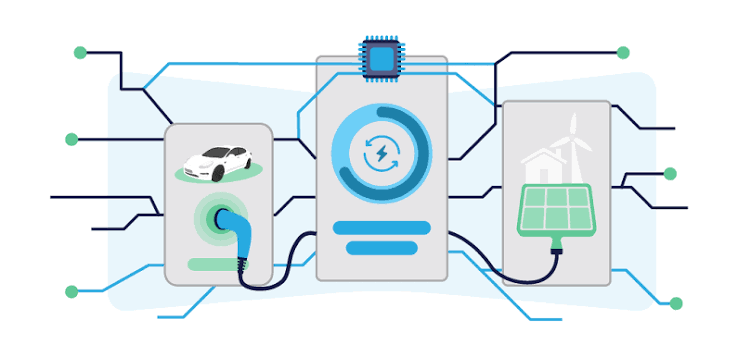
Connected technology also allows for features like remote vehicle monitoring, where owners can check battery status, pre-condition the cabin temperature, or locate charging stations directly from a smartphone app. Some EVs are also being designed with vehicle-to-grid capabilities, allowing them to store energy and feed it back into the power grid or home during peak demand periods, effectively turning parked vehicles into mobile energy storage units.
Advanced driver assistance systems are also becoming increasingly sophisticated in electric vehicles, with many models offering features like adaptive cruise control, lane-keeping assistance, and automated parking as standard rather than optional extras. Because EVs are often built on newer digital platforms from the ground up, they tend to integrate these smart features more seamlessly than retrofitted combustion vehicles.
This deep integration of technology is increasingly becoming a key differentiator for buyers, many of whom now weigh a vehicle’s software capabilities and update potential just as heavily as its physical performance and range when making a purchasing decision.
5. Growth of Electric SUVs and Larger Vehicles
Early electric vehicles were largely concentrated in the compact and sedan segments, but that’s changing quickly as manufacturers expand into SUVs, crossovers, and other larger vehicle categories that remain some of the most popular globally.
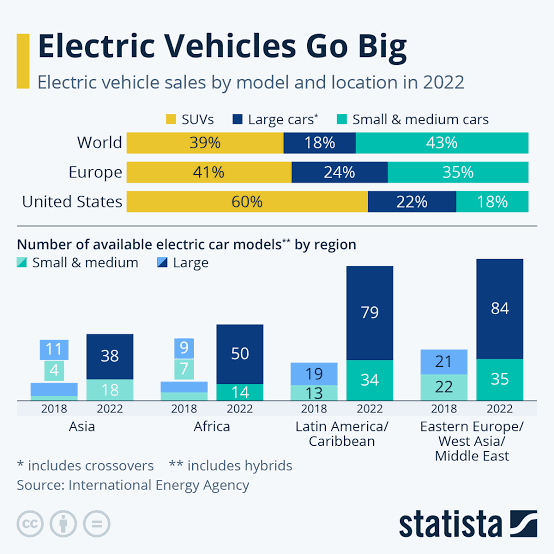
Electric SUVs offer the practicality and space that many families and individual buyers look for, combined with the environmental and running-cost benefits of electric power. As battery technology improves and vehicles become more efficient, manufacturers are increasingly able to offer larger electric vehicles without significantly compromising on range, further broadening the appeal of EVs across different vehicle categories and use cases.
This expansion into larger vehicle segments is also unlocking new use cases beyond personal transportation. Electric trucks and vans are increasingly being adopted for commercial and delivery purposes, where lower running costs and reduced maintenance requirements offer meaningful savings over a fleet’s lifetime.
As charging infrastructure for larger vehicles continues to develop, and as battery capacity improves further, the range of practical applications for electric SUVs, trucks, and vans is expected to keep growing, moving electric power well beyond its early reputation as a technology suited only to smaller, lighter vehicles.
6. Emergence of Battery Swapping Technology
While traditional charging remains the dominant method for powering electric vehicles, battery swapping is emerging as an alternative approach, particularly for two-wheelers and commercial fleets. Instead of waiting for a vehicle to charge, battery swapping allows drivers to exchange a depleted battery for a fully charged one at a swapping station within minutes.
This approach is gaining particular traction in the two-wheeler and where minimizing downtime is critical for commercial operations. Battery swapping networks are especially relevant in densely populated urban areas where space for home charging may be limited. As this infrastructure continues to develop, it offers a complementary solution alongside traditional charging, particularly suited to vehicles with high daily usage and limited time for extended charging soaps.

Battery swapping also offers an interesting advantage in terms of ownership models, since some providers allow customers to purchase a vehicle without the battery, then subscribe to a swapping service instead. This can significantly lower the upfront cost of an EV, since the battery is often one of the most expensive components of the vehicle.
As standardization efforts around battery sizes and swapping station designs progress, this model has the potential to expand beyond two-wheelers into other vehicle segments, offering yet another flexible option alongside traditional home and public charging.
7. Increased Focus on Sustainable Manufacturing
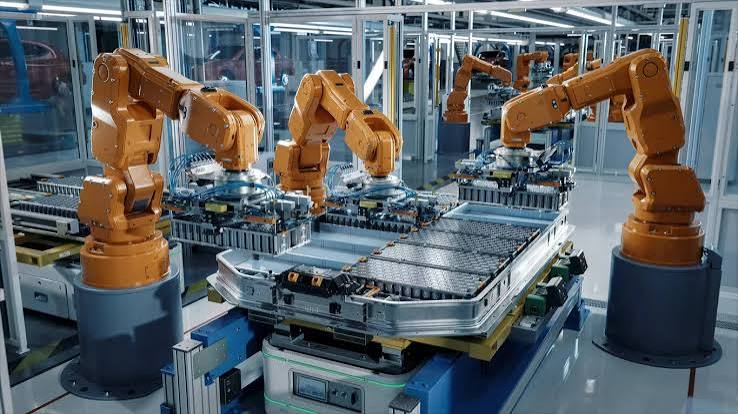
As the EV industry matures, attention is expanding beyond the vehicles themselves to the sustainability of the manufacturing process. Battery production, in particular, has come under scrutiny due to the environmental impact of mining raw materials like lithium, cobalt, and nickel. In response, manufacturers are increasingly investing in more sustainable sourcing practices and battery recycling programs.
Recycling technology for EV batteries is advancing to allow valuable materials to be recovered and reused, reducing the need for new raw material extraction over time. Some manufacturers are also exploring alternative battery chemistries that rely less on scarce or ethically challenging materials. This growing focus on sustainable manufacturing reflects a broader recognition that the environmental benefits of electric vehicles need to extend across their entire lifecycle, not just their time on the road.
Transparency around supply chains is also becoming a bigger priority for manufacturers and consumers alike, with more companies publishing details about where and how their battery materials are sourced. Some automakers are investing directly in recycling facilities and closed-loop supply chains, aiming to reduce dependence on newly mined materials over time.
As regulations around battery sustainability continue to tighten in major markets, this trend is likely to accelerate further, pushing the entire industry toward manufacturing practices that are cleaner and more responsible from start to finish.
Challenges Still Facing EV Adoption
While the trends above paint an optimistic picture, electric vehicles still face a few hurdles before they can fully replace traditional vehicles on a large scale. Charging infrastructure, while expanding rapidly, is still uneven across regions, with rural and less-developed areas often lagging behind cities in terms of availability. This gap can make electric vehicles ownership less practical for drivers who frequently travel outside major urban centers.
Another challenge lies in the electricity grid itself. As more EVs are added to the road, the demand for electricity, particularly during peak charging hours, is expected to rise significantly. Utility companies and governments are increasingly focused on grid modernization efforts to ensure that power supply can keep pace with this growing demand, especially as more vehicle-to-grid technology comes into play.
Affordability, while improving, is still a barrier for many potential buyers, particularly in price-sensitive markets. Although battery costs continue to fall, the upfront price of an electric vehicles can still be higher than a comparable petrol or diesel vehicle, even accounting for long-term savings on fuel and maintenance. Financing options, government subsidies, and continued advancements in battery manufacturing will likely play a key role in closing this gap over the coming years.
Beyond these broader issues, a few other specific challenges are worth highlighting:
a) Limited resale market and uncertain resale value: Since EVs are still relatively new to many markets, resale values and used-EV markets aren’t as established as they are for traditional vehicles, making some buyers hesitant about long-term value retention.
b) Battery degradation concerns over time: While modern batteries are built to last, buyers still worry about how much range and performance a battery will retain after several years of regular use, especially in extreme climates.
c) Skilled technician shortage: Electric vehicles require specialized knowledge to service and repair, and many regions currently have a limited number of trained technicians and service centers equipped to handle EV-specific issues, which can lead to longer wait times for repairs.
d) Raw material supply constraints: The materials needed for electric vehicles batteries, such as lithium and cobalt, are concentrated in a small number of countries, creating potential supply chain vulnerabilities as global demand for these materials continues to rise.
e) Charging standardization issues: Different manufacturers and regions sometimes use different charging connector types and standards, which can create confusion and inconvenience for drivers, particularly when traveling between regions with inconsistent infrastructure.
f) Range performance in extreme weather: Cold weather in particular can noticeably reduce an EV’s effective range, which remains a practical concern for buyers in colder climates who rely on consistent range estimates for daily planning.
Despite these challenges, the overall trajectory of the EV industry remains strongly positive, with each of these obstacles being actively addressed through ongoing investment, innovation, and policy support of electric vehicles.
Conclusion
These seven trends illustrate just how quickly the electric vehicle industry is evolving. Longer range and better batteries are addressing one of the biggest historical barriers to EV adoption, while expanding charging infrastructure is making ownership more convenient than ever. Falling prices are opening up the market to a broader range of consumers, and smart technology integration is transforming EVs into connected, continuously improving vehicles.
At the same time, the growth of electric SUVs and larger vehicles is expanding the appeal of EVs across more vehicle categories, while battery swapping technology offers a practical alternative for specific use cases like two-wheelers and commercial fleets. Finally, a growing focus on sustainable manufacturing ensures that the environmental benefits of electric vehicles extend beyond just their operation.
Together, these trends paint a picture of an industry that’s rapidly maturing, moving from a niche alternative to a genuine mainstream option for drivers around the world. As technology continues to advance and infrastructure continues to expand, electric vehicles are increasingly positioned to become the standard choice for future drivers, rather than the exception.
For anyone considering the switch to electric, or simply curious about where the automotive industry is headed, these seven trends offer a useful lens for understanding the pace and direction of change. What once felt like a distant, futuristic shift is now unfolding in real time, one battery breakthrough, one new charging station, and one more affordable model at a time.
Frequently Asked Questions
Q: Are electric vehicles cheaper to maintain than petrol or diesel cars? A: Generally, yes, EVs have fewer moving parts, no oil charges, and less wear on brakes due to regenerative braking, which typically results in lower long-term maintenance costs.
Q: How long does it take to fully charge an electric vehicle?
A: It depends on the charger type. Fast chargers can charge a significant portion of the battery in under an hour, while home chargers typically take several hours, often used overnight.
Q: How long does it take to fully charge an electric vehicle?
A: It depends on the charger type. Fast chargers can charge a significant portion of the battery in under an hour, while home chargers typically take several hours, often used overnight.
Q: Are electric vehicles suitable for long-distance travel?
A: Yes, increasingly so. With growing fast-charging networks and improved battery ranges, long-distance EV travel is becoming much more practical than it was a few years ago.
Q: Will electric vehicles become more affordable in the coming years?
A: Yes, most industry experts expect EV prices to continue falling as battery costs decrease and manufacturing scales up, potentially reaching price parity with petrol/diesel vehicles.


