

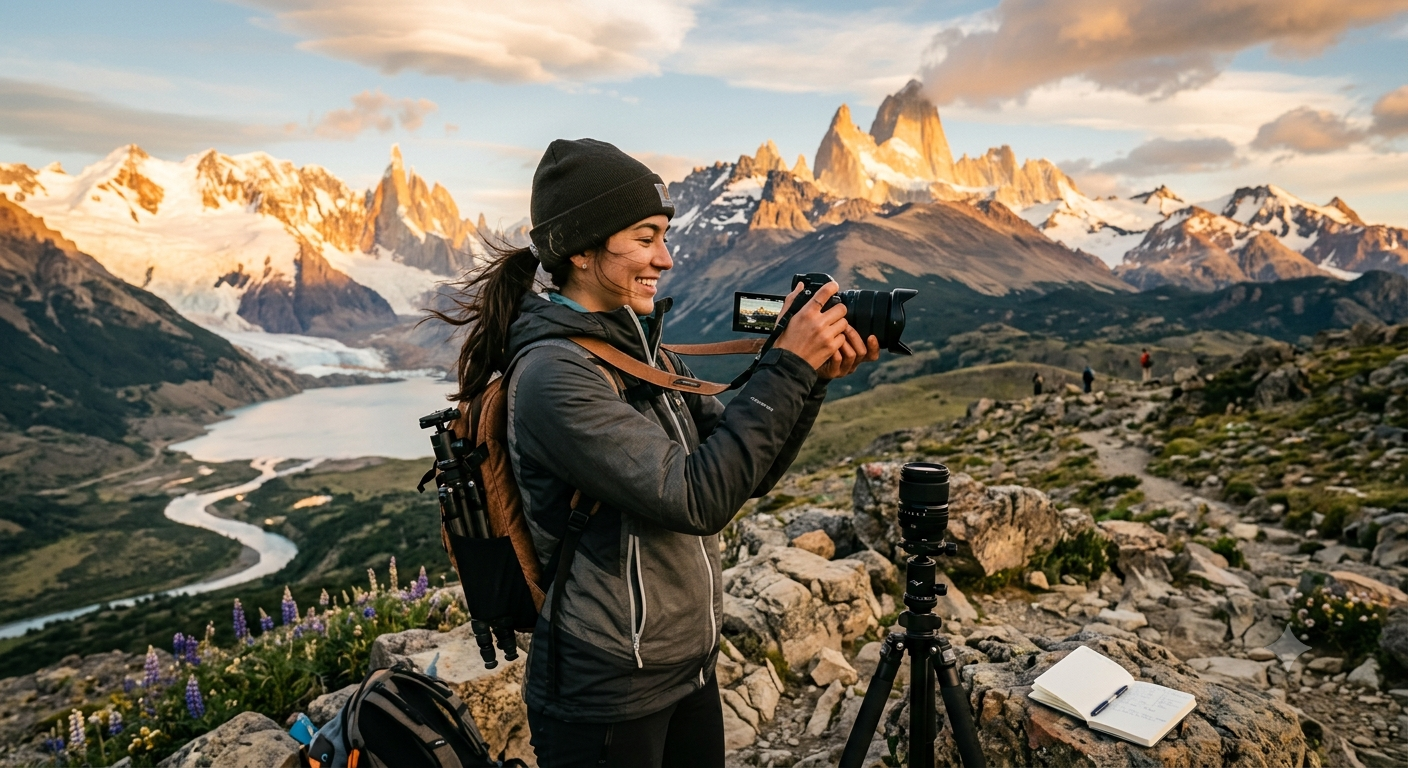
If you’re planning your next adventure, these practical photography tips will help you capture stunning pictures and create memories you’ll love looking back on.
Travel is full of moments you wish you could hold on to forever. It could be a beautiful sunset over the ocean, a quiet street in an unfamiliar city, a delicious meal at a local café, or a spontaneous moment with the people you meet along the way. These experiences make a trip special, and photographs give you a way to relive them long after you return home.
Table of Contents
1. Plan Your Photography Before You Travel
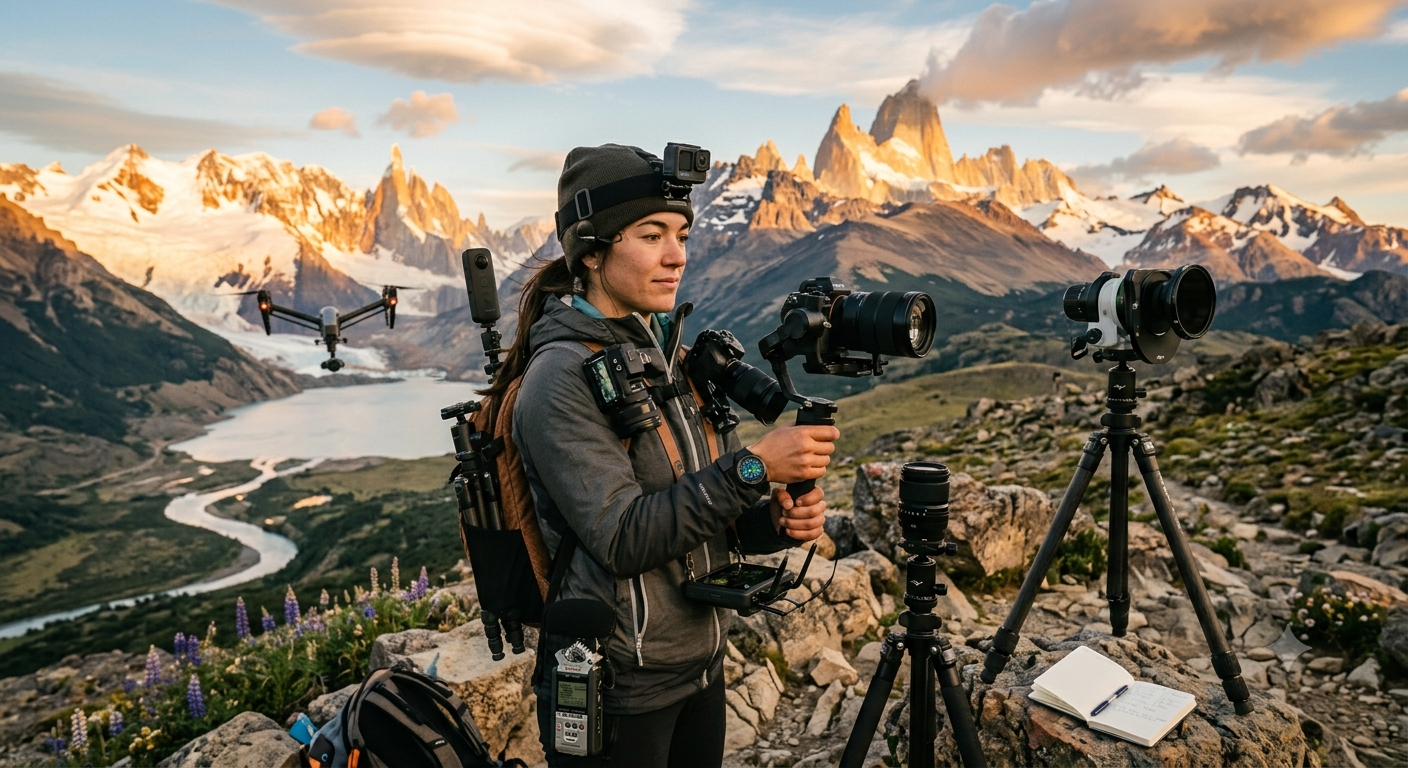
The first of many photography tips is given below:
A little planning can make your trip more enjoyable and help you capture better photographs. Before leaving home, spend some time researching your destination. Look for scenic viewpoints, interesting neighborhoods, historic buildings, local markets, and places known for their beautiful views.
Travel blogs, destination guides, and social media can provide plenty of inspiration. Save a few locations you’d like to visit and add them to your itinerary.
It’s also worth checking sunrise and sunset times. Visiting a popular attraction early in the morning can help you avoid crowds and enjoy softer lighting.
However, don’t plan every minute of your trip around taking pictures. You might discover a charming café, stumble upon a colorful street, or witness a beautiful sunset during an ordinary evening walk.
Leave enough free time to explore without a fixed plan.
2. Make the Most of Natural Light
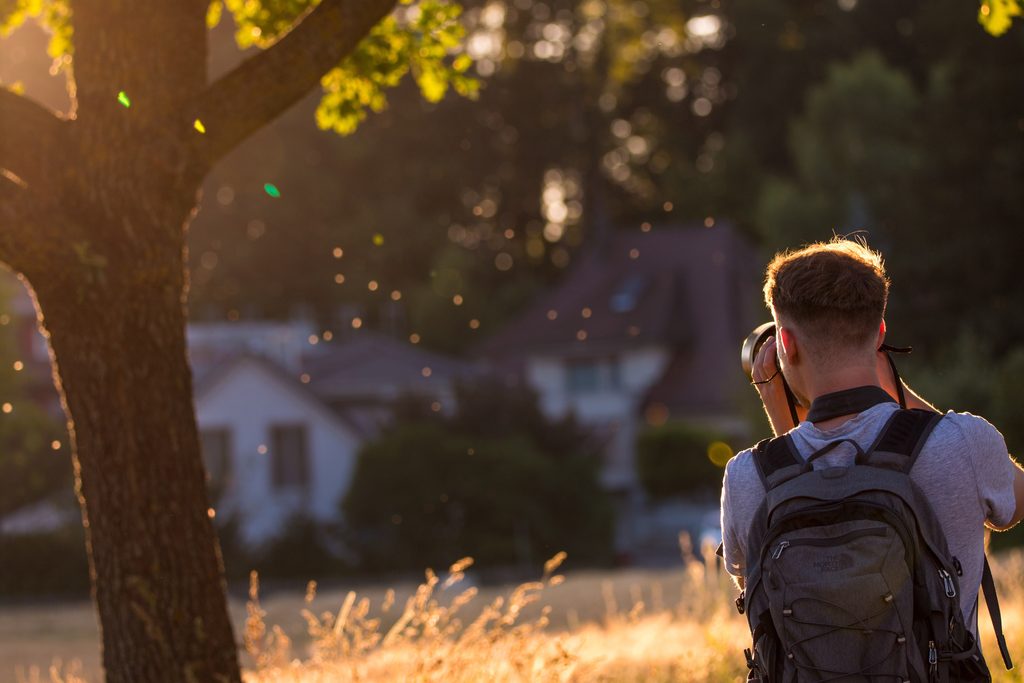
The second of many photography tips is given below:
Good lighting can completely change the way a photograph looks. Even an ordinary location can become beautiful when photographed at the right time.
This period occurs shortly after sunrise and before sunset, when sunlight becomes softer and warmer.
Golden-hour lighting works beautifully for landscapes, portraits, beaches, mountains, and historic buildings. It creates gentle shadows and brings out natural colors without the harshness of midday sunlight.
Blue hour is another great time to experiment. This is an excellent opportunity to photograph bridges, skylines, and busy streets.
If you cannot choose when to visit a location, look for shaded areas during the middle of the day.
Pay attention to how sunlight falls on your subject. Sometimes, moving a few steps to one side can make an image look much more interesting.
3. Choose the Right Camera and Equipment
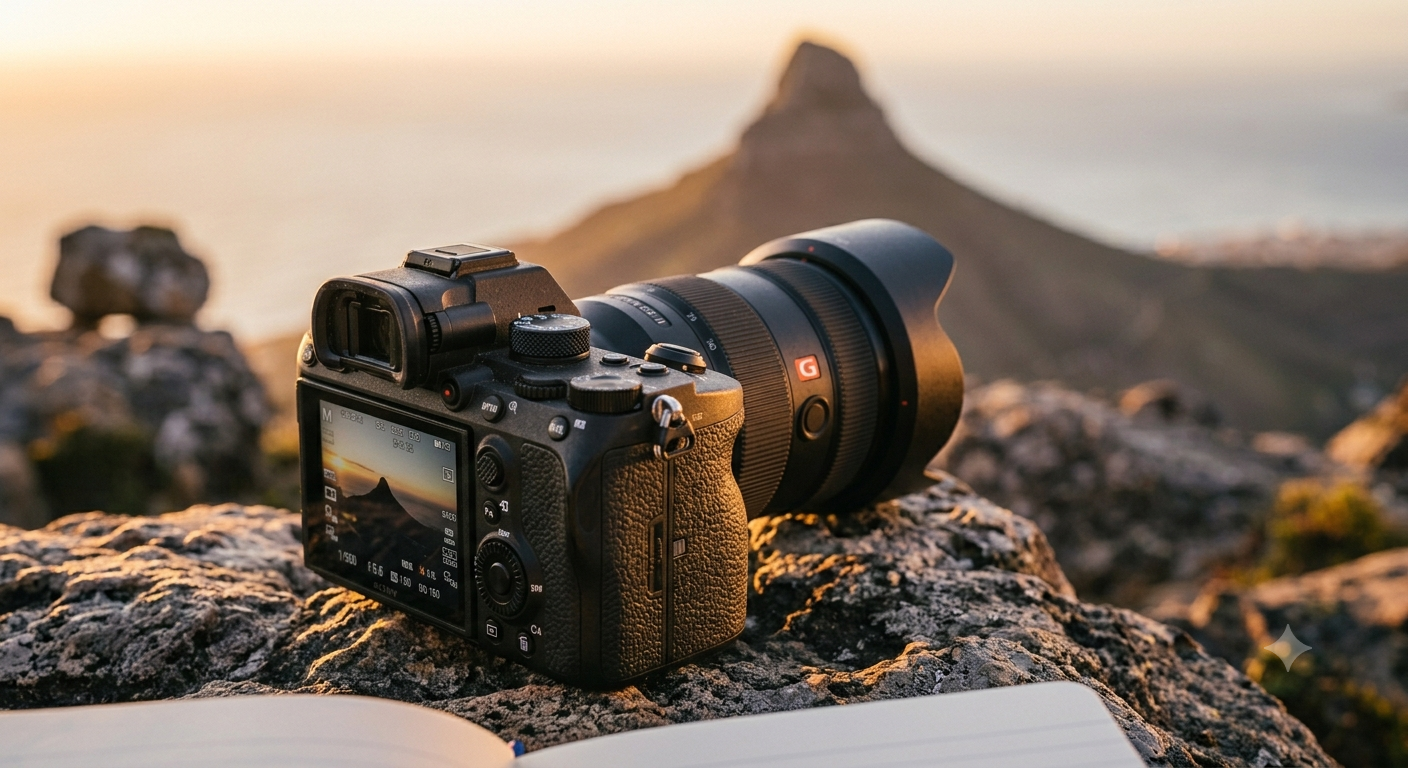
The third of many photography tips is given below:
The best equipment is often the equipment you feel comfortable using and can easily carry throughout your journey.
Smartphones are excellent for everyday photography because they’re lightweight, convenient, and capable of producing impressive results.
Before packing, think about the kind of trip you’re planning. A weekend city break may require nothing more than your smartphone, while a wildlife adventure might benefit from a dedicated camera and telephoto lens.
A few useful accessories that are part of many photography tips include:
- Extra batteries: Helpful when you’re exploring all day.
- Memory cards: Make sure you have enough storage for photographs and videos.
- A lightweight tripod: Useful for night photography and long exposures.
- A microfiber cloth: Keeps your camera lens clean.
- A power bank: Essential if you’re using your phone for navigation and photography.
Avoid packing equipment you probably won’t use. Carrying too much can become tiring, especially when you’re walking long distances.
Before leaving, charge your devices, clean your lenses, and check your available storage. A little preparation can save you from missing an unforgettable moment.
4. Improve Your Composition
The fourth of many photography tips is given below:
Composition is the way you arrange the elements within a photograph. A well-composed image naturally guides the viewer’s attention toward the subject. This is one major tip out of many photography tips that everyone follows.
One of the easiest techniques to try is the rule of thirds. Placing your subject along these lines or near their intersections can create a balanced image.
For example, when photographing a beach, position the horizon in the upper or lower third rather than automatically placing it in the center.
Before pressing the shutter, check the background. A distracting sign, random object, or unwanted element can take attention away from an otherwise beautiful photograph.
These photography tips are useful starting points, but remember that rules are not meant to limit creativity. A centered subject can look wonderful when photographing symmetrical buildings or reflections.
5. Capture the Local Culture
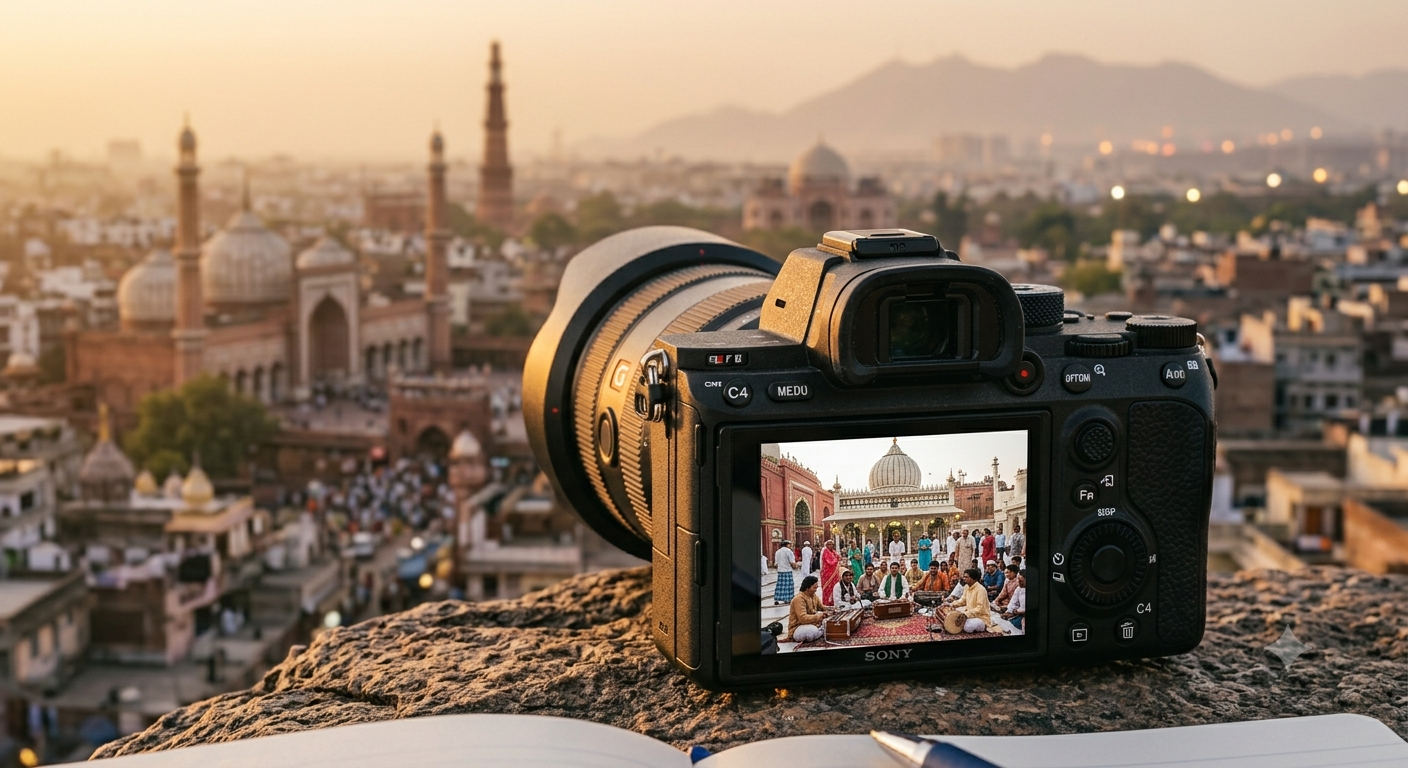
The fifth of many photography tips is given below:
Famous landmarks are worth photographing, but the everyday details of a destination often tell a more personal story.
These scenes reveal the character of a place in ways that tourist attractions alone cannot.
Take your time to observe what’s happening around you. Notice the colors, textures, and interactions that make the destination unique.
When photographing local people, be respectful. Ask permission when appropriate, especially for close-up portraits, and respect anyone who doesn’t want to be photographed. Photography rules and cultural expectations can vary between locations.
6. Experiment With Different Angles
The 6th of many photography tips is given below:
Changing your perspective can help you see familiar places differently.
Instead of always shooting at eye level, try crouching down to include interesting details in the foreground. Look upward when photographing tall buildings, or find a higher viewpoint to capture patterns in a busy street.
Reflections in puddles, lakes, and windows can create striking images, especially after rainfall. You can also include flowers, rocks, or winding paths in the foreground to add depth to landscape photographs.
7. Make Better Use of Your Smartphone Camera
The 7th of many photography tips is given below:
You don’t need to carry a separate camera to capture beautiful travel memories. With a little practice, your smartphone can handle many everyday photography situations.
These simple photography tips can help you get more from the camera you already own, without spending money on additional equipment.
8. Tell a Story Through Your Photographs
The 8th of many photography tips is given below:
A travel album becomes much more interesting when it tells the story of your journey rather than simply collecting pictures of famous places.
Think of your photographs as a visual diary.
Start with a few wide shots that introduce the destination. This might be a mountain landscape, a busy city street, or the view that greeted you when you arrived.
Next, capture the experiences that made the trip special. Photograph the places you explored, the food you tried, the activities you enjoyed, and the people you met.
9. Learn the Basics of Camera Settings
The 9th of many photography tips is given below:
Understanding a few camera settings can help you take better pictures in different situations.
Aperture: This controls how much light enters the lens and affects how much of the scene appears in focus. A wider aperture can create a blurred background that makes portraits stand out.
Shutter speed: This determines how long the camera captures light. Faster shutter speeds help freeze movement, while slower speeds can create attractive motion effects in waterfalls and moving traffic when the camera is stabilized.
If you’re using a smartphone, many of these settings may be adjusted automatically. That’s perfectly fine for beginners.
Start with the basics, practice in different lighting conditions, and gradually experiment with manual controls when you’re ready.
10. Edit Your Photos Without Overdoing It
The 10th tip of many photography tips is given below:
Applications such as Adobe Lightroom and Snapseed offer useful tools for beginners and experienced photographers alike.
Start with simple adjustments. Crop distracting edges, brighten shadows, reduce overly bright highlights, and correct the white balance.
In 2026, AI-powered editing tools can help with noise reduction, subject selection, and removing unwanted distractions. Use them thoughtfully, particularly when documenting real people, cultural events, or wildlife.
11. Back Up Your Travel Memories
The 11th tip of many photography tips is given below:
Imagine returning home from an incredible trip only to discover that your favorite photographs have disappeared because your phone was lost or damaged. It’s a situation worth avoiding.
Make backing up your photographs part of your travel routine. Depending on your internet connection and storage options, you can use cloud storage or an external drive.
12. Photograph Responsibly
The 12th of many photography tips is given below:
Beautiful photographs should never come at the expense of people, wildlife, or the environment.
When visiting natural attractions, stay on designated trails and avoid disturbing animals for a better shot. Follow photography restrictions at museums, religious sites, heritage locations, and private properties.
Conclusion
Travel photography is about much more than getting the perfect shot. It’s about noticing the world around you, discovering new places, and preserving the moments that make each journey unforgettable.
As you explore new destinations in 2026, keep practicing, stay curious, and remember to enjoy the experience beyond the camera. The photography tips discussed above are important. These photography tips will help you get good photos at the right time.
FAQs
Below are the FAQs related to the photography tips. Consider these photography tips very important:
Q. What are the best photography tips for travel beginners?
A. Start by learning to recognize good lighting, keeping your camera lens clean, and composing your pictures carefully. Experiment with different angles and photograph a mixture of landscapes, portraits, and small details. Most importantly, practice regularly with the equipment you already own.
Q. Can I take good travel photos with a smartphone?
A. Absolutely! Modern smartphones can capture excellent travel photographs for personal albums, blogs, and social media. Clean the lens, tap to focus, adjust exposure when necessary, and make the most of natural light.
Q. What is the best time of day for travel photography?
A. Early morning and late afternoon are excellent times because the light is generally softer and warmer. Golden hour works especially well for landscapes and portraits, while blue hour is ideal for cityscapes. Cloudy days can also provide flattering light for street photography.
Q. Which camera is best for travel photography?
A. The best camera depends on your needs and budget. Smartphones are convenient for everyday photography, mirrorless cameras offer flexibility and advanced controls, and DSLRs remain excellent options for photographers who already own them. Choose equipment that you enjoy using and can comfortably carry.
Q. How can I take professional-looking travel photos with my phone?
A. Use natural light, clean your lens, compose carefully, and experiment with different perspectives. Avoid excessive digital zoom and unnecessary filters. Simple editing adjustments to brightness, contrast, and color can also make your photographs look more polished.
Q. What camera settings should I use for travel photography?
A. There is no single setting that works for every situation. Use a fast shutter speed to freeze movement, a wider aperture for portraits with blurred backgrounds, and a suitable ISO for the available light. For landscapes, prioritize sharp focus and sufficient depth of field.
Q. How can I take travel photos without crowds?
A. Visit popular attractions early in the morning or during quieter periods. Explore nearby streets, look for alternative viewpoints, or focus on architectural details and smaller scenes. Always follow local rules and avoid unsafe locations to get a clear shot.
Q. Which apps are best for editing travel photos?
A. Adobe Lightroom and Snapseed are popular choices for adjusting exposure, color, contrast, and composition. Other mobile editing apps offer filters and AI-assisted tools. Choose an application that suits your needs, and avoid making so many changes that the photograph loses its natural appearance.
Q. How do I protect my travel photos from being lost?
A. Back up your photographs regularly using a reliable cloud service or external storage device. Keep enough free space on your phone or camera, organize your images by destination or date, and verify that your backups are complete before deleting originals.
Q. How can I make my travel photographs more memorable?
A. Focus on telling a story rather than simply collecting pictures of famous landmarks. Capture local culture, spontaneous moments, meaningful interactions, beautiful landscapes, and small details that remind you of the experience. Combine wide shots with close-ups and photograph the moments that genuinely matter to you.


