

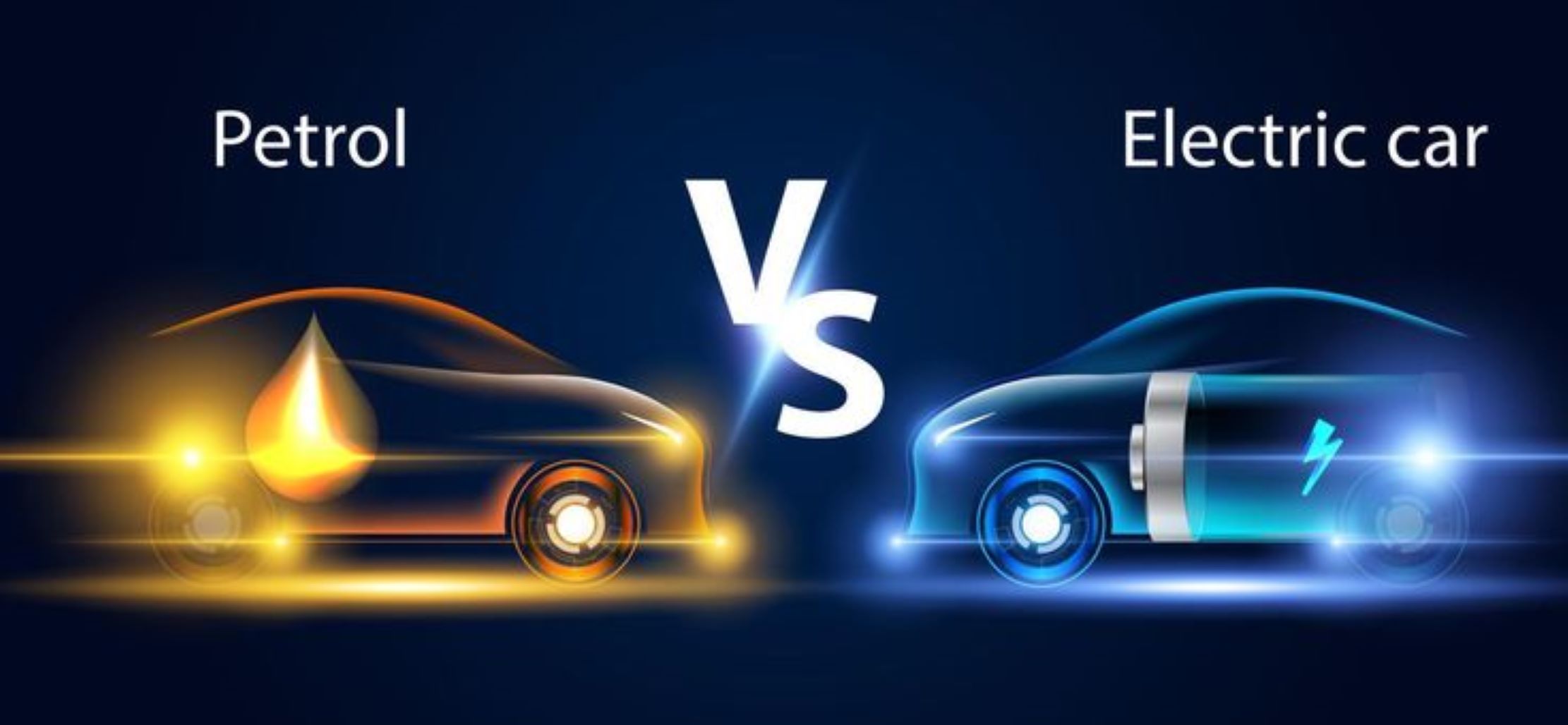
Are electric vehicles finally better than fuel cars in 2026? Dive into our complete side-by-side comparison to find out. Our detailed buying guide uncovers key differences in upfront sticker prices, tax incentives, and insurance rates. Read our unbiased breakdown to confidently choose the vehicle that fits your lifestyle, driving habits, and budget.
Table of Contents
Introduction
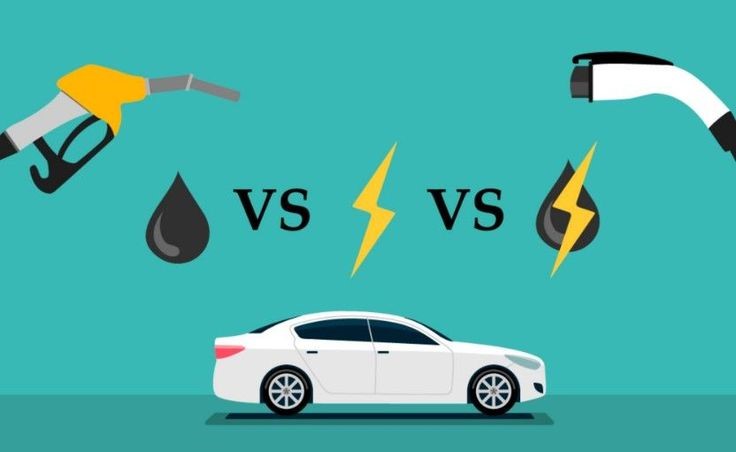
The automobile industry is undergoing one of its transformations as Electric cars have started gaining popularity. Since petrol prices and environmental concerns are rising, things are shifting towards the economical viewpoint of adapting to electric cars. Technology is making it possible to adapt to this new drive, but there are still a few things that are condemning this thing to be executed.
The government is helping the population to adapt to electric vehicles through incentives in insurance and purchase. Buying a car is not like buying bread; it requires a lot of funds, and thus a focused and analyzed decision should be taken before buying an automobile, as it is an investment and cannot be reversed for some people. Earlier, people used to decide between the models, but now, as the availability of electric cars has increased, it has raised confusion in the minds of buyers.
People, before taking a decision between electric cars and fuel cars, consider a few questions, such as what is the cost benefit of buying electric cars, what is the charging cost, what is the storage of the battery, how long it can travel, what is the maintenance cost, what is the benefit in the long run, what subsidies they are getting, etc. So, a consumer, when satisfied with these results, then takes a decision related to what should be implemented.
This article explores every difference that you should compare before buying an automobile. Just experience the answers to every question and doubt that can be raised.
What are electric cars?
Electric cars are the vehicles powered by electric motors instead of internal combustion engines. In an easy way, if explained, electric cars are automobiles that do not run on petrol or diesel; they run on batteries that are charged through electricity. These batteries are rechargeable at battery ports that can also be seen on public roads.
These automobiles are not only cost-effective and safe for the environment, as they result in less air and noise pollution, but are also automobiles that include modern technologies like digital screens, regenerative braking, and driver assistance systems, which make the ride comfortable.
What are fuel cars?
Fuel cars are the cars that run on petrol and diesel, or we can say on non-renewable modes of energy. These fuel cars have dominated the automobile industry for years and are still the most popular, as there is enough infrastructure available related to them. In every part of the kilometer, you will find petrol and diesel stations, which is not likely in the case of charging stations.
At present also, the population is generally investing in fuel cars rather than electric cars, for which they have their valid points. The fact that is making people shift to electric automobiles is the heavy petrol prices that are increasing at another rate. The government has also standardized Ethanol-blended petrol in the country, which people are commenting on, resulting in less mileage of vehicles. With that, environmental concerns are also there.
Electric Cars vs Fuel Cars: A Deep Comparison
Purchase Price
Talking from the point of view of prices, being honest, electric cars are costly than fuel ones. That is due to the components that are in electric cars, but as the government wants people to accept electric automobiles, they are providing various incentives, subsidies, tax benefits, etc., resulting in less cost in some regions. These government incentives are the forces that are attracting buyers to go towards electric cars, as when compared in price, fuel cars are much cheaper than electric ones.
Fuel cars come at a low cost in different models. A beginner who does not want to invest much amount in this can buy fuel cars according to their limits, but it is not the only factor, as it is only the cost of owning it. If talking from the point of view of different other factors, there are many factors that are related to its running.
Long-Term Cost of Electric Cars vs Gas Cars
When we are evaluating the comparison between electric and petrol cars, it is important to make a comparison of the long-term cost of electric cars vs gas cars.
The long-term cost of electric cars over gas cars favours electric cars, as they require much less maintenance than gas ones. Gas cars can cost less when buying, but their repairing costs and running costs are high, which makes them costlier in the long run.
Is Charging an EV Cheaper Than Buying Gas?
The biggest question arises: is charging an EV cheaper than buying gas? So, the answer is yes. Charging an EV is cheaper than buying gas, as it is cost-efficient to charge an EV at home rather than filling the tanks at petrol, diesel, and gas stations. Charging a battery can cost more at charging stations, but at home, it is really cost-efficient.
Drivers who travel the same distance daily can benefit after buying an EV, as they can save their costs by regularly charging at home.
EV vs ICE Maintenance Costs Comparison on Backgrounds
The maintenance of EVs is lesser than fuel ones, as fuel ones have various moving parts than electric ones, so they require third services, replacement, and maintenance. Electric cars do not include some parts, so they do not require:
- Clutch repair
- Engine oil change
- Timing belt replacement
EV batteries are required to be changed after a point of time, but now companies are launching new models that can work for the long term. However, fuel cars require maintenance costs related to oil changes, filters, coolant replacement, gearbox servicing, and various engine-related repairs, so that will add to the costs.
Performance and Driving Experience
Electric cars provide instant torque, resulting in quick acceleration and smooth driving. Their quick starting and smooth driving are the best things for cities. Starting from the viewpoint of noise, they do not produce high noise compared to fuel ones. They provide a smooth driving experience, and comfort is the same in both fuel and electric cars.
Long-distance journeys are not possible through electric ones in India, as there is still less infrastructure like vehicle charging stations, which is the basic requirement of electric cars. Even if there are fast chargers, there is still time required to charge the battery, which makes long journeys uncomfortable. However, fuel cars are best for long journeys, as India has enough petrol and diesel stations on roads, making the journey efficient.
If it is to be concluded, then electric vehicles are comfortable but not for long journeys in India, as it does not have enough infrastructure in some regions to charge the battery. So, a person who travels a lot should invest in fuel cars rather than electric cars.
In a situation where a person has no option but to travel through an electric vehicle, they can see the availability of public charging stations on the sites and plan the journey according to it.
Environmental Impacts
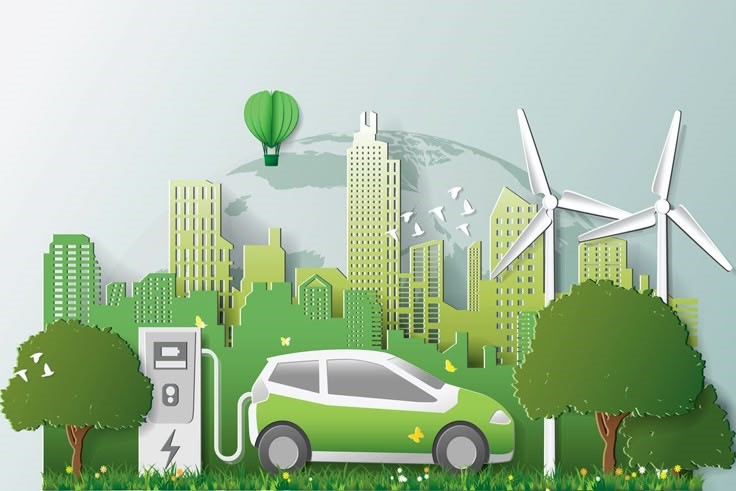
It is clear from the point of view of environmental impacts that electric ones do not cause as much damage to the environment as fuel ones. Fuel ones produce tailpipe emissions, leading to a reduction in urban air quality, whereas electric cars are safer for the environment as they do not emit gases and reduce noise pollution as they do not produce engine noises.
Fuel vehicles release carbon dioxide and other pollutants during combustion, contributing to climate change and air pollution. Some persons comment that EVs also cause pollution, as battery manufacturing has environmental impacts, but in the long term, it has very less environmental impacts.
Electric Cars vs Fuel Cars: A Comparison on Convenience
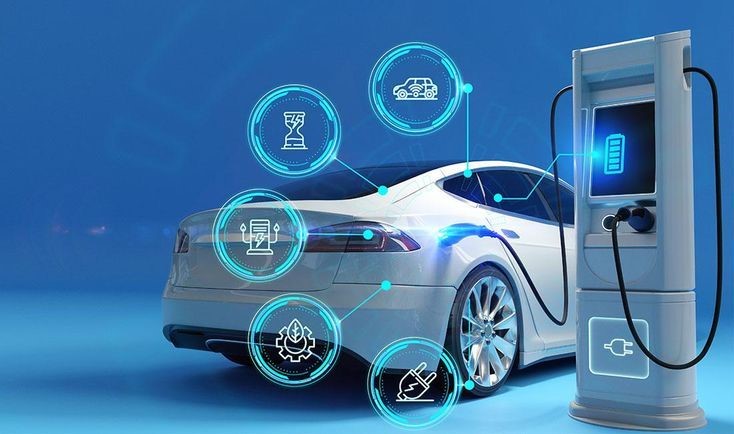
Talking from the viewpoint of convenience and practicality, a decision regarding electric cars vs fuel cars can be taken. The following are:
Purchasing an electric car can be ideal if:
- The person is going to drive in the city, not for long journeys.
- They can charge it at home.
- Someone wants the running cost to be lower.
- Someone prefers quieter driving.
A fuel car can be cost-effective and convenient:
- If the person frequently goes on long-distance journeys,
- and during the journey they have less time,
- quick refueling is required.
- Someone who has less access to home charging
- has a lower budget to purchase.
So, what it clears is that the decision cannot be pushed to someone; it depends on everyone’s convenience, as everyone’s lifestyle and comfort are different. Their viewpoints are different, so taking a decision from the viewpoint of your lifestyle is important. A person has to take time to understand what they can expect from an automobile and how the automobile can provide them comfort. Based on that, they should take a decision whether electric cars are good or fuel cars for them.
Advantages of Electric Cars Over Fuel Cars
Describing from the article the long-term cost of electric cars vs gas, electric cars are cost-effective in the long run, as when EV vs ICE maintenance costs are compared, the results revealed that electric automobiles require less maintenance. So, in short, electric vehicles require less maintenance cost than fuel ones.
The other advantage is that charging an EV is cheaper than buying gas when it is charged at home, as public charging stations are limited and require slightly more cost than home charging.
Epilogue
This article was about the comparison between electric and fuel cars, with some points about gas ones. So, it was concluded that the decision of choosing between electric cars vs fuel cars lies in the lifestyle of buyers, as their comfort is important. In the comparison of the long-term cost of electric cars vs gas, electric ones have really low fuel and maintenance costs. So, when EV vs ICE maintenance costs are compared, in the case of electric ones, the advantage is that charging an EV is cheaper than buying gas.
From the viewpoint of the article and writer, all decisions depend on the buyers. If the buyer wants to invest less budget in buying, travel a lot on long distances, and has no access to home charging, they can move towards fuel cars. But a person who travels the same distance over time and wants to save costs can shift to electric automobiles, as they can be charged at home and the government is providing subsidies to make these cars affordable.
FAQs
What are electric cars?
Electric cars are the vehicles powered by electric motors instead of internal combustion engines. In an easy way, if explained, electric cars are automobiles that do not run on petrol or diesel; they run on batteries that are charged through electricity. These batteries are rechargeable at battery ports that can also be seen on public roads.
What are fuel cars?
Fuel cars are the cars that run on petrol and diesel, or we can say on non-renewable modes of energy. These fuel cars have dominated the automobile industry for years and are still the most popular, as there is enough infrastructure available related to them. In every part of the kilometer, you will find petrol and diesel stations, which is not likely in the case of charging stations.
What is cost-efficient: charging an EV or refueling gas?
yes. Charging an EV is cheaper than buying gas, as it is cost-efficient to charge an EV at home rather than filling the tanks at petrol, diesel, and gas stations. Charging a battery can cost more at charging stations, but at home, it is really cost-efficient.
What is the infrastructure in India related to EVs?
Long-distance journeys are not possible through electric ones in India, as there is still less infrastructure like vehicle charging stations, which is the basic requirement of electric cars but have enough infrastructure for the fuel cars like petrol and diesel stations.


