

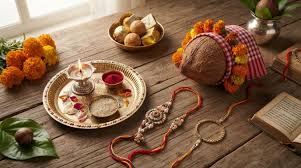
Rakhi is celebrated across almost every household in India, but the festival looks remarkably different depending on which state you are in. While most of us picture a sister tying a thread on her brother’s wrist, several Indian states have their own distinct customs layered on top of this in which some tied to sister-in-law, some to the sea, and some to entirely different communities altogether. Here are seven regional Rakhi traditions beyond the familiar ritual.
Table of Contents
- Lumba Rakhi – Rajasthan
- Narali Purnima (Coconut day) – Maharastra
- Salono – Haryana and Punjab
- Avani Avittam – South India
- Jhulan Purnima – West Bengal, Odisha, and Bihar
- Janopunya and Shravani – Uttrakhand
- Van Raksha Bandhan
- Why These Regional Customs Matter
- Conclusion
- FAQs
1. Lumba Rakhi – Rajasthan
In most of India, Rakhi is only tied to a brother’s wrist. But in Rajasthan, particularly among the Marwari community, the celebration extends a step further with the Lumba Rakhi — a decorative rakhi tied not to the brother, but to the bangle of his wife, the bhabhi (sister-in-law).
The word “Lumba” comes from the Marwari language and means “bangle,” which explains why this rakhi is designed to be tied around a bangle rather than a wrist. Unlike the simple threads used for brothers, Lumba Rakhis are far more ornate, often featuring beads, tassels, and small charms, closely resembling jewelry more than a festival thread.
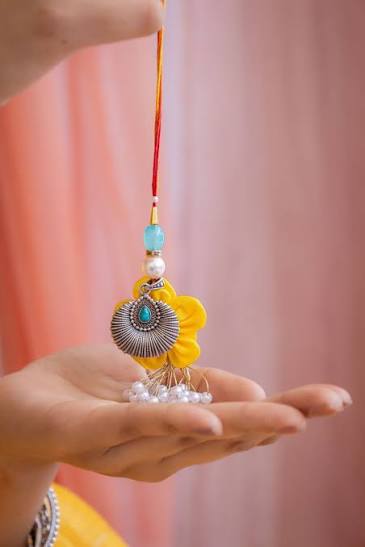
The tradition carries a clear message — welcoming the sister-in-law into the family as more than an extension of the brother, but as someone who deserves her own place of respect and inclusion in the celebration. Over the years, this custom has spread well beyond Rajasthan and Gujarat, and today, many families across India buy a Lumba Rakhi alongside the regular one, without even being aware of its Rajasthani roots.
Narali Purnima (Coconut Day) – Maharastra
Along the Konkan coast of Maharashtra, Rakhi shares its date with a very different kind of festival — Narali Purnima, also known as Coconut Day. For Maharashtra’s Koli fishing community, this day isn’t primarily about siblings at all — it’s about the sea.
“Narali” comes from the Marathi word for coconut, and on this day, fishermen offer coconuts to the sea to honor Varun Dev, the god of water, seeking his blessings for a safe and prosperous fishing season. This ritual also marks a practical turning point — Narali Purnima traditionally signals the end of the monsoon season, after which fishing communities consider it safe to head back out to sea.
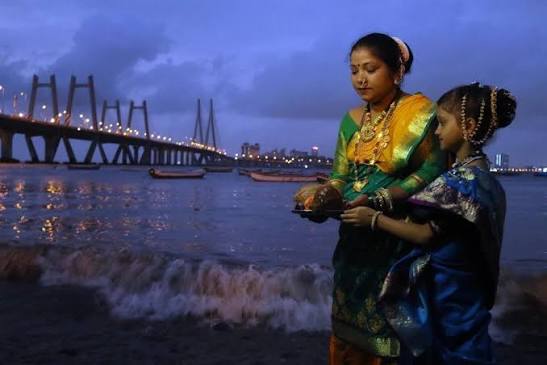
Boats are decorated with garlands and painted afresh, nets are repaired, and families prepare coconut rice as the traditional dish of the day. It’s a striking example of how the same full-moon day (Shravan Purnima) that most of India associates purely with sibling love is, for an entire coastal community, a day rooted in gratitude toward nature and the start of their livelihood.
Salono – Haryana and Punjab
In Haryana and parts of Punjab, Rakhi day is also known as Salono, and it comes with a ritual most outsiders have never heard of. On this day, a family priest visits homes and ties a colored protective thread, or amulet, around the wrists of everyone in the household — not just siblings.
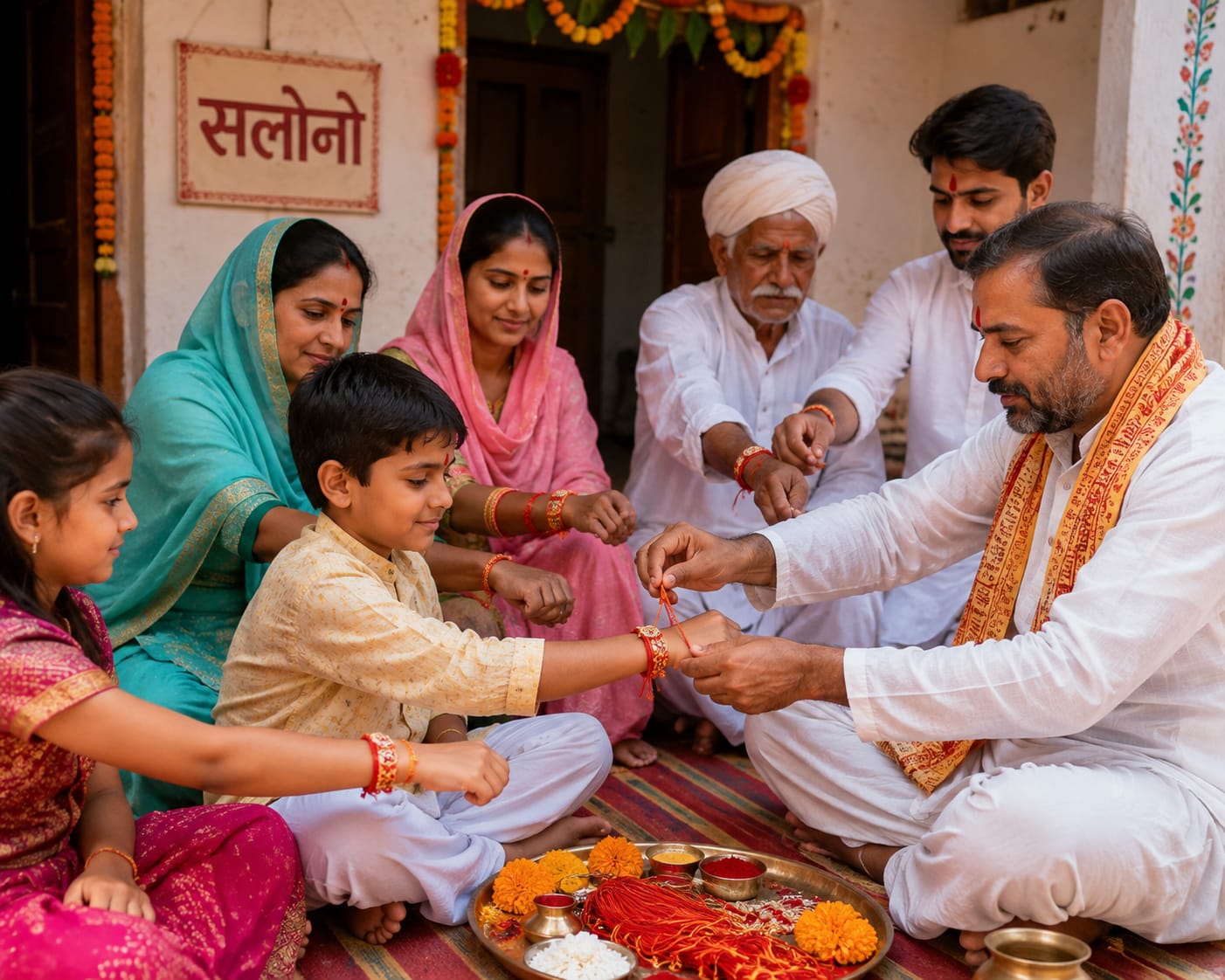
While the standard Rakhi ritual between brothers and sisters still takes place, Salono adds a layer of communal protection to the day. The priest’s charm-tying ceremony is meant to ward off evil and bring general well-being to the entire family, not just the sibling relationship being celebrated.
This regional variation is a good reminder that Raksha Bandhan’s core meaning — protection — was never limited strictly to brothers and sisters. In these states, the “bond of protection” extends symbolically to the whole household through the priest’s blessing.
4. Avani Avittam – South India
In states like Tamil Nadu, Kerala, Andhra Pradesh, and parts of Karnataka, the same full-moon day is observed as Avani Avittam, and it looks nothing like the Rakhi celebration most of India recognizes.
Avani Avittam is primarily significant for Brahmin communities, who use this day to perform the Upakarma ceremony — the ritual changing of the sacred thread (janeu or yagnopaveetam) worn across the chest by men who have undergone the thread ceremony. The old thread is replaced with a new one, accompanied by prayers and rituals meant to cleanse the mind and renew one’s commitment to Vedic learning and discipline.
Unlike the rest of the country, where the day centers on the sister-brother bond, Avani Avittam is more of a personal and spiritual renewal ritual. It’s a clear example of how the same calendar date can carry an entirely different cultural meaning depending on the region and community observing it.
Jhulan Purnima – West Bengal, Odisha, and Bihar
In West Bengal, Odisha, and parts of Bihar, the day coincides with Jhulan Purnima, a festival devoted to Lord Krishna and Radha rather than siblings. The word “Jhulan” refers to a swing, and on this day, idols of Krishna and Radha are often placed on decorated swings as part of the celebration.
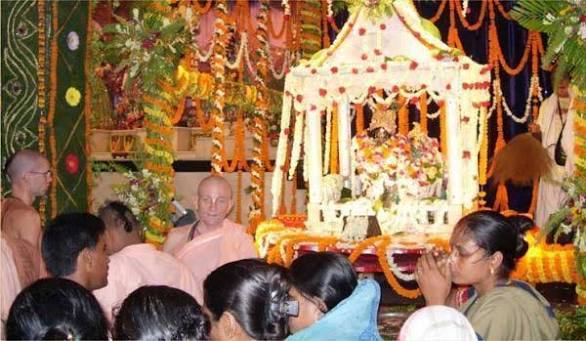
What makes this tradition particularly interesting is its broader, more inclusive interpretation of “protection.” In some parts of these states, rakhis aren’t only tied to brothers or close relatives — they’re also tied to trees, as a symbolic gesture of protecting nature. This practice reflects an older, more expansive understanding of Raksha Bandhan — one where the “thread of protection” isn’t limited to human relationships at all.
6. Janopunya and Shravani – Uttrakhand
In Uttarakhand, particularly in the Kumaon region, Raksha Bandhan is celebrated alongside Janopunya, giving the festival an important spiritual dimension beyond the usual sibling ritual. On this day, people traditionally change the sacred thread, or janeu, as part of a ritual of purification and renewal.
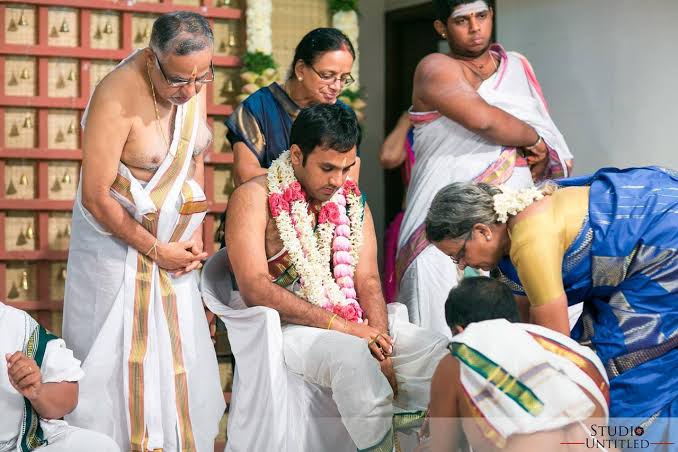
The occasion is also associated with religious practices such as bathing in sacred rivers, offering prayers, and performing rituals for ancestors and sages. In some areas, priests also tie a sacred raksha sutra around the wrists of devotees as a symbol of protection and blessings. The combination of Raksha Bandhan with Janopunya shows how the same full-moon day can represent both family bonds and spiritual renewal in the Himalayan communities of Uttarakhand.
7. Van Raksha Bandhan – Jharkhand
In parts of Jharkhand, particularly among tribal communities, Raksha Bandhan takes an unusual turn toward protecting nature. Instead of limiting the ritual to brothers and sisters, women and villagers tie sacred threads or rakhis around trees, especially forest trees, and take a pledge to protect them from being cut down.
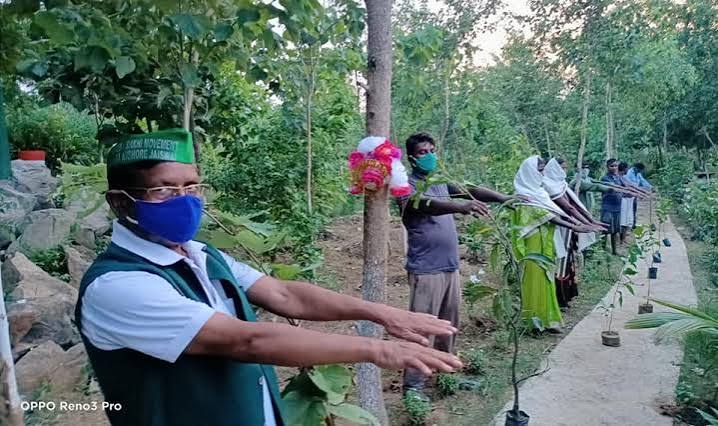
The practice is often described as Van Raksha Bandhan or a form of Vriksh Raksha Bandhan. It reflects the deep relationship that many forest-dependent communities have with nature, where trees are regarded as an essential part of their livelihood and environment. By tying a rakhi to a tree, the traditional idea of “protection” is extended from people to the natural world itself, turning Raksha Bandhan into a symbolic promise to safeguard forests and the environment.
Why These Regional Customs Matter
What ties all five of these traditions together is a simple idea: Raksha Bandhan has never been a single, uniform festival across India. The thread-tying ritual most of us grew up with is just one version of a day that means very different things depending on where you’re standing — whether that’s a fishing village on the Konkan coast, a Brahmin household preparing for Upakarma, or a Bengali courtyard with a swing set up for Krishna and Radha.
Understanding these regional layers doesn’t just make for interesting trivia — it’s a reminder of how diverse and adaptable Indian festivals are. The same full moon that brings out coconuts in Maharashtra brings out sacred threads in Tamil Nadu, and priests going door-to-door in Haryana. Each version has been shaped by local livelihoods, religious practices, and community priorities, yet all of them share the same underlying spirit of protection, gratitude, and connection.
Conclusion
Raksha Bandhan is often described as simply “the festival of brothers and sisters,” but as these five traditions show, that description barely scratches the surface. From the ornate Lumba Rakhi of Rajasthan to the coconut offerings of Maharashtra’s fishing communities, and from priestly blessings in Haryana to sacred thread renewals in the South, India’s regional diversity turns a single festival into dozens of distinct celebrations. The next time Rakhi comes around, it’s worth remembering that somewhere else in the country, someone might be celebrating a version of this day you’ve never even heard of.
Frequently Asked Questions
- What is Lumba Rakhi?
Lumba Rakhi is a decorative rakhi tied to a sister-in-law’s bangle rather than a brother’s wrist, originating from Rajasthan’s Marwari community as a gesture of including her in the family celebration. - Why is Narali Purnima celebrated on the same day as Raksha Bandhan?
Both fall on Shravan Purnima, the full moon day of the Hindu month of Shravan. For Maharashtra’s fishing communities, this day also marks the end of monsoon and the start of the fishing season, celebrated by offering coconuts to the sea. - What happens during Salono in Haryana and Punjab?
A family priest ties a protective amulet around the wrists of everyone in the household, in addition to the usual sibling rakhi-tying ritual, symbolizing protection for the whole family. - Is Avani Avittam the same as Raksha Bandhan?
Not quite. Avani Avittam falls on the same day but is a separate ritual observed mainly by Brahmin communities in South India, centered on renewing the sacred thread rather than celebrating sibling bonds. - What is Jhulan Purnima?
Jhulan Purnima is a festival honoring Lord Krishna and Radha, celebrated in West Bengal, Odisha, and Bihar around the same time as Raksha Bandhan, sometimes including the symbolic practice of tying rakhis to trees.


