

Introduction
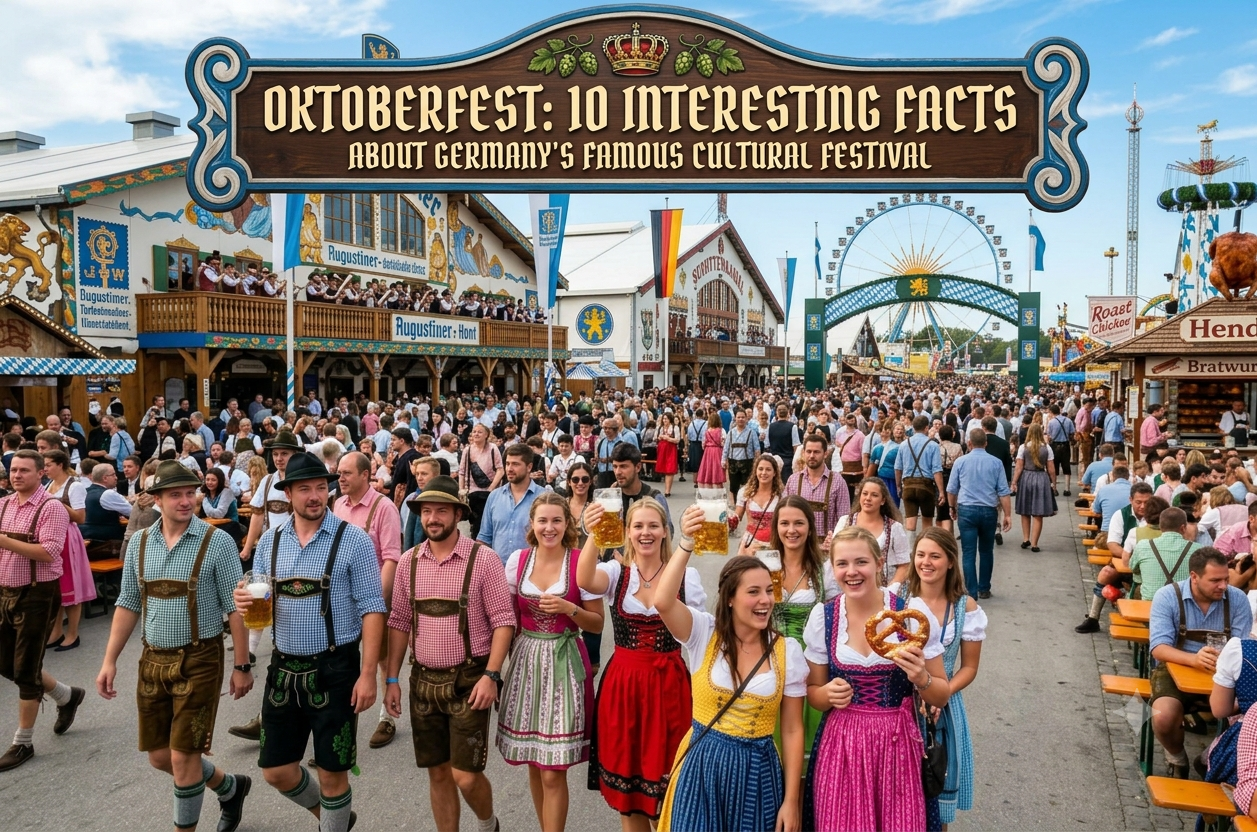
Oktoberfest is one of the world’s most famous cultural festivals, attracting millions of visitors who want to experience German traditions, traditional food, lively music, and a unique celebration of Bavarian culture. Held annually in Munich, Germany, this festival has grown from a royal wedding celebration into an internationally recognised event that brings people together from different countries. Although Oktoberfest is widely associated with beer, it offers much more than drinks.
Visitors can explore traditional costumes, enjoy amusement rides, watch parades, taste regional dishes, and learn about Bavaria’s rich cultural heritage. Whether you are interested in German history, planning to attend Oktoberfest Germany, or simply curious about international festivals, learning about it reveals why this celebration remains so popular. In this article, we will explore 10 interesting facts about Oktoberfest, including its origins, traditional beer, famous attractions, cultural significance, and global influence.
Table of Contents
1. Oktoberfest Began as a Royal Wedding Celebration
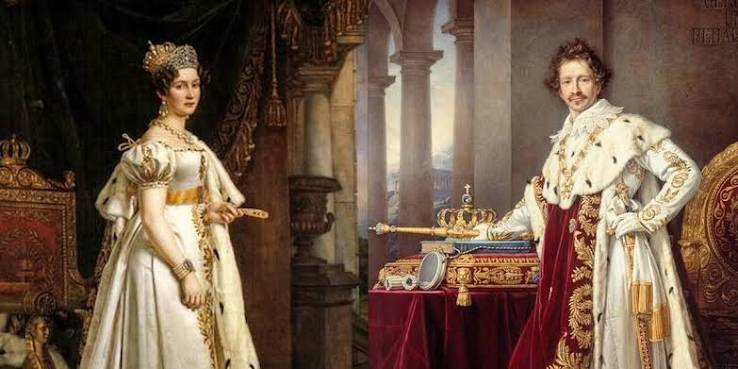
One of the most interesting facts about the festival is that it began as a royal wedding celebration in 1810. The original event was organised to celebrate the marriage of Crown Prince Ludwig of Bavaria, who later became King Ludwig I, and Princess Therese of Saxe-Hildburghausen. The celebration took place on October 12, 1810, in a large open area outside Munich. Citizens were invited to participate in festivities that included horse races, entertainment, and public celebrations.
The event was so successful that organisers decided to repeat it the following year. Over time, the celebration developed into an annual tradition, eventually becoming the Oktoberfest that people recognise today. The festival grounds were named Theresienwiese in honor of Princess Therese. Its transformation from a royal wedding celebration into a major international festival demonstrates how cultural traditions can evolve over generations.
2. Oktoberfest Usually Starts in September
Despite its name, Oktoberfest does not take place entirely in It. The festival usually begins in September and ends during the first weekend of October or on October 3, depending on the calendar. The schedule was adjusted over time to take advantage of September’s generally milder weather and longer daylight hours. These conditions make it more comfortable for visitors to explore the festival grounds, enjoy outdoor attractions, and participate in various activities.
It typically runs for around two weeks, although the exact duration varies from year to year. This is a useful detail for anyone planning an Oktoberfest trip because travelers should check the official dates before booking accommodation or arranging transportation. Visitors can enjoy the changing season while experiencing Bavarian food, music, and traditions.
3. Oktoberfest Is Held in Munich, Bavaria
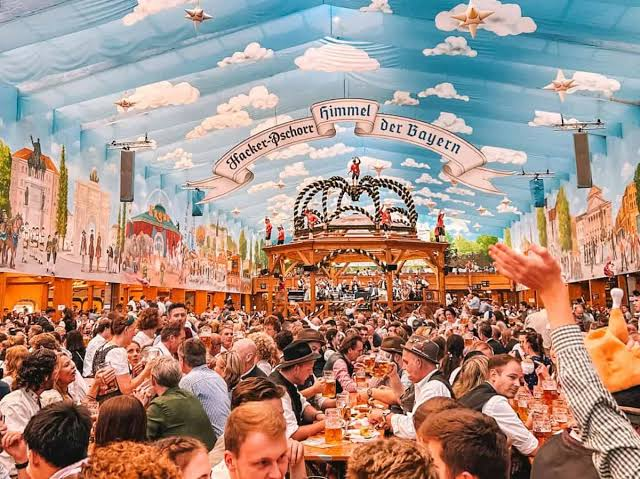
Travelers come to experience traditional Bavarian hospitality, taste regional dishes, listen to folk music, and explore the atmosphere of one of Europe’s best-known celebrations. Munich’s public transportation system helps visitors travel to and from the festival grounds. However, the city becomes especially busy during the festival, so planning transportation and accommodation in advance is helpful.
The surrounding city also offers plenty of opportunities to explore German culture beyond the festival. For anyone interested in Oktoberfest Germany, Munich is the central destination because it is home to the original festival and its long-standing traditions.
4. Oktoberfest Beer Follows Special Traditions
Beer is one of the most recognisable features of the festival, but the festival’s beer traditions are more specific than many people realize.
Official Oktoberfest beer is generally associated with Munich breweries that meet the festival’s established requirements. These breweries produce beers connected to Munich’s brewing heritage, and their products are served in the festival’s authorised large tents. Oktoberfest beer is commonly a rich, golden lager with a malty flavor, although the exact characteristics vary by brewery and style.
It is traditionally served in a large one-liter glass mug known as a Maß. The beer tents are important social spaces where visitors sit together, enjoy food, listen to music, and celebrate. People searching for the best Oktoberfest beer may encounter different recommendations because taste is subjective. Some visitors prefer a malty flavor, while others enjoy a lighter and more refreshing beer. It is worth remembering that Oktoberfest is a cultural festival, not just a beer event. Visitors can enjoy many aspects of the celebration without drinking alcohol, and nonalcoholic beverages are also available.
5. Traditional Bavarian Clothing Is an Important Part of the Festival
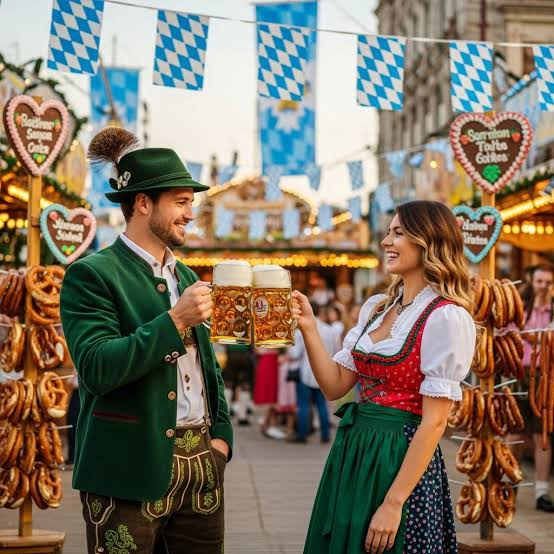
Traditional clothing is another memorable feature of Oktoberfest. Many visitors wear Bavarian outfits to celebrate the region’s history and show appreciation for its cultural traditions. The two most recognisable outfits are the Dirndl and Lederhosen. A Dirndl is a traditional dress commonly worn with a blouse and apron. Lederhosen are leather shorts or trousers traditionally associated with Bavarian and Alpine men’s clothing. These outfits are popular during the festival, particularly among visitors who want to experience an authentic Bavarian atmosphere. However, wearing traditional clothing is entirely optional.
Some visitors purchase traditional outfits before traveling to Munich, while others shop at local stores during their visit. Festival-inspired clothing and accessories can also make memorable Oktoberfest gifts for friends and family. One important detail is that these outfits are not simply costumes created for tourists. They have connections to regional dress traditions, although modern Oktoberfest fashion has developed its own styles. For visitors interested in cultural experiences, learning about Bavarian clothing adds another layer of meaning to the festival beyond its food and entertainment.
6. Oktoberfest Offers Much More Than Beer Tents
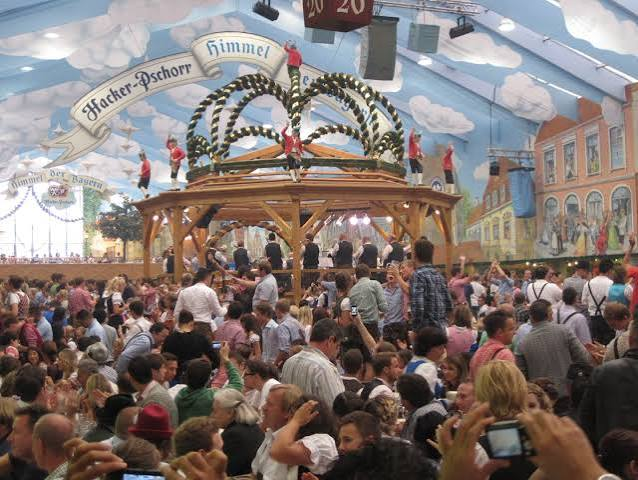
Oktoberfest is also one of the most exciting places to enjoy traditional fairground attractions. The festival grounds feature amusement rides, games, food stalls, and entertainment suitable for different age groups. Visitors can enjoy Ferris wheels, roller coasters, carousels, funhouses, and other attractions. These activities create a carnival atmosphere that makes Oktoberfest appealing to families, couples, and groups of friends. The fairground tradition dates back to the early years of the festival. In 1818, a carousel and two swings were introduced, helping establish the entertainment side of Oktoberfest.
Over the following decades, additional attractions transformed the event into a large public fair. Today, the combination of historic customs and modern rides makes the festival distinctive. Visitors can spend time inside a traditional beer tent, enjoy a regional meal, and then explore the amusement area. The historic Oide Wiesn, meaning “Old Oktoberfest,” offers another experience. This area emphasises traditional music, historical rides, folk dancing, and a more nostalgic atmosphere. Admission rules and charges for this section can differ from those for the main festival grounds. If you are planning a visit, consider setting aside time for both the cultural attractions and the fairground rides. Oktoberfest has something to offer even if you are not interested in beer.
7. Traditional Food Is a Major Part of Oktoberfest
Food is an essential part of the Oktoberfest experience. The festival provides an opportunity to discover traditional Bavarian dishes while enjoying the lively atmosphere.
Some popular foods include:
Roast chicken (Hendl): A classic festival meal often served with crispy skin and savory seasoning.
Pretzels (Brezn): Large, twisted baked breads with a golden crust, commonly enjoyed as a snack.
Bratwurst: Traditional German sausages that are often served with bread or mustard.
Obatzda: A Bavarian cheese spread commonly served with bread or pretzels.
Roast pork: A hearty regional dish that may be accompanied by dumplings or other traditional sides.
Apple strudel: A pastry filled with apples, sugar, and spices, often served as dessert.
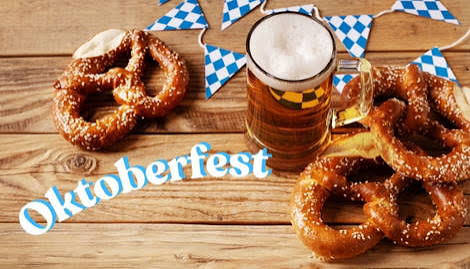
Food stalls and festival tents offer a variety of meals, snacks, and sweets. Visitors can also find vegetarian options and other dishes, although availability varies by location. Traditional food helps preserve the cultural identity of Oktoberfest. Recipes, ingredients, and serving styles connect the celebration to Bavarian home cooking and regional hospitality. For travelers who enjoy discovering new cuisines, trying local dishes can be one of the most rewarding parts of the festival. You do not need to drink beer to enjoy Bavarian food and experience the celebration.
8. The Festival begins With Special Opening Ceremonies
Oktoberfest does not officially begin with visitors simply entering the festival grounds. Its opening includes traditional ceremonies that mark the start of the celebrations. One of the best-known moments is the tapping of the first beer keg by Munich’s mayor. This ceremony takes place in the Schottenhamel festival tent, and the mayor announces “O’zapft is!”, a Bavarian expression meaning “It’s tapped!”
The tradition began in 1950, when Munich Mayor Thomas Wimmer tapped the first keg. Since then, the ceremony has become an important part of the festival’s opening day.
Another important event is the traditional costume and riflemen’s parade. Participants include people wearing regional clothing, marching bands, riflemen, and groups representing Bavarian traditions. Decorated horse-drawn carriages associated with the breweries also contribute to the spectacle. These ceremonies connect the modern festival with its history and provide visitors with an opportunity to witness local customs. For photographers and cultural enthusiasts, the opening events can be particularly interesting. However, popular areas may become crowded, so visitors should check the official program and plan their arrival accordingly.
The ceremonies also demonstrate that Oktoberfest is not simply a commercial attraction. Its public traditions remain an important part of Munich’s cultural life.
9. Oktoberfest Has Inspired Celebrations Around the World
Although the original It takes place in Munich, its popularity has inspired similar celebrations in many other countries. Communities around the world organise Oktoberfest-themed events featuring German food, traditional clothing, folk music, and beer.
These celebrations allow people to experience aspects of Bavarian culture without traveling to Germany. The size, schedule, and traditions of each event vary depending on the organisers and local customs. In India, for example, people may encounter German-themed food and beer events in cities such as Goa and Bengaluru.
Searches for Oktoberfest Goa and Oktoberfest Bangalore can help people discover local celebrations, depending on which events are organised that year. However, these local events are not necessarily official branches of the Munich festival. Anyone planning to attend should check the organiser’s website, event dates, age restrictions, and ticket information.International celebrations also introduce German culture to new audiences. Visitors can discover traditional music, sample German-inspired food, and learn about Bavarian customs in a familiar setting. For people who cannot travel to Germany, a local celebration can be a convenient alternative. However, the original Munich Oktoberfest remains the most famous destination for experiencing the festival’s historical traditions.
10. Millions of Visitors Attend Oktoberfest Every Year
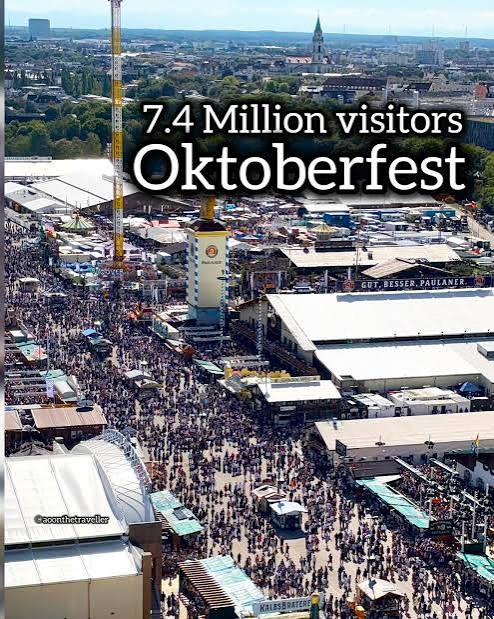
It is widely recognised as the world’s largest folk festival. It attracts millions of visitors during its annual run, making it an important event for Munich’s tourism industry and local economy. Visitors come from across Germany and other parts of Europe, as well as Asia, North America, and many other regions. Some attend to experience Bavarian culture, while others come for the food, entertainment, traditional clothing, or social atmosphere. The festival requires extensive preparation. Workers construct temporary tents, install rides, prepare food stalls, organise entertainment, and coordinate visitor services.
Hotels, restaurants, transportation providers, and local shops also experience increased demand during the festival. If you are searching for its tickets, remember that entry to the main festival grounds and many beer tents is generally free, although rides, food, drinks, and certain special areas cost extra. Some tents offer table reservations, which may have their own booking conditions. Always consult official visitor information before making plans. For people interested in guided experiences, Oktoberfest tours may provide historical information, cultural introductions, or help navigating the busy festival. Compare the itinerary, price, and inclusions before booking a tour. The festival’s enormous popularity shows how a local tradition can become an international attraction while retaining its cultural identity.
Tips for Visiting the First Time
If you are considering attending it in Munich, a little preparation can make your visit more enjoyable.
- Check the official dates: Oktoberfest usually begins in September, so do not rely on the festival’s name alone.
- Book accommodation early: Hotels and other accommodation options can become expensive or difficult to find during the festival.
- Use public transportation: Trains and other public transport are practical ways to reach the festival grounds.
- Explore beyond the beer tents: Enjoy the rides, traditional clothing, food stalls, music, and cultural displays.
- Carry a small bag: Festival security rules restrict the size and type of bags permitted, so check the current regulations.
- Check tent arrangements: Table reservations may be useful during busy periods, but they are not always necessary.
- Respect local traditions: Learning a few Bavarian greetings and understanding festival customs can make the experience more meaningful.
- Celebrate responsibly: If you drink alcohol, do so responsibly, stay hydrated, and arrange safe transportation.
For accurate dates, event details, and visitor rules, consult the official Oktoberfest Munich website at Oktoberfest.de.
Conclusion
The ten facts explored in this article reveal why it is remains so special. Its September schedule, traditional beer, opening ceremonies, Bavarian cuisine, and international influence all contribute to its popularity. Whether you dream of visiting Munich, exploring German traditions, joining an festival celebration in your own city, or simply learning about international festivals, it offers an interesting look at how cultural heritage can bring people together. Its lasting appeal lies in the combination of history, hospitality, entertainment, and shared experiences. That is what makes Oktoberfest one of Germany’s most recognisable cultural celebrations.
FAQs
1. What is Oktoberfest famous for? It is famous for Bavarian traditions, beer tents, traditional German food, folk music, amusement rides, and cultural celebrations.
2. Where is the original Oktoberfest held? The original festival takes place at Theresienwiese in Munich, Bavaria, Germany.
3. Why is Oktoberfest celebrated? Oktoberfest began in 1810 as a celebration of the wedding of Crown Prince Ludwig of Bavaria and Princess Therese.
4. Why does Oktoberfest start in September? The festival was moved to September in 1872 to take advantage of generally milder weather and longer daylight hours.
5. What is Oktoberfest beer?
These beer is a traditional festival beer associated with Munich breweries and is typically a malty lager.
6. What food is popular at Oktoberfest?
Popular foods include roast chicken, pretzels, sausages, Bavarian cheese spreads, roast pork, and apple strudel.
7. Do visitors need Oktoberfest tickets?
Entry to the main festival grounds is generally free. Visitors pay separately for food, drinks, rides, and certain special attractions.
8. What should I wear to Oktoberfest?
Traditional Bavarian clothing includes Dirndls and Lederhosen, but ordinary comfortable clothing is also acceptable.
9. Can I celebrate Oktoberfest outside Germany?
Yes. Oktoberfest-inspired events are organised in many countries, although their dates, programs, and traditions vary.
10.How can I find Oktoberfest events near me?
Search online for “Oktoberfest near me” along with your city name. Check official event websites for dates, prices, age restrictions, and ticket availability.


