

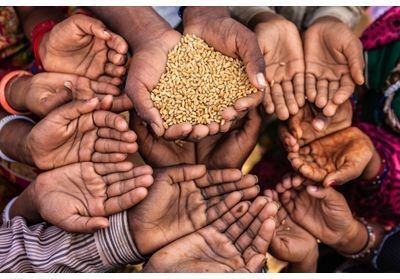
Here in this article, we are going to read about food security in the 21st century and what its challenges and solutions are in the 21st century. India is a highly populated nation; even after the many years of independence, there are many segments of people who are not getting the basic need of life that is food security.
Table of Contents
Introduction to food security in India
Food security is the biggest issue. Even after many years, there are some people who are not getting food two times a day. The nation has moved towards technological advancement, transportation, infrastructure development, and development in agricultural activities, but things have not changed till now. The conditions of many people are the same. There are many people today who are not getting food two times a day. The development is on paper only; in reality, the situation is worse.
Food security does not mean only producing food; that food should be distributed to the people safely, and they should not have to compromise their basic needs to afford it. As the population is increasing tremendously, it is important that all people have access to safe and secure food, and the government should take all the measures to ensure that this basic necessity is available to everyone.
Food is a basic necessity that everyone should get, but things are only shown in data that the nation is building; reality is far different. If the basic need for food is not fulfilled, what can we expect from other things? There is a minimum calorie intake that every person should have, but this is not possible in many areas due to low income, unemployment, unequal distribution, and other factors.
Food Security
You might think, What is food security?, right? It is not only getting food but also getting nutritious food at all times. It should be physically, economically, and socially accessible, and it should meet the needs and preferences of a person. So, people think that if a person is getting food, then he has food security, but people cannot analyze other factors, like whether the food they are getting is safe and secure or not, whether it matches the preferences of the consumer, etc.
Four pillars of food security
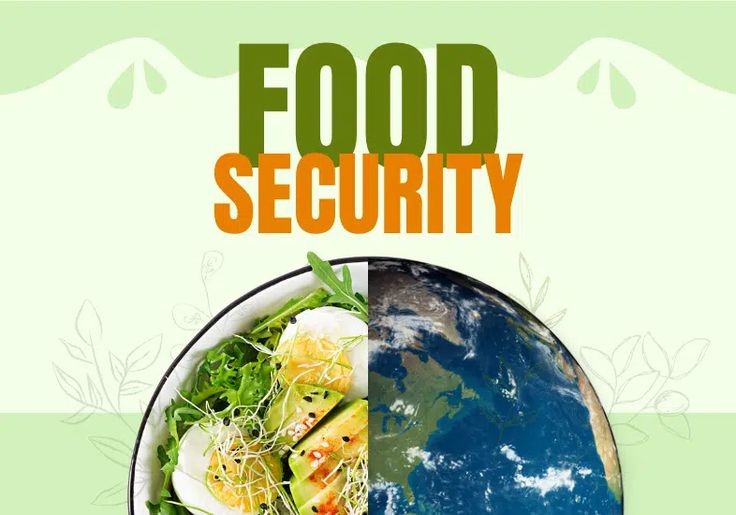
There are four pillars of food security. The first one is availability. The food must be available to the consumer. Through transportation, production, or government schemes, it should reach them.
The second one is utilization. This means that the food you are consuming should be nutritious and safe to consume.
The third pillar is stability. No matter what the situation is, food should reach the consumer on a continuous basis. It should not be the case that during any calamity or crisis, food becomes unavailable to them.
The fourth one is the main one: people should have a level of income that allows them to purchase and obtain food.
If you want only the heading corrected:
Importance of Food Security
Everyone knows the importance of food in life, so food security is directly linked to health. Food is important for the body, just like petrol or diesel is important for cars. The body is able to move and function when it gets food. It is important. Food security is not only important from the point of view of health but also from the point of view of growth.
The benefits of it are that it will reduce hunger rates, which will improve the health of people. A healthy person will be able to work efficiently. Work will provide more income opportunities, and thus it will help in social and political stability.
If it exists, then it will result in malnutrition, an increase in the rate of illness, and poverty in society. People will migrate to different places for better opportunities and cause a rise in population in specific areas.
What are the food challenges in 2026?
Food security is not available to all due to numerous challenges. There are many social, economic, and demographic reasons that stop smooth food security for all the people.
Population Growth
The world’s population is increasing at a very high rate. With the growth of the population, the need for food is increasing, but the resources are limited. There is limited land, food production, and distribution networks, which make it difficult to provide food for all the people. Agricultural land has now started being converted into bad land because of overproduction in that area. Population growth is making it hard to reach all the people.
Water Scarcity
As land is limited, water resources are also limited. The levels of groundwater are decreasing daily. People are not getting safe drinking water, and due to this reason, the availability of water for agricultural land is limited. Not all people are getting enough water for the production of food. The basic reason is the conversion of land into cemented homes, and many people have also cemented their unused land, which is not absorbing rainwater. A large part of the land is being converted into cemented houses, malls, shops, and roads due to the rise in population.
Unequal income distribution
The growing population has led to a rise in unemployment. Many people do not have the basic pay that will fulfill their needs. Due to unequal income distribution, low minimum salary rates, growing globalization, and inflation, people are not able to afford food even when it is available in the market. The prices of food commodities are increasing day by day, and the low-income segment is unable to afford them.
Climate Change
The one basic reason that is making food security hard to make available to all is climate change. Nowadays, due to global warming, the climate is changing. Sometimes, due to disasters and worse climatic conditions, food is not able to be produced or gets damaged. Droughts, floods, excess rainfall during non-rainfall seasons, and rising temperatures are all affecting the crops of an area.
Disturbance in the Supply Chain
Food does not become ready to consume in the same area; it has to travel through the supply chain to reach the end consumer. However, sometimes due to pandemics or calamities, it does not reach the people who are going to consume it. The reasons that disturb the supply of food in the chain are pandemics, natural disasters, fuel shortages, political conflicts, strikes, etc. This can also affect the access to and availability of food.
Food Waste
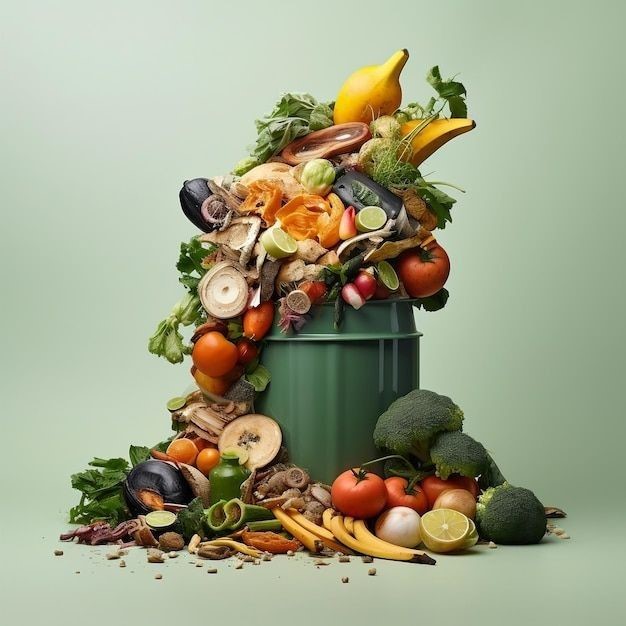
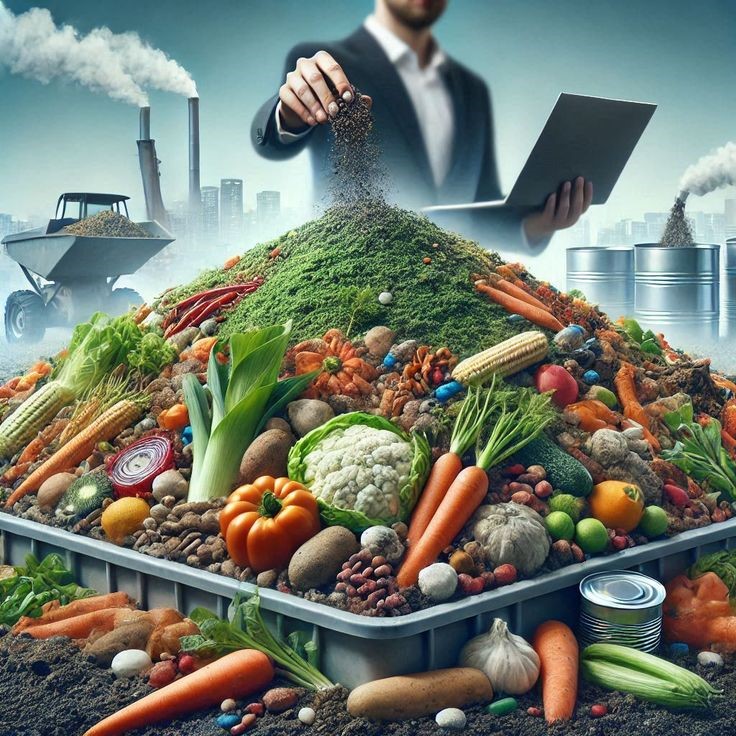
Food security is not prevailing because of one of the biggest reasons: food waste. Every year, many tons of food are wasted due to various reasons. Many people are not getting basic food, while some people of the elite class waste food on a daily basis. Restaurants, Dhaba’s, and hotels make food in large quantities and throw it away when it gets spoiled. Rich people cook food in a large variety and quantity every day, and they throw the excess food into dustbins. This wastage of food is really a curse when many people are not getting even basic food.
The population of India should be aware enough to reduce food wastage. Food security in India is really bad. There are numerous people who sleep hungry. People must reduce food waste so that it can reach the needy ones. Instead of throwing food away, they should distribute it to needy people before it gets spoiled. Hotels and restaurants should tie up with NGOs to send extra food there. If all people take collective efforts, then it will be convenient to improve food security in India.
What Are the Steps India’s Government Is Taking to Ensure Food Security in India?
PDS (Public Distribution System)
The government provides basic food commodities to eligible people at subsidized rates. In every location, there is a PDS where only eligible people can go and get food commodities at marginal and low rates on the dates fixed for that area.
NFSA (National Food Security Act)
The aim of this govt. initiative is to provide food at affordable rates to large quantities of the people.
Agriculture Support Programmes
The production of food is necessary for food security, so the government also has different initiatives to help farmers in production. The government provides loans to farmers at low rates, seeds at low rates, crop insurance, and irrigation facilities for farmers.
Mid-Day Meal
To provide nutritious food to children, the government provides the facility of the Mid-Day Meal Scheme. In this scheme, a complete food chart is prepared according to which cooked food and milk are provided to children up to Class 8 in government schools. This is done to attract children to school and provide them with nutritious food. Now, in many Anganwadis, packets of food commodities are given to mothers and children to fulfill their dietary needs.
How Can Sustainable Agriculture Solve the Problem of Food Insecurity?
Sustainable agriculture can help in providing food security, as it gives a way to balance food production with environmental protection.
Cultivating a variety of crops on the same land can reduce the risk of food wastage due to climate change and changes in crop prices in the market.
A new concept has emerged in the market, which is organic farming. Instead of synthetic fertilizers, if natural products and manures are used on agricultural land, it will not only improve the quality of the soil but also make the crops rich in nutrients.
The land will remain fertile for years if new technologies related to sustainability are used in the soil, such as using natural resources only, stopping the use of chemicals, rotating the crop cycle, and cultivating different types of crops on the same field. This all helps in increasing the fertility of the soil and stops it from being converted into wasteland.
Conclusion
Food security is the basic need of every person. Every person earns to fulfill this need, but as the population is rising to another level, this has created many food challenges in 2026. Food security in India is not available to all the people due to low income, high wastage of food, unequal distribution of income, geographical barriers, sudden changes in climate, etc.
All the other factors cannot be controlled fully, but we can control the one that is food wastage. Every year, tons of food are wasted due to many reasons. So, if every person tries to reduce food waste, then it can help in providing food to other segments of the population. The government should provide food at affordable prices to every segment of society through schemes. Farmers should also use sustainable methods of production to help in the protection of agricultural land.
FAQs (Frequently Asked Questions)
What are the pillars of food security?
The four pillars are availability, access, utilization, and stability.
What is the importance of food security?
Food security is directly linked to health. Food is important for the body, just like petrol or diesel is important for cars. The body is able to move and function when it gets food. It is important. Food security is not only important from the point of view of health but also from the point of view of growth.
What are the plans the govt is implementing for food security?
PDS (Public Distribution System), NFSA (National Food Security Act), Agriculture Support Programmes
What is the biggest challenge in food security?
The biggest challenges are population growth and unequal income distribution.


