

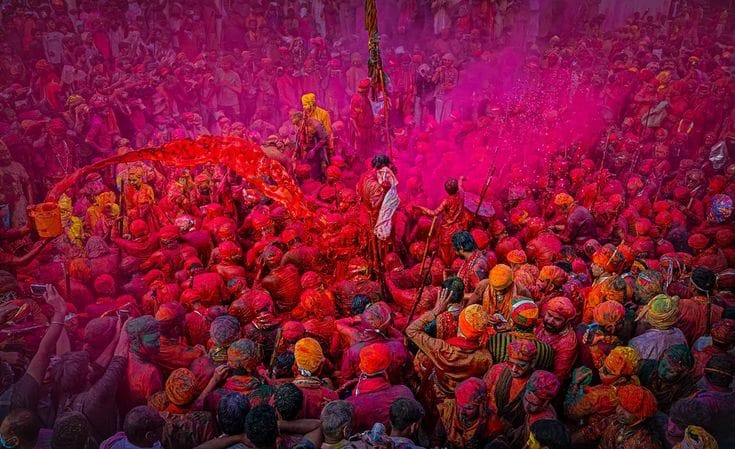
Holi is not just a festival in India; it is an emotion that paints the sky, streets, and hearts in vibrant colors. Known as the festival of colors, Holi marks the arrival of spring and the victory of good over evil. In 2026, Holi continues to hold deep cultural, spiritual, and social significance across India, blending ancient traditions with modern celebrations.
From temple rituals and bonfires to eco-friendly colors and music festivals, Holi in 2026 reflects both heritage and contemporary spirit. This detailed Holi festival guide explores its history, significance, rituals, and how it is celebrated in modern India today.
Table of Contents
The History of Holi Festival
The roots of Holi go back thousands of years in Indian mythology and ancient scriptures. The most popular legend associated with Holi is the story of Prahlad and Holika, which symbolizes the triumph of faith and righteousness over arrogance and evil.
According to mythology, the demon king Hiranyakashipu wanted everyone to worship him. However, his son Prahlad remained devoted to Lord Vishnu. Enraged, the king tried several ways to kill Prahlad. Finally, he sought help from his sister Holika, who had a boon that made her immune to fire. She sat in a blazing fire with Prahlad on her lap, intending to burn him alive. But due to divine intervention, Prahlad survived while Holika was consumed by the flames.
This event is remembered through Holika Dahan, the ritual bonfire lit on the night before Holi.
Another significant connection of Holi is with Lord Krishna and Radha. In the region of Braj, especially around Vrindavan and Mathura, Holi celebrates the playful love between Krishna and Radha. It is believed that Krishna, who had a dark complexion, playfully applied color to Radha’s face. This playful act became the foundation of today’s color celebrations.
The Significance of Holi in Indian Culture
Holi represents more than colors and celebrations. It carries deep symbolic meaning in Indian society.
Firstly, it signifies the victory of good over evil. The story of Prahlad teaches faith, devotion, and resilience. Holika Dahan symbolizes burning negativity and starting fresh.
Secondly, Holi marks the end of winter and the beginning of spring. In agricultural communities, it is also linked to harvest celebrations. Farmers rejoice as new crops begin to grow, making Holi both a spiritual and seasonal festival.
Socially, Holi breaks barriers. Differences of caste, class, age, and background momentarily dissolve as people smear colors on each other and say “Bura na mano, Holi hai.” It is a day of forgiveness, unity, and renewal of relationships.
In 2026, this significance remains strong, especially in a fast-paced digital world where festivals like Holi bring people back to real human connections.
Holika Dahan: The Night Before Colors
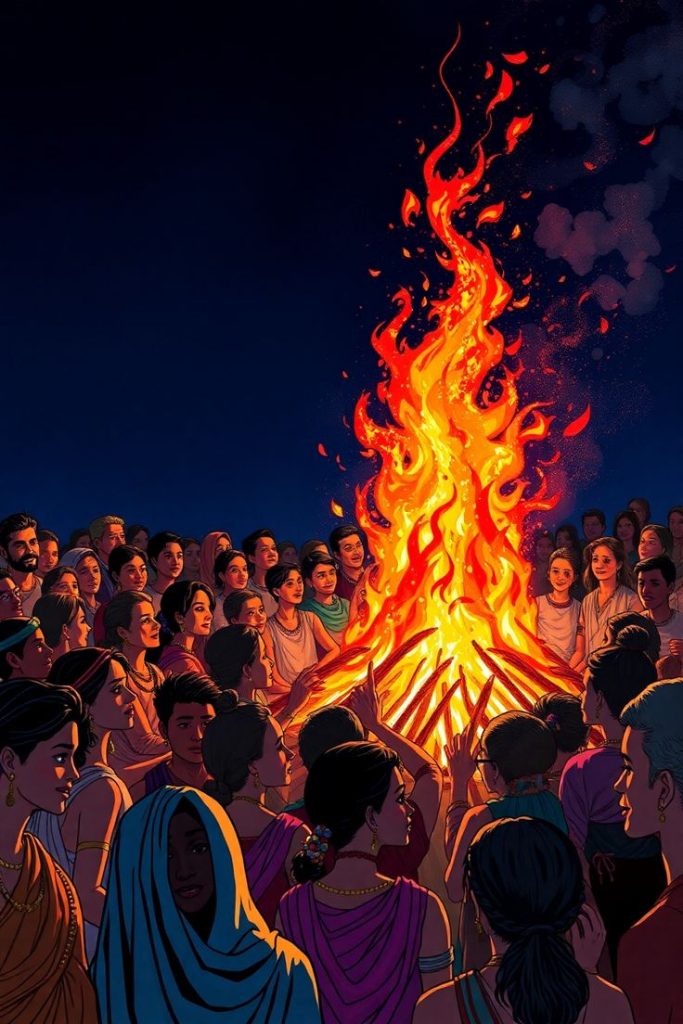
Holika Dahan, also known as Chhoti Holi, is celebrated on the full moon night of the Hindu month of Phalguna. In 2026, communities across India gather wood and combustible materials to create large bonfires.
The ritual begins with prayers and offerings. Families circle the fire, seeking protection from evil and praying for prosperity. Many people throw old items or symbolic objects into the fire to represent letting go of negativity and past troubles.
The flames of Holika Dahan remind people that arrogance and evil eventually burn away, while truth and devotion survive.
Rangwali Holi: The Festival of Colors
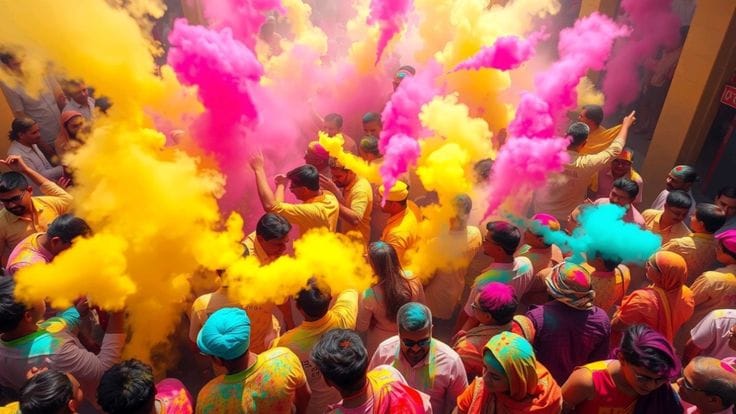
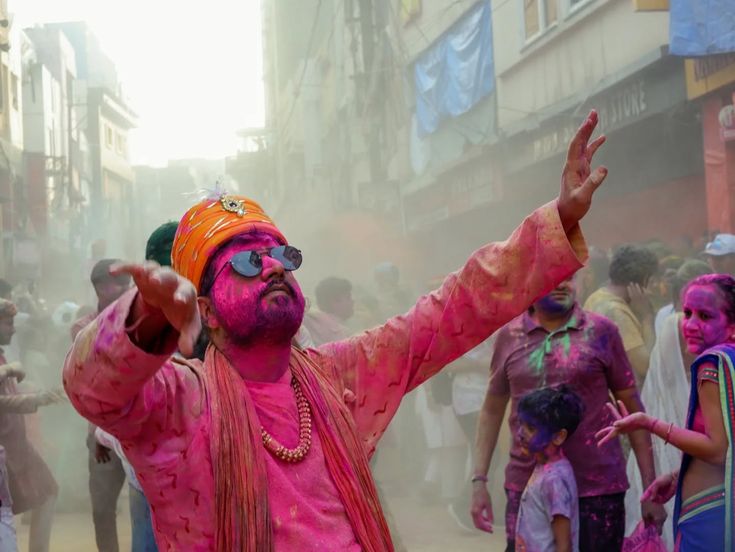
The next day is the main event, Rangwali Holi. Streets transform into a canvas of red, yellow, green, and blue. People apply gulal (colored powder), splash colored water, and enjoy festive music.
Traditional sweets like gujiya, malpua, and thandai are prepared in homes. Families and friends visit each other, exchange greetings, and celebrate with laughter and dance.
In cities, Holi celebrations often begin early in the morning and continue till afternoon. Water balloons, pichkaris, and organic colors are common sights. Music, especially Bollywood Holi songs, fills the air, creating an atmosphere of joy.
Famous Holi Celebrations Across India
Different regions of India celebrate Holi in unique ways, making it a culturally rich festival.
Lathmar Holi in Barsana
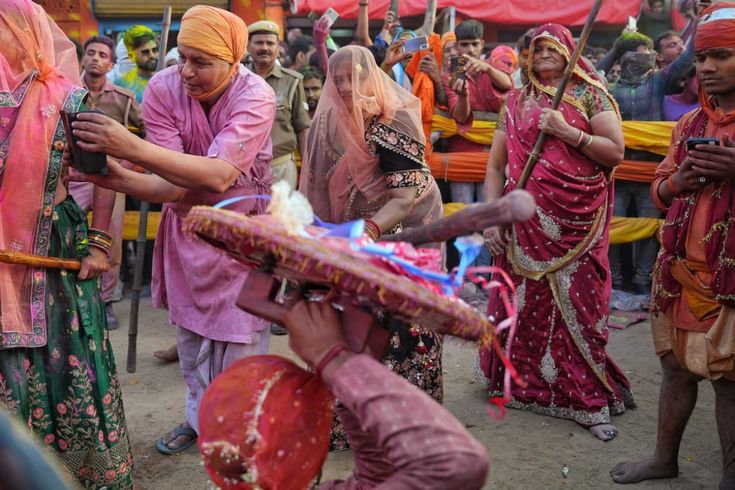
In Barsana, Holi is celebrated as Lathmar Holi, where women playfully hit men with sticks while men shield themselves. This tradition recreates the playful teasing between Krishna and the women of Barsana. Thousands of tourists visit every year to witness this vibrant spectacle.
Holi in Mathura and Vrindavan
Mathura, the birthplace of Krishna, and Vrindavan host week-long celebrations. Temples organize special rituals, devotional singing, and flower Holi, where petals are used instead of colors. The spiritual atmosphere in these cities makes Holi deeply devotional.
Royal Holi in Udaipur
In Udaipur, Holi is celebrated with royal traditions, especially at the City Palace. The Mewar royal family participates in ceremonial bonfires and grand processions, attracting tourists from around the world.
Modern Holi Celebrations in India in 2026
Holi in 2026 blends tradition with modern lifestyle trends. Urban India celebrates Holi through organized Holi parties, music festivals, and themed events. DJs, rain dance setups, and color marathons are common in metropolitan cities.
Eco-friendly Holi is gaining popularity. With increasing environmental awareness, many people prefer herbal gulal made from flowers and natural ingredients. Water conservation campaigns encourage dry Holi celebrations to reduce water wastage.
Social media also plays a major role. Instagram reels, Holi photoshoots, and live streaming connect people virtually. Brands launch Holi-themed marketing campaigns, and influencers promote safe and sustainable celebrations.
Corporate offices often organize small Holi gatherings to promote team bonding. Schools teach children about the history and significance of Holi alongside fun activities.
Safety and Responsible Celebrations
In 2026, safety awareness is an essential part of celebrations. People are more conscious about skin-friendly colors and avoid harmful chemicals. Sunscreen, coconut oil, and protective clothing are commonly used.
Authorities in many cities regulate public celebrations to ensure safety and avoid harassment. Campaigns promoting “Safe Holi” encourage respect and consent during festivities.
Public transportation systems often run special services to manage the holiday rush, and security is tightened in crowded areas.
Holi and Tourism in 2026
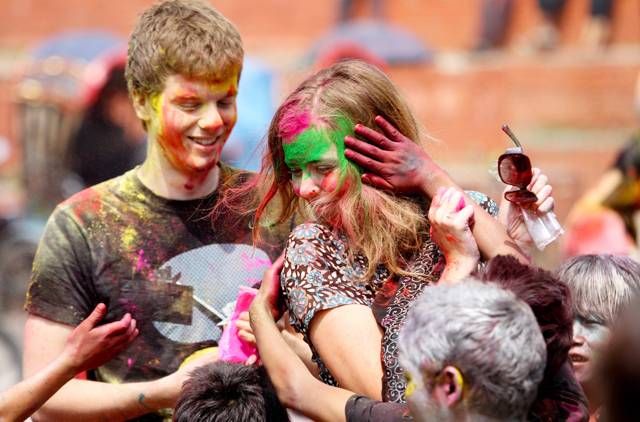
Holi has become a major cultural attraction for international tourists. Travelers from across the globe visit India to experience authentic Holi celebrations. Tour operators offer Holi-themed travel packages, especially to Mathura, Vrindavan, Jaipur, and Udaipur.
Hotels organize curated experiences, combining traditional rituals with comfortable hospitality. For many foreign visitors, Holi becomes a once-in-a-lifetime experience that connects them deeply with Indian culture.
The Emotional and Spiritual Essence of Holi
Beyond colors and celebration, Holi carries a message of forgiveness and renewal. It is a time to mend broken relationships, reconnect with loved ones, and embrace positivity.
The festival reminds people that life is meant to be colorful. Just as colors blend beautifully on Holi, diversity makes society vibrant. In 2026, as India moves forward technologically and socially, Holi continues to anchor people to their cultural roots.
Conclusion
Holi Festival Guide: History, Significance, and Modern Celebrations in India in 2026 reflects how this ancient festival remains timeless. From the mythological story of Prahlad and Holika to eco-friendly Holi parties in modern cities, the festival beautifully balances tradition and change.
Holi is a celebration of faith, love, unity, and joy. Whether it is the spiritual atmosphere of Vrindavan, the playful Lathmar Holi of Barsana, or an urban Holi music festival, the spirit remains the same — spreading happiness and colors in every direction.
As India celebrates Holi in 2026, the festival continues to remind everyone to burn negativity, embrace positivity, and paint life with vibrant shades of hope and harmony.
What is the Holi festival and why is it celebrated?
The Holi festival is one of the most popular Hindu festivals in India, celebrated to mark the victory of good over evil and the arrival of spring. It is deeply rooted in Indian mythology, especially the story of Prahlad and Holika, and also linked to the playful legends of Lord Krishna. The Holi festival symbolizes joy, renewal, unity, and the triumph of positivity.
When is the Holi festival celebrated in 2026?
The Holi festival is celebrated on the full moon day (Purnima) in the Hindu month of Phalguna, usually in March. In 2026, the Holi festival will be observed over two days — with Holika Dahan on the first evening and the main color celebration the following day.
What is the significance of Holika Dahan during the Holi festival?
Holika Dahan is an important ritual of the Holi festival that takes place on the night before the color celebration. Bonfires are lit to symbolize the burning away of evil and negativity. It represents the mythological event where Prahlad was saved from fire while Holika was destroyed, reinforcing the message that truth and devotion always win.
How is the Holi festival celebrated in modern India?
In modern India, the Holi festival is celebrated with vibrant colors, music, dance, and festive foods. People gather in homes, streets, and community spaces to apply gulal and splash colored water. In 2026, many celebrations include eco-friendly colors, rain dance parties, cultural events, and social media sharing, blending tradition with contemporary style.
What are the traditional foods prepared during the Holi festival?
During the Holi festival, families prepare special sweets and snacks such as gujiya, malpua, dahi bhalla, and thandai. These festive dishes add warmth and flavor to the celebrations, making the Holi festival not just colorful but also deliciously memorable.


