

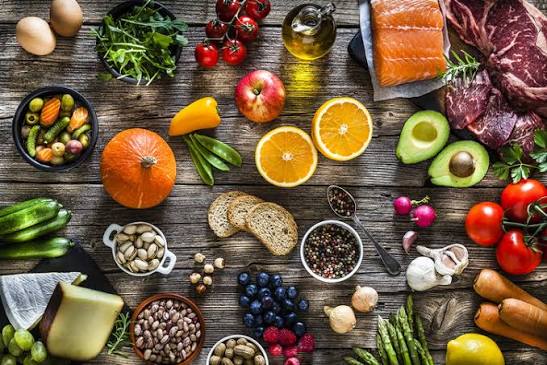
Eating healthier doesn’t have to mean giving up the meals you actually enjoy. Many people assume that healthy eating requires bland, restrictive food, but that’s simply not true. With a few small, thoughtful changes, you can make your everyday meals significantly more nutritious while keeping every bit of flavour intact.
Table of Content
1. Swap Refined Ingredients for Whole Alternatives
2. Cook with Healthier Fats
3. Boost Flavour with Herbs and Spices Instead of Salt
4. Add More Vegetables Without Changing the Dish
5. Practice Portion Awareness, Not Restriction
6. Frequently Asked Questions
7. Conclusion
Swap Refined Ingredients for Whole Alternatives
One of the simplest ways to make any meal healthier is to swap refined ingredients for their whole-food counterparts. White rice can be replaced with brown rice or quinoa, refined pasta can be swapped for whole wheat versions, and white bread can be traded for whole grain bread. These substitutions add fiber, essential nutrients, and a more filling quality to your meals without changing the overall taste of the dish significantly.
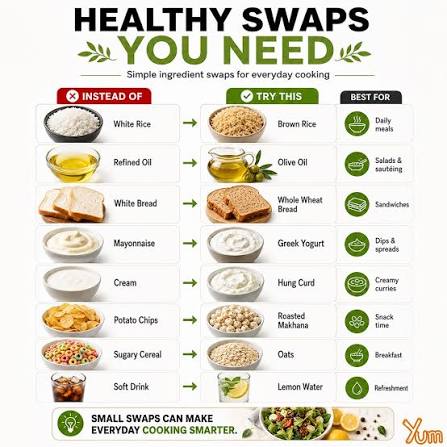
Whole grains also tend to have a richer, slightly nutty flavour compared to their refined counterparts, which can actually enhance certain recipes rather than diminish them. Making this swap gradually, one ingredient at a time, helps your palate adjust naturally, so the transition doesn’t feel like a drastic change to meals you already enjoy.
It also helps to think beyond the obvious swaps. Snack foods made with refined flour, such as crackers or packaged baked goods, can often be replaced with whole grain or seed-based alternatives that offer more fiber and a more satisfying texture.
Even something as simple as choosing steel-cut oats over instant oats can make a meaningful difference in how filling and nutritious a meal feels. The key is to look at the ingredients you use most often and identify one or two realistic swaps rather than trying to overhaul your entire pantry overnight. Small, sustained changes like these tend to stick far better than sudden, sweeping ones, and over time they add up to a noticeably healthier way of eating without ever feeling like a sacrifice.
Cook with Healthier Fats
The type of fat used in cooking can make a significant difference in both nutrition and flavour. Swapping heavily processed vegetable oils for options like olive oil, avocado oil, or ghee in moderation not only improves the nutritional profile of a meal but can also add a richer, more distinct flavour to your cooking.
Healthier fats support nutrient absorption and can make meals more satisfying, which naturally helps with portion control later in the day. It’s worth noting that the goal isn’t to eliminate fat from your diet, but rather to choose fat sources that offer more nutritional value while still delivering the richness and mouthfeel that makes food enjoyable to eat.
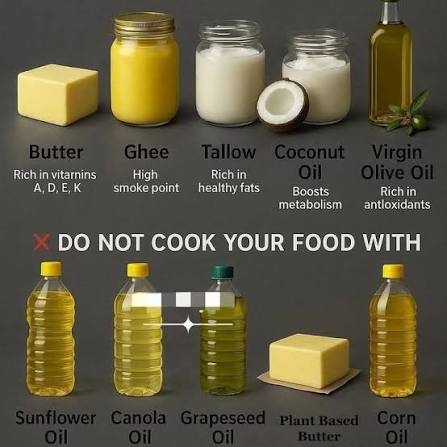
Different fats also behave differently depending on the cooking method, which is worth keeping in mind. Olive oil, for instance, works well for light sautéing and dressings, while options with a higher smoke point, such as avocado oil, are better suited for higher-heat cooking like roasting or stir-frying.
Nuts, seeds, and avocado are also excellent sources of healthy fat that can be added directly into meals, whether that’s a handful of almonds in a salad or a few slices of avocado on toast. These additions not only improve the nutritional quality of a dish but often make it feel more indulgent and satisfying, which can help curb the urge to reach for less nutritious snacks later on. A drizzle of good-quality olive oil over a finished dish, for example, adds both flavour and nutritional value in a single, simple step.
Boost Flavour with Herbs and Spices Instead of Salt
Relying heavily on salt is one of the most common habits that can make meals less healthy over time. Fresh herbs and spices offer a powerful way to add depth and complexity to a dish without the added sodium. Ingredients like garlic, ginger, cumin, paprika, and fresh basil can transform a simple dish into something far more flavourful.
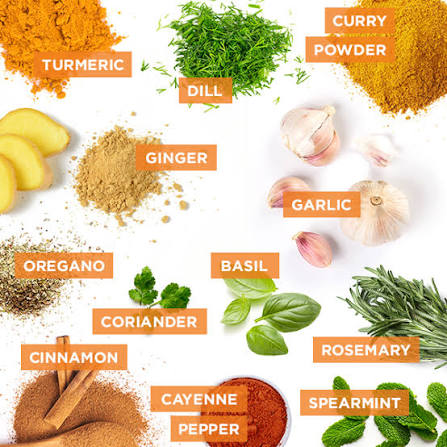
Beyond flavour, many herbs and spices also come with their own nutritional benefits, such as antioxidants and anti-inflammatory properties. Experimenting with different spice combinations not only reduces your reliance on salt but often makes meals more interesting and enjoyable, since herbs and spices add layers of flavour that salt alone simply cannot replicate. Building a small collection of go-to spice blends can make this habit even easier to maintain. A simple mix of cumin, coriander, and smoked paprika can transform roasted vegetables, while fresh herbs like cilantro, mint, or parsley added at the end of cooking can brighten up an otherwise heavy dish.
Citrus, such as a squeeze of lemon or lime, is another powerful flavour enhancer that’s often overlooked, adding acidity and freshness that can make a dish taste more vibrant without any added sodium at all, and it pairs especially well with grilled or roasted foods. Keeping a small selection of dried herbs and spices on hand, along with one or two fresh ones, makes it far easier to reach for flavour instead of the salt shaker out of habit.
Add more Vegetables without changing the Dish
Increasing vegetable intake doesn’t require an entirely separate side dish every time. Vegetables can often be incorporated directly into meals you already make, such as adding grated carrots or spinach into a pasta sauce, mixing diced bell peppers into an omelette, or blending vegetables into soups and curries.
This approach makes it easier to increase your daily vegetable intake without the meal feeling drastically different from what you’re used to eating. Many vegetables also absorb the flavours of the dish they’re cooked in, meaning they add nutritional value without significantly altering the overall taste, making this one of the easiest changes to maintain consistently.
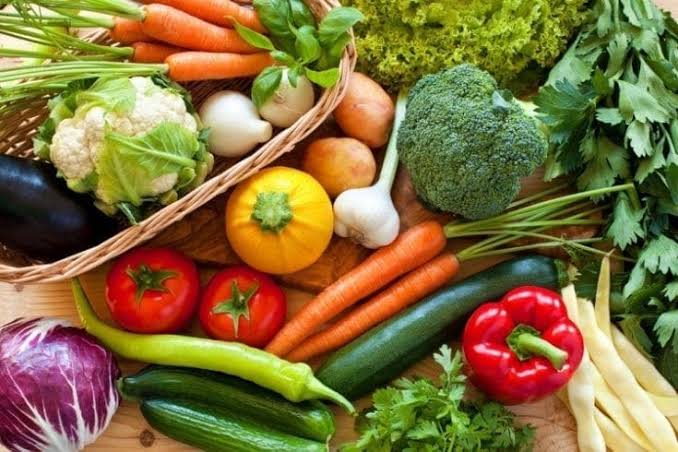
This strategy works especially well for people who don’t consider themselves big vegetable eaters, since it removes the need to eat a separate portion of vegetables that might otherwise go untouched. Grated zucchini can be folded into a batter, mushrooms can be finely chopped and mixed into ground meat for added texture and volume, and leafy greens like spinach or kale can be wilted directly into soups, stews, or rice dishes without changing the dish’s core flavour.
Frozen vegetables are a particularly convenient option here, since they’re pre-chopped, retain much of their nutritional value, and can be added directly into a recipe without any extra preparation time, making this one of the most time-efficient ways to boost the nutritional content of a meal, especially on busy weeknights.
Practice Portion Awareness, Not Restriction
Healthy eating isn’t only about what you eat, but also about how much. Rather than cutting out entire food groups or meals you enjoy, being more mindful of portion sizes allows you to still enjoy your favourite dishes while maintaining a more balanced overall diet. Using smaller plates, eating slowly, and paying attention to hunger cues are simple habits that support this without feeling restrictive.This approach tends to be more sustainable long-term compared to strict dietary rules, since it allows flexibility rather than a sense of deprivation.
Over time, portion awareness naturally leads to healthier eating patterns without requiring you to give up the foods and flavours you genuinely enjoy.Simple, practical habits can make portion awareness easier to put into practice day to day. Serving meals directly onto a plate rather than eating straight from a large serving dish helps prevent unconscious overeating, and taking a short pause partway through a meal to check in with your hunger level can help you gauge whether you actually need a second helping.
Eating without distractions, such as scrolling on a phone or watching television, also tends to make people more aware of how much they’re actually eating, since it’s easier to overeat when your attention is elsewhere. None of these habits require tracking calories or measuring food precisely; they simply encourage a more mindful relationship with eating, which tends to be far easier to maintain long-term than rigid rules or restrictive diets that often lead to burnout.
Frequently Asked Questions
Q: Will these changes make my food taste different?
A: Not significantly. These swaps are designed to work with the flavours you already enjoy, either enhancing them or keeping them intact, rather than replacing them with something unfamiliar.
Q: Do I need to apply all five tips at once?
A: No. These changes work well individually or gradually. Introducing one or two at a time makes the transition easier and more sustainable.
Q: Are healthier fats really better than regular cooking oil?
A: Options like olive oil and avocado oil generally offer more nutritional benefits than heavily processed oils, while still providing the richness needed for good-tasting food.
Q: Is portion control the same as dieting?
A: No. Portion awareness is about mindful eating, not restriction. It allows you to enjoy your meals while maintaining better balance overall.
Q: How long does it usually take to notice a difference from these changes?
A: It varies from person to person, but many people notice small differences, such as feeling more satisfied after meals or having more consistent energy levels, within a few weeks of making even one or two of these changes consistently.
Q: Can these tips work for someone cooking for a family with different tastes?
A: Yes. Most of these changes, like swapping ingredients or adding vegetables into existing dishes, can be done without anyone noticing a major difference in taste, making them easy to apply to family meals without needing to cook separate dishes.
Q: What’s the easiest tip to start with if I’m not sure where to begin?
A: Most people find adding vegetables into existing dishes or swapping cooking oils the easiest starting point, since these changes require the least adjustment to your usual routine while still offering a noticeable nutritional benefit.
Conclusion
Making your meals healthier doesn’t require complicated recipes or giving up the foods you love. Small, consistent changes, like swapping refined ingredients, cooking with better fats, using herbs and spices, adding vegetables, and practicing portion awareness, can meaningfully improve your diet without sacrificing flavour.
Start with one or two of these tips and build from there, and you’ll likely find that eating healthier can be just as satisfying as it is nutritious. Remember that consistency matters far more than perfection when it comes to building healthier eating habits. You don’t need to apply every tip in this article to every meal you cook; even choosing one or two changes to focus on for the next few weeks can lead to a meaningful shift in how you eat your meals.
As these habits start to feel natural, you can gradually layer in the others, building a way of eating that genuinely fits your lifestyle rather than working against it. Healthy eating, at its core, isn’t about restriction or giving things up, it’s about finding small, realistic changes that make your everyday meals both better for you and just as enjoyable to eat, meals after meals.


