

Introduction
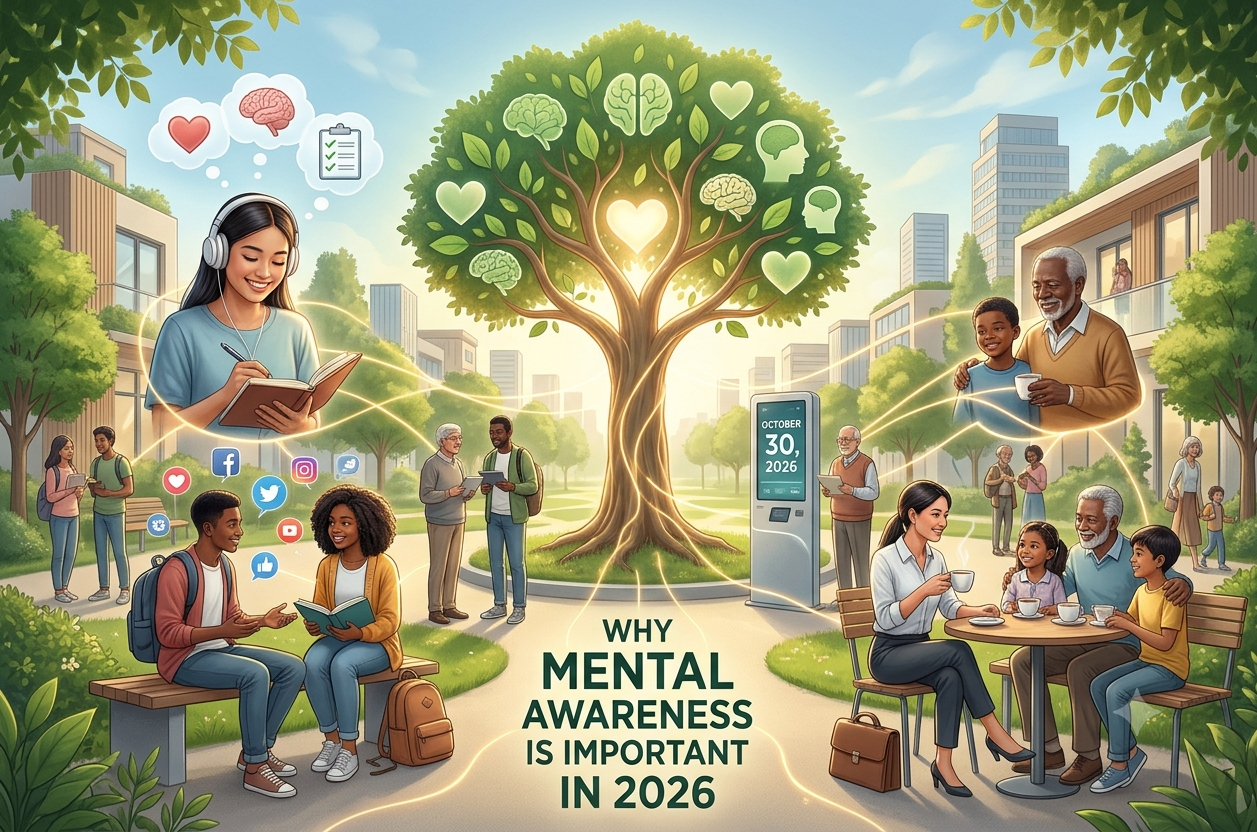
Mental health awareness has become one of the most important topics in today’s world. With changing lifestyles, increasing work responsibilities, academic pressure, financial challenges, and the influence of social media, many people experience emotional and psychological difficulties in their daily lives. Although physical health receives considerable attention, mental health is sometimes ignored or misunderstood. Mental health is an essential part of overall well-being. It influences how people think, feel, communicate, handle stress, and make everyday decisions. It also affects personal relationships, professional performance, education, and the ability to enjoy life. Just like physical health, mental well-being deserves attention, care, and support.
In recent years, conversations about anxiety, depression, stress, emotional exhaustion, and other mental health concerns have become more common. Social media, educational institutions, healthcare professionals, and workplaces are helping people understand these issues. However, stigma, misinformation, and a lack of awareness continue to prevent some individuals from seeking appropriate support. Mental health awareness plays an important role in creating a society where people feel comfortable discussing their emotions and asking for help without fear of judgment. It encourages early recognition of mental health awareness concerns, promotes healthy habits, and helps individuals understand that seeking professional support is a positive step.
Understanding the importance of mental health awareness is not only necessary for people experiencing difficulties but also for families, communities, schools, workplaces, and society as a whole.
Table of Contents
What Is Mental Health Awareness?

Mental health awareness refers to understanding the importance of psychological and emotional well-being and recognizing the challenges that can affect it. It involves educating people about mental health conditions, identifying possible warning signs, reducing discrimination, and encouraging individuals to seek appropriate support. Mental health awareness also helps people understand that mental health is not simply about the absence of mental illness. It includes emotional balance, healthy relationships, the ability to manage everyday challenges, and maintaining a sense of purpose.
For example, someone experiencing continuous stress at work may benefit from understanding stress-management techniques and discussing their difficulties with a trusted person or qualified professional. Mental health awareness encourages people to take emotional well-being seriously rather than ignoring problems until they become more difficult to manage.
Why Is Mental Health Awareness Important in Today’s World?
Modern life offers many opportunities, but it also introduces challenges that can affect emotional well-being. Understanding mental health helps individuals and communities respond to these challenges more effectively.
Here are some important reasons why mental health awareness matters today.
1. Helps People Recognize Mental Health Problems Early
One of the biggest benefits of mental health awareness is that it helps people recognize possible signs of emotional or psychological difficulties.Sometimes, individuals may experience changes in mood, sleep, appetite, concentration, motivation, or social behavior without understanding what is happening.
Common signs that may deserve attention include:
- Persistent sadness or hopelessness.
- Excessive worry or fear.
- Difficulty concentrating on everyday tasks.
- Changes in sleeping or eating habits.
- Losing interest in previously enjoyable activities.
- Feeling unusually isolated or emotionally exhausted.
Recognizing these changes can encourage individuals to seek timely guidance from qualified healthcare professionals. Early support may help people understand their experiences and explore appropriate treatment or coping strategies.
2. Reduces the Stigma Surrounding Mental Health
Mental health stigma remains a major challenge in many communities. Some people hesitate to discuss emotional difficulties because they fear criticism, embarrassment, or negative reactions from others. Misunderstandings about mental health can create the false impression that individuals should simply overcome their difficulties without support. Mental health awareness challenges these harmful beliefs by encouraging respectful conversations and sharing accurate information.
It helps society understand that mental health conditions are health concerns, not personal failures or signs of weakness. When people feel accepted rather than judged, they may become more comfortable discussing their experiences and seeking professional help.
3. Encourages People to Seek Professional Help
Many individuals try to manage serious emotional difficulties alone because they do not know where to find support or feel uncomfortable discussing their concerns. Mental health awareness helps people understand that qualified professionals, including psychologists, psychiatrists, and counselors, can provide appropriate guidance. Professional support may include therapy, counseling, medical evaluation, medication when appropriate, or a combination of approaches.
It is a responsible step toward understanding and managing mental health concerns. Awareness campaigns can also help people learn about available healthcare services and support resources.
4. Improves Relationships With Family and Friends
Mental health influences how people communicate, respond to situations, and interact with others. Emotional difficulties may sometimes lead to misunderstandings, withdrawal, irritability, or communication problems. Understanding mental health encourages family members and friends to become more patient, supportive, and empathetic.
For example, instead of immediately criticizing someone who has become unusually quiet, a family member can ask how they are feeling and offer to listen. Healthy communication and emotional support can strengthen relationships and create a more understanding home environment.
5. Helps Students Manage Academic Pressure
Students face different challenges, including examinations, competition, career decisions, parental expectations, and social pressures. These responsibilities may sometimes contribute to stress, fear of failure, and emotional exhaustion. Mental health awareness in schools and colleges can help students understand their emotions and learn healthy ways to manage academic challenges.
Educational institutions can support students by:
- Providing access to counseling services.
- Encouraging open conversations about emotional well-being.
- Promoting healthy study schedules.
- Teaching stress-management techniques.
- Creating supportive and inclusive learning environments.
Students should understand that academic performance is important, but their overall well-being matters equally.
6. Creates Healthier Workplaces

Professional responsibilities, tight deadlines, long working hours, workplace conflicts, and job insecurity can affect employees’ emotional well-being. When workplace stress continues without adequate support, it may contribute to exhaustion, reduced motivation, and difficulties maintaining work-life balance. Mental health awareness encourages organisations to create healthier working environments.
Employers can introduce practical measures such as:
- Promoting reasonable workloads.
- Encouraging regular breaks.
- Supporting work-life balance.
- Providing access to employee assistance programs.
- Creating respectful communication policies.
- Training managers to recognize workplace stress.
A supportive workplace can help employees feel valued, respected, and more comfortable discussing challenges.
7. Encourages Healthy Use of Social Media
Social media has become a major part of modern communication and entertainment. However, excessive usage and unhealthy online experiences may affect emotional well-being. Constant comparisons, negative comments, cyberbullying, unrealistic beauty standards, and pressure to receive likes or followers can contribute to emotional stress. Mental health awareness helps users understand the importance of maintaining healthy digital boundaries.
Some useful habits include:
- Limiting unnecessary screen time.
- Avoiding social media before bedtime.
- Unfollowing accounts that negatively affect self-confidence.
- Taking regular breaks from digital platforms.
- Avoiding comparisons with carefully edited online images.
- Reporting cyberbullying and harmful online behavior.
Social media can be useful and enjoyable when people use it responsibly and maintain a healthy balance between online and offline activities.
8. Promotes Emotional Intelligence and Self-Awareness
Emotional intelligence involves understanding emotions and responding to them in healthy ways. Mental health awareness encourages individuals to identify their feelings, recognise emotional triggers, and communicate their needs more effectively.
For example, a person who understands their stress triggers may recognize when they need rest, a break, or support from someone they trust. Self-awareness can also help people develop patience, improve decision-making, and build healthier relationships. Learning to understand emotions is an important life skill for children, students, adults, and older individuals.
9. Supports Better Physical Health
Mental and physical health are closely connected. Emotional stress and certain mental health conditions can influence sleep, energy levels, appetite, and everyday physical functioning. For example, prolonged stress may contribute to sleep difficulties, muscle tension, headaches, and changes in eating habits.
Similarly, ongoing physical health problems can affect emotional well-being. Mental health awareness encourages people to consider both physical and psychological aspects of healthcare. Healthy routines, regular physical activity, sufficient sleep, balanced nutrition, and appropriate professional care can support overall well-being. However, lifestyle changes should not be considered a replacement for medical treatment when it is needed.
10. Builds a More Supportive and Understanding Society
Mental health awareness benefits not only individuals but also entire communities. When people understand mental health, they are more likely to respond with empathy instead of judgment. Communities can become more supportive by organising awareness programs, sharing reliable information, improving access to mental healthcare, and encouraging respectful conversations.
Schools, healthcare organisations, workplaces, families, and public institutions all have a role in creating environments where mental health receives appropriate attention. A society that values emotional well-being can help reduce discrimination and encourage more people to seek support when they need it.
Common Mental Health Challenges in Today’s World
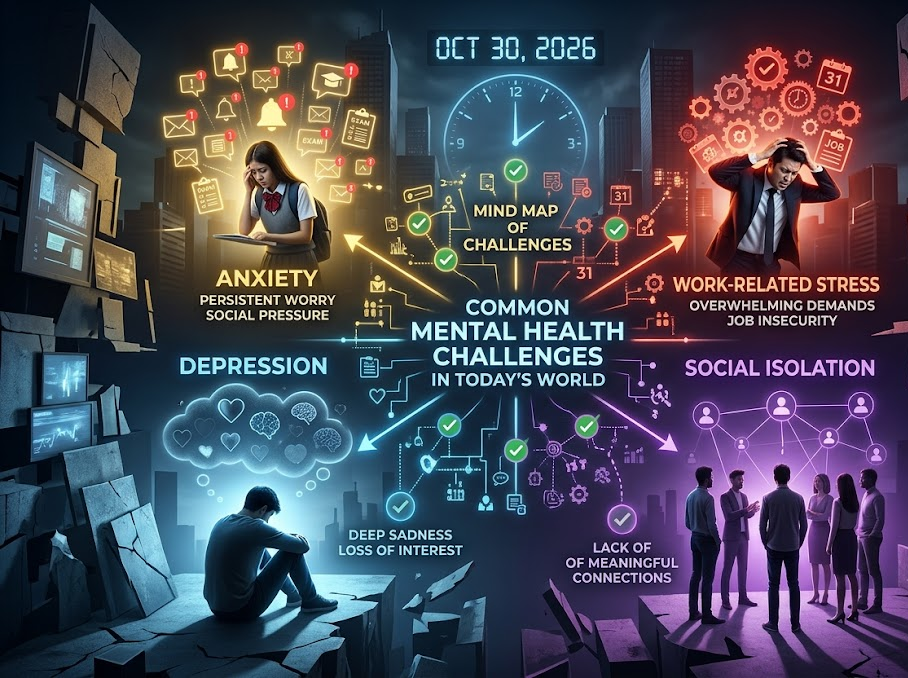
Understanding common mental health challenges is an important part of awareness. Different individuals experience different symptoms, and only qualified professionals can assess and diagnose mental health conditions.
Some commonly discussed concerns include:
- Anxiety
Anxiety involves feelings of worry, fear, or nervousness. While occasional anxiety is a normal human response, persistent or excessive anxiety may interfere with everyday activities.
- Depression
Depression is a mental health condition that can involve persistent sadness, loss of interest, changes in sleep or appetite, low energy, and difficulties with daily functioning.
It is more than temporary sadness and may require professional treatment.
- Work-Related Stress
Work-related stress can develop when professional demands exceed a person’s available resources or ability to cope. It may affect concentration, motivation, sleep, and personal life.
- Emotional Exhaustion
Emotional exhaustion refers to feeling mentally and emotionally drained. It may occur after prolonged stress, excessive responsibilities, or ongoing emotional demands.
- Social Isolation
Social isolation involves limited social contact or meaningful interaction. It can affect emotional well-being, particularly when someone lacks supportive relationships.
Recognizing these challenges helps people understand why mental health education and accessible support services are important.
How to Improve Mental Health and Emotional Well-Being
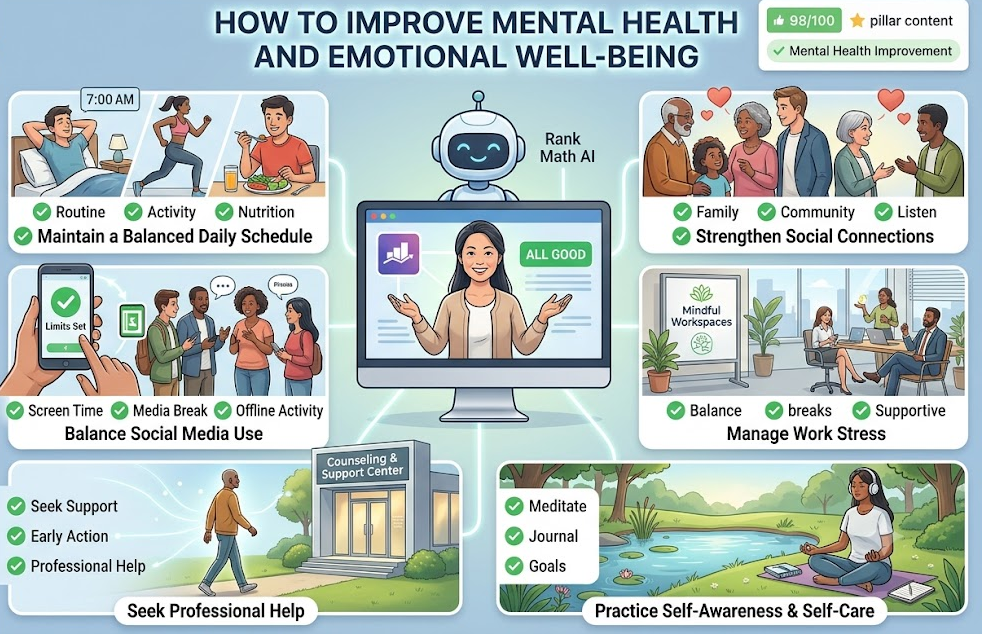
Maintaining mental well-being requires attention and consistent healthy habits. Although everyday activities cannot prevent or treat every mental health condition, they can support general well-being.
Here are some practical suggestions.
- Maintain a Healthy Daily Routine
Try to follow a consistent routine for sleeping, eating, working, and relaxing. A balanced schedule can provide structure and help manage everyday responsibilities.
- Stay Physically Active
Walking, cycling, yoga, stretching, and other enjoyable physical activities can support both physical and emotional well-being.
Choose activities that match your abilities and personal preferences.
- Get Enough Sleep
Healthy sleep habits are important for emotional balance, concentration, and energy.
Maintain a regular bedtime and reduce unnecessary screen use before sleeping.
- Talk to Someone You Trust
Sharing your feelings with a trusted family member, friend, or counselor can help you feel supported.
You do not need to wait until a problem becomes serious before asking someone to listen.
- Practice Relaxation Techniques
Activities such as deep breathing, meditation, journaling, and spending time in nature may help some people manage everyday stress.
- Set Realistic Goals
Avoid placing unnecessary pressure on yourself. Break large responsibilities into smaller tasks and appreciate your progress.
- Seek Professional Support When Needed
If emotional difficulties persist, become overwhelming, or interfere with everyday life, consider speaking with a qualified mental health professional.
Professional guidance can help identify appropriate support and treatment options.
The Role of Technology in Mental Health Awareness
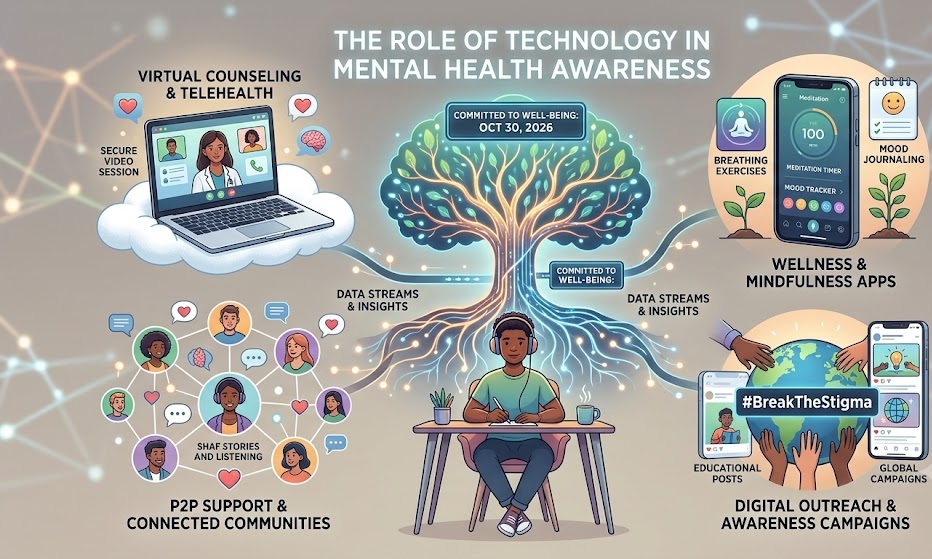
Technology has changed how people learn about and discuss mental health. Digital platforms provide access to educational resources, online counseling services, mental wellness applications, and support communities. Social media campaigns can also help spread awareness and challenge misconceptions.
Some examples of technology supporting mental health awareness include:
Mental wellness applications: Certain applications offer guided meditation, breathing exercises, journaling tools, and mood-tracking features.
Online counseling: Telehealth services can connect individuals with qualified professionals through digital communication platforms, depending on availability and local regulations.
Educational websites: Reliable healthcare websites provide information about symptoms, treatment options, and support resources.
Online awareness campaigns: Digital campaigns can encourage open conversations and help people discover available services.
However, technology also has limitations. Not all online health information is accurate, and wellness applications cannot replace professional diagnosis or treatment. Users should protect their personal information and rely on trustworthy healthcare sources.
Mental Health Awareness: Myths vs. Facts
Misunderstandings can prevent people from receiving appropriate support. Understanding the difference between myths and facts is important.
| Common Myth | Reality |
| Mental health problems are a sign of weakness. | Mental health conditions are health concerns, not personal failures. |
| Only adults experience mental health challenges. | Children, teenagers, adults, and older people can all experience them. |
| People should manage every problem alone. | Support from trusted people and professionals can be valuable. |
| Mental health conditions cannot improve. | Many conditions can be managed or treated with appropriate support. |
| Talking about mental health makes problems worse. | Respectful conversations can reduce stigma and encourage people to seek help. |
| Only people with diagnosed conditions need mental health awareness. | Everyone can benefit from understanding emotional well-being. |
Conclusion
Mental health awareness is essential in today’s world because emotional well-being influences almost every aspect of everyday life. From personal relationships and education to professional responsibilities and physical health, mental health plays an important role in how people experience the world. Increasing awareness helps individuals recognise possible warning signs, understand common mental health challenges, reduce stigma, and seek appropriate professional support. It also encourages families, schools, workplaces, and communities to become more understanding and supportive.
Although modern lifestyles and digital technology create new challenges, small positive changes can make a meaningful difference. Maintaining healthy routines, communicating openly, setting realistic expectations, staying physically active, and taking breaks when needed can support general well-being. Most importantly, people should understand that asking for help is a sign of strength, not weakness. Mental health deserves the same attention, care, and respect as physical health.
Building a mentally healthier society begins with awareness, empathy, education, and action. By talking openly about mental health and supporting one another, we can help create a world where everyone feels respected, understood, and encouraged to seek the care they need.
Remember: Taking care of your mental health is not a luxury. It is an important part of living a healthy and balanced life.
Frequently Asked Questions (FAQs)
1. Why is mental health awareness important?
Mental health awareness helps people understand emotional well-being, recognize possible warning signs, reduce stigma, and seek appropriate support when needed.
2. What are the common signs of mental health problems?
Possible signs include persistent sadness, excessive worry, changes in sleeping or eating habits, difficulty concentrating, social withdrawal, and loss of interest in daily activities.
3. How does social media affect mental health?
Excessive social media use, cyberbullying, online comparisons, and negative content may affect emotional well-being. Responsible usage and regular breaks can help create healthier digital habits.
4. How can students maintain good mental health?
Students can support their well-being by maintaining a balanced study schedule, getting enough sleep, participating in physical activities, communicating with trusted people, and seeking counseling when necessary.
5. What is the difference between mental health and mental illness?
Mental health refers to overall emotional, psychological, and social well-being. Mental illness refers to specific health conditions that affect thoughts, feelings, behavior, or daily functioning.
6. How can families support someone experiencing mental health difficulties?
Families can listen without judgment, show patience, offer emotional support, respect personal boundaries, and encourage professional help when appropriate.
7. Can physical activity improve mental well-being?
Regular physical activity can support mood, sleep, and general well-being. However, it should not replace professional treatment for mental health conditions.
8. What is the role of schools in mental health awareness?
Schools can provide awareness programs, counseling services, supportive learning environments, and education about emotional well-being and stress management.
9. When should someone seek professional mental health support?
Someone should consider professional support when emotional difficulties persist, become overwhelming, or interfere with relationships, work, studies, or everyday activities.
10. How can society reduce mental health stigma?
Society can reduce stigma through education, respectful conversations, awareness campaigns, accurate information, and equal access to mental healthcare.


