

Here in this article, consumer behaviour and the triggers that leads to impulse buying are discussed. globalisation and technology change are leading to change in the buying behaviour of consumer; marketer is now using the triggers and tactics to trigger the consumers to choose their product over another brand.
Table of Contents
Introduction
We all have experienced it in life that when we visit any store to buy a single item but leave the store with some extra items, or add an extra product just because it states, “Limited Time Offer.” You may think that it is natural, but it’s not. All these decisions are not accidental. They are all driven by consumer behaviour. Now, you will be surprised that this concept even exists, but it is a main component of marketing that we are going to study further in this article. So, grab your attention and get ready to go on a journey of interesting facts based on your daily buying decisions.
Understanding consumer behaviour is important for businesses that want to attract consumers, improve conversions, and build long-term relationships. Consumers think that they make planned decisions and buy what they need, but they don’t even realise how businesses use consumer behaviour to affect their buying decisions emotionally, psychologically, etc. Marketing strategies are made by businesses after carefully examining consumer behaviour and responses to drive consumers to make impulse purchases.
You should also read this article, as we will explore what buying triggers are, how they influence consumers to spend their money on products, and how they lead to impulse buying. It is also helpful for business owners to understand the relationship between consumer behaviour and psychology.
What is consumer behaviour?
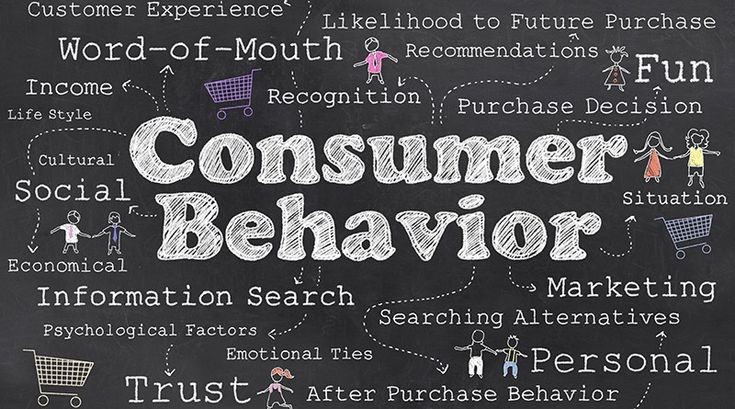
Consumer behaviour is the study of how individuals, groups, or organisations select, buy, use, and dispose of goods and services. Basically, it is the study of the factors behind consumers’ purchasing decisions, such as why they are buying a product, what experience they are getting, what is driving their decision, and what utility the product will fulfil. All this information helps brands and companies understand the marketing strategies and decisions that will drive consumers to make purchases and increase the firm’s profits.
It is a process that starts when a consumer recognises a need to make a purchase and then analyses the experience they will get afterwards. Businesses need data about this behaviour to prepare strategies that attract consumers to spend on their brand over other brands and to gain profits in the long run.
There are some factors that motivate consumers to make buying decisions, such as:
- Psychological factors
- Emotional factors
- Cultural values
- Personal preferences
- Emotional condition
- Marketing strategies
Every brand has to analyse all of these factors before making marketing strategies because they help them create schemes, deals, products, offers, branding, packaging, and labelling accordingly, so that they can stand out from other brands in the long run and increase their goodwill in the market.
Why is consumer behaviour important in marketing?
Whom do brands sell their products and services to? Consumers, right? Just suppose you are selling hot soup in Rajasthan during the summer. It sounds odd, right? The same concept applies to marketing. Selling your brand’s products in the market is really tough because of immense competition due to globalisation. To influence people to invest in your brand’s products and services, you should create marketing strategies after analysing consumer behaviour. This helps ensure that even if consumers do not need a product, they may still become interested in buying it because it influences them physically, mentally, and emotionally to make a purchasing decision.
Consumer behaviour analysis helps businesses make products according to customers’ needs and create personalised packaging accordingly. It also helps increase repeat purchases, brand visibility, and efficient customer experiences. Have you ever visited a departmental store and seen jaggery (gur) and sesame (till) being sold during winter, or sweets during festivals? All of these are marketing strategies designed according to consumer behaviour. Brands also use many packaging strategies, such as selling pencils with noodles. All these strategies drive consumers to make purchasing decisions.
Consumer Behaviour and Psychology
Many consumers think that they bought a product because they planned to, but that is not always correct. They often get influenced by the marketing strategies of brands and then justify their purchases by giving reasons. For example, when people buy expensive watches, they say it reflects their status. When they buy luxury shoes, they say it makes them feel confident. All this shows that these decisions are not always based on needs or wants, but on consumer psychology, which influences them to make those purchasing decisions. This is the connection between consumer behaviour and psychology, explaining how emotions influence buying decisions.
7 Proven Impulse Buying Decision Triggers

These are some impulses buying decision triggers that every marketer and consumer should understand.
Scarcity Creates Urgency
Everyone can relate to this concept. When people see a notice saying that a product is going to be scarce, what do they usually do? They purchase it even if they don’t need it. This is a psychological factor that triggers consumers to make a purchase due to the fear of missing out. They think, “What if I need it later?” or “What if it is no longer available?” All of these thoughts help brands use statements such as “Limited-Time Deal,” “Only 2 Days Left,” “Few Items Left in Stock,” “Limited Products,” and “Limited Edition” to attract consumers to buy a product or service immediately.
Consumers, without even thinking whether they need it or not, whether it will create any utility, whether they have enough finances left for the future, or even comparing the same product with other brands, end up purchasing that product or service.
Consumer Reviews Build Trust
When you visit online platforms to make a purchase, you must have seen the reviews and ratings given by other consumers, right? People often follow what others do. If a product has many positive reviews and a high purchase rating, consumers tend to buy it without even thinking twice. They believe that if other consumers found the product satisfactory, it will also meet their needs. One of the most popular examples of this is UGC (User-Generated Content). Many consumers are influenced by these types of videos before making a purchase.
UGC (User-Generated Content) includes videos in which influencers showcase a product or service by explaining its features, specifications, price, and offers while giving positive reviews. However, many of these videos are sponsored, meaning influencers are paid by brands to promote their products. This marketing strategy has become one of the biggest trends today. Almost every brand is investing in UGC because the influencer’s subscribers and followers are more likely to trust their recommendations and purchase the promoted product or service.
Emotional Advertising Influences Consumers
Every individual has emotions, whether positive or negative, and marketers use those emotions to promote their products or services. People remember emotions more than products, which is why most advertisements tell a story to emotionally influence consumers and encourage them to make a purchasing decision. Brands create advertisements that evoke inspiration, excitement, happiness, and nostalgia to connect with consumers’ emotions and influence their buying decisions.
Discounts Encourage Impulse Buying
Every consumer gets influenced by offers, discounts, and free gifts. Even when they do not need a product, they may still buy it because they believe it will save them money. Examples of this tactic include Buy One, Get One (BOGO) offers, discounts, coupons, festival discounts, free delivery, and freebies. All of these trigger consumers’ emotions and encourage them to spend their valuable income on products.
Any brand that understands consumer behaviour can gain an advantage over its competitors and run its business with greater profits and visibility. Firstly, a Buy One, Get One (BOGO) offer helps sell twice as many products. Secondly, consumers often do not consider competing products because they believe they are getting the benefit of two products for the price of one.
Attractive Product Placement
Product placement greatly influences sales. If you have noticed, in retail stores, chocolates are often placed near the cash counters so that people can make last-minute purchases. Children’s products are usually placed on the bottom shelves, while healthier products are placed on the upper shelves to influence consumers’ buying decisions. Retail stores also use this strategy by placing products that are harder to sell in high-visibility areas so that customers are more likely to purchase them. All of these are marketing tactics designed to influence consumers’ buying behaviour.
In the case of online stores, products are also categorised as Best Sellers, Premium Products, or Products on Sale to attract consumers. All of this shows how important it is to study consumer behaviour in marketing.
Personalised Experiences Attract Consumers
You must have noticed that if you use social media, everyone’s video recommendations, short video recommendations, and e-commerce product recommendations are different. This is because digital platforms analyse your behaviour and interests and then recommend content and products based on your preferences. Businesses use this strategy to trigger consumers to buy products. You may have also noticed that the advertisements you see often match your recent search history and online activity.
All of these are strategies used by brands to influence consumers’ buying behaviour.
Fear of Missing Out (FOMO)
We have already discussed that consumer behaviour and psychology are closely connected. It is psychology that influences consumer behaviour, and Fear of Missing Out (FOMO) is one of the most proven impulse buying triggers. Consumers often think that if they do not spend their money on a product immediately, they will miss the opportunity to own it and lose its benefits or utility. This fear triggers consumers to make impulsive purchasing decisions.
Conclusion

Nowadays, to grow a brand organically in the market, it is really important to study consumer behaviour. Consumer behaviour is the sentiment that pushes consumers to purchase a commodity or invest in a service. It is important for every marketing strategy to analyse consumer behaviour before making any further decisions because the end users are the consumers. Competition is at another level, and customers have become more aware nowadays, so you cannot sell just anything to them. Every business has to analyse consumer behaviour in marketing before making any strategy.
Technology has changed the way of analysing consumer behaviour. Now, AI is being used to analyse consumer behaviour. People’s interests have been changing over time, and nowadays it is hard to analyse them. A proper analysis should be carried out to understand consumer behaviour in marketing. There are some proven triggers that influence buying behaviour. These triggers are related, in some way, to the emotional and psychological sentiments of consumers. Businesses have to use these triggers to influence consumers to buy their products and services and increase profits in the long run.
Faqs
What is consumer behaviour?
Consumer behaviour is the study of how individuals, groups, or organisations select, buy, use, and dispose of goods and services.
How does FOMO push customers to make buying decisions?
We have already discussed that consumer behaviour and psychology are closely connected. It is psychology that influences consumer behaviour, and Fear of Missing Out (FOMO) is one of the most proven impulse buying triggers.
How does the placement of products affect impulse buying?
Children’s products are usually placed on the bottom shelves, while healthier products are placed on the upper shelves to influence consumers’ buying decisions.Retail stores also use this strategy by placing products that are harder to sell in high-visibility areas so that customers are more likely to purchase them. All of these are marketing tactics designed to influence consumers’ buying behaviour.
How does scarcity lead to extra sales for businesses?
This is a psychological factor that triggers consumers to make a purchase due to the fear of missing out. They think, “What if I need it later?” or “What if it is no longer available?” All of these thoughts help brands use statements such as “Limited-Time Deal,” “Only 2 Days Left,” “Few Items Left in Stock,” “Limited Products,” and “Limited Edition” to attract consumers to buy a product or service immediately.


