

Introduction
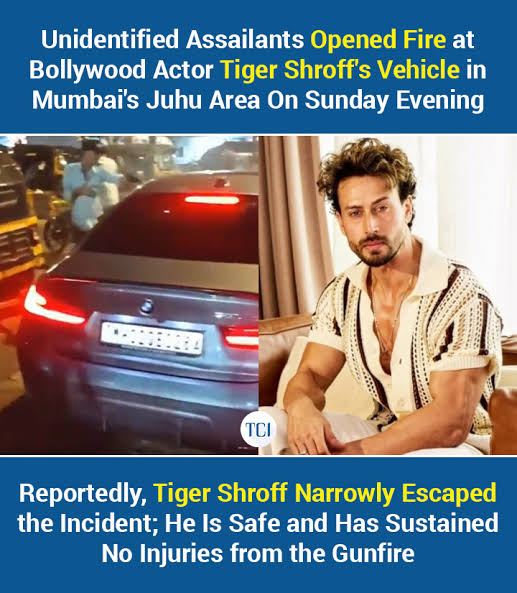
Personal security has become an important part of modern life. Whether travelling to work, walking through a crowded market, attending a public event, or staying at home, everyone needs to take practical steps to protect themselves and their loved ones. Recent reports about the firing incident involving Bollywood actor Tiger Shroff in Mumbai have once again brought public attention to personal safety and security. The incident, reported on October 18, 2026, involved gunfire directed at a vehicle associated with the actor. Police have been investigating the incident and examining the available evidence. Such incidents remind us why safety awareness, emergency preparedness, and effective security measures matter.
Celebrities may have professional security teams, trained bodyguards, surveillance systems, and controlled access to their homes. However, ordinary people can also improve their safety by developing simple habits and using appropriate technology. Personal security does not mean living in constant fear. It means recognising potential risks, making informed decisions, protecting private information, and knowing how to respond when something unexpected happens.
In this article, we explore 10 practical personal security tips that celebrities and everyday people can learn from to build safer routines.
Table of Contents
Why Is Personal Security Important?
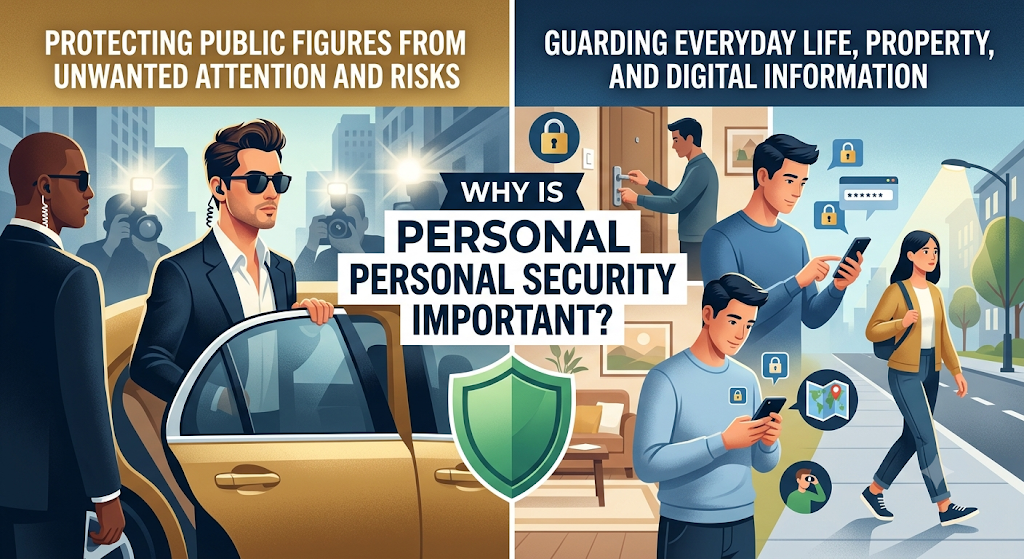
Personal security includes the precautions people take to protect their physical safety, property, privacy, and personal information. It covers everyday activities such as travelling, using social media, managing home access, and communicating with strangers.
Security risks can affect people from different backgrounds. For example, a celebrity might face unwanted attention in public, while an ordinary person might experience phone theft, online fraud, stalking, or an unsafe situation while travelling alone.
Although the specific risks differ, many basic safety principles remain the same.
Good personal security helps people:
- Recognise potentially unsafe situations.
- Protect their homes and belongings.
- Reduce exposure to online scams and privacy threats.
- Respond more effectively during emergencies.
- Maintain greater confidence while travelling or attending public places.
The goal is not to eliminate every possible risk. Instead, it is to reduce avoidable risks and prepare for situations that may require quick action.
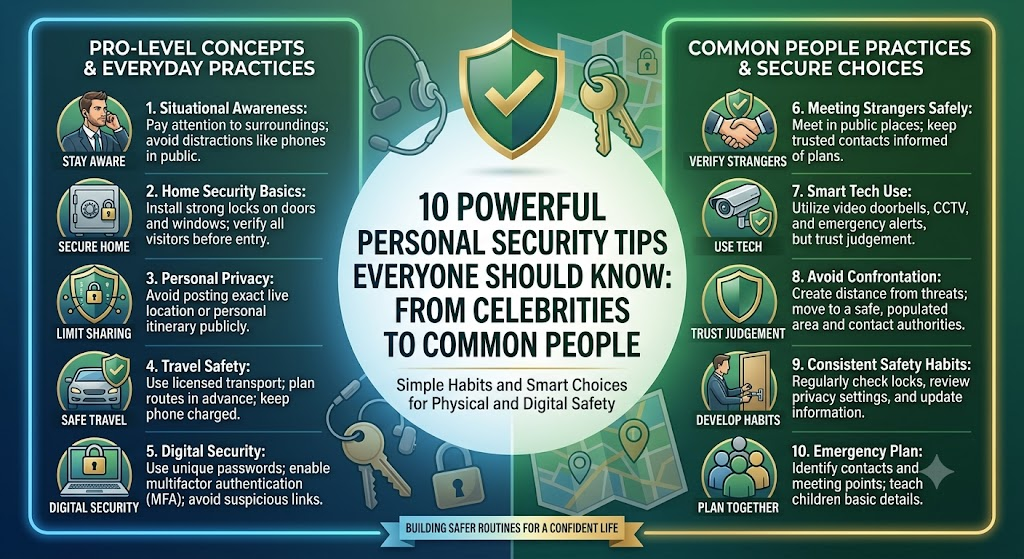
10 Personal Security Tips Everyone should Know
1. Stay Aware of Your Surroundings
Situational awareness is one of the simplest and most effective personal security habits. It means paying attention to what is happening around you rather than becoming completely absorbed in your phone, music, or other distractions.
Celebrities often depend on security professionals to monitor entrances, crowds, and nearby activity. Everyday people can practise similar awareness without requiring professional assistance.
For example, when walking through a parking area, notice the available exits, nearby people, lighting, and your route to a safe public place.
Practical safety tips:
- Avoid using your phone continuously while crossing roads or walking through unfamiliar areas.
- Choose well-lit streets and public pathways whenever possible.
- Notice changes in your surroundings without assuming that unfamiliar people are dangerous.
- If a situation makes you uncomfortable, move towards a staffed business or another populated, safer location.
- Trust your judgement, but avoid confronting or accusing someone based only on a suspicion.
Being aware of your surroundings can help you identify hazards early and make better decisions.
2. Protect Your Home With Basic security Measured
Home security is important for families, individuals living alone, and people who frequently travel for work. A secure home helps protect residents, personal belongings, and private information. Celebrities may use professional security staff and advanced surveillance systems. However, a well-maintained door lock, secure windows, and good lighting can also improve household safety.
Practical safety tips:
- Install reliable locks on doors and windows.
- Check that entrances are secured before going to sleep or leaving home.
- Use outdoor lighting near entrances where appropriate.
- Consider installing CCTV cameras or a video doorbell if suitable for your home and budget.
- Avoid sharing spare keys in obvious places.
- Verify the identity of delivery workers, maintenance staff, and other visitors before granting access.
If you use a smart security device, change its default password and install software updates. Review who can access its camera feeds and notifications. Remember that cameras are only one part of a security plan. Strong locks, sensible access controls, and safe household habits remain important.
3. Keep Your Location and Personal Information Private
Social media makes it easy to share photographs, travel plans, and everyday activities. However, sharing too much information can reveal details about your routine, location, or home.
Celebrities sometimes attract large crowds when their whereabouts become publicly known. Ordinary people can also expose themselves to unwanted attention by posting personal information without considering the consequences.
Practical safety tips:
- Avoid posting your exact live location publicly when you are alone.
- Consider sharing holiday photographs after returning home rather than during your absence.
- Review the privacy settings of your social media accounts.
- Avoid publishing your home address, personal phone number, or travel itinerary unnecessarily.
- Be cautious about posting photographs that reveal identifiable landmarks near your home.
- Ask family members to respect your privacy when sharing photographs or location details.
You do not need to stop using social media to protect yourself. Instead, think carefully about what you share, who can see it, and whether it could create an avoidable risk.
4. Follow Safe Travel Practices
Travelling to work, visiting unfamiliar places, or returning home late can introduce different safety challenges. Planning your journey and keeping someone informed can make travel more manageable.
Professional security teams may plan routes and coordinate transportation for public figures. Everyday travellers can adopt a simpler version of this approach.
Practical safety tips:
- Prefer licensed transport services and reputable public transportation.
- Check your route before starting an unfamiliar journey.
- Share your trip details with a trusted person when appropriate.
- Keep your phone charged and carry essential emergency contacts.
- Avoid displaying expensive belongings unnecessarily in crowded places.
- If you believe someone is following you, do not go directly home; move towards a safe, staffed public location and seek help.
When using a ride-hailing service, verify the vehicle details and driver information provided by the app before entering.
If you face an immediate threat in India, call 112, the national emergency response number. Avoid confronting a threatening person if doing so could increase the danger.
5. Strengthen Your Digital Security
Personal security extends beyond physical surroundings. Smartphones, email accounts, banking applications, and social media profiles contain information that criminals may try to access.
A compromised account can expose private conversations, financial information, photographs, and personal contacts.
Celebrities and public figures may face impersonation, account takeovers, and targeted scams. Everyday users face many of the same digital risks.
Practical safety tips:
- Use strong, unique passwords for important accounts.
- Enable multifactor authentication wherever available.
- Never share passwords, one-time passwords (OTPs), or banking PINs with anyone.
- Avoid clicking suspicious links in emails, messages, and social media posts.
- Keep your phone, applications, and operating system updated.
- Use official websites and applications for financial transactions.
- Review account login alerts and remove access you no longer need.
A password manager can help you create and maintain unique passwords without memorising every one.
If you receive a suspicious banking message or call, contact your bank through its official communication channels instead of using the contact details provided in the message.
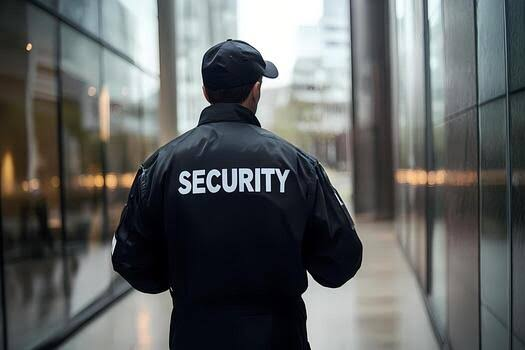
6. Prepare an Emergency Contact and Response Plan
Unexpected situations can occur at home, in public places, or while travelling. Knowing whom to contact and where to seek help can reduce confusion during an emergency.
Security professionals often establish communication procedures before an event. Families and individuals can also prepare a basic emergency plan.
Practical safety tips:
- Save important emergency contacts on your phone.
- Identify a trusted person who can assist you if needed.
- Teach children how to contact a trusted adult and communicate their basic details when age-appropriate.
- Identify emergency exits when entering large buildings or public venues.
- Agree on a meeting point with family members for situations in which you become separated.
- Keep essential medicines and emergency supplies accessible where appropriate.
During an emergency, prioritise getting to safety. Follow instructions from emergency personnel and avoid spreading unverified information. In India, 112 can be used to request emergency assistance. You can also check whether your state or local authorities provide additional emergency services relevant to your area.
7. Be Careful When Meeting Strangers
Meeting new people is a normal part of professional and personal life. However, it is important to establish appropriate boundaries and verify information when necessary.
Celebrities may receive invitations from unfamiliar people, while ordinary individuals may encounter strangers through online marketplaces, job offers, social networks, or dating applications.
Practical safety tips:
- Meet unfamiliar people in public places when possible.
- Inform a trusted person about important meetings with someone you do not know.
- Avoid sharing financial details, identification documents, or passwords without a legitimate reason.
- Verify professional credentials or business details when appropriate.
- Be cautious about unexpected requests for money, urgent assistance, or confidential information.
- Leave a meeting if you feel unsafe.
Be especially careful with people who pressure you to act immediately, discourage you from asking questions, or demand secrecy around financial transactions. Healthy boundaries and sensible verification can help reduce the risk of fraud, manipulation, and unsafe encounters.
8. Use Security Technology Wisely
Modern security technology can make everyday safety easier to manage. CCTV cameras, video doorbells, smartphone location-sharing features, and emergency alert functions can help people monitor their surroundings and communicate when assistance is needed.
However, technology works best when it supports good judgement rather than replacing it.
Useful security technologies include:
- CCTV cameras: Help monitor entrances and record activity around a property.
- Video doorbells: Allow residents to check visitors before opening the door.
- Emergency SOS features: May contact emergency services or selected contacts, depending on the device and its settings.
- Location sharing: Allows trusted contacts to see your location when you choose to share it.
- Device tracking: Can help locate a lost phone, subject to device settings and connectivity.
Before purchasing a device, check its features, privacy policy, ongoing costs, and compatibility with your existing equipment.
Use strong authentication and restrict access to trusted people. For example, do not give unnecessary camera permissions to third-party applications. Security technology should make you better prepared, not encourage you to take risks because you assume a device will always protect you.
9. Avoid Confrontation and Learn Basic Safety Responses
When a person encounters suspicious behaviour or a threatening situation, the natural reaction may be to argue, investigate, or confront the individual. However, confrontation can sometimes increase the danger.
A safer response often involves creating distance, moving towards a secure location, and contacting appropriate authorities.
Practical safety tips:
- Do not attempt to investigate a suspected crime yourself.
- Avoid threatening or provoking an aggressive person.
- Move away from a dangerous situation when it is safe to do so.
- Seek help from security personnel, nearby staff, or emergency services.
- If you hear gunshots, do not move towards the sound to investigate. If safe, leave the danger area; otherwise, take cover behind substantial protection and follow emergency instructions.
- Consider learning basic first aid from a recognised training provider.
If you witness a crime, provide relevant information to the authorities when it is safe. Avoid touching potential evidence or circulating graphic footage and unverified claims online.
Staying calm does not mean ignoring danger. It means choosing actions that prioritise your safety and the safety of others.
10. develop Consistent personal Safety Habits
Personal security is not a one-time activity. It becomes more effective when small precautions are repeated until they become part of everyday life.
Celebrities may have formal security procedures, but ordinary people can also build a routine that fits their circumstances, budget, and lifestyle.
Simple habits to practise regularly:
- Check that your doors and windows are locked before leaving home.
- Keep your phone charged before travelling.
- Review your social media privacy settings periodically.
- Update important passwords and enable multifactor authentication.
- Keep emergency contacts easy to access.
- Discuss age-appropriate safety rules with family members.
- Review your usual routes and identify safer alternatives.
- Learn how to use emergency features on your phone before you need them.
You do not need expensive equipment to begin improving your personal security. Start with the precautions most relevant to your daily routine, then gradually address other risks.
Consistency is more valuable than purchasing security products that you do not use correctly.
Common Personal Security Mistakes to Avoid
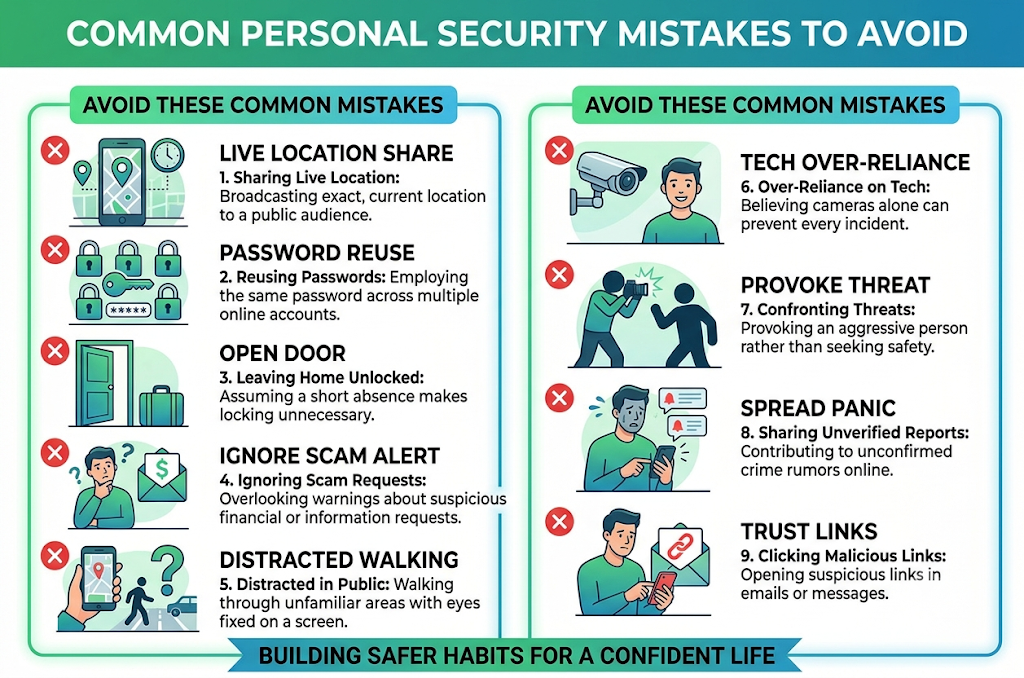
Even people who understand the importance of safety can develop habits that expose them to unnecessary risks.
Some common mistakes include:
- Sharing live location information with a public audience.
- Reusing the same password across multiple accounts.
- Leaving doors unlocked because they will be away only briefly.
- Ignoring suspicious financial requests.
- Walking through unfamiliar areas while distracted by a phone.
- Assuming that security cameras alone can prevent every incident.
- Confronting a threatening person instead of seeking safety.
- Sharing unverified crime reports that may cause unnecessary panic.
Recognising these mistakes is the first step towards building safer habits. Focus on practical improvements rather than becoming fearful of every unfamiliar person or situation.
How Can Families Improve Personal Security Together?
Personal security becomes easier to maintain when family members understand the same basic precautions. Parents can teach children how to identify trusted adults, ask for help, and respond if they become separated from their caregivers. Adults can agree on emergency contacts, travel updates, and meeting points. Families should also discuss online safety, including the risks of sharing photographs, school details, addresses, and travel plans publicly.
For older adults, additional support may include helping them recognise fraudulent calls, install phone security updates, and access emergency contacts. These conversations should be age-appropriate, practical, and reassuring. The objective is to build confidence and awareness rather than create unnecessary anxiety.
Conclusion
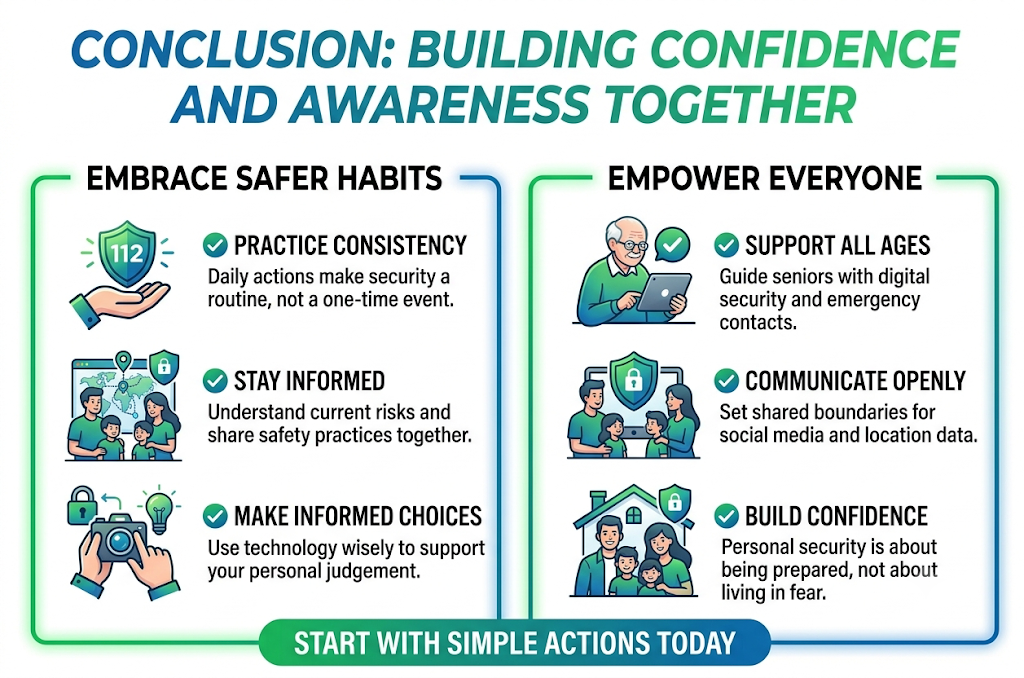
Personal security is not limited to celebrities, public figures, or people who can afford professional protection. It is an essential part of everyday life for anyone who wants to protect their physical safety, privacy, belongings, and family. Incidents involving well-known personalities can draw attention to security concerns, but the lessons extend far beyond the entertainment industry.
Staying aware of your surroundings, securing your home, protecting personal information, travelling carefully, and preparing for emergencies can help reduce avoidable risks. Technology can provide additional support through cameras, emergency features, and account security tools. However, these tools are most effective when combined with sensible decisions and consistent habits. Start with a few simple changes today. Review your online privacy settings, save emergency contacts, check your home security, and make a plan for situations that may require assistance.
Remember: personal security is not about living in fear. It is about being prepared, making informed choices, and taking reasonable steps to protect yourself and the people you care about.
FAQs
1. What are the most important personal security tips?
The most important personal security tips include staying aware of your surroundings, securing your home, protecting personal information, using strong passwords, planning journeys, and knowing how to contact emergency services.
2. How can I improve my personal security without spending much money?
You can improve personal security by locking doors and windows, limiting public location sharing, using unique passwords, enabling multifactor authentication, keeping your phone charged, and informing a trusted person about important journeys.
3. Why is digital security part of personal safety?
Digital security helps protect private information, financial accounts, communications, and location details. Strong passwords, multifactor authentication, and careful handling of suspicious messages can reduce the risk of account compromise and online fraud.
4. What should I do if I feel unsafe in public?
Move towards a safer, staffed public location, avoid confrontation, contact a trusted person, and call emergency services if necessary. In India, dial 112 for emergency assistance.
5. Can security technology guarantee personal safety?
No. CCTV cameras, tracking features, and emergency alerts can provide useful support, but they cannot guarantee safety. They should be combined with situational awareness, sensible precautions, and appropriate emergency responses.
6. How can I protect my personal information on social media? Use privacy settings to control who can view your posts, avoid sharing your live location publicly, and never publish sensitive information such as your home address, financial details, or travel plans.
7. What home security measures are best for beginners? Start by installing reliable door and window locks, improving outdoor lighting, checking entrances regularly, and securing spare keys. You can also consider CCTV cameras or a video doorbell based on your budget.
8. How can I stay safe while travelling alone? Plan your route in advance, use trusted transportation, keep your phone charged, and share your journey details with a trusted person when appropriate. If you feel unsafe, move towards a staffed public place and seek assistance.
9. What role does technology play in personal security? Technology supports personal security through surveillance cameras, emergency SOS features, smartphone tracking, and digital account protection. These tools can improve awareness and communication, but they should not replace practical safety precautions.
10. What should I do if I receive a suspicious call or message? Avoid clicking unknown links or sharing passwords, OTPs, banking PINs, or financial information. Verify the sender through official channels, block or report suspicious contacts, and contact your bank or the appropriate authorities if you suspect fraud.


