

Introduction
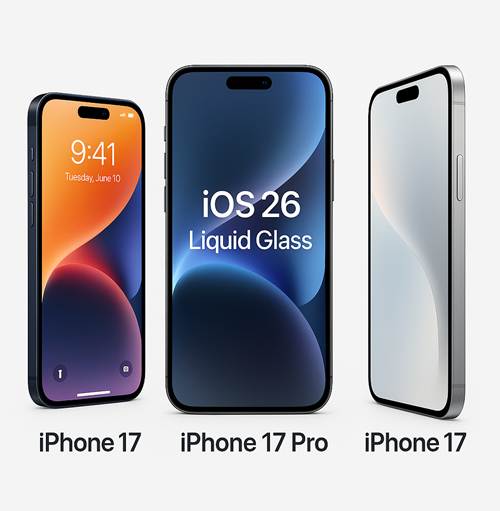
Every September, the world waits to see what Apple has up its sleeve. This year, the wait ended with the “Awe-Dropping” Event 2025, and honestly, Apple lived up to the hype. The star attractions? The iPhone 17 lineup and the sleek, futuristic iOS 26 with Liquid Glass design.
Apple didn’t just polish last year’s formula. Instead, they introduced a thinner, smarter iPhone 17 Air, more powerful Pro models, and an entirely new look for iOS. If you’ve been using an iPhone for years, the interface will feel familiar but fresher — almost like looking at the future through glass.
In this piece, let’s dive into everything you need to know: the new iPhone models, the Liquid Glass UI, what’s good, what’s not-so-good, how it stacks against rivals like Samsung and Google, and what it means for Apple’s future.
iPhone 17 Series Overview
The iPhone 17 family is Apple’s latest attempt to balance innovation with reliability. There’s something for everyone — casual users, professionals, and those who just want the thinnest phone possible.
iPhone 17 Standard Model
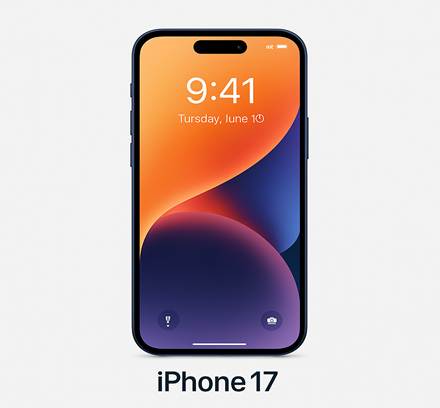
The base iPhone 17 sticks to Apple’s winning recipe:
- The new A17 Fusion chip ensures apps launch quickly and games run smoother.
- Display is brighter and bezels are thinner, giving more screen in the same body.
- Battery life has improved by nearly two hours over the iPhone 16.
Real-world vibe: If you’re a student juggling Zoom calls, Spotify, and Instagram, the iPhone 17 won’t lag behind. It’s reliable, sharp, and lasts longer during the day — exactly what most people want.
iPhone 17 Pro & Pro Max
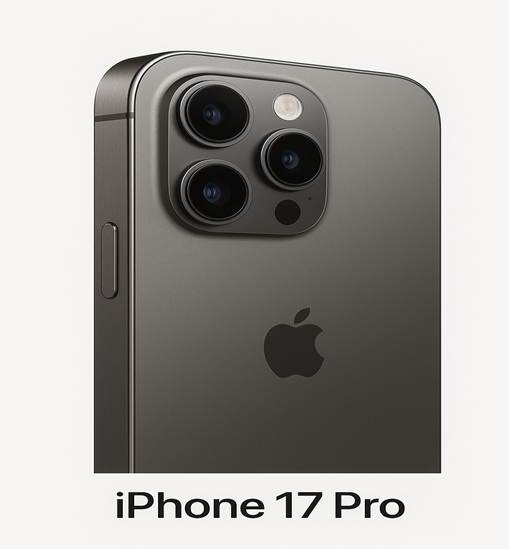
The Pro line continues to target creators, gamers, and professionals.
- Camera upgrade: Triple-lens system with AI helping in editing, low-light photography, and even auto-removing unwanted objects.
- Titanium build: Feels lighter but tougher, making it premium yet durable.
- 2TB storage option: Enough for filmmakers or photographers who live on-the-go.
- ProMotion 2.0: Perfect for gaming and AR, smoother than ever.
Real-world vibe: A travel vlogger can shoot 8K videos on the go, edit them directly on the phone, and upload instantly. Basically, this iPhone doubles as a pro-grade camera.
iPhone 17 Air (Ultra-Thin Marvel)
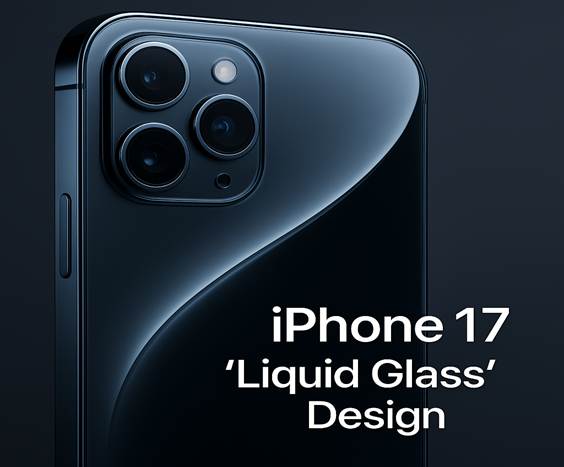
Apple knows design sells, and the iPhone 17 Air proves it. At just 5.1mm thick, it’s the thinnest iPhone yet.
- Ultra-light and portable.
- But sacrifices some things: smaller battery and slightly weaker speakers.
- Perfect for style-conscious users or people who prefer carrying something slim.
Real-world vibe: Imagine a business traveler constantly on flights. The Air slips into any pocket, looks futuristic during meetings, but may need a power bank on long journeys.
iOS 26 Liquid Glass Design
What is Liquid Glass?
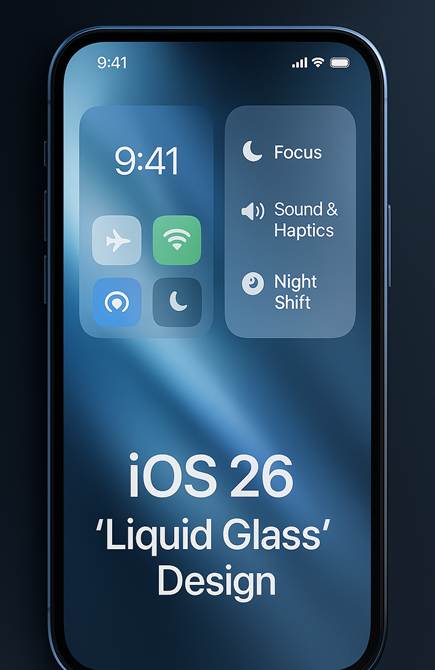
Liquid Glass is Apple’s new design philosophy for iOS. Instead of flat menus and static icons, the OS feels alive — translucent panels, fluid movements, and layered animations that create depth.
If you remember how iOS 7 shocked people with its minimal “flat” design, Liquid Glass is that kind of game-changer. Some love it, some are skeptical, but everyone’s talking about it.
Visual & Functional Changes
- Translucent panels: Notifications and settings feel like floating glass sheets.
- Animations: Opening and closing apps looks buttery smooth.
- Icons: Slightly 3D, catching light differently as you scroll.
- Lock screen: Widgets and wallpapers blend, making your phone feel more personal.
It’s not just about beauty — the UI feels quicker and more natural when multitasking.
Ecosystem Impact
Apple never thinks small. Liquid Glass now spans across:
- iPadOS 26: Split-screen apps feel layered instead of cramped.
- macOS Sequoia: Finder windows adopt the new glass look, keeping Macs consistent.
- watchOS 11: Even tiny Apple Watch screens look glossy and more readable.
Basically, no matter what Apple device you use, the experience feels unified.
Key Advantages of iPhone 17 + iOS 26
Premium Feel
Between titanium builds and the glassy UI, Apple devices have never looked or felt more premium. Holding the iPhone 17 Air is like holding a concept phone — except it’s real.
AI Superpowers
Apple finally pushed AI to the forefront:
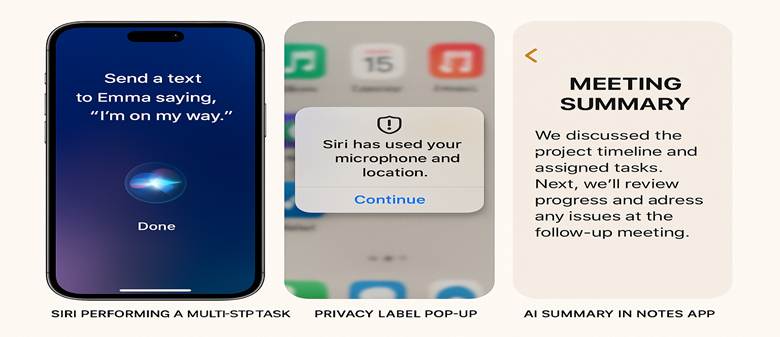
- Siri now understands chained commands.
- Notes app can auto-summarize meetings.
- Photos let you clean up backgrounds instantly.
All this, while mostly running on-device to keep your data private.
Gaming Performance
Gamers get a treat with:
- Faster graphics processing.
- Better cooling, so fewer heating issues.
- ProMotion 2.0 making action smoother.
Accessibility
Apple added thoughtful features:
- Voice cloning for people with speech challenges.
- AI-driven screen readers that explain images more clearly.
Ecosystem Power
Apple knows its ecosystem is its biggest strength. With iOS 26:
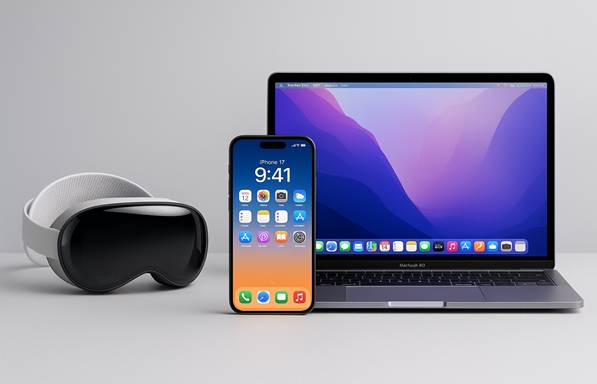
- iPhone syncs instantly with Vision Pro.
- AirPods auto-tune based on your environment.
- Mac and iPhone integration (Universal Control 2.0) is seamless.
Comparison with Competitors
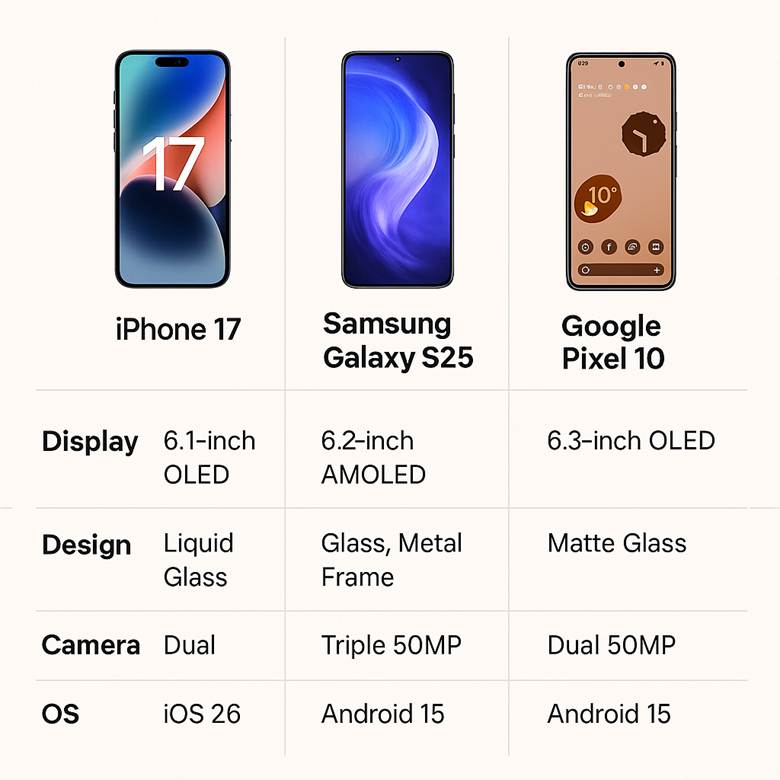
iPhone 17 vs iPhone 16
- Faster chip.
- Slimmer bezels.
- Liquid Glass vs iOS 25’s flat look.
- Pro models now have AI-driven cameras.
iPhone 17 vs Samsung Galaxy S25 Ultra
- Samsung wins at crazy hardware (zoom cameras).
- Apple wins in ecosystem reliability and polished design.
- UI: Material You (Android) vs Liquid Glass (iOS).
iPhone 17 vs Google Pixel 10 Pro
- Pixel wins in software photography tricks.
- Apple balances AI features with smoother performance.
iOS 26 vs Android 15
- Android: more customization.
- iOS: smoother, more private, and better long-term support.
Challenges & Limitations
Pricing
Apple isn’t getting cheaper:
- US pricing remains premium.
- In India, tariffs push iPhone 17 Pro Max near ₹1.5 lakh.
- iPhone 17 Air, despite being thinner, doesn’t cost less.
Battery
Design compromises = smaller batteries:
- iPhone 17 Air drains faster.
- High-refresh rate on Pro models also eats power.
Environment
- Ultra-thin designs make repair harder.
- Frequent charging cycles shorten battery life → e-waste concerns.
Future Implications
Long-Term Design
Liquid Glass isn’t a one-year gimmick. Expect it to stay for the next 4–5 iOS versions.
Developer Challenges
Apps need redesigns to blend with Liquid Glass. Developers who lag behind risk looking outdated.
AR & Mixed Reality
Apple is clearly aligning with Vision Pro. The layered UI looks like it belongs in AR.
The Road to iPhone 18
Rumors suggest Apple might reveal its first foldable iPhone in 2026. If that happens, Liquid Glass will be the bridge for smooth foldable transitions.
Hidden Features in iOS 26
- AI wallpapers that adapt to time and weather.
- Spotlight Search works more like ChatGPT now — you can type natural questions.
- Lock screen customization beyond widgets (fonts, layouts).
- AI filters in Camera for instant pro-level shots.
5 Things Apple Didn’t Shout About
- USB-C speeds are still capped on non-Pro models.
- iPhone 17 Air battery is smaller than even iPhone 14’s.
- Some Liquid Glass animations only appear on Pro models.
- Vision Pro support is exclusive to iPhone 17 and newer.
- Foldable prototypes are in testing for 2026.
User Reactions & Expert Takes
- On Reddit: “Liquid Glass finally makes iOS feel alive.”
- On Twitter/X: Some love the design, others complain about Air’s weak battery.
- Experts: Many call iOS 26 the biggest design change since iOS 7.
- Analysts: Despite pricing, expect record sales.
Conclusion
The iPhone 17 Series and iOS 26 with Liquid Glass show Apple isn’t slowing down. The Air model proves Apple still cares about bold design. The Pro models remind us why creators stick with iPhones. And the Liquid Glass UI? It’s the start of a new era, much like iOS 7 was a decade ago.
Yes, pricing is high and the Air’s battery feels weak, but the balance of innovation, ecosystem, and polish makes this launch worth the buzz.
For Apple fans, this isn’t just another upgrade — it’s a peek into the next five years of iOS. And if you ask me, Apple just made its devices feel futuristic again.
FAQs
Q1. What is Liquid Glass?
A new iOS design language with translucent, fluid UI.
Q2. Which iPhones support iOS 26?
iPhone 13 and later. Full Liquid Glass effects shine on iPhone 15+.
Q3. Is iPhone 17 Air worth it?
Yes if you value design. No if you need long battery.
Q4. Does iOS 26 hurt battery life?
A little, but optimizations help balance it.
Q5. How’s iPhone 17 for gaming?
Fantastic — smoother graphics and cooling.
Q6. Does iOS 26 improve photography?
Yes, AI clean-up and editing make it pro-level.
Q7. Is Vision Pro integration good?
Yes, it’s seamless if you own one.
Q8. How does it compare to Samsung Galaxy S25?
Apple wins in ecosystem, Samsung in hardware variety.
Q9. Does iPhone 17 support faster charging?
Only Pro models get full-speed USB-C.
Q10. How much in India?
Base model starts ~₹80,000; Pro Max near ₹1.5 lakh.
Q11. Is it eco-friendly?
Not entirely — thinner designs are harder to repair.
Q12. What’s new for accessibility?
Voice cloning and smarter screen readers.
Q13. Can developers use Liquid Glass effects?
Yes, new APIs allow full integration.
Q14. Should I upgrade from iPhone 15?
If you crave AI + Liquid Glass, yes. Otherwise, wait.
Q15. What’s next for Apple?
Possibly a foldable iPhone in 2026.
Stay updated – follow us for more tips | Inkontrend


