

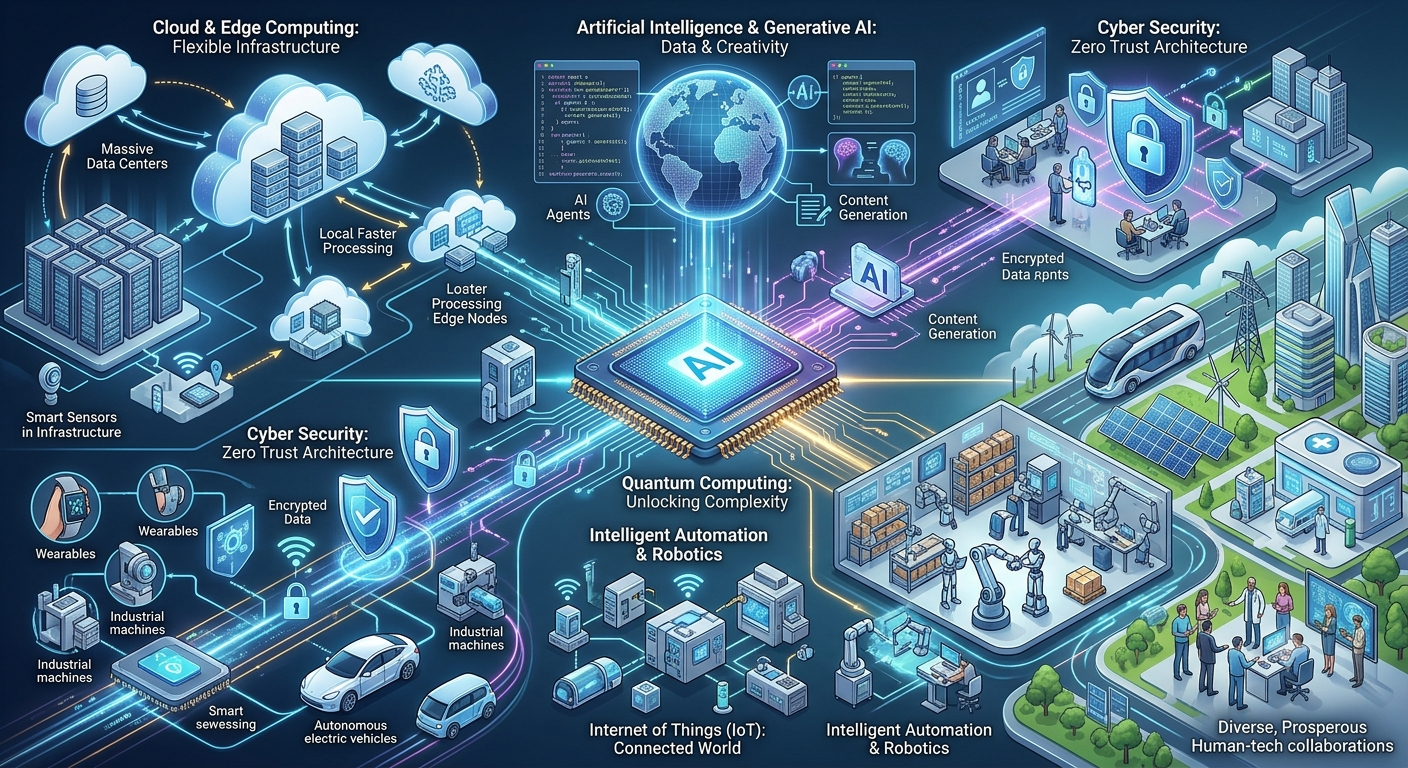
Introduction of Technologies
Technologies that once seemed futuristic are now becoming practical tools for businesses, governments, developers, and everyday users. In 2026, artificial intelligence, cloud computing, cyber security, quantum computing, edge computing, and automation are changing how organisations create products, manage information, communicate, and solve complex problems. The future of IT is not being shaped by one technology alone.
Instead, several powerful technologies are developing together and creating new possibilities. Businesses that understand these changes can improve efficiency, strengthen security, reduce costs, and deliver better digital experiences. This article explores the revolutionary technologies shaping the future of IT in 2026 and explains why they matter.
Table of Contents
Artificial Intelligence and Generative AI
Artificial intelligence (AI) is one of the most important technologies influencing IT in 2026. AI systems can analyse large amounts of information, identify patterns, automate repetitive tasks, and support decision-making. Generative AI has expanded the capabilities of traditional AI by allowing systems to create text, images, code, audio, and other forms of content. Developers can use AI assistants to generate code, identify errors, create documentation, and explain complex programming concepts. Businesses are also using AI for customer support, data analysis, marketing, software development, and workflow automation.
Why AI Matters for IT
AI helps organisations to do:
- Analyse large dtabase
- Automate repetitive tasks
- Improve customer experiences
- Detect unusual activities
- Assist software developers
- Generate technical documentation
- Improve business decision making
However, AI also creates challenges. Organisations need to consider data privacy, accuracy, security, copyright, and responsible AI usage. Human supervision remains important, particularly where AI systems are used for important business decisions.
Cloud Computing
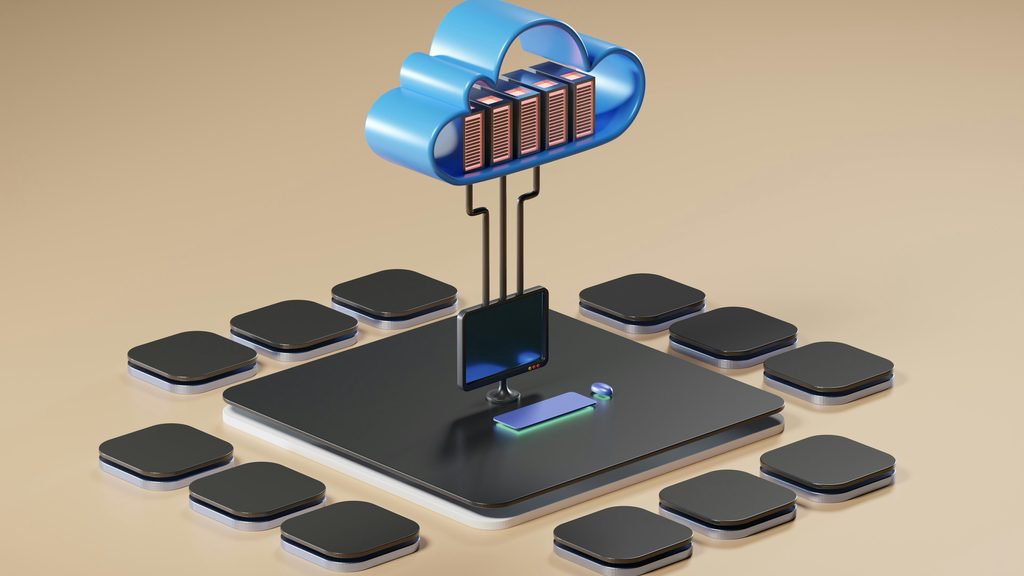
Cloud computing is a part of modern IT infrastructure in technology. Instead of purchasing and maintaining all computing resources locally, organisations can access computing power, storage, databases, and software through cloud platforms. In 2026, cloud computing continues to evolve through hybrid and multi-cloud strategies. Businesses may use multiple cloud providers or combine cloud infrastructure with their own data centres. Cloud technology is particularly useful for organisations that need flexibility. Companies can increase or decrease computing resources according to demand instead of investing heavily in physical infrastructure.
Benefits of cloud computing
- Flexible infrastructure
- Scaleble computing resources
- Remote accessibility
- Faster deployment
- Reduced infrastructure maintenance
- Backup and disaster recovery options
Cloud computing also supports other emerging technologies, including AI, big data analytics, and machine learning.
Edge Computing
As more devices generate data, sending everything to a centralised cloud environment can create delays and increase network traffic. Edge computing find this challenge by processing data close from where it is generated like, smart cameras, industrial machines, autonomous systems, and devices can process certain information locally instead of sending all data to a distant data centre. This can reduce latency and support applications that require rapid responses.
Where edge computing can be useful in:
- Smart cities
- Manufacturing
- Healthcare technology
- Autonomous vehicles
- Retail
- Real time monitoring
Edge computing and cloud computing are not necessarily competitors. They can work together. Edge devices can process time sensitive information locally while the cloud handles large scale storage and deeper analysis.
Quantum Computing
Quantum computing presents different approach to computation. Traditional computers use bits, while quantum computers use quantum bits, commonly called Qubits. Quantum computing is still developing, but it has the potential to solve certain highly complex problems that are difficult for conventional computers.
Potential applications include:
- Scientific research
- Drug discovery
- Optimisation
- Materials science
- Cryptography
- Complex simulations
Quantum computing is not expected to replace ordinary computers for everyday tasks. Instead, it may become a specialised technology for particular computational problems. One important area of concern is cyber security. Future quantum computers could potentially threaten some existing encryption techniques. As a result, organisations are increasingly interested in post-quantum cryptography, which aims to develop encryption methods designed to withstand quantum attacks.
Cyber security and Zero Trust Architecture
As businesses become more dependent on digital systems, cyber security is becoming an increasingly important part of IT strategy.
Cyber attacks can target applications, networks, cloud infrastructure, employee accounts, and sensitive information. At the same time, organisations are supporting remote and hybrid work, making traditional security models less effective. The basic principle of Zero Trust is that users and devices should not automatically be trusted simply because they are inside an organisation’s network. Access should be continuously verified based on identity, device status, permissions, and other security factors.
important cyber security technologies involves:
- Multi-factor authentication
- Identity and access management
- Endpoint security
- Threat detection
- Zero trust architecture
- AI-assisted security analysis
Cyber security professionals will therefore remain highly valuable as organisations adapt more connected technologies.
Internet of Things
The Internet of Things (IoT) connects physical devices to networks so they can collect, exchange, and sometimes act on data.
IoT devices can include smart appliances, industrial sensors, wearable devices, vehicles, security systems, and medical equipment.
In business environments, IoT can help organisations monitor equipment and identify potential problems before they become major failures.
For example, sensors in a manufacturing environment can monitor temperature, vibration, or pressure. Data from these sensors can help technicians identify unusual behaviour and schedule maintenance. IoT is becoming even more powerful when combined with AI and edge computing. Devices can collect data, edge systems can process it quickly, and AI can identify useful patterns.
Intelligent Automation and Robotics
Automation is a part of technologies for many years, but modern automation is becoming more intelligent. Traditional automation generally follows predefined rules. AI-powered automation can analyse information, recognise patterns, and support more complex workflows.
Businesses can use automation for tasks like:
- Data entry
- Customer support
- Software testing
- Document processing
- It monitoring
- Report generation
- Workflow management
Robotics are also developing alongside AI. Intelligent robots can potentially operate in warehouse, factories, healthcare environments, and other industries. The goal is not simply to replace human workers. In many situations, automation can take over repetitive tasks while humans focus on creativity, communication, problem-solving, and strategic decision.
Blockchain and Decentralised Technologies
blockchain technology become widely known through cryptocurrencies, but its potential applications extend beyond digital currencies. a blockchain is a distributed digital ledger that record transactions or other information in a way that can make unauthorised changes difficult.
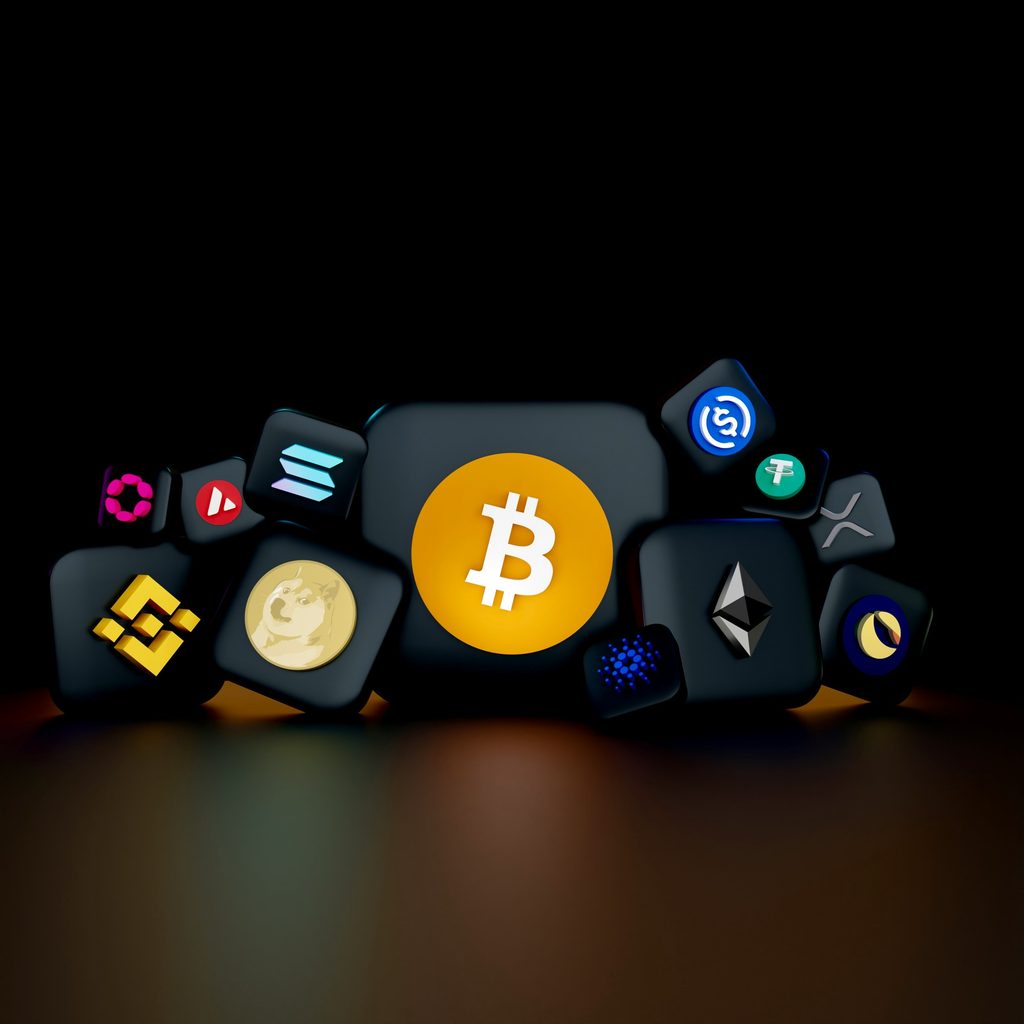
Potential applications include:
- Digital identity
- Supply-chain tracking
- Financial services
- Digital certificates
- Secure record management
- Smart contracts
Blockchain is not the solution for every IT problem. Organisations need to consider performance, scalability, cost, governance,and regulatory requirements before adopting it. Nevertheless, decentralised technologies continue to influence discussion about digital ownership, identity, and trust.
Digital Twins
A digital twin is a digital representation of a physical object, system, or environment. It can use real real-world data to represent the condition and behaviour of its physical counterpart. For example, a manufacturing company can create a digital model of a machine and use sensor data to monitor its performance.
Digital twins can help organisations to do:
- Monitor equipement
- Predict maintenance requirements
- Test changes virtually
- Improve operational efficiency
- Reduce downtime
- Understand complex systems
Digital twins can become particularly powerful when combined wit IoT, AI, cloud computing, and simulation technologies.
Advanced Data Analytics
Data has become one of the most valuable resources for modern organisations. However, collecting data is only useful when businesses can turn it into meaningful information. Advanced analytics uses technologies such as AI, machine learning, data visualisation, and cloud platforms to analyse large and complex datasets. Organisations can use analytics to understand customer behaviour, identify business trends, monitor operations, and improve decision-making. The future of IT will therefore require professionals who understand both technology and data.
Spatial Computing and Extended Reality
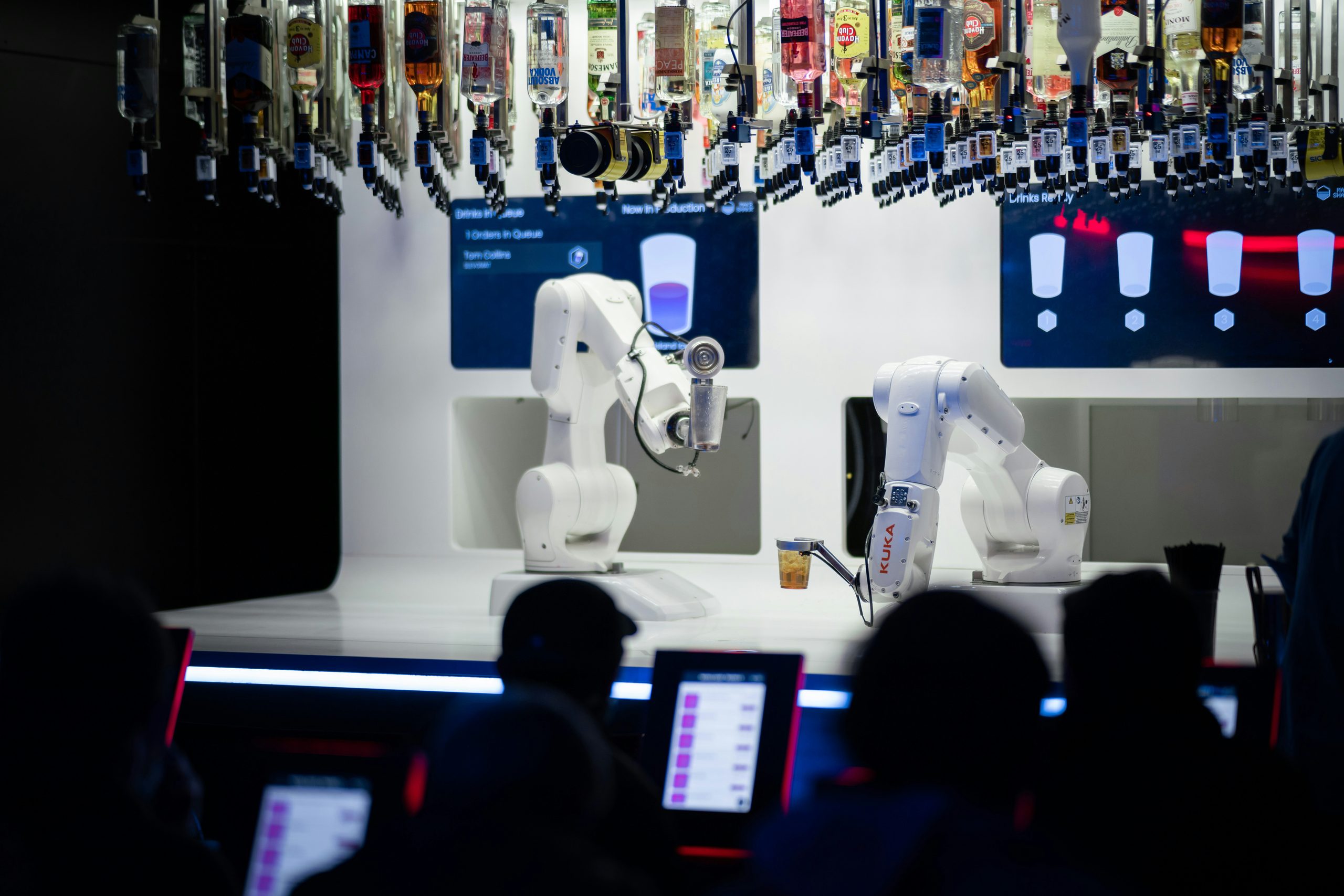
Spatial computing combines digital information with physical environments. Technologies such as augmented reality (AR), virtual reality (VR), and mixed reality (MR) are important parts of this area. These technologies can create immersive experiences for training, education, design, entertainment, healthcare, and collaboration. For example, companies can use virtual environments to train employees without requiring access to expensive physical equipment. Engineers can also visualise digital models in three-dimensional environments.
As hardware and software improve, spatial computing could become another important interface between people and digital systems.
The Convergence of Emerging Technologies
One of the biggest changes in IT is not simply the development of individual technologies. It is the way these technologies work together.
Consider a smart factory:
IoT sensors → Edge computing → Cloud platform → AI analytics → Automated action
Sensors collect information from machines. Edge computing processes time-sensitive information. Cloud infrastructure stores and manages large datasets. AI analyzes the information and identifies patterns. Automation can then trigger an appropriate response.
This combination creates a much more intelligent system than any individual technology could provide alone.
How These Technologies Will Affect IT Careers
The growth of emerging technologies is also changing the skills companies need. IT professionals may increasingly benefit from knowledge of:
- Artificial Intelligence
- Cloud computing
- Cybersecurity
- Data analytics
- Automation
- Networking
- DevOps
- APIs
- Database technologies
- Technical documentation
At the same time, soft skills remain important. Communication, problem-solving, critical thinking, and the ability to explain complex technical concepts clearly are valuable across many IT roles. For beginners, it is not necessary to learn every emerging technology at once. Building strong fundamentals and then specialising in one or two areas can be a more practical approach.
Conclusion
The revolutionary technologies shaping the future of IT in 2026 are changing much more than computers and software. They are transforming business processes, cyber security, communication, manufacturing, healthcare, education, and many other areas. Artificial intelligence, cloud computing, edge computing, quantum computing, cyber security, IoT, automation, blockchain, digital twins, advanced analytics, and spatial computing each offer unique opportunities.
However, technology alone does not guarantee success. Organisations must adopt these technologies responsibly, protect their data, train their employees, and focus on solving real-world problems. For IT professionals and beginners, this transformation creates exciting opportunities. Learning strong fundamentals and gradually developing skills in emerging technologies can help professionals remain prepared for the rapidly changing digital world. The future of IT is not just about adopting new technology—it is about using technology intelligently to create faster, safer, and more innovative digital experiences.
Frequently Asked Questions (FAQs)
Q. What are the revolutionary technologies shaping the future of IT in 2026?
Major technologies include artificial intelligence, generative AI, cloud computing, edge computing, quantum computing, cyber security, IoT, automation, blockchain, digital twins, and spatial computing.
Q. How is AI changing the IT industry in 2026?
AI is helping businesses automate repetitive tasks, analyse large dataset, develop software, improve customer support, detect security, threats, and make faster decisions.
Q. What is edge computing and why it is important?
Edge computing processes data closer to where it is generated instead of sending everything to a centralised cloud. This can reduce latency and improve the performance of real-time applications.
Q. Why cloud computing is important for the future of IT?
Cloud computing provides scalable computing resources, storage, databases, and applications without requiring organizations to maintain all infrastructure themselves. It also supports technologies such as AI, IoT, and big data analytics.
Q. What IT skills should beginners learn for the future?
Beginners can start with computer and networking fundamentals, cloud computing, cyber security, AI basics, databases, APIs, automation, and technical communication. Strong problem-solving and communication skills are also valuable.


