

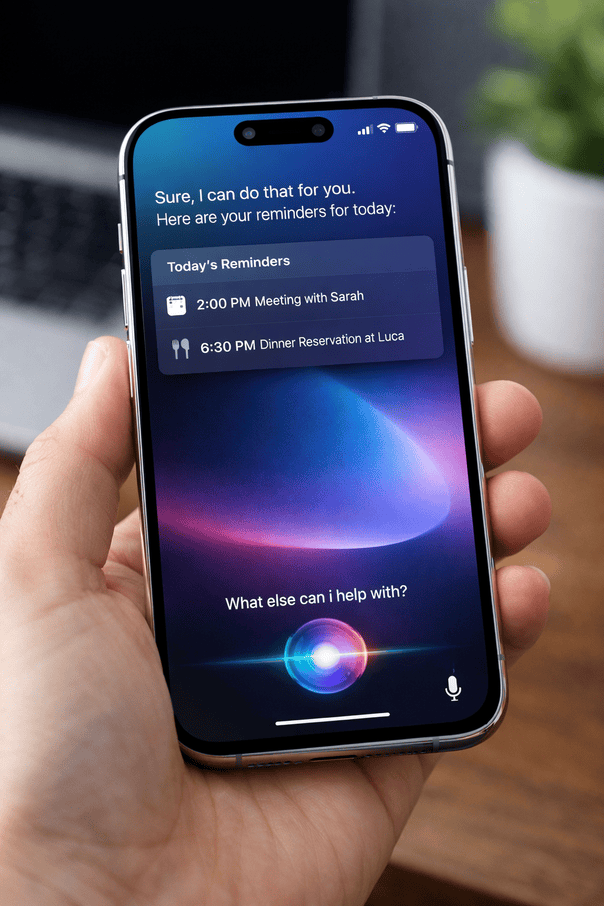
Introducing how Apple AI in iOS 27 revolutionizes Siri with advanced AI intelligence, a dedicated chatbot interface, and contextual awareness. Explore the breakthrough features that make Siri smarter, faster, and more intuitive than ever before.
Table of Contents
Introduction: A New Gen of Siri in Apple AI
Apple officially introduced iOS 27 with Apple AI at WWDC 2026, setting the stage for a new era of intelligent mobile experiences. The Developer Beta was released on June 8, 2026, giving developers early access to test the enhanced Siri AI and integrate its capabilities into their apps.
Following this, the Public Beta is scheduled to roll out in mid-to-late July 2026, allowing a wider audience to experience the transformative power of Apple AI before the final release. This phase ensures that feedback from millions of users helps refine performance, stability, and usability across supported devices.
The Stable Release of iOS 27 is expected in September 2026, coinciding with the launch of the iPhone 18 Pro and iPhone 18 Pro Max. This timing highlights Apple’s strategy of pairing groundbreaking software with cutting‑edge hardware to maximize impact.
In terms of compatibility, iOS 27 with Apple AI will be available on iPhones starting from the iPhone 11 series onward, ensuring broad accessibility and allowing a large user base to benefit from Siri’s smarter, more proactive capabilities.
Apple AI Transformation
The Apple AI framework in iOS 27 enhances Siri with:
- Siri can read live screen content, analyze images, and provide relevant answers.
- It syncs conversations across devices via iCloud, remembers preferences, and adapts to workflows.
- Siri can create calendar events from chats, suggest replies, and automate tasks across apps.
- Apple AI leverages on‑device intelligence and Private Cloud Compute to keep user data secure.
The introduction of iOS 27 positions Siri as a direct competitor to platforms like ChatGPT, Claude, and Gemini. By embedding generative AI into everyday tasks, Apple ensures Siri is not only smarter but also more intuitive, proactive, and indispensable for productivity and personalization. This leap forward cements Apple’s role in shaping the future of mobile AI.
Dedicated Siri App Experience
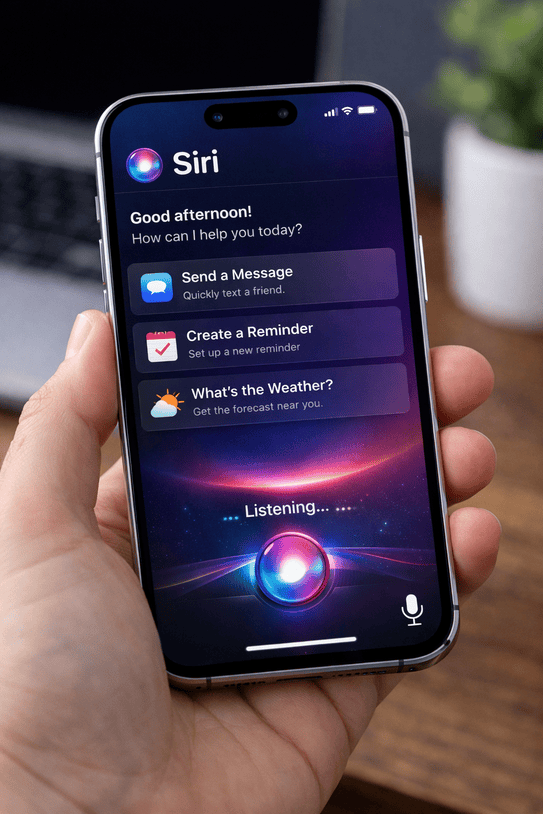
With iOS 27, Apple has given Siri its own standalone app, marking a significant shift in how users interact with their devices. Instead of being tucked away as a background voice assistant, Siri now exists as a central hub where conversations feel natural, fluid, and human‑like. The new chatbot‑style interface allows users to engage in extended dialogues, making interactions more intuitive and less command‑driven.
The design emphasizes simplicity and clarity. The interface is sleek, minimal, and easy to navigate, ensuring that even complex tasks can be handled without friction. By integrating contextual cards directly into the conversation, Siri can surface relevant information such as schedules, reminders, or app suggestions at the right moment. This means users can act quickly without leaving the chat environment, creating a seamless flow between communication and productivity.
Apple’s focus on Apple AI ensures that Siri adapts to individual needs, remembers preferences, and delivers proactive assistance across devices. Whether scheduling meetings, drafting replies, or automating workflows, the dedicated Siri app transforms the assistant into a personalized productivity companion. This evolution positions Siri not just as a voice interface but as a dynamic, intelligent partner woven into the daily rhythm of iOS 27.
Smarter AI Intelligence
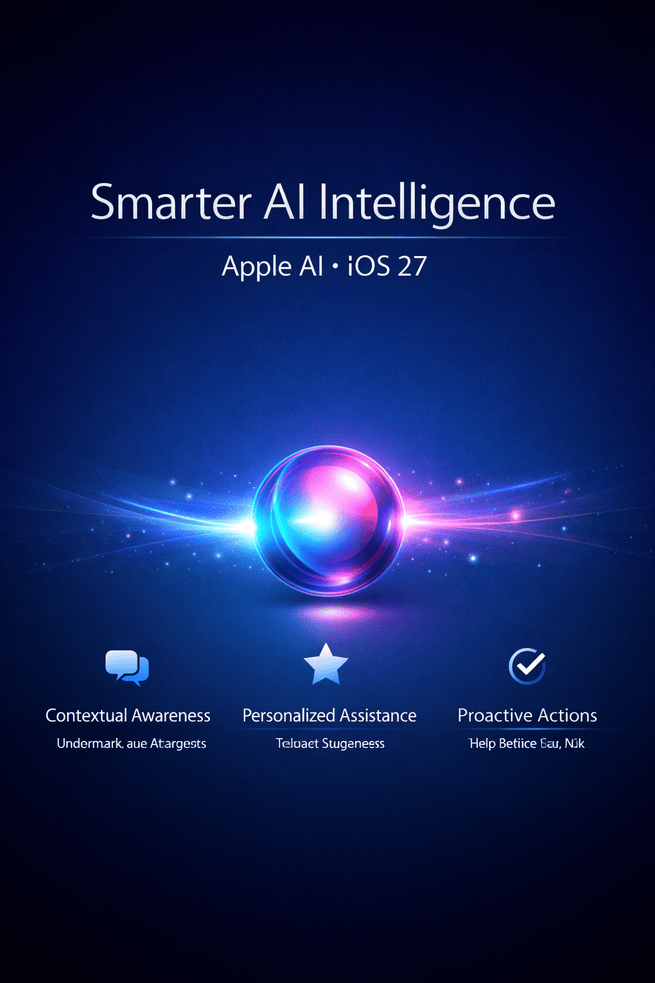
The leap in Apple AI with iOS 27 makes Siri more intelligent than ever before. Apple has redesigned the assistant to move beyond simple commands, giving it the ability to understand context, personalize responses, and proactively assist users in ways that feel natural and seamless. This evolution turns Siri into a true digital companion rather than just a voice interface.
One of the most striking breakthroughs is contextual understanding. Siri can now interpret what’s happening on your screen, analyze images, and provide answers that are directly relevant to your current activity. Whether you’re reading an email, browsing Safari, or working in Notes, Siri can act with awareness of your environment, reducing the need for repetitive instructions.
Equally important is personalization. Powered by Apple AI, Siri adapts to individual preferences, syncing conversations across iPhone, iPad, Mac, and Apple Watch. It remembers your routines, learns from your habits, and tailors suggestions to match your workflow. This ensures that interactions feel uniquely yours, rather than generic responses.
Siri also introduces proactive assistance, stepping in before you even ask. It can create calendar events from chats, suggest replies in Messages, and automate multi‑step tasks across apps. This proactive design saves time and makes everyday tasks smoother, reinforcing Siri’s role as a productivity partner.
Finally, Apple has emphasized a privacy‑first design. With on‑device intelligence and Private Cloud Compute, Siri processes sensitive data securely, ensuring that personalization never compromises user trust. This balance of intelligence and privacy is central to Apple’s vision for AI in iOS 27.
Evolution of Siri from iOS 5 to iOS 27.
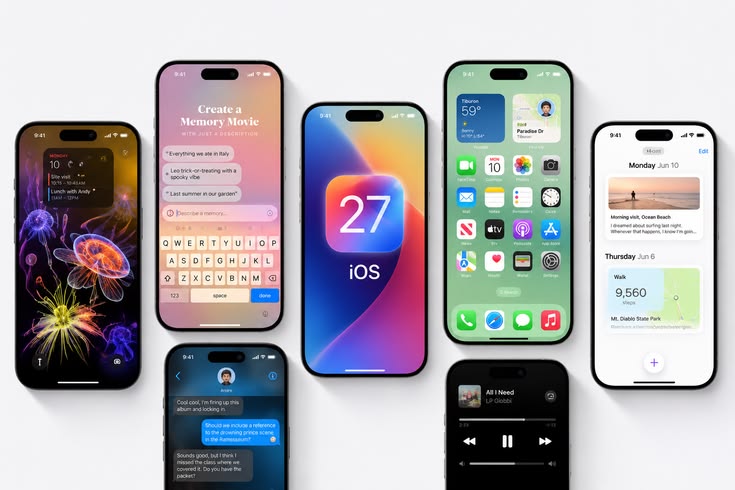
The journey of Apple’s Siri from iOS 5 to iOS 27 reflects Apple’s steady commitment to innovation and the integration of Apple AI into everyday mobile experiences. When Siri first launched with iOS 5 in 2011, it was primarily a voice‑activated assistant designed to answer simple queries, set reminders, and perform basic tasks. At that stage, Siri was groundbreaking but limited in scope, relying heavily on predefined commands and cloud‑based responses.
Over the years, Apple gradually expanded Siri’s capabilities. By iOS 10, Siri had opened up to third‑party apps, allowing users to book rides, send payments, and interact with services beyond Apple’s ecosystem. With iOS 15, Siri began processing requests on‑device, improving speed and privacy. These incremental updates laid the foundation for a more intelligent assistant, but Siri still lacked the depth of contextual understanding found in emerging AI platforms.
The transformation becomes most evident in iOS 27, where Siri evolves into a fully AI‑powered companion. Leveraging Apple AI, Siri now interprets on‑screen content, understands multi‑step instructions, and adapts to personal workflows across devices. Unlike the early versions, Siri in iOS 27 is proactive, offering suggestions before users ask, and deeply integrated into apps like Calendar, Messages, and Notes. This marks a dramatic leap from the reactive assistant of iOS 5 to the context‑aware, generative AI assistant of today.
In essence, the evolution of Siri across iOS versions highlights Apple’s shift from a simple voice interface to a smarter, personalized AI ecosystem. With iOS 27, Siri is no longer just a tool as it is a dynamic partner designed to enhance productivity, accessibility, and user experience across the Apple ecosystem.
Siri vs AI Competitors
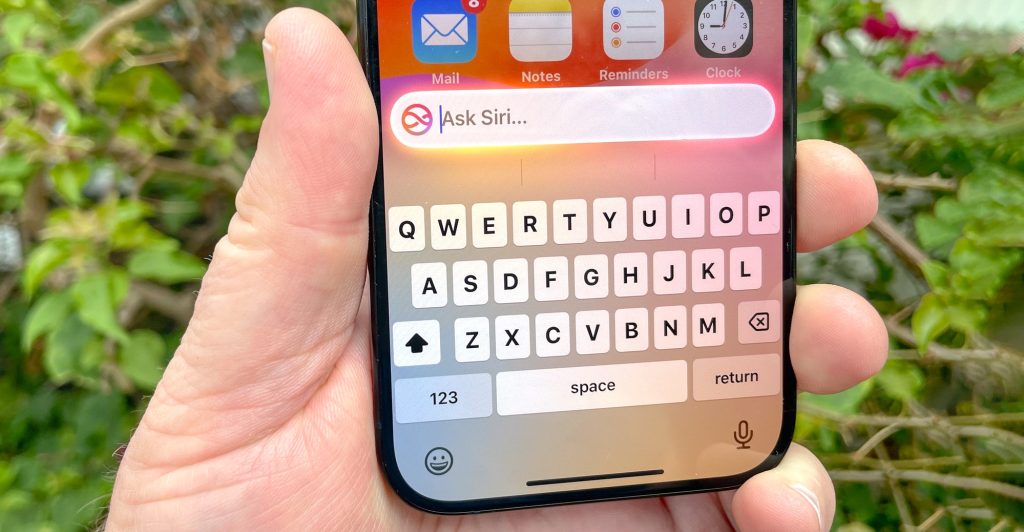
With iOS 27, Apple has positioned Siri as a direct challenger to leading AI platforms such as ChatGPT, Claude, and Gemini. The integration of Apple AI into Siri marks a strategic shift: instead of existing as a standalone chatbot, Siri is deeply embedded within Apple’s ecosystem, giving it a unique advantage in terms of device integration, privacy, and usability.
Unlike ChatGPT, Claude, and Gemini, which operate primarily as independent platforms, Siri benefits from tight hardware and software synergy. This means users can access contextual cards, reminders, and app suggestions directly within the Siri interface, without needing to switch between applications. Apple’s design philosophy ensures that Siri feels less like an external tool and more like a natural extension of the iPhone, iPad, and Mac experience.
Another differentiator is Apple’s privacy‑first approach. While competitors rely heavily on cloud‑based processing, Siri in iOS 27 leverages on‑device intelligence and Private Cloud Compute. This ensures that personalization and contextual awareness are delivered without compromising user trust and as a critical factor in Apple’s positioning against other AI platforms.
Performance also plays a key role. Siri now offers generative AI capabilities that rival ChatGPT’s conversational depth and Claude’s contextual reasoning, while maintaining Apple’s hallmark of simplicity and accessibility. By embedding these features directly into iOS 27, Apple ensures that Siri is not only smarter but also more intuitive, proactive, and seamlessly integrated into daily workflows.
In essence, Apple’s strategy is clear and rather than competing on raw AI capabilities alone, Siri in iOS 27 leverages Apple AI to deliver a unique blend of intelligence, privacy, and ecosystem integration. This positions Siri as a powerful contender in the AI race, offering Apple users a trusted alternative to ChatGPT, Claude, and Gemini.
Impact on User Experience
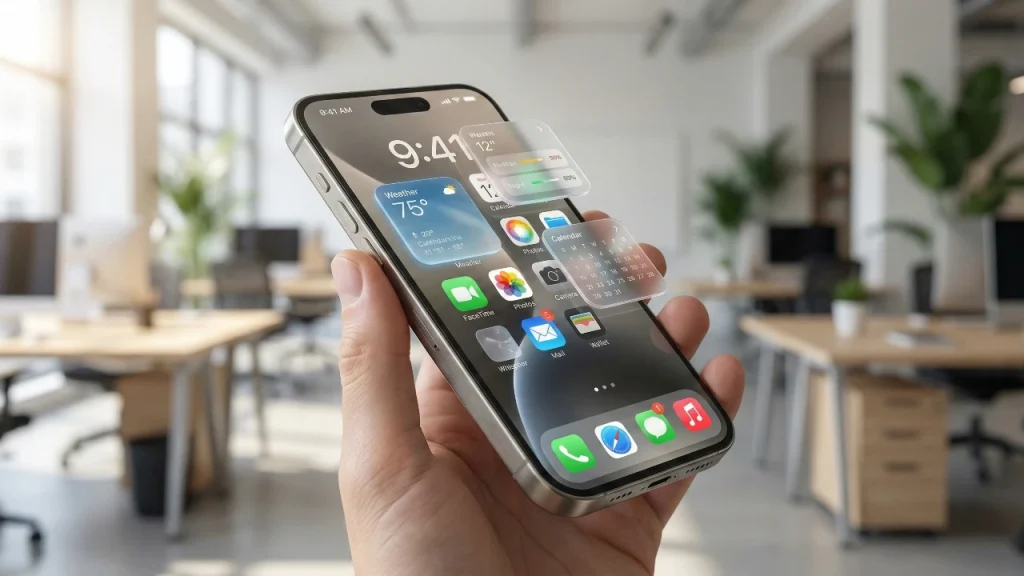
The introduction of Apple AI in iOS 27 brings meaningful improvements to how users interact with their devices, making everyday tasks smoother and more efficient. These enhancements are designed to boost productivity, accessibility, and integration across the Apple ecosystem.
With smarter contextual awareness, Siri can now handle multi‑step actions without repeated commands. For example, it can schedule meetings directly from a chat or suggest replies in Messages. This saves time and reduces friction, allowing users to focus on what matters most.
Apple has strengthened accessibility features by enabling Siri to interpret on‑screen content and provide tailored assistance. Users with visual or physical challenges benefit from natural, conversational interactions that make devices easier to navigate. This ensures inclusivity while maintaining the power of Apple AI.
Siri’s intelligence is now consistent across iPhone, iPad, Mac, Apple Watch, and Vision Pro. Conversations sync via iCloud, meaning users can start a task on one device and continue it on another without interruption. This cross‑platform integration makes workflows more fluid and connected.
These upgrades mean that Siri is no longer just reactive as it’s proactive, personalized, and secure. By embedding Apple AI into daily interactions, users gain a trusted assistant that enhances productivity, supports accessibility, and delivers a unified experience across all Apple devices.
Future of Siri and Apple AI
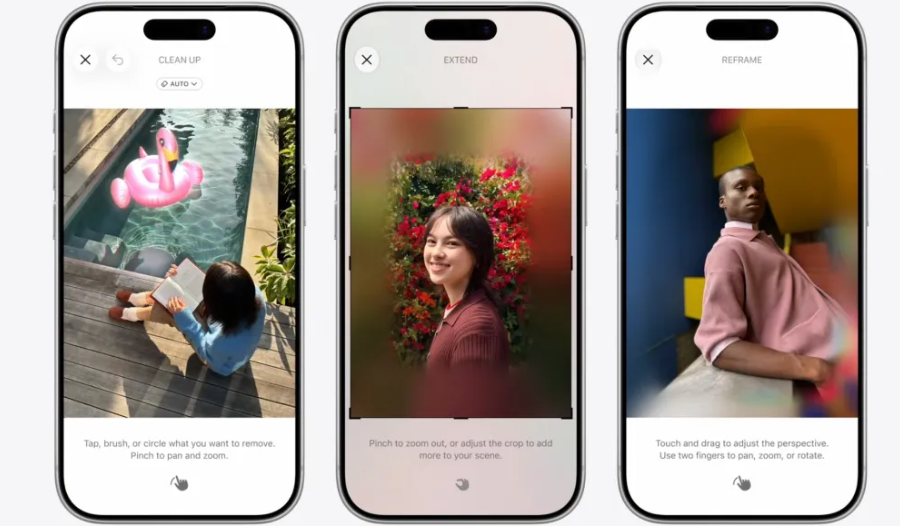
In the coming years, Apple AI will likely deepen its role across iPhone, iPad, Mac, Apple Watch, and Vision Pro. This means workflows will become even more seamless, with Siri acting as a unified hub that bridges apps, services, and hardware. Users will benefit from a consistent experience, no matter which device they’re using.
Future iterations of Siri will build on the personalization introduced in iOS 27. With Apple AI, Siri can learn from user habits, anticipate needs, and deliver tailored suggestions. This evolution ensures that the assistant grows smarter over time, adapting to individual lifestyles and professional demands.
Apple’s emphasis on privacy‑first design will remain a cornerstone of its AI strategy. By leveraging on‑device intelligence and Private Cloud Compute, Apple ensures that personalization never compromises security. This positions Siri as a trusted alternative to cloud‑dependent competitors.
For everyday users, the future of Apple AI means more than convenience as it represents a shift toward a truly intelligent ecosystem. Siri will not only respond to commands but anticipate actions, automate tasks, and deliver insights that enhance productivity and accessibility. This makes Apple’s ecosystem more indispensable than ever.
Conclusion
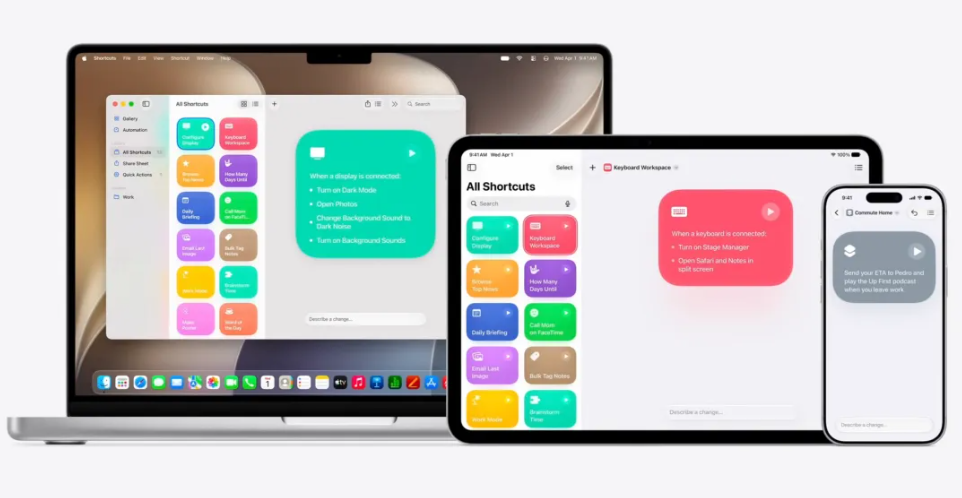
The arrival of Apple AI marks a turning point in how users experience mobile intelligence. By transforming Siri into a proactive, context‑aware assistant, Apple has redefined what a digital companion can achieve.
This upgrade ensures that Siri is no longer limited to simple commands. Instead, it adapts to personal workflows, anticipates user needs, and integrates seamlessly across iPhone, iPad, Mac, Apple Watch, and Vision Pro.
Apple’s privacy‑first design reinforces trust, proving that advanced personalization can coexist with strong data protection. This balance sets Siri apart from competitors and strengthens Apple’s ecosystem.
For users, the benefits are clear: smarter productivity, enhanced accessibility, and a unified experience across devices. With Apple AI, Siri evolves into an indispensable partner, shaping the future of mobile technology and everyday digital life.
FAQs
What is Apple AI in iOS 27?
Apple AI is the advanced framework powering Siri’s smarter, context‑aware intelligence in iOS 27.
When was iOS 27 launched?
Apple announced iOS 27 at WWDC 2026, with a stable release expected in September 2026.
Which devices support iOS 27?
iPhones from the iPhone 11 series onward are compatible with iOS 27.
How is Siri different in iOS 27?
Siri now offers contextual awareness, personalization, and proactive assistance powered by Apple AI.
Is Apple AI secure?
Yes, Apple AI uses on‑device intelligence and Private Cloud Compute to protect user data.
How does Siri compare to ChatGPT?
Siri is deeply integrated into Apple’s ecosystem, offering privacy and seamless device interaction unlike standalone AI platforms.


