

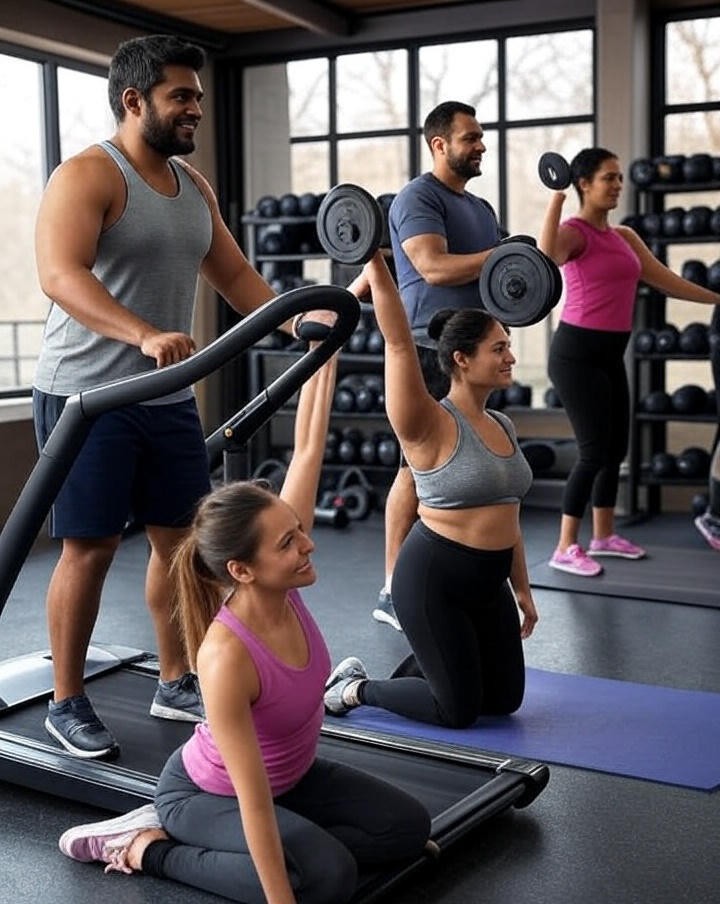
Weight loss is one of the most common health and fitness goals today. From young adults to older people, millions are searching for ways to shed extra pounds and live a healthier life. But the biggest challenge for beginners is not the lack of motivation—it’s information overload. With so many diet plans, workout routines, and fitness tips floating online, beginners often feel confused about where to start.
This beginner’s guide to weight loss is designed to simplify the process. By following simple diet tips and practical workout strategies, you can set yourself on a successful and sustainable journey toward better health.
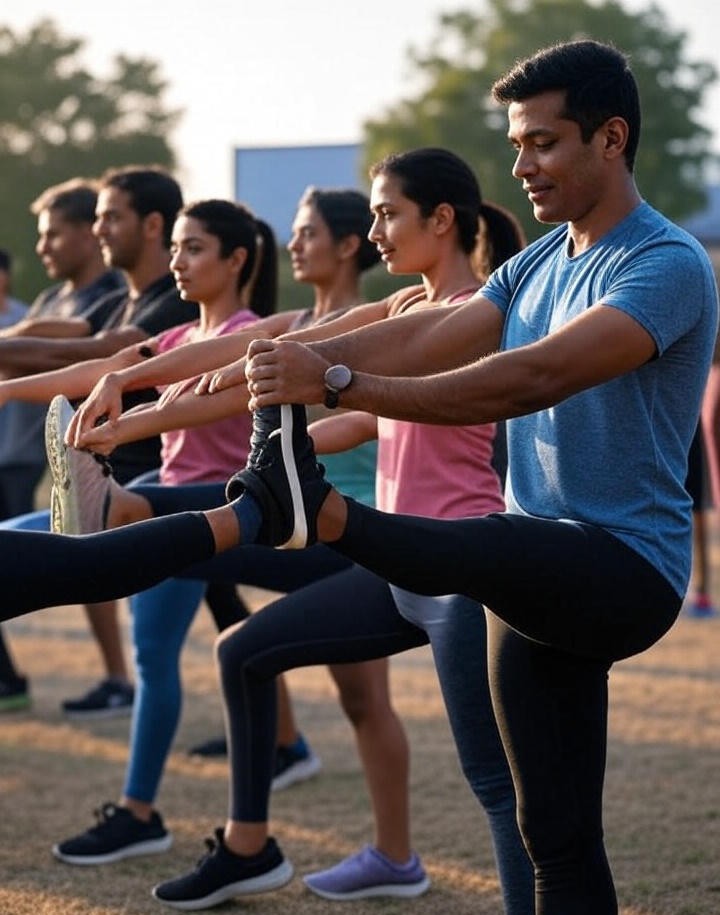
Table of Contents
Why Weight Loss Matters
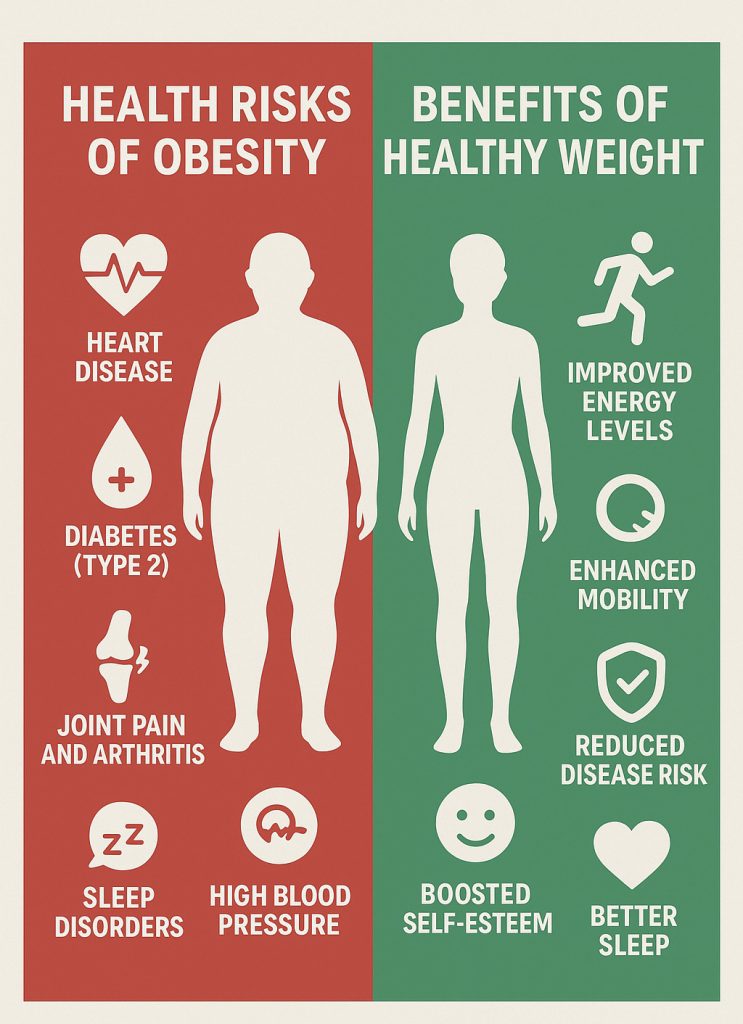
Before jumping into diet and workout tips, it is important to understand why weight loss is not just about looks—it’s about overall health. Carrying excess body fat increases the risk of:
- Heart disease
- Diabetes (Type 2)
- Joint pain and arthritis
- Sleep disorders
- High blood pressure
- Mental health struggles, such as low confidence and depression.
Achieving a healthy weight improves energy levels, enhances mobility, reduces disease risk, and boosts self-esteem.
Step 2: Understanding the Science of Weight Loss
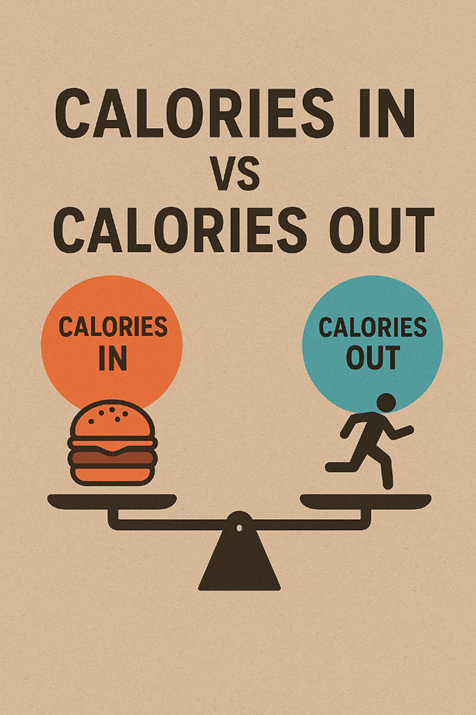
At its core, weight loss = calorie deficit. This means you must burn more calories than you consume.
- Calories In = Food and drinks you consume.
- Calories Out = Calories burned through body functions (metabolism), physical activity, and exercise.
Even small changes like cutting 300 calories daily and adding a 20-minute walk can make a big difference over time.
Step 3: Simple Diet Tips for Beginners
1. Eat More Whole Foods
Replace processed and packaged foods with natural, whole foods like:
- Fruits
- Vegetables
- Whole grains (brown rice, oats, quinoa)
- Lean proteins (chicken, fish, eggs, beans)
- Healthy fats (avocado, nuts, olive oil)
2. Control Portions
Even healthy foods can cause weight gain if consumed in excess. Use small plates and avoid second servings.
3. Drink More Water
Sometimes thirst is mistaken for hunger. Drinking a glass of water before meals helps reduce overeating.
4. Cut Sugary Drinks
Soda, packaged juices, and sweetened coffee/tea add empty calories. Switch to water, green tea, or black coffee.
5. Practice Mindful Eating
Chew slowly, avoid distractions like TV, and listen to hunger cues.
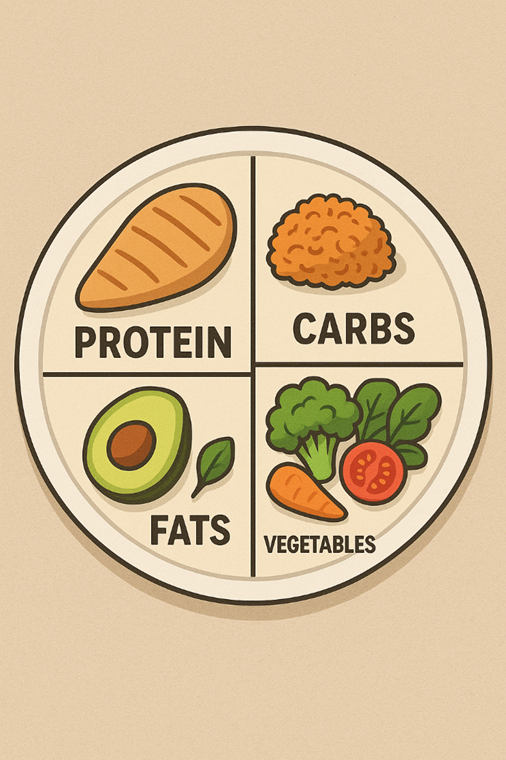
Step 4: Designing a Beginner-Friendly Weight Loss Diet Plan
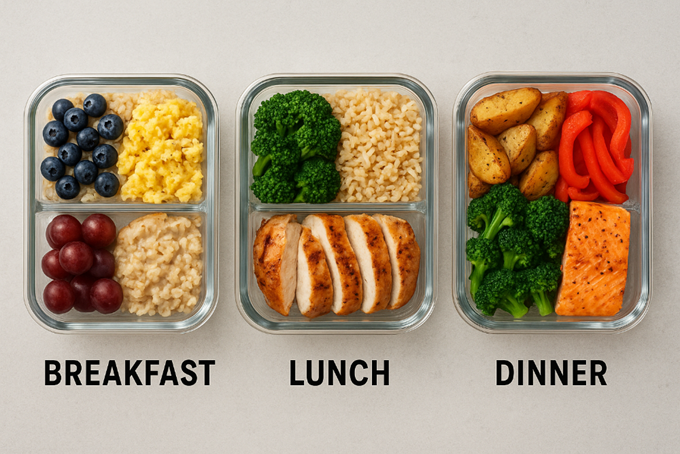
Here’s a sample one-day diet plan for weight loss:
- Breakfast: Oatmeal with fruits + green tea
- Mid-Morning Snack: Handful of almonds + 1 apple
- Lunch: Grilled chicken/fish + brown rice + salad
- Evening Snack: Sprouts or boiled eggs
- Dinner: Vegetable soup + multigrain chapati
- Before Bed: Warm water with lemon
This diet balances protein, fiber, and healthy fats to keep you full and energetic.
Step 5: Beginner Workout Tips for Weight Loss
1. Start with Walking
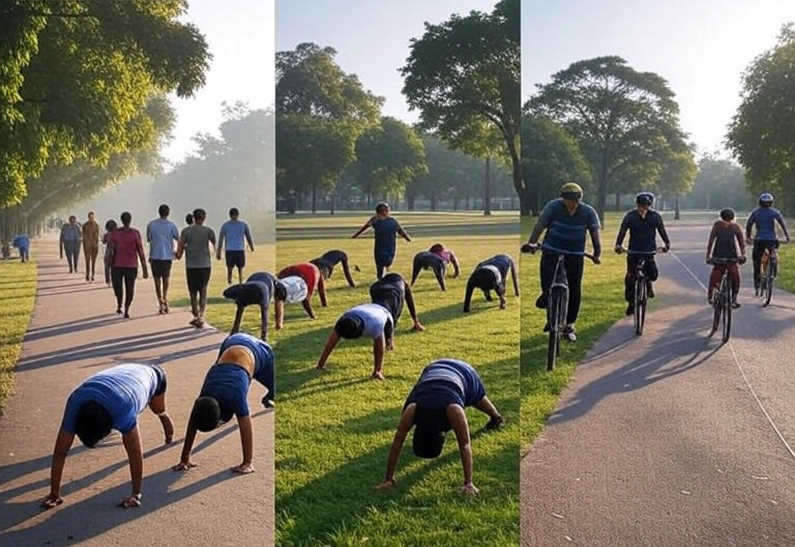
Walking 30 minutes daily is one of the easiest and most effective exercises for weight loss.
2. Include Strength Training
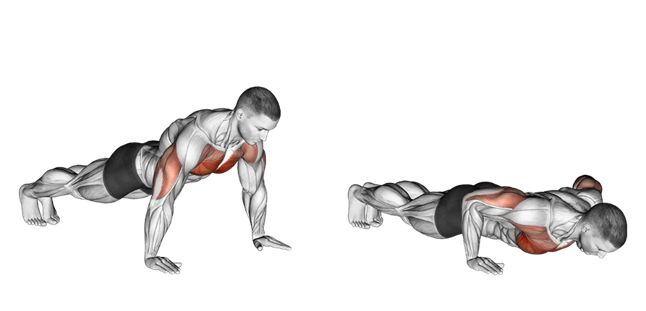
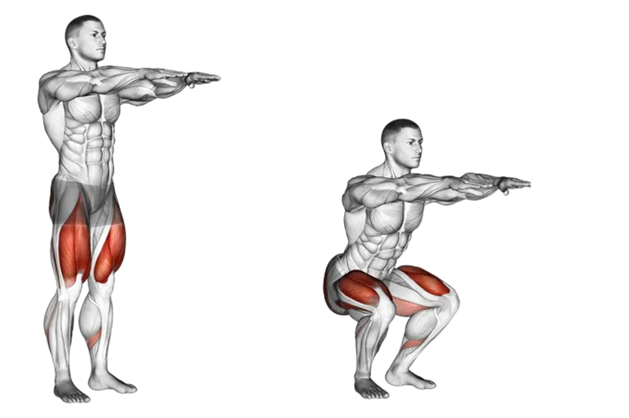
Building muscle helps burn calories even at rest. Beginners can try bodyweight exercises:
- Push-ups
- Squats
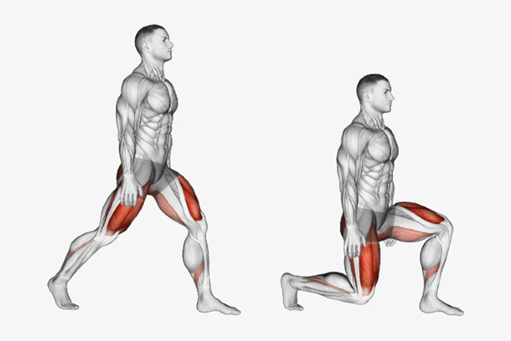
- Lunges
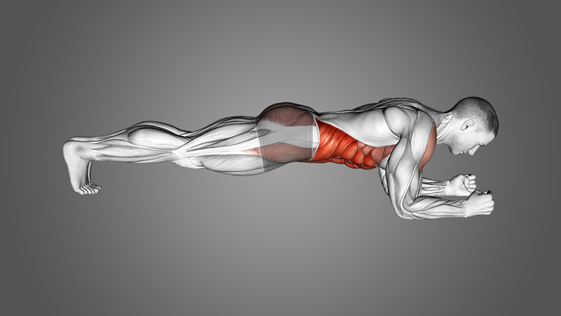
- Planks
3. Add Cardio Workouts
Jogging, cycling, or skipping rope helps increase calorie burn.
4. Try HIIT (High-Intensity Interval Training)
HIIT combines short bursts of intense exercise with rest. Example: 30 seconds sprint + 1-minute walk (repeat 10 times).
5. Stay Consistent
Even 20 minutes daily is better than hours at the gym once a week.
Step 6: Lifestyle Changes That Boost Weight Loss
- Sleep Well: Lack of sleep increases hunger hormones. Aim for 7–8 hours.
- Manage Stress: Stress triggers emotional eating. Practice meditation or yoga.
- Track Progress: Use a journal or apps to track calories, workouts, and progress.
- Stay Accountable: Share your goals with friends or join fitness groups.
Common Weight Loss Mistakes to Avoid
- Skipping meals → leads to overeating later.
- Relying only on diet or only on exercise.
- Following extreme fad diets (keto, juice cleanses) without guidance.
- Expecting overnight results.
- Comparing your journey to others.
Conclusion
Weight loss for beginners doesn’t have to be complicated. By following simple diet tips, practical workout routines, and healthy lifestyle changes, you can create a sustainable plan that works. Remember, consistency is key. Small steps every day lead to big results in the long run.
So start today—eat smart, move more, sleep better, and stay consistent. Your journey to weight loss and better health begins now.
FAQs on Beginner’s Weight Loss
Q1: How fast can I lose weight safely?
A: 0.5–1 kg per week is safe and sustainable.
Q2: Do I need supplements for weight loss?
A: No, natural foods are enough. Supplements are optional.
Q3: Which is better: cardio or strength training?
A: A mix of both works best for long-term weight loss.
Q4: Can I lose weight without exercise?
A: Yes, but combining diet and exercise gives better and faster results.
Q5: Should I avoid carbs completely?
A: No. Choose complex carbs like oats, quinoa, and whole grains.


[…] Eat Right, Feel Bright with your healthy diet […]
[…] an egg or sprout for proteinhttps://inkontrend.com/2025/09/25/weight-loss-simple-diet-and-workout-tips/, with a sprinkle of salt or pepper over […]