

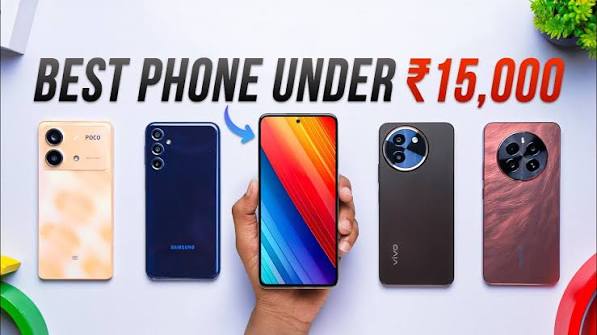
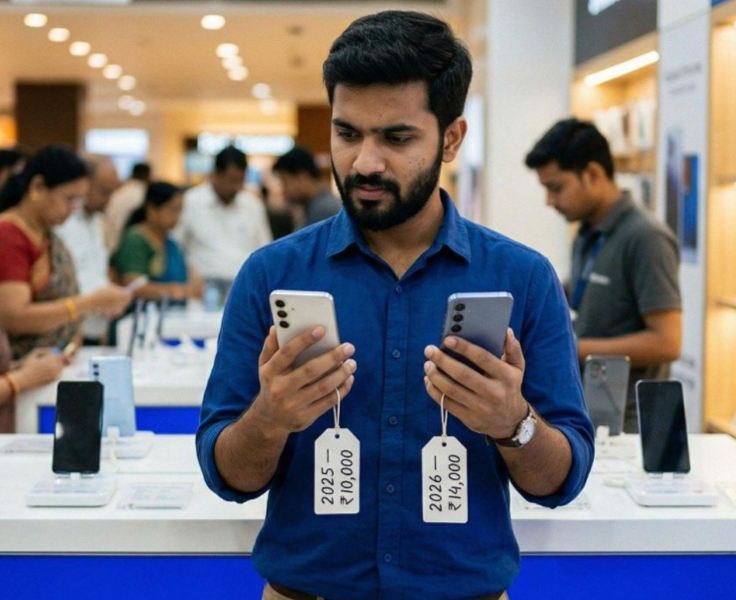
The Indian smartphone market has traditionally offered consumers a wide range of feature-rich devices at affordable prices. For years, buyers could find smartphones under ₹15,000 with capable processors, good cameras, large batteries and modern designs. The arrival of 5G connectivity made this price segment even more attractive, allowing consumers to experience faster mobile networks without spending too much. However, the situation is changing in 2026.
Finding a smartphone that offers a good combination of performance, camera quality, storage and 5G connectivity within a ₹15,000 budget is becoming increasingly challenging. Several manufacturers have adjusted their pricing strategies, while some popular models have moved into higher price brackets. This has made buyers more careful when searching for affordable 5G smartphones.
One of the major factors behind this shift is the rising cost of smartphone components, particularly memory and storage. Higher manufacturing expenses, changing consumer expectations and increasing demand for advanced hardware are also influencing how smartphone brands design and price their devices.
Does this mean budget smartphones have disappeared completely? Not exactly. Consumers can still find affordable options, but they may need to compromise on certain specifications or increase their budgets to get the features they want.
In this article, we explore why budget smartphones under 15000 are becoming harder to find in India in 2026, how smartphone price trends are changing, and what buyers should consider before purchasing their next smartphone.
Table of Contents
- What Is Happening to India’s Budget Smartphone Market in 2026?
- Why Are Budget Smartphones Under ₹15,000 Disappearing?
- Rising Memory and Component Costs
- Why Affordable 5G Smartphones Are Becoming Expensive
- How Smartphone Brands Are Changing Their Strategies
- Can You Still Find the Best Smartphone Under ₹15,000 in India?
- What Is the Future of Budget Smartphones in India?
- Common Mistakes to Avoid When Buying a Budget Smartphone
- Conclusion
What Is Happening to India’s Budget Smartphone Market in 2026?
India’s smartphone market is going through a noticeable shift in 2026. For many years, the country was one of the most competitive markets for affordable smartphones, with brands offering attractive specifications at prices that appealed to students, first-time smartphone users and budget-conscious families. However, rising manufacturing costs and changing consumer demand are putting pressure on this traditional market.
Affordable 5G smartphones are still an attractive choice for consumers who want modern connectivity without moving into expensive smartphone categories.
Recent industry reports highlight the scale of the change. According to Counterpoint Research, India’s overall smartphone shipments declined by 20% year-on-year in the third quarter of 2026. More importantly, shipments of smartphones priced below ₹20,000 dropped by 47% during the same period. This indicates that lower-priced devices are facing greater pressure than several higher-priced categories.
The situation is particularly challenging for buyers looking for budget smartphones under 15000. Some devices have become more expensive, while others offer fewer features than consumers previously expected at the same price. Models that once provided generous storage, capable cameras and 5G connectivity may now cost more or require buyers to compromise on specifications.
Another important development is the difference in performance between budget and premium smartphones. While price-sensitive consumers are delaying upgrades, demand for more expensive devices has remained comparatively stronger. This is encouraging manufacturers to focus more on mid-range and premium products, where they may have greater room to manage rising costs and protect profit margins.
However, affordable smartphones have not disappeared completely from the Indian market. Several manufacturers continue to offer entry-level and lower-mid-range devices. The bigger change is that finding a balanced smartphone with reliable performance, sufficient storage, good cameras and 5G support below ₹15,000 has become more difficult.
This changing market is making affordable 5G smartphones an important consideration for buyers comparing performance and price.
Why Are Budget Smartphones Under ₹15,000 Disappearing?
This changing market is also affecting the availability of affordable 5G smartphones. Manufacturers are finding it more challenging to offer advanced processors, sufficient RAM, larger storage and reliable cameras while keeping prices below ₹15,000. As a result, some brands are adjusting their specifications, while others are focusing more on mid-range devices. For buyers, this means comparing features carefully has become essential when searching for a smartphone that offers good value within a limited budget.
The challenge for manufacturers is to keep affordable 5G smartphones competitive while managing increasing production expenses.
1. Rising Manufacturing and Component Costs
Smartphones contain several important components, including processors, displays, batteries, cameras, memory chips and storage. When the prices of these components increase, manufacturers face higher production expenses.
Memory components such as RAM and internal storage are particularly important because consumers expect more storage and smoother multitasking, even in affordable devices. When component costs rise, companies must decide whether to increase the selling price, reduce certain specifications or accept lower profit margins.
These rising expenses also affect the availability of affordable 5G smartphones. Since manufacturers must manage the cost of processors, RAM and storage while keeping devices competitive, they may need to adjust hardware specifications or increase prices. This is one reason why buyers may find fewer smartphones offering a strong combination of performance, storage and connectivity below ₹15,000.
2. Growing Expectations for 5G Connectivity
Consumers increasingly expect new smartphones to support 5G networks. However, adding 5G connectivity involves more than simply including a compatible processor. Manufacturers must also consider modem technology, antennas, network support and other hardware requirements.
These additional requirements can make affordable 5G smartphones more expensive to manufacture. Companies must balance the cost of 5G hardware with other features that buyers value, such as camera quality, battery capacity and storage. As a result, some devices may offer basic specifications in certain areas to maintain a competitive price. Buyers should therefore compare the complete specifications rather than choosing a phone based on 5G connectivity alone.
3. Consumers Want Better Specifications
Smartphone buyers are becoming more aware of technical specifications. Many now compare RAM, storage, display refresh rates, camera performance, battery capacity and software support before making a purchase.
This creates additional pressure on manufacturers. A smartphone with basic specifications may struggle to attract buyers when competing models offer better features. Companies therefore need to invest in improvements while managing their production costs.
4. Smartphone Brands Are Focusing on Higher Price Segments
Another possible reason is the changing business strategy of smartphone manufacturers. Mid-range and premium devices often provide more opportunities to differentiate products through cameras, processors, displays and additional features.
As brands compete for consumers willing to spend more, their product launches and marketing efforts may increasingly focus on higher price categories. This can leave fewer new models receiving attention in the entry-level and lower-budget segments.
5. Discounts and Online Offers Can Be Misleading
Some smartphones appear to fall below ₹15,000 during online sales, bank offers or promotional campaigns. However, their regular retail prices may be considerably higher.
This makes it important to distinguish between a phone’s original launch price, its current listed price and the final price after discounts. A device being temporarily available below ₹15,000 does not necessarily mean that its regular market price belongs to that category.
Together, these factors explain why affordable smartphone shopping is becoming more complicated in India. Budget devices are still available, but consumers may need to compare more carefully to find a phone that offers good long-term value.
Rising Memory and Component Costs
The rising cost of smartphone components is one of the major challenges facing manufacturers in 2026. Even an affordable smartphone requires several expensive parts, including memory chips, processors, displays, camera sensors and batteries. When the cost of these components increases, companies must reconsider their pricing and product specifications.
Among these components, RAM and internal storage have become particularly important. Modern applications, operating systems and mobile games require more memory than many older devices. Consumers also expect enough storage for photographs, videos, applications and other personal files. Meeting these expectations while maintaining a low selling price is becoming increasingly difficult.
These rising component expenses are also creating challenges for brands offering affordable 5G smartphones. Manufacturers must balance the cost of memory, processors and other hardware while keeping prices attractive to budget-conscious buyers. This can lead to compromises in storage, camera quality or processing performance, making it harder to find a well-balanced smartphone below ₹15,000.
For affordable 5G smartphones, controlling memory costs is especially important because buyers expect sufficient storage without a significant increase in price.
Why Are RAM and Storage Costs Increasing?
RAM and NAND flash storage are essential components in smartphones. RAM allows applications to run smoothly, while internal storage keeps the operating system, applications and user files.
The growing demand for memory from artificial intelligence infrastructure, data centres and other computing applications has placed additional pressure on the global memory supply chain. Smartphone manufacturers also compete with other technology industries for access to these components.
When memory becomes more expensive, smartphone companies may face higher production costs. This can affect devices across different price categories, but budget smartphones are particularly sensitive because manufacturers have less room to absorb additional expenses.
How Do Higher Component Costs Affect Smartphone Prices?
Manufacturers generally have a few options when component prices rise. They can increase the retail price, reduce the specifications of upcoming models or accept lower profit margins.
For example, a company planning to launch a budget smartphone may reconsider its RAM and storage configuration to keep the device within a particular price range. It might also use a less expensive camera sensor or display panel to control the overall manufacturing cost.
These decisions can affect the value consumers receive. A phone that appears affordable may offer less storage, slower charging or fewer advanced features than buyers expected.
These pricing decisions also influence the features available in affordable 5G smartphones. To maintain competitive prices, manufacturers may prioritise essential specifications while making compromises in areas such as camera hardware, storage or display quality. This means buyers should compare the complete specifications and real-world performance of different models before deciding which smartphone offers the best value.
Why Budget Smartphones Feel the Impact More
Premium smartphones are often sold at higher prices, giving manufacturers more flexibility to include expensive components and manage cost increases. Budget smartphones operate under much tighter pricing limits.
Even a relatively small increase in component costs can make a noticeable difference to the final price of a device under ₹15,000. Manufacturers may struggle to maintain their desired profit margins without changing the specifications or increasing the selling price.
Ultimately, rising memory and component costs are influencing the entire smartphone industry. For Indian buyers, the effects are especially visible when comparing the features offered by budget smartphones in India in 2026 with those available in earlier years.
Why Affordable 5G Smartphones Are Becoming Expensive
The introduction of 5G technology created new opportunities for smartphone buyers in India. When 5G services started expanding across the country, manufacturers began launching affordable devices to attract consumers looking for faster internet connectivity. This helped make 5G smartphones more accessible to people who did not want to spend a large amount on a new phone.
However, maintaining an attractive price while offering modern 5G features has become increasingly challenging in 2026. Manufacturers must balance the cost of processors, network hardware, memory, displays and other components while keeping devices competitive in a price-sensitive market.
As a result, affordable 5G smartphones are becoming harder for manufacturers to offer at the same price points as before. Brands must decide which features to prioritise and where they can reduce costs without affecting the overall user experience. This can lead to differences in camera quality, storage capacity, display technology and processing performance across smartphones in the same price range. For buyers, comparing the complete specifications is now more important than simply checking whether a phone supports 5G.
This is particularly relevant to affordable 5G smartphones, where manufacturers must balance advanced features with strict pricing limits.
5G Processors Add to Manufacturing Costs
A 5G smartphone requires a compatible processor and modem to connect to supported mobile networks. These components must also provide acceptable performance, power efficiency and network compatibility.
Manufacturers often use different processor families for entry-level, mid-range and premium devices. Choosing a suitable 5G chipset at a low cost can be challenging, particularly when companies also want to offer good gaming performance, multitasking and camera capabilities.
More Features Mean Higher Prices
Today’s buyers expect more than basic 5G connectivity. They often look for high-refresh-rate displays, fast charging, large batteries, multiple cameras and sufficient RAM and storage.
Adding all these features to one device increases the overall hardware cost. Manufacturers must decide which specifications deserve priority and which features can be reduced to maintain an affordable selling price.
As a result, some affordable 5G smartphones may offer good connectivity but compromise on camera quality, display technology or storage capacity.
The Challenge of Maintaining Battery Life
5G connectivity also creates engineering challenges related to power consumption and heat management. Smartphone manufacturers need to optimise processors, network components and software to provide a reliable experience without significantly affecting battery life.
These requirements can increase development and testing expenses. While battery technology continues to improve, providing a balanced 5G experience at a very low price remains a challenge.
Why Buyers Are Paying More for Better 5G Experiences for Affordable 5G Smartphones
Consumers are increasingly interested in affordable 5G smartphones that can handle streaming, online gaming, video calls and everyday applications smoothly. A basic 5G connection is not enough if the phone struggles with performance or battery life.
This is encouraging brands to improve their devices, but better hardware can also increase retail prices. Consequently, buyers searching for affordable 5G smartphones may need to compare devices more carefully and decide which features matter most.
The result is a changing market in which 5G connectivity is becoming more common, but finding a complete smartphone package below ₹15,000 is becoming harder.
How Smartphone Brands Are Changing Their Strategies
The changing economics of the smartphone market are encouraging manufacturers to rethink their product strategies in India. As component costs increase and consumer expectations evolve, brands are looking for ways to maintain profitability while continuing to attract price-conscious buyers.
Instead of competing only on low prices, affordable 5G smartphones companies are increasingly trying to differentiate their products through performance, design, camera features, software support and connectivity. This shift is influencing which devices manufacturers launch and how they position them in different price categories.
These changes are also shaping the future of affordable 5G smartphones in India. Manufacturers are increasingly focusing on how to balance connectivity, performance and production costs while meeting consumer expectations. Some brands may offer 5G connectivity with more basic cameras or storage options, while others may position feature-rich devices at higher prices. This makes it important for buyers to compare specifications and overall value before choosing a smartphone.
Some manufacturers may continue developing affordable 5G smartphones, but their specifications and positioning could differ from previous budget models.
Greater Focus on Mid-Range Smartphones
One noticeable strategy is the growing importance of mid-range affordable 5G smartphones. These devices offer manufacturers more flexibility to include improved processors, larger storage options, better cameras and premium-looking designs.
For buyers, this means some features that were previously promoted in budget devices are now being highlighted in phones with higher prices. Brands may also concentrate their marketing campaigns on mid-range models because these products provide more opportunities to differentiate themselves.
Reducing Costs Through Hardware Choices
Manufacturers also try to manage expenses by selecting components carefully. They may use different display panels, camera sensors, processors or storage configurations depending on the target price of a affordable 5G smartphones.
These decisions help companies control production costs, but they can affect the overall experience. Two smartphones with similar prices may offer very different combinations of camera quality, processing power and software features.
More Competition Through Online Sales
Online shopping platforms have become important channels for smartphone sales in India. Brands use special discounts, bank offers, exchange bonuses and limited-time promotions to attract customers.
These offers can make certain models appear more affordable during major shopping events. However, buyers should compare the final payable price rather than relying only on advertised discounts.
Longer Product Lifecycles and Older Models
Another strategy is to continue selling older smartphone models alongside newer launches. This gives consumers more choices and allows brands to offer devices at different price points.
Older models can sometimes provide better value than newly launched budget smartphones, particularly when their processors, cameras and software support remain competitive. However, buyers should check software update policies, warranty conditions and remaining availability before purchasing.
Why This Matters to Indian Consumers
These changing strategies mean that buyers need to look beyond a smartphone’s launch price or marketing claims. Comparing specifications, software support, service availability and long-term reliability is becoming increasingly important.
The future of budget smartphones in India will depend on how successfully manufacturers balance production costs with consumer expectations. Brands that can offer dependable performance at competitive prices may continue to attract buyers even as the market changes.
Can You Still Find the Best affordable 5G Smartphones Under ₹15,000 in India?
Yes, buyers can still find smartphones under ₹15,000 in India in 2026. However, choosing the right device may require more research than it did a few years ago. Instead of expecting every premium feature at this price, consumers should identify which specifications matter most for their everyday needs.
The best smartphone under 15000 in India will depend on how the device is used. A student may prioritise battery life and storage, while someone who enjoys photography may look for a better camera. Buyers who play mobile games should pay closer attention to the processor, display and thermal performance.
When comparing affordable 5G smartphones, buyers should look beyond the price tag and consider how well a device performs in everyday situations. A balanced smartphone with a reliable processor, sufficient storage, good battery life and regular software updates can offer better long-term value than a device that focuses on only one impressive feature. Checking reviews and comparing available models can help consumers make a more informed choice.
What Features Should You Prioritise?
When comparing affordable 5G smartphones, consider these important features:
- Processor: Choose a capable processor that can handle everyday apps, browsing and multitasking smoothly.
- RAM and storage: Look for sufficient memory and internal storage for your apps, photos and files.
- Battery: A battery around 5,000 mAh can be useful for users who need their phone throughout the day.
- Display: Check the screen quality, brightness and refresh rate rather than relying only on advertised specifications.
- Camera: Compare real-world camera samples and reviews instead of judging a phone only by its megapixel count.
- Software updates: Check the manufacturer’s update policy and security support before buying.
Should You Choose 4G or 5G?
A 5G smartphone can be a sensible long-term choice if 5G services are available in your area and you expect to use the device for several years. However, buyers should not choose a phone only because it has 5G connectivity.
A well-balanced 4G smartphone may offer better overall value than a poorly equipped 5G model. Consider your network availability, usage habits and budget before making a decision.
For consumers planning to upgrade, affordable 5G smartphones can provide a useful combination of connectivity and everyday functionality when chosen carefully.
Are Older Smartphone Models Worth Buying?
Older models can sometimes offer good value because their prices may fall after newer devices are launched. A previous-generation phone may provide a better processor, camera or display than a newly launched entry-level device at a similar price.
Before purchasing an older model, check its remaining software support, warranty, battery condition and availability from an authorised seller.
How to Get Better Value Within Your Budget
Compare the final price across trusted retailers and official brand stores. Check bank discounts, exchange offers and sale prices, but read the conditions carefully. Also compare the phone’s specifications with alternatives in the same price range.
Ultimately, finding the right budget smartphone in India is about choosing a balanced device rather than chasing the highest number of features. A little research can help buyers find a phone that meets their needs without spending more than necessary.
What Is the Future of Budget Smartphones in India?
The future of budget smartphones in India will depend on how manufacturers respond to rising component costs, changing consumer expectations and competition. Although the traditional under-₹15,000 segment is facing pressure, affordable smartphones will continue to play an important role in a price-sensitive market like India.
Consumers still need reliable devices for online classes, digital payments, entertainment, communication and everyday work. This creates an opportunity for brands that can offer useful features at competitive prices.
Will Smartphones Under ₹15,000 Disappear Completely?
It is unlikely that smartphones under ₹15,000 will disappear completely. Instead, the range of choices and specifications available at this price may change.
Some manufacturers may continue offering entry-level devices, while others may focus on slightly higher price categories. Buyers may also see more differences between phones designed for basic use and those offering stronger performance or better cameras.
Will Affordable 5G Smartphones Become More Common?
As 5G networks and compatible devices become more widely available, 5G connectivity is likely to remain an important feature in smartphone launches. However, the availability of affordable 5G smartphones will depend on processor costs, component prices and manufacturers’ pricing decisions.
Brands will need to balance connectivity with other features such as battery life, storage, display quality and software support. Consumers should compare the complete package instead of choosing a device based on 5G branding alone.
The long-term success of affordable 5G smartphones will depend on component prices, network expansion and manufacturers’ ability to offer dependable hardware at competitive prices.
Could Smartphone Prices Become More Stable?
Smartphone prices can be influenced by several factors, including memory costs, currency movements, manufacturing expenses, competition and promotional offers. If component costs become more manageable, manufacturers may have greater flexibility when pricing new devices.
However, buyers should not assume that prices will automatically return to previous levels. The specifications and features offered at each price point may continue to evolve.
What Should Consumers Expect in the Coming Years?
Consumers may see manufacturers placing greater emphasis on software support, battery efficiency, camera improvements and overall performance. Older models may also remain relevant for buyers who want better specifications at discounted prices.
The budget smartphone market is changing rather than disappearing. Brands that understand the needs of price-conscious consumers and offer dependable devices at reasonable prices will continue to have opportunities in India.
Common Mistakes to Avoid When Buying a Budget Smartphone
Buying a smartphone within a limited budget requires more than comparing prices and checking advertised specifications. A phone may look attractive on paper but may not provide the best experience in everyday use. Understanding a few common buying mistakes can help consumers make a better decision.
Choosing a Phone Only Because It Supports 5G
5G connectivity is useful, but it should not be the only reason to purchase a smartphone. Buyers should also consider the processor, battery life, display, camera and software support. A balanced device can offer a better overall experience than a phone that focuses mainly on 5G connectivity.
Ignoring RAM and Storage Requirements
Insufficient RAM and internal storage can affect everyday usage. Apps, photos, videos and software updates can quickly occupy available space. Before buying, consider how much storage you need and whether the phone supports expandable storage.
Judging Camera Quality by Megapixels
A higher megapixel count does not automatically mean better photographs. Image processing, sensor quality, lens performance and software optimisation also influence camera results. Checking sample photographs and independent reviews can help you understand the actual camera performance.
Overlooking Software Updates
Software updates help improve security, fix problems and maintain device compatibility. Some buyers focus only on hardware specifications and forget to check how long the manufacturer promises to support the phone. Always review the update policy before purchasing.
Falling for Discounts Without Checking the Final Price
Online sales often advertise large discounts, bank offers and exchange bonuses. However, the final price may depend on eligibility conditions, payment methods or the value of an old device. Compare the actual payable amount across retailers before making a decision.
Not Checking Warranty and After-Sales Service
A smartphone may offer attractive specifications, but reliable after-sales support is also important. Check the warranty, service centre availability and seller reputation. Buying from an authorised or trusted retailer can make it easier to access support if something goes wrong.
Buying Without Comparing Alternatives
Avoid purchasing the first phone that fits your budget. Compare at least a few models in the same price range and consider their real-world performance, software support and overall value.
Taking time to research affordable 5G smartphones can help you avoid unnecessary compromises and choose a device that remains useful for your everyday needs
Conclusion
The budget smartphone market in India is changing in 2026. Rising component costs, growing demand for better hardware and the increasing importance of 5G connectivity are influencing how manufacturers price and design their devices. As a result, finding a well-balanced smartphone under ₹15,000 has become more challenging for many buyers.
However, affordable smartphones have not disappeared completely. Consumers can still find options in this price range, but they may need to compare specifications more carefully and decide which features matter most. Factors such as processor performance, RAM, storage, battery life, camera quality and software support should all be considered before making a purchase.
The future of affordable 5G smartphones will depend on how manufacturers balance production costs with consumer expectations. For buyers, the best approach is to focus on long-term value rather than choosing a device based only on its price or promotional features.
Although the traditional budget smartphone segment is evolving, affordable devices will continue to matter in India. The brands that offer reliable performance, useful features and competitive pricing are likely to remain important choices for budget-conscious consumers.
Despite these challenges, affordable 5G smartphones will remain relevant for consumers who want modern connectivity while staying within a limited budget.


