

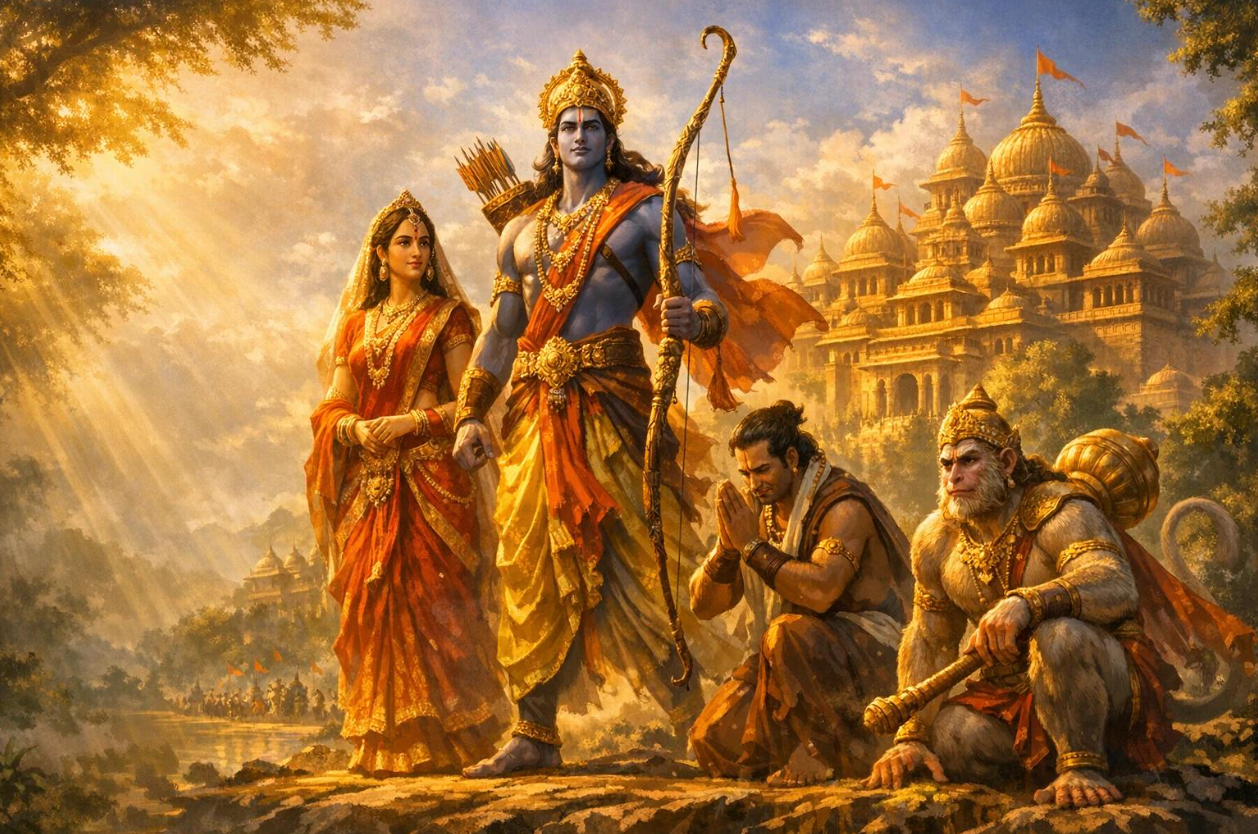
Indian mythology has been an important part of Indian culture and storytelling for generations. Among the many ancient epics, the Ramayana holds a special place because of its powerful characters, meaningful lessons, and timeless story. Its influence can still be seen in films, television shows, literature, festivals, and modern entertainment.
In recent years, audiences have shown growing interest in mythology-based cinema. Filmmakers are bringing traditional stories to the big screen using modern technology, advanced visual effects, impressive production designs, and fresh storytelling techniques. The Ramayana movie has attracted attention from viewers who are curious to see how this legendary epic will be presented through modern filmmaking.
People are particularly interested in details such as the Ramayana movie release date in India, its 2026 release plans, expected budget, cast, and production scale. This interest also reflects the growing popularity of Indian mythology in contemporary entertainment.
In this article, we explore the Ramayana movie, its production, release-related details, and why stories from Indian mythology continue to attract audiences. We will also look at how modern filmmaking techniques are changing the way these traditional stories are presented on screen.
Table of Contents
- Understanding the Importance of the Ramayana
- Why Indian Mythology Is Becoming Popular in Cinema
- Ramayana Movie 2026: What Audiences Should Know
- Ramayana Movie Release Date in India
- Ramayana Movie Budget and Production
- Cast, Characters and Storytelling in the Ramayana Movie
- How VFX and Modern Technology Are Transforming the Ramayana Movie
- Why Modern Audiences Connect With Mythological Stories
- The Future of Mythology in Indian Cinema
- Conclusion
- Frequently Asked Questions (FAQs)
Understanding the Importance of the Ramayana
The Ramayana is one of the most significant epics in Indian literature and cultural history. Traditionally attributed to the sage Valmiki, it tells the story of Lord Rama, his exile, the abduction of Sita by Ravana, and the journey to bring her back.
The epic explores important values such as truth, duty, loyalty, courage, sacrifice, and devotion. These themes have helped the Ramayana remain meaningful across generations. Its characters and events have inspired countless forms of storytelling, including theatre, television, literature, animation, and cinema.
The story is not simply about a conflict between Rama and Ravana. It also explores family relationships, difficult decisions, leadership, and the consequences of personal choices. This depth gives filmmakers many opportunities to create engaging narratives while respecting the traditional story.
Why Does the Ramayana Continue to Attract Audiences?
1. Cultural significance: The epic is deeply connected with Indian traditions, festivals, literature, and storytelling.
2. Timeless values: Its lessons about honesty, courage, responsibility, and loyalty remain relevant today.
3. Memorable characters: Rama, Sita, Lakshmana, Hanuman, and Ravana each contribute different perspectives to the narrative.
4. Different interpretations: Filmmakers can explore different episodes and characters while drawing inspiration from the original epic.
5. Generational connection: Many people grow up hearing stories from the Ramayana and enjoy seeing new interpretations of familiar characters.
Why Indian Mythology Is Becoming Popular in Cinema
Indian mythology is becoming an increasingly interesting subject for filmmakers because it offers stories filled with emotion, adventure, cultural meaning, and memorable characters. Epics such as the Ramayana and Mahabharata provide rich material for films that can appeal to different generations.
1. Growing Interest in Indian Culture
Many viewers are interested in learning more about traditional Indian stories, historical settings, and cultural heritage. Films based on mythology provide an entertaining way to explore these subjects. They can also introduce younger audiences to stories they may have heard from their families but have not explored in detail.
2. Demand for Large-Scale Cinematic Experiences
Modern audiences enjoy films with impressive visuals, detailed costumes, grand locations, and engaging action sequences. Mythological stories provide filmmakers with opportunities to create these experiences through ancient kingdoms, forests, palaces, and legendary battles.
3. Emotional Storytelling
The Ramayana includes themes such as family relationships, loyalty, sacrifice, devotion, and responsibility. These emotions remain understandable to audiences today. Strong character development can help viewers connect with the story beyond its visual presentation.
4. Opportunities to Reach Global Audiences
Indian cinema is reaching viewers across international markets through theatres and streaming platforms. Mythological films can introduce international audiences to Indian traditions and storytelling. Subtitles, dubbing, and accessible narratives can help make these stories easier to understand.
5. Modern Filmmaking Techniques
Advanced cinematography, visual effects, animation, and sound design allow filmmakers to present traditional stories in new ways. However, technology works best when it supports the story instead of distracting viewers from its characters and message.
Ramayana Movie 2026: What Audiences Should Know
The Ramayana movie has become one of the major talking points in Indian entertainment because of its large-scale production and the popularity of the epic. Directed by Nitesh Tiwari and produced by Namit Malhotra, the film presents a new cinematic adaptation of the traditional story for audiences in India and around the world.
Ramayana: Part One features Ranbir Kapoor as Lord Rama, Sai Pallavi as Sita, Yash as Ravana, Sunny Deol as Hanuman, and Ravi Dubey as Lakshmana. The film is planned as a two-part cinematic adaptation, allowing the filmmakers to explore the epic across a larger narrative.
What Makes Ramayana Movie 2026 Special?
One of the major attractions of the film is its combination of Indian mythology and modern filmmaking. The production brings together a well-known story, a prominent cast, detailed visual environments, and advanced visual effects.
The film also aims to reach audiences beyond India. Its release in multiple Indian languages and international distribution plans reflect the growing ambition of Indian cinema to present culturally rooted stories to a global audience.
Another important aspect is the scale of the project. Recreating ancient kingdoms, traditional costumes, legendary characters, and large battle sequences requires extensive planning and collaboration between different production teams.
The two-part format also gives the filmmakers more time to develop important characters and events rather than compressing the entire epic into a single film.
Why Is the Film Attracting Attention?
The Ramayana is already familiar to many Indian viewers, but every adaptation creates new expectations. Audiences are interested in seeing how the director interprets familiar characters, how the performances bring them to life, and how the film balances traditional storytelling with modern cinematic techniques.
Its scale, cast, music, and visual presentation have all contributed to public interest in the project.
Ramayana Movie Release Date in India
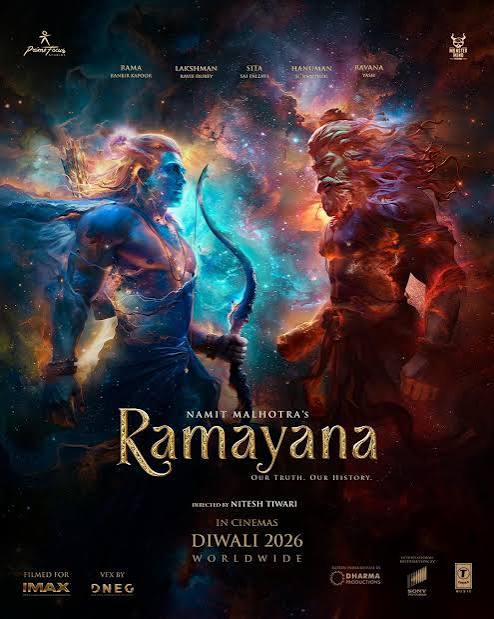
The release date has been one of the most searched details about the Ramayana movie. The makers officially announced that Ramayana: Part One would release worldwide in theatres on 5 November 2026. The film was released in multiple Indian languages, including Hindi, Tamil, Telugu, Kannada, and Malayalam. It was also planned for premium theatrical formats, giving audiences different ways to experience the film.
The film is directed by Nitesh Tiwari and produced by Namit Malhotra. Its theatrical release was planned as a major event for Indian cinema, particularly because the Ramayana is a story familiar to audiences across different regions and generations.
When Is Ramayana Part Two Releasing?
The Ramayana project is planned as a two-part cinematic adaptation. The makers initially announced the second instalment for Diwali 2027. This allows the filmmakers to develop the epic across two films rather than presenting the entire narrative in one instalment. Readers should check official announcements for any subsequent changes to the release schedule.
Where Can Audiences Watch the Ramayana Movie?
The first instalment received a worldwide theatrical release. The makers also announced a partnership with JioHotstar for a pay-per-view digital release in India after the exclusive theatrical window. This gives audiences another way to access the film beyond cinemas.
Ramayana Movie Budget and Production
The Ramayana movie has attracted considerable attention because of its ambitious production scale and investment. The filmmakers aim to present the ancient Indian epic through detailed environments, advanced visual effects, international creative collaboration, and large-scale cinematic storytelling.
According to actor and co-producer Yash, the combined budget for both parts of Ramayana is approximately ₹4,000 crore. He clarified that this figure includes post-production and promotional expenses, not just the cost of filming. Therefore, it is important not to describe ₹4,000 crore as the confirmed production budget of Part One alone. <Cite refs={[“turn243074search0″,”turn243074search1”]}/>
Why Does Ramayana Have Such a Large Budget?
One major reason is the scale of the world being created for the film. The Ramayana includes ancient kingdoms, forests, palaces, legendary characters, and large battle sequences. Recreating these settings for cinema requires extensive planning, production design, costumes, technology, and visual effects.
Another important factor is the film’s two-part format. The production involves developing a connected cinematic world across two instalments, which requires investment in sets, digital environments, character designs, and post-production work.
International Production and Visual Effects
The project brings together Indian filmmaking talent and international creative professionals. Prime Focus Studios is producing the film in association with DNEG and Monster Mind Creations. DNEG’s visual-effects expertise is an important part of the production’s technical approach.
Why Is the Budget Important?
The budget has attracted attention because the filmmakers are aiming for a large international audience. However, a film’s success cannot be measured by its budget alone. Storytelling, performances, audience response, production quality, and distribution all play important roles in determining its overall impact.
The focus should ultimately remain on how effectively the film brings the Ramayana’s characters and themes to the screen.
Cast, Characters and Storytelling in the Ramayana Movie
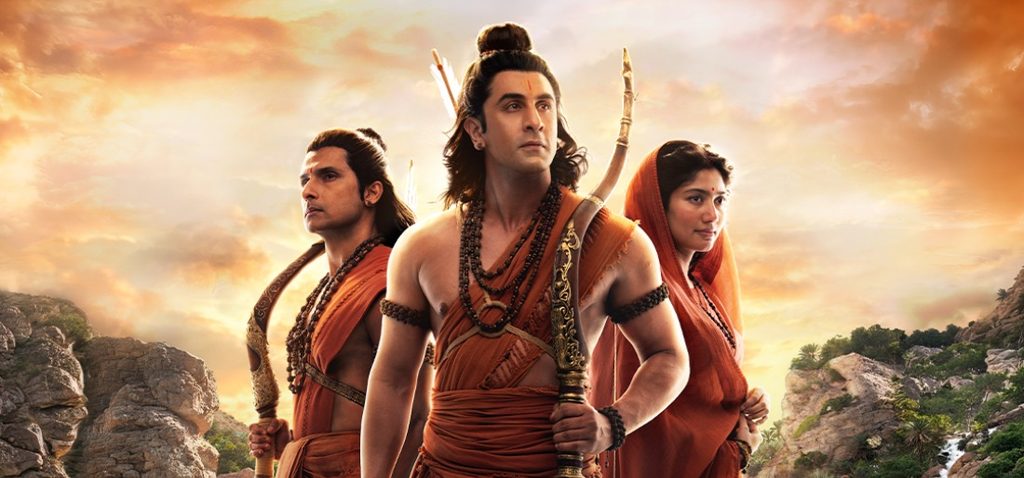
One of the biggest attractions of the Ramayana movie is its ensemble cast, which brings several well-known characters from the ancient epic to the screen. The film is directed by Nitesh Tiwari and features actors from different parts of the Indian film industry. Their performances are important because audiences already have strong cultural and emotional connections with these characters.
Main Cast and Their Characters
Ranbir Kapoor as Lord Rama
Ranbir Kapoor portrays Lord Rama, the central character of the epic. Rama is known for his commitment to duty, truth, courage, and responsibility. His journey forms the foundation of the story.
Sai Pallavi as Goddess Sita
Sai Pallavi plays Sita, whose character represents strength, dignity, patience, and resilience. Her role is central to the emotional journey of the Ramayana.
Yash as Ravana
Yash portrays Ravana, the king of Lanka and one of the most significant characters in the epic. His character brings the central conflict of the story to life.
Sunny Deol as Hanuman
Sunny Deol plays Hanuman, whose devotion, courage, intelligence, and loyalty make him an important part of Rama’s journey.
Ravi Dubey as Lakshmana
Ravi Dubey portrays Lakshmana, Rama’s younger brother, who accompanies him during exile and remains devoted to him throughout the journey.
Other Important Characters
The film also features Arun Govil as King Dasharatha, Lara Dutta as Kaikeyi, Indira Krishnan as Kaushalya, and Kajal Aggarwal as Mandodari. Rakul Preet Singh plays Surpanakha, while Anupam Kher provides the voice of Jatayu.
The large cast allows the filmmakers to explore the different kingdoms, family relationships, and conflicts that shape the epic.
Why Character Portrayals Matter
Audiences often approach mythological adaptations with familiar ideas about their characters. Therefore, actors must communicate the personality, emotions, and values associated with the roles they play.
A convincing performance can help viewers connect with the story, while thoughtful character development can make even familiar events feel engaging. The success of a mythological film depends not only on its visual scale but also on how effectively its characters are presented.
How VFX and Modern Technology Are Transforming the Ramayana Movie
Modern technology plays an important role in bringing mythological stories to the big screen. The Ramayana includes ancient kingdoms, forests, powerful characters, legendary creatures, and large battle sequences. Recreating these elements for cinema requires a combination of creative planning, cinematography, visual effects, animation, and sound design.
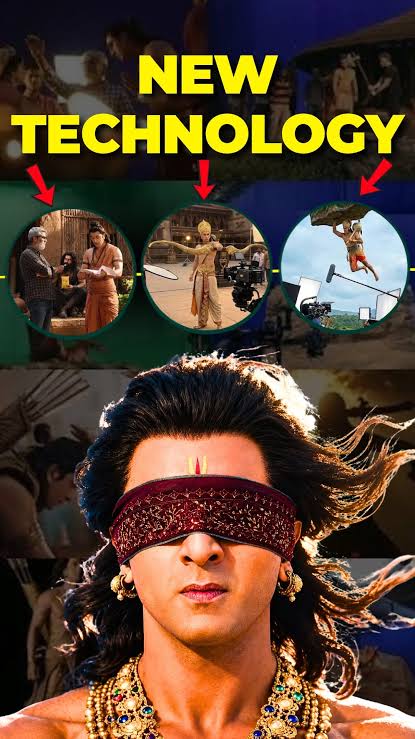
The Ramayana movie brings together large-scale filmmaking and advanced visual effects to create a cinematic world inspired by the ancient epic. According to the film’s official production information, DNEG and ReDefine are involved in its visual effects work. Their teams contribute to building the digital environments and visual elements needed for the film.
1. Visual Effects and CGI
Visual effects, commonly called VFX, help filmmakers create scenes and environments that may be difficult to capture through ordinary filming. Computer-generated imagery, or CGI, can be used to develop digital landscapes, ancient cities, large armies, and imaginative characters.
For a mythological film, these techniques can help recreate the scale of the world described in the epic. However, visual effects need to blend naturally with live-action performances so that viewers remain connected to the story.
2. Motion Capture Technology
Motion capture is a technique used to record the movements and performances of actors and transfer them to digital characters. It can be particularly useful when a film includes characters or creatures that are created using CGI.
This process allows digital characters to show more natural body movements and expressions. It also gives filmmakers greater flexibility when creating scenes involving large groups of characters.
3. Green Screen and Digital Environments
Green-screen filming allows actors to perform in a controlled studio environment while digital backgrounds are added during post-production.
This technique can help filmmakers create settings such as ancient palaces, forests, mountains, and large battlefields. It also allows camera movements and lighting to be planned carefully before the final visual effects are completed.
4. Cinematography and Production Design
Cinematography helps establish the atmosphere and visual style of a film. Camera angles, lighting, composition, and movement all influence how audiences experience a scene.
Production design is equally important because it helps create the physical and digital world in which the characters exist. Costumes, architecture, props, colours, and locations contribute to making the film’s setting believable.
5. Sound Design and Music
Sound design and music help communicate the emotions of a scene. Background scores, dialogue, sound effects, and traditional musical influences can make important moments more engaging.
The Ramayana’s themes of devotion, courage, sacrifice, and conflict provide many opportunities for powerful musical storytelling.
Why Technology Alone Is Not Enough
Although advanced technology can make a film visually impressive, it cannot replace a strong screenplay or convincing performances. The characters, emotions, and meaning of the story must remain central.
The most effective mythological films use technology to support storytelling. When visual effects, cinematography, music, and performances work together, they can help audiences experience familiar stories in a fresh cinematic way.
Why Modern Audiences Connect With Mythological Stories
Mythological stories continue to attract audiences because they explore emotions, relationships, and values that remain meaningful across generations. Although the Ramayana is set in an ancient world, many of its central themes can still connect with people living in modern society.
The growing interest in the Ramayana movie also shows how traditional storytelling can find a place in contemporary entertainment. Viewers may already know the characters and major events, but they are interested in experiencing the story through new performances, visuals, music, and cinematic techniques.
You can watch the official Ramayana movie trailer on YouTube to get a glimpse of the film’s cinematic presentation. https://www.youtube.com/watch?v=1zip1rNaNYs
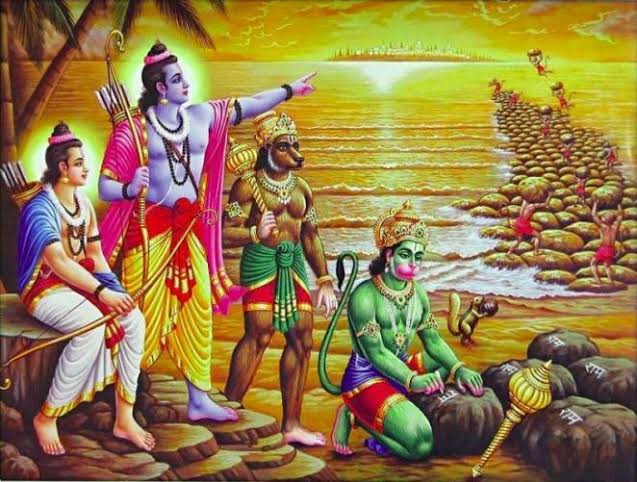
1. Familiar Stories Create Emotional Connections
Many Indian families introduce children to stories from the Ramayana through books, television programmes, festivals, and conversations. As a result, characters such as Rama, Sita, Lakshmana, and Hanuman are familiar to many viewers.
Seeing these characters in a modern film can create curiosity and nostalgia. Audiences may want to compare the new interpretation with the versions they remember from childhood.
2. Timeless Lessons About Life
The Ramayana explores values such as honesty, responsibility, patience, courage, and loyalty. These themes can encourage audiences to think about their own decisions and relationships.
For example, Rama’s commitment to duty and Hanuman’s devotion are important parts of the traditional narrative. Such qualities can make the story meaningful beyond its historical and cultural setting.
3. Strong Family Relationships
Relationships are central to the Ramayana. The bond between Rama and Lakshmana, the relationship between Rama and Sita, and the responsibilities of different family members contribute to the emotional depth of the epic.
These themes make the story relatable because family relationships continue to play an important role in people’s lives.
4. Curiosity About Traditional Culture
Modern audiences have access to entertainment from many countries and cultures. At the same time, some viewers are interested in exploring stories connected to their own cultural heritage.
Mythology-based films provide an opportunity to experience traditional characters, costumes, music, architecture, and storytelling in a cinematic format.
5. Entertainment Combined With Cultural Learning
A well-made mythological film can entertain viewers while encouraging them to learn more about an epic. Younger audiences may become interested in reading the Ramayana or exploring its different regional interpretations after watching a film.
This combination of entertainment and cultural discovery helps explain why Indian mythology continues to inspire filmmakers and attract audience attention.
The Future of Mythology in Indian Cinema
The future of mythology-based storytelling in Indian cinema offers many exciting possibilities. With improvements in filmmaking technology, changing audience interests, and growing international distribution, filmmakers have more opportunities to explore traditional Indian stories in new ways.
The Ramayana movie is an example of how an ancient epic can be presented through modern cinematic techniques. Its large-scale production and familiar characters reflect the continuing interest in stories connected to Indian culture and heritage.
1. More Mythological Stories on the Big Screen
The Ramayana and Mahabharata offer many episodes and characters that filmmakers can explore. Beyond these well-known epics, Indian literature and folklore also contain numerous stories that have the potential to become films and television series.
Exploring different narratives can bring more variety to Indian mythology movies.
2. Growth of Animation and Digital Platforms
Animation and digital streaming platforms can introduce traditional stories to younger audiences. Animated films, web series, documentaries, and short-form content can present mythological characters in different formats.
These platforms also allow filmmakers to experiment with storytelling styles and reach viewers who may not regularly watch theatrical films.
3. International Recognition for Indian Stories
Indian cinema is reaching audiences in different countries through theatrical releases and streaming services. Mythology-based films can introduce international viewers to Indian cultural traditions and literary heritage.
Good dubbing, subtitles, clear storytelling, and quality production can help these stories connect with people from different backgrounds.
4. Better Technology and Cinematic Experiences
Advances in visual effects, animation, digital production, and sound design will continue to provide filmmakers with new creative possibilities.
These tools can help recreate detailed environments and large-scale scenes. However, technology must remain connected to meaningful storytelling and strong performances.
5. A Balance Between Tradition and Innovation
The future success of mythology-based cinema will depend on the ability to respect traditional narratives while presenting them in engaging ways.
Filmmakers can introduce fresh perspectives, but they should also pay attention to cultural context, character development, and the central themes of the original stories.
When tradition and innovation work together, Indian mythology can continue to inspire audiences across generations.
Conclusion
The growing interest in the Ramayana movie reflects the lasting influence of Indian mythology on modern entertainment. With its memorable characters, emotional storytelling, and timeless themes, the Ramayana continues to inspire filmmakers and audiences across generations.
Modern filmmaking techniques, advanced visual effects, detailed production designs, and talented performers have created new opportunities to present traditional stories on the big screen. At the same time, audiences continue to value the cultural meaning and emotional connections behind these narratives.
The interest surrounding the Ramayana movie release date in India, its budget, cast, and production also highlights the excitement around large-scale mythological films. However, the long-term success of such projects will depend on more than impressive visuals or production costs. Strong storytelling, meaningful performances, and thoughtful representation of the source material are equally important.
As Indian cinema continues to evolve, mythology-based films can introduce traditional stories to younger generations and international audiences. By combining cultural heritage with modern creativity, filmmakers can ensure that these timeless narratives continue to find a place in contemporary cinema.
Frequently Asked Questions (FAQs)
Q2. What is the Ramayana movie about?
The Ramayana movie is a cinematic adaptation of the ancient Indian epic. It follows the story of Lord Rama, his exile, the abduction of Sita by Ravana, and the journey to bring her back.
Q2. What is the Ramayana movie release date in India?
Ramayana: Part One was announced for a theatrical release on 5 November 2026. Readers should check official announcements for any changes to the release schedule.
Q3. Is Ramayana movie releasing in 2026?
Yes. Ramayana: Part One was scheduled for release in 2026, with 5 November 2026 announced as its worldwide theatrical release date.
Q4. What is the budget of the Ramayana movie?
The reported combined budget for both parts is approximately ₹4,000 crore, including post-production and promotional expenses. This figure should not be confused with the budget of Part One alone.
Q5. Who is playing Lord Rama in the Ramayana movie?
Ranbir Kapoor plays Lord Rama in the film.
Q6. Who is playing Sita in the Ramayana movie?
Sai Pallavi portrays Goddess Sita in the film.
Q7. Who is playing Ravana in the Ramayana movie?
Yash plays Ravana, the king of Lanka and a central character in the epic.
Q8. Who is directing the Ramayana movie?
Nitesh Tiwari is directing the cinematic adaptation of the Ramayana.
Q9. Will the Ramayana movie have two parts?
Yes. The project is planned as a two-part cinematic adaptation, allowing the filmmakers to explore the epic across two instalments.
Q10. Why are Indian mythology movies becoming popular?
Indian mythology movies are attracting attention because they combine traditional stories, memorable characters, cultural heritage, emotional storytelling, and modern filmmaking technology.


