

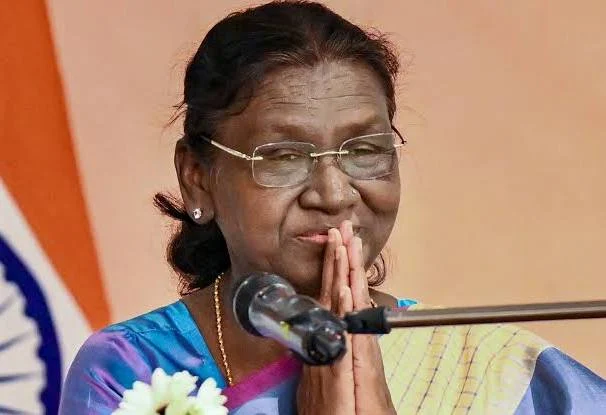
Few life stories in Indian politics feel as powerful as the journey of Droupadi Murmu. She was born in a modest tribal family in a remote part of Odisha, studied against the odds, worked as a clerk and a teacher, and rose step to Country’s highest constitutional office. Her path is not a story of sudden luck. It is a story of patience, service and the ability to carry on after heavy personal loss.
This article traces that journey in simple steps: her roots, her education, her early career, her political rise, her years as a Governor, and her election as the President of India.
Table of Contents
Early Life of Droupadi Murmu
Every long journey has a starting point, and for Droupadi Murmu it was a small village far from the centres of power.
Birth and Family Background
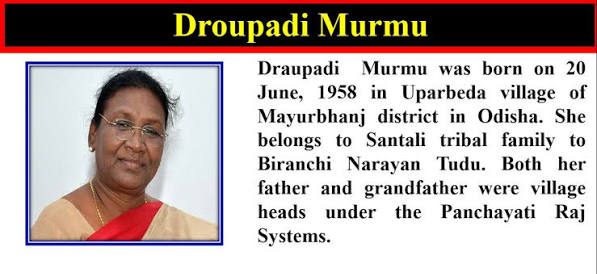
20 June 1958 is the date of birth of Droupadi Murmu in Mayurbhanj district of Odisha. She belongs to the Santhal tribal community. Her father, Biranchi Narayan Tudu, was a village headman, which meant that even as a child she grew up seeing how a community solves its everyday problems.
Growing Up Without Many Facilities
Life in a remote tribal village in those years meant limited roads, schools and opportunities, especially for girls. Reports often mention that she was originally called Puti Tudu and that a teacher later gave her the name Droupadi. Whatever the details, her childhood was shaped by simple living and strong family values.
Education and Early Career
Education was the first big door that opened for Droupadi Murmu, and she used it well.
Studying Against the Odds
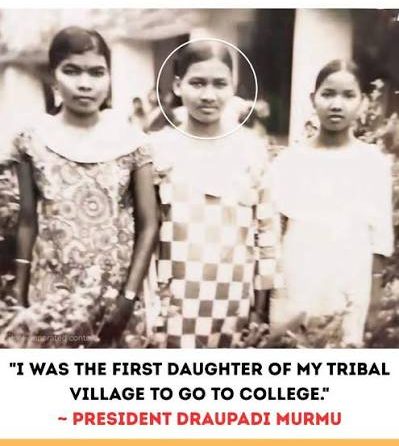
She completed her schooling in Odisha and later went to Rama Devi Women’s College (now Rama Devi Women’s University) in Bhubaneswar, where she earned her graduation degree. In a time when very few girls from her community went to college, this was a major achievement.
Clerk and Teacher
After college, she worked as a junior assistant in the state’s irrigation and power department. She then turned to teaching and taught at an educational centre in Rairangpur, where she worked with young students. These years gave her a clear understanding of the needs of ordinary families in her region, and teaching remained close to her heart even after she entered public life.
Political Journey of Droupadi Murmu
Her entry into politics was local, grounded and gradual.
Starting as a Councillor
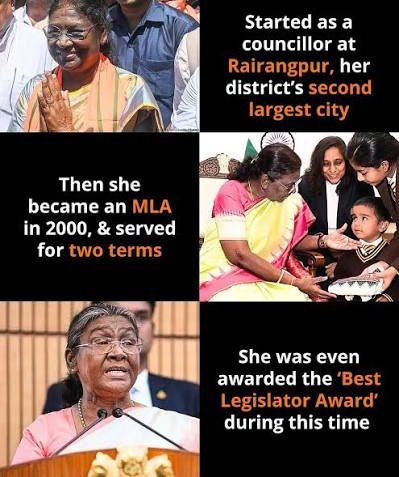
Droupadi Murmu began her political career in the late 1990s when she was elected as a councillor in the Rairangpur Nagar Panchayat. Local civic work is often unglamorous, yet it taught her how drains, roads, water and schools affect daily life.
Two-Time MLA and State Minister
She was later elected as an MLA from Rairangpur and served in Odisha’s government as a minister, handling departments such as commerce and transport and fisheries and animal resources. She has been recognized for her work as a legislative by Odisha Legislative Assembly. Her time as a minister gave her experience of governing at the state level.
Roles Within Her Party
Alongside holding office, she worked within the Bharatiya Janata Party in several organisational roles, including work connected with its tribal wing. This helped her stay connected with grassroots issues.
Personal Loss and Strength
Behind the public achievements lies a private story of grief. Droupadi Murmu lost her husband and her two sons within a few years of each other, a tragedy that would have broken many people.
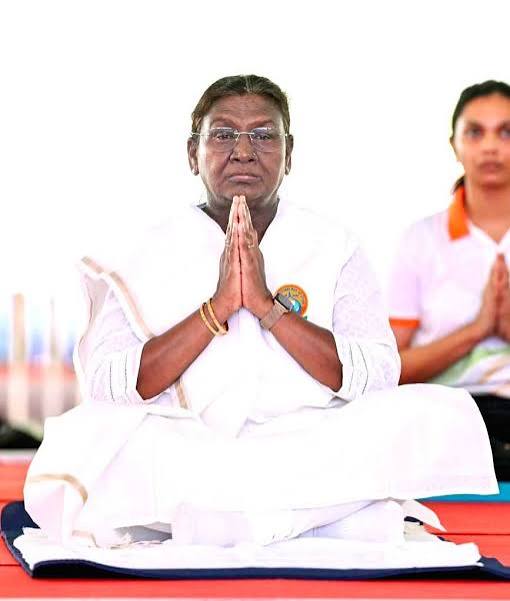
Finding Strength in Meditation
She has spoken about turning to spiritual practice, including meditation linked with the Brahma Kumaris, to deal with that period. Many people find her story relatable because it shows that resilience is not about avoiding pain, but about continuing to serve despite it.
Returning to Public Life
Instead of withdrawing from the world, she continued working for her community and later took on even greater responsibility. Her daughter, Itishri Murmu, remains an important part of her life.
Governor of Jharkhand
Being the very first women and first tribal person to be appointed as Governor of Jharkhand in 2015.
A Long and Respected Tenure
She served as Governor until 2021, which made her tenure one of the longer ones in the state’s history. Throughout this period she worked closely with universities, students and tribal communities, and she was known for her calm and balanced approach.
Focus on Education and Tribal Welfare
As the Chancellor of state universities, she showed a strong interest in higher education and student welfare. Her priorities have been shaped by her experience as a teacher and a member of tribal community.
Election as the President of India
2022 has become the biggest moment in the journey of Droupadi Murmu.
How She Became President
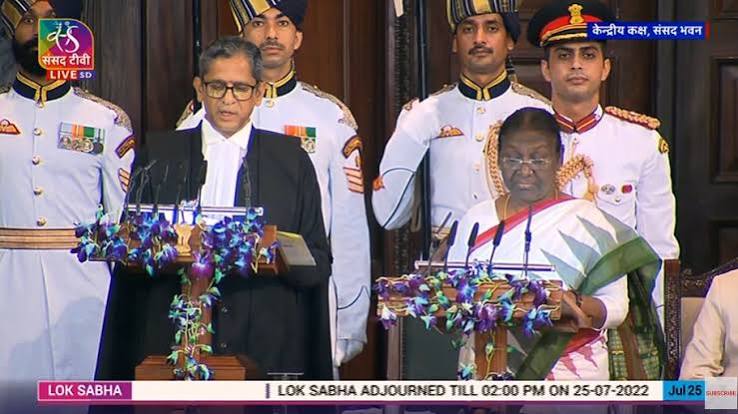
In 2022, she was announced as the candidate of the National Democratic Alliance for the presidential election. The President of India is elected by an electoral college made up of elected members of Parliament and the state legislative assemblies. The results were declared on 21 July 2022, and she took the oath of office on 25 July 2022 as the 15th President of India.
Historic Firsts
Her election carried real historic weight:
- The first person from a tribal community to hold the office.
- The second woman President of India, after Pratibha Patil.
- The first President born after India’s independence.
For millions of people from marginalised communities, the sight of a tribal woman from a village in Odisha taking the oath at Rashtrapati Bhavan was deeply symbolic.
What Droupadi Murmu’s Journey Teaches Us
Her life offers lessons that go beyond politics.
Education Can Change a Life
Her education opened doors that her village did not have. Her story is a strong reminder of why girls’ education, especially in rural and tribal regions, deserves attention.
Service Starts Locally
She did not begin at the top. She began as a local representative and learned the job from the ground up.
Resilience Matters
The losses she faced and the way she kept going show a quiet kind of courage that many people admire.
Representation Inspires
When people see someone like themselves in a position of authority, it changes what they believe is possible for their own children.
Role of the President: A Quick Understanding
To appreciate her journey, it helps to know what the office involves. The President is the constitutional head of the country and the Supreme Commander of the armed forces. The President appoints key officials, gives assent to bills passed by Parliament, and acts on the advice of the Council of Ministers. The official site of the President of India publishes the President’s speeches, events and activities, and the Press Information Bureau carries government press releases. For details on how elections work, the Election Commission of India is the official source.
Droupadi Murmu at a Glance
A quick summary helps readers who want the key facts in one place.
- Born: 20 June 1958, Uparbeda village, Mayurbhanj, Odisha
- Community: Santhal tribe
- Education: Graduate, Rama Devi Women’s College, Bhubaneswar
- Early work: Junior assistant in a state department, then teacher
- Political roles: Councillor, MLA and minister in Odisha
- Governor: Jharkhand, 2015 to 2021
- President of India: 15th President, since 25 July 2022
Droupadi Murmu as President: Her Public Role
Since taking office, Droupadi Murmu has carried out the constitutional duties of the President while also speaking regularly on issues close to her own experience.
Constitutional Duties
As President, she gives assent to bills passed by Parliament, administers the oath of office to key officials, and receives foreign dignitaries. She also presents national honours such as the Padma awards at ceremonies held at Rashtrapati Bhavan, and she addresses the nation on occasions such as the eve of Republic Day.
Themes She Often Speaks About
In her public addresses she often returns to a few ideas: education for girls, the welfare of tribal communities, respect for nature and the duty of citizens towards the country. These themes connect directly to the life she has lived.
Visits and Public Engagement
The President travels across states to meet students, tribal groups and local communities, and also visits other countries on state visits. The schedule of such visits is published by the President’s office and the Press Information Bureau, so readers looking for fresh updates should check those official sources.
Why Her Story Matters Today
India has seen many leaders, but the life of Droupadi Murmu connects with people who rarely see themselves in positions of power. A woman from a tribal village, with limited resources and a series of personal losses, reached the country’s top constitutional post through persistence rather than privilege. That is why her story is shared in schools, in classrooms and in conversations about equal opportunity.
Frequently Asked Questions (FAQs) About Droupadi Murmu
Who is Droupadi Murmu?
Droupadi Murmu is the 15th President of India, in office since 25 July 2022. She earlier served as Governor of Jharkhand and as a minister in Odisha.
When and where was Droupadi Murmu born?
She was born on 20 June 1958 in Uparbeda village, Mayurbhanj district, Odisha.
What is the educational qualification of Droupadi Murmu?
She is a graduate and studied at Rama Devi Women’s College in Bhubaneswar, now Rama Devi Women’s University.
What did Droupadi Murmu do before entering politics?
She worked as a junior assistant in a state government department and later as a teacher in Rairangpur.
Which political party does Droupadi Murmu belong to?
She is associated with the Bharatiya Janata Party. As President, she holds a constitutional post above party politics.
Was Droupadi Murmu the Governor of Jharkhand?
Yes. She became Governor of Jharkhand in 2015 and served until 2021, becoming the first woman and the first tribal person in that role in the state.
When did Droupadi Murmu become the President of India?
The results of the election were declared on 21 July 2022, and she took the oath of office on 25 July 2022.
Why is Droupadi Murmu’s election historic?
She is the first President from a tribal community, the second woman to hold the office, and the first President born after India’s independence.
How is the President of India elected?
The President is elected by an electoral college made up of elected members of Parliament and of the state legislative assemblies.
Where can I find official information about Droupadi Murmu?
Check the official website of the President of India and the Press Information Bureau for verified speeches, events and press releases.
Conclusion
The journey of Droupadi Murmu proves that background does not decide the limits of a person’s future. From a quiet village in Mayurbhanj to the grand halls of Rashtrapati Bhavan, her path was built through education, hard work, public service and the strength to rise after loss. Whether you read her story for inspiration, for general knowledge or for academic purposes, it remains one of the most meaningful chapters in modern Indian public life.


