

Open AI is revolutionizing innovation in 2026 by unlocking smarter solutions, driving business growth, and empowering creativity. Discover how Open AI inspires success and transforms the future of technology.
Table of Contents
The Rise of Open AI in 2026
Open AI has become one of the most important names in technology in 2026. It is helping people and businesses unlock new opportunities by making smart tools that are easy to use. With Open AI, innovation is no longer limited to big companies that anyone can use AI to solve problems, create ideas, and grow faster.
In simple words, Open AI is like a powerful assistant that understands human needs and provides smarter solutions. It is changing the way industries work, from healthcare to education, by making tasks quicker and more accurate. This rise of Open AI shows how technology can inspire smarter innovation and bring positive changes to everyday life.
The success of Open AI in 2026 is not just about advanced machines, it is about empowering people. By combining creativity with intelligence, Open AI is helping businesses grow, students learn better, and communities find new ways to connect. This makes Open AI a true symbol of progress and smarter innovation for the future.
Unlocking Potential: Why Open AI Matters?
Open AI matters in 2026 because it is opening doors to smarter solutions that were once out of reach. By making advanced technology simple and accessible, Open AI helps businesses, students, and everyday people achieve more with less effort. It is not just about machines, and it is about giving people the tools to think bigger and act faster.
One of the main reasons Open AI is so important is its ability to inspire innovation. Companies can use Open AI to create new products, improve customer experiences, and solve problems in ways that were never possible before. This makes it a true partner in growth and success.
Open AI also matters because it brings creativity and intelligence together. Instead of replacing human ideas, it supports them and helping writers, designers, and entrepreneurs turn their visions into reality. In simple words, Open AI is a bridge between imagination and technology, making smarter innovation possible for everyone.
Smarter Innovation: Role in Business Growth

In 2026, artificial intelligence is reshaping the way companies grow and compete. Businesses are no longer limited to traditional strategies; instead, they are using intelligent systems to streamline operations, improve customer experiences, and discover new opportunities. This shift toward smarter innovation is helping organizations of all sizes achieve results that were once thought impossible.
One of the biggest advantages is efficiency. Intelligent tools can analyze large amounts of data in seconds, giving leaders clear insights into market trends and customer behavior. This allows businesses to make faster decisions, reduce costs, and stay ahead of competitors. By automating repetitive tasks, companies free up time and resources to focus on creativity and long-term strategy.
Smarter innovation also drives personalization. Businesses can now deliver products, services, and marketing messages that feel tailored to each customer. This level of customization builds stronger relationships, increases loyalty, and boosts overall growth. When customers feel understood, they are more likely to trust and engage with a brand.
Finally, intelligent systems encourage adaptability. In a fast-changing world, companies that can quickly adjust to new challenges are the ones that thrive. Whether it’s responding to shifts in consumer demand or exploring new markets, smarter innovation provides the flexibility needed to grow sustainably.
Empowering Creativity: Role in Everyday Solutions

In today’s world, intelligent systems are becoming part of daily life, helping people express ideas and solve problems in creative ways. From writing and design to music and education, these tools are making it easier for individuals to bring their imagination to life. What once required specialized skills or long hours of effort can now be achieved with simple guidance and support from technology.
One of the most exciting aspects of this innovation is how it encourages creativity across different fields. Writers can generate fresh ideas for stories, marketers can design engaging campaigns, and students can learn complex topics with personalized explanations. Everyday solutions are no longer limited to professionals—anyone can explore new possibilities and create something meaningful.
These systems also inspire collaboration. By reducing repetitive tasks, they allow people to focus on the creative side of their work. Teams can brainstorm faster, artists can experiment with new styles, and businesses can deliver unique experiences to their customers. The result is a culture of innovation where creativity is not just supported but actively empowered.
Balancing Benefits and Challenges

When discussing innovation, it’s important to look at both the advantages and the potential drawbacks. This balanced view helps readers understand not only the opportunities but also the responsibilities that come with adopting new technology.
On the positive side, intelligent systems bring efficiency, creativity, and accessibility. They allow businesses to streamline operations, reduce costs, and deliver personalized experiences to customers. For individuals, these tools open doors to learning, artistic expression, and problem‑solving in ways that were once difficult or time‑consuming. The benefits are clear: smarter solutions can inspire growth and make everyday tasks easier.
However, challenges also exist. Concerns about data privacy, ethical use, and over‑reliance on automation remind us that innovation must be handled carefully. Businesses need to ensure transparency, protect sensitive information, and maintain human oversight. Without these safeguards, the risks could outweigh the rewards.
By weighing both sides, readers gain a realistic perspective. Innovation is powerful, but it requires thoughtful use to ensure that progress benefits everyone. This balanced approach makes the article more trustworthy and informative, showing that success comes not only from embracing new tools but also from managing them responsibly.
Future Outlook: Open AI and the Next Decade of Success
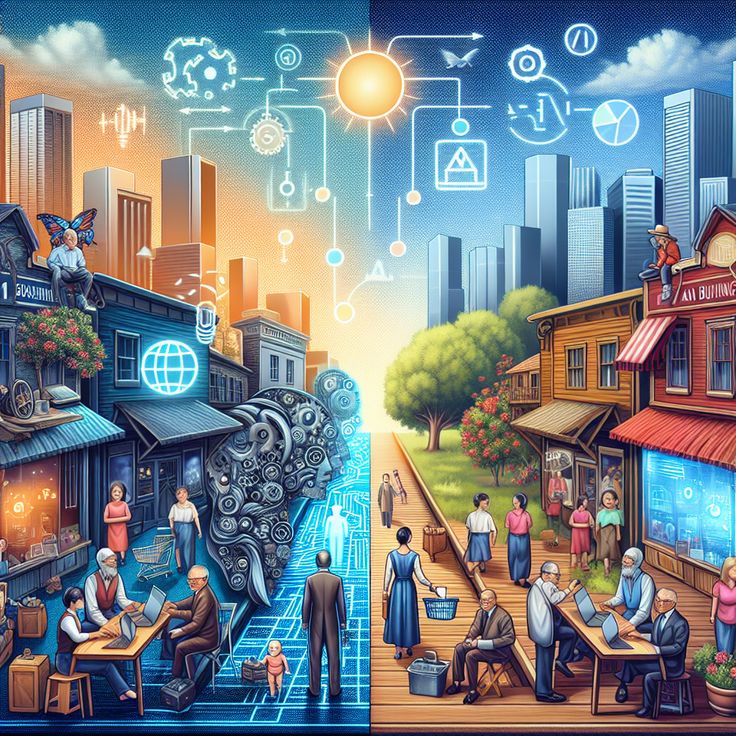
The next decade promises to be a turning point for intelligent systems, as they continue to shape industries, communities, and everyday life. What began as tools for efficiency is evolving into platforms for creativity, collaboration, and global progress. The outlook ahead is not just about faster machines, it’s about building smarter societies.
One major trend is integration. Intelligent systems are expected to become part of nearly every business process, from customer service to product design. This seamless presence will allow companies to innovate faster, reduce costs, and adapt to changing markets with ease. Growth will no longer depend solely on human effort but on the partnership between people and technology.
Another key aspect of the future is accessibility. As these tools become more affordable and user-friendly, individuals and small businesses will gain the same advantages once reserved for large corporations. This democratization of technology will spark new ideas, empower entrepreneurs, and create opportunities in places that were previously overlooked.
Finally, the next decade will highlight sustainability and ethics. Intelligent systems will play a role in solving global challenges such as climate change, healthcare access, and education gaps. At the same time, society will demand responsible use, ensuring that innovation benefits everyone while protecting privacy and fairness.
The outlook is clear: success in the coming years will belong to those who embrace smarter innovation, adapt quickly, and use technology not just to grow, but to inspire positive change.
Dedicated Section: Real-Life Examples of Open AI Innovation
To truly understand the impact of intelligent systems, it helps to look at how they are being applied in real-world scenarios. These examples highlight the diverse ways innovation is shaping industries and everyday life.
- Smarter Healthcare: Detecting Disease Early
Hospitals like the Mayo Clinic are using AI-powered diagnostic tools to analyze X-rays and MRIs. These systems detect conditions such as lung cancer at earlier stages, improving patient outcomes and reducing treatment costs.
- Business Growth: Fighting Fraud in Real Time
Financial institutions such as JP Morgan Chase rely on AI to monitor millions of transactions instantly. By reducing false alarms and catching suspicious activity faster, these systems protect customers and strengthen trust in digital banking.
- Everyday Mobility: Autonomous Rides on the Road
Waymo’s self-driving taxis are already operating in Phoenix, offering safe and efficient rides without human drivers. This shows how AI is transforming urban mobility and paving the way for smarter transportation solutions.
- Creativity Unleashed: Assisting Artists
Digital creators are using tools like DALL·E to generate unique artwork and design concepts. This empowers artists to experiment with new styles and bring imaginative ideas to life faster than ever before.
Key Takeaways for Readers
- Leverage automation to save time on repetitive tasks and focus energy on creativity and strategy.
- Use data analysis to gain deeper insights into customer behavior, market trends, and decision-making.
- Enhance personalization in products, services, and communication to build stronger customer relationships.
- Balance innovation with responsibility by ensuring ethical use, transparency, and privacy protection.
- Explore creative applications such as writing assistance, digital art, and personalized learning to unlock new opportunities.
- Adapt quickly to change by using intelligent systems to stay flexible in fast-moving markets.
Conclusion: Inspiring Smarter Innovation
The journey of intelligent systems in recent years shows how technology can be more than just a tool as it can be a source of inspiration. By simplifying complex tasks and opening new possibilities, these innovations encourage people and businesses to think differently and act boldly. The true value lies not only in efficiency but in the creativity and growth they make possible.
As industries continue to evolve, the role of smarter innovation will only grow stronger. It empowers individuals to explore new ideas, helps organizations adapt to changing markets, and supports communities in solving global challenges. This progress is not about replacing human effort but about amplifying it, creating a future where imagination and technology work hand in hand.
Looking ahead, success will belong to those who embrace change, use intelligent systems responsibly, and see innovation as a way to inspire positive transformation. The path forward is clear: smarter solutions are here to unlock potential and shape a brighter tomorrow.
FAQs
What is Open AI?
It is a technology platform that develops advanced artificial intelligence tools to help people and businesses solve problems more efficiently.
How does Open AI support innovation?
By simplifying complex tasks, analyzing data quickly, and offering creative solutions that inspire new ideas.
Can Open AI be used in everyday life?
Yes, it is used in writing, design, healthcare, education, and even transportation to make daily tasks easier.
What are the benefits of Open AI for businesses?
It helps companies reduce costs, improve customer experiences, and grow faster through smarter decision-making.
Are there challenges with Open AI?
Yes, issues like data privacy, ethical use, and over‑reliance on automation need careful management.


