

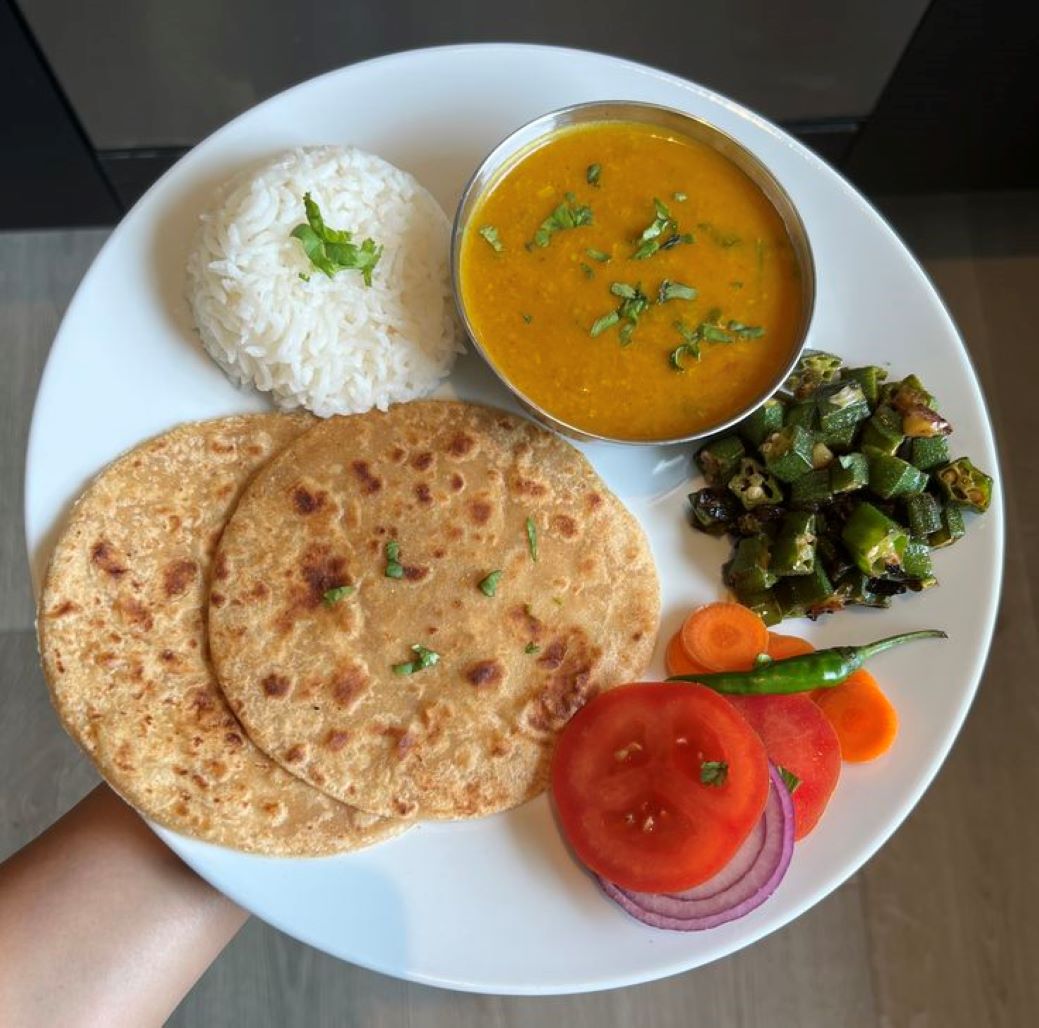
Fuel Your Diet with Indian Snacks and Traditional Food Rich in Protein, Explore Nutrient-Dense Indian Food Dishes, Ancient Grains, and Healthy Food Snacks That Combine Authentic Flavours with Modern Metabolic Health
Table of Contents
INTRODUCTION
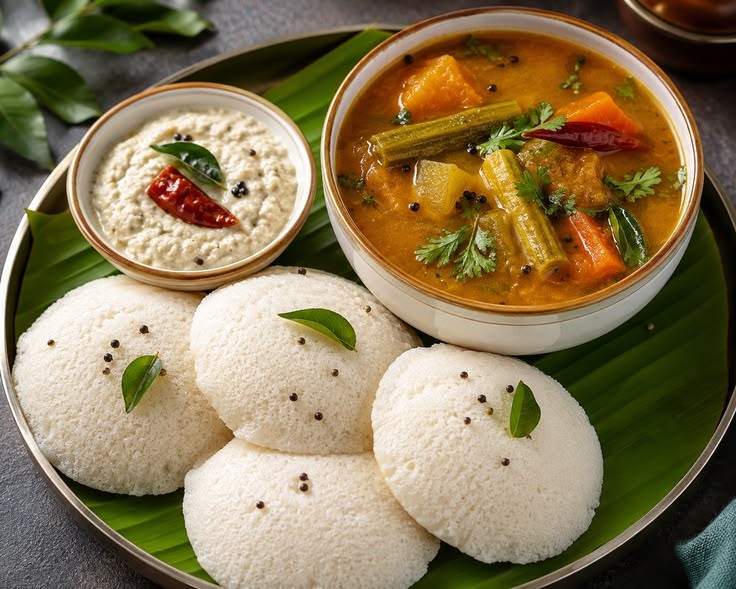
Global narrative about Indian food is hanging after years of discussions and debates, Indian food, long misunderstood in Western culture as oily and heavy, is now revealing different new truths. Indian cooking is inherently nutrient-dense, gut-friendly, and meticulously balanced. As now the food choices of people have started shifting towards plant-based nutrition, minimally processed ingredients, people now realizing the worth of Indian foods.
From the traditional lentils curry to millet flatbreads cooked fresh, traditional Indian food is providing a new taste and combination to new modern culture. Traditional Indian food is providing a new way to youths and adults in combining a different flavour from every locality to food for providing protein, fats, vitamins, etc. By looking at the new progress in influence of generations on Indian cuisine, it is evident that Indian has most sophisticated health-supportive food system in the world.
The Indian citizens have also started adapting Western food culture, but as after years they are realizing the importance of Indian foods, Indian foods have tremendous healthy recipes that are gut-friendly and protein, fibre-rich. There are numerous Indian snacks that are way better than other market snacks in providing nutrition.
Nutritional Science Behind Traditional Indian Dishes
You know where the philosophy lies of traditional foods, on the fact that traditional foods as preventive medicines, centuries before the food was designed so like that combination of food components present over thali provides complete protein profile, steady complex carbohydrates, dietary fibres, and gut-regulating spices. The Indian food is not a mere food to fill stomach; it has the music of love who prepare food for you with the wholesome hygienic making and adding every nutrition to your plates.
Culinary Synergy
Plant-based diet is a challenge to fill all nine amino acids required by body. Protein is really tough to get from plant-based diet, and people find it impossible, but the reality is that traditional Indian food has solved this mystery a long ago. Traditional Indian food is solving this challenge through providing healthy combinations of food over thali. These food combinations are able to fill every nutritional requirement of your body.
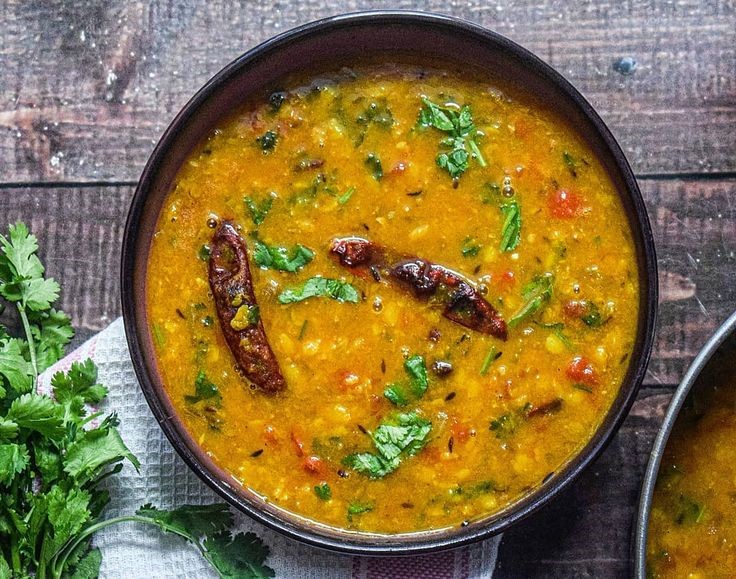
Dal Chawal (Lentils with Rice): Lentils are the biggest source of plant-based protein. Lentils have high lysine, and when it combines with high methionine rice, that makes a complete food meal. This food option is the comfort food of many humans. Lentils are high in protein and gut friendly. It’s a stable diet for a healthy lifestyle. Dal and chawal are the bests combination and widely popular combination over Indian rasoi. There are different kinds of lentils available, and each one has different nutritious. Even the dietician prefers the lentils should be added in diet. Rice is low in lysine, but if it gets mixed with the lentils, then it makes a complete protein profile meal.
Khichari (Mung Bean, Rice and Millets): Khichdi, there is no one home in India that does not know about this combination. It’s a combination of lentils, millets, rice that is an ultimate recovery meal. Khichdi is gut friendly as it’s easily digestible. Hot khichdi is the ultimate food, even preferred by doctors during recovery. This Indian food provides the best combination of nutrition as we can add vegetables often in this to make it healthier. A person aspiring to get balanced plant-based protein can get it through khichdi.
Ancient grains over carbs
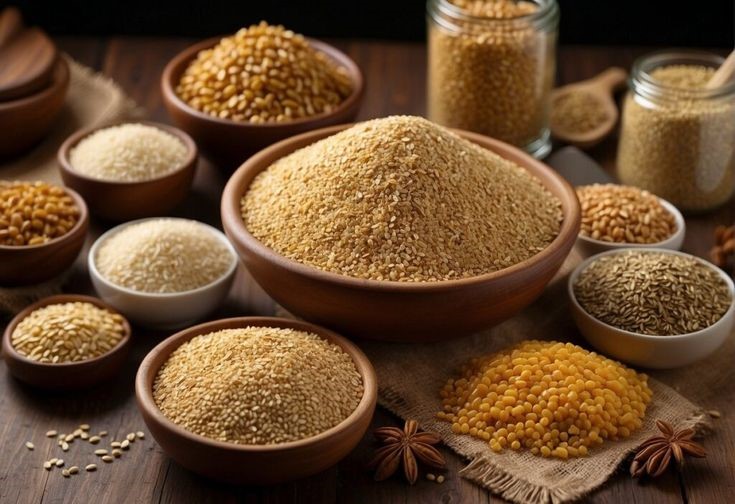
Maida, refined flour, is really avoidable as a flour as it drives rapid sugar spikes, but not every flour in Indian rasoi has carbs. There are many grains different according to different locality that provide the nutrition without increasing sugar in blood, like ragi, bajra, jowar. These grains are treasures of Indian rasoi, which often gets a backside after the popularity of wheat as grain, but now as modernisation is again reflecting its importance over the health of humans. Jowar, ragi, bajra are some of the grains that have high nutritional index and also, they are cheaper in price.
Grains like ragi, bajra, jowar are naturally gluten-free, low glycemic, and packed with calcium, iron, and insoluble fiber. If a human switches back to these grains, then they can get steady energy without metabolism crashes.
Natural Protein-Rich Staples
Person aiming to get protein through protein-rich plant food, then it’s the best information for them. These are some of the plant-based protein Indian food snacks and components. Traditional kitchens have a matrix of food options available that can fill your body protein needs without taking the lives of any animal for food (non-veg). So adopting these foods in your food is better than relying on some animal body for food.
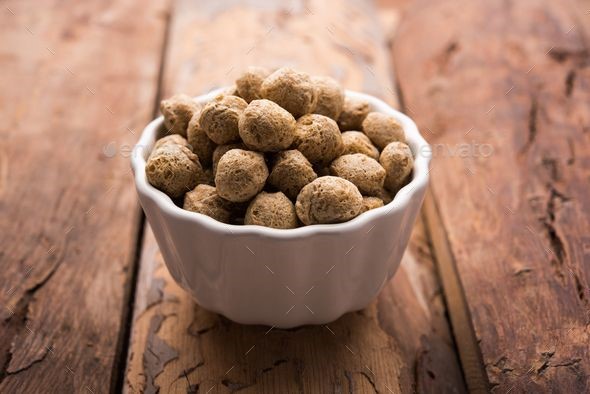
Soya chunks, soya chunks are some of the best food rich in protein that can provide 52g of protein in 100 gm of soya bean. These soya chunks can be added in curry and masala to support muscle repair in your body. Soya bean absorbs the curry itself and creates a combination of health and taste, making it best traditional plant-based food rich in protein.
Sattu: Sattu is roasted gram flour that provides 20 gm of protein in 100 gm. Humans who cannot afford the soya chunks often can drink sattu drink for protein needs, but if a person is having enough protein through other sources, still he needs to add sattu in diet as sattu is a digestible flour. It has many health benefits like it is rich in protein, fibre, and also acts as a cooling agent for your body. Drinking sattu drink not only adds protein, but it’s a storage of long-lasting energy, so best for humans who work in manufacturing sites as workers.
Moong Dal Chila: As we discussed in article, lentils are good source of protein, so humans make its fermented batter and after that its chilla rolled over tawa. It’s a best and stable breakfast idea that can add up to protein and often very light for the gut, low in calories, high in iron and dietary fibres. Adding this to breakfast thali will add over taste and nutrition both to your plates.
Adding this to your thalis will add up protein with the amino acids, fibre, potassium, magnesium, etc. Indian food dishes were misunderstood by many food philosophers, that is now getting transformation when people have started moving towards veganism to protect the animals and environment. Killing an individual for your stomach is not a great thing. Instead of that, adding these plant-based food options will add up to your protein, magnesium, potassium values by saving environment.
Satisfying Craving Without Guilt
Indian snacks are healthy and full of nutrition. Commercial food are filled with refined oils, high sodium, preservatives, and sugars. Indian food have different options of healthy Indian snacks that will not only give your tongue a taste of flavour but will add up to your protein and amino acid index of body. These are some of the outstanding Indian food snacks options available that will make you think that Indian food were misunderstood from ages.
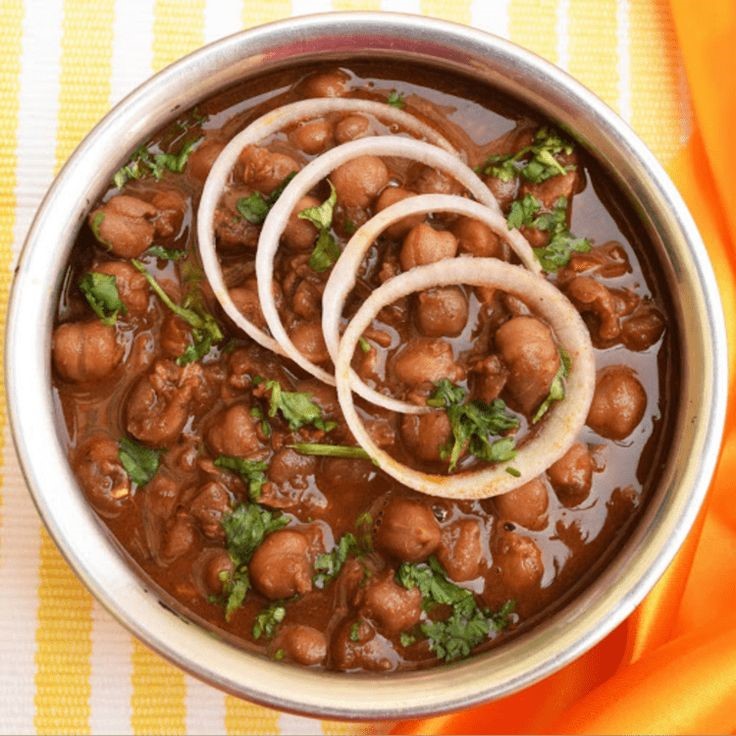
Chana Chaat: Boiled chickpeas are a source of protein and amino acids, and for making chaat out of it, tomatoes, spices, cucumber, vegetables with the juice of lemon should add in it. Doesn’t it sound mouth-watering? It is. This snack is best for small hunger, breakfast as this combination has high dietary fibre and carbohydrates. Chickpeas are great source of protein also. Making a chaat out of it is best for gut and your craving. Instead of depending on commercial snacks, it’s best to add this in your diet.
Sprouted Moong Salad: Sprouted moong is best for the breakfast as sprouting leads to an increase in vitamin C and B, enhances digestive enzymes. This sprouting salad is a best healthy food snack. This Indian snack can be tossed with onion, tomatoes, and chillies, spices, making a best mid-day bite full of nutritional and protein profile.
Roasted Makhana: Makhana is the best Indian snack, can be eaten everywhere. It’s a great replacement for chips and Kurkure as by adding the spices and flavours (natural) to makhana, a good snack can be made that will be not fried in any palm oil. Makhana is an Indian food snack with lot of benefits like it’s loaded with anti-aging property, has low calories, high magnesium, that makes it a high-fibre substitute to your potato chips and popcorn cravings anywhere as it’s travel-friendly and has long shelf life unlike other healthy Indian food snacks.
Role of Spices
Beyond the grains and lentils, even the spices that are added in Indian food have high medicinal benefits. It’s not a wrong saying that an Indian kitchen is a traditional medical store. Earlier, not much medicine was available to everyone, so Indian kitchen works as a small medical store for them. Indian spices are a home of medicinal properties. Some of these are:
Turmeric: Turmeric is still used as medicinal in some homes. It’s a best anti-inflammatory compound. Turmeric is still added by Indians in milk that helps in healing of joints and muscles. It works as antibiotic if no antibiotic spray is available. Turmeric is a blessed spice of kitchen and must be added in every meal, even for dogs also.
Cumin: Cumin is packed with essential oils that prevent bloating and help in digestion. Cumin drink is advised to be taken in morning, and also cumin as spice should be added in Indian food dishes to prevent digestive problems.
Epilogue
Indian foods were misunderstood from ages. They are greatest source of protein and supplements. Traditional Indian kitchens have tremendous Indian food dishes that are rich in protein, magnesium, potassium. As world is moving towards veganism, where people have started demanding plant-based protein, Indian kitchens have many foods rich in protein that can provide them nutrition without killing any animals.
Indian kitchen has a lot of Indian food snacks that can be able to satisfy the cravings of spicy food in mid-day as snacks. These Indian snacks can fill the nutrition requirements and palates requirements both.
FAQs
What is the importance of lentils in Indian kitchen?
Lentils are the biggest source of plant-based protein. Lentils have high lysine, and when it combines with high methionine rice, that makes a complete food meal.
What are the nutrients that khichdi provides?
Khichdi is gut friendly as it’s easily digestible. Hot khichdi is the ultimate food, even preferred by doctors during recovery. This Indian food provides the best combination of nutrition as we can add vegetables often in this to make it healthier. A person aspiring to get balanced plant-based protein can get it through khichdi.
What are the names of Indian snacks that can fill your stomach by adding nutrition also?
Chana Chaat , Sprouted Moong Salad , Roasted Makhana etc .
What is the nutrition soya bean having?
Soya chunks are some of the best food rich in protein that can provide 52g of protein in 100 gm of soya bean.
How can sprouted moong add to protein and nutrition?
Sprouted moong is best for the breakfast as sprouting leads to an increase in vitamin C and B, enhances digestive enzymes. This sprouting salad is a best healthy food snack. This Indian snack can be tossed with onion, tomatoes, and chillies, spices, making a best mid-day bite full of nutritional and protein profile.
What is the importance of turmeric in Indian kitchen?
Turmeric is still used as medicinal in some homes. It’s a best anti-inflammatory compound. Turmeric is still added by Indians in milk that helps in healing of joints and muscles. It works as antibiotic if no antibiotic spray is available. Turmeric is a blessed spice of kitchen and must be added in every meal, even for dogs also.


