

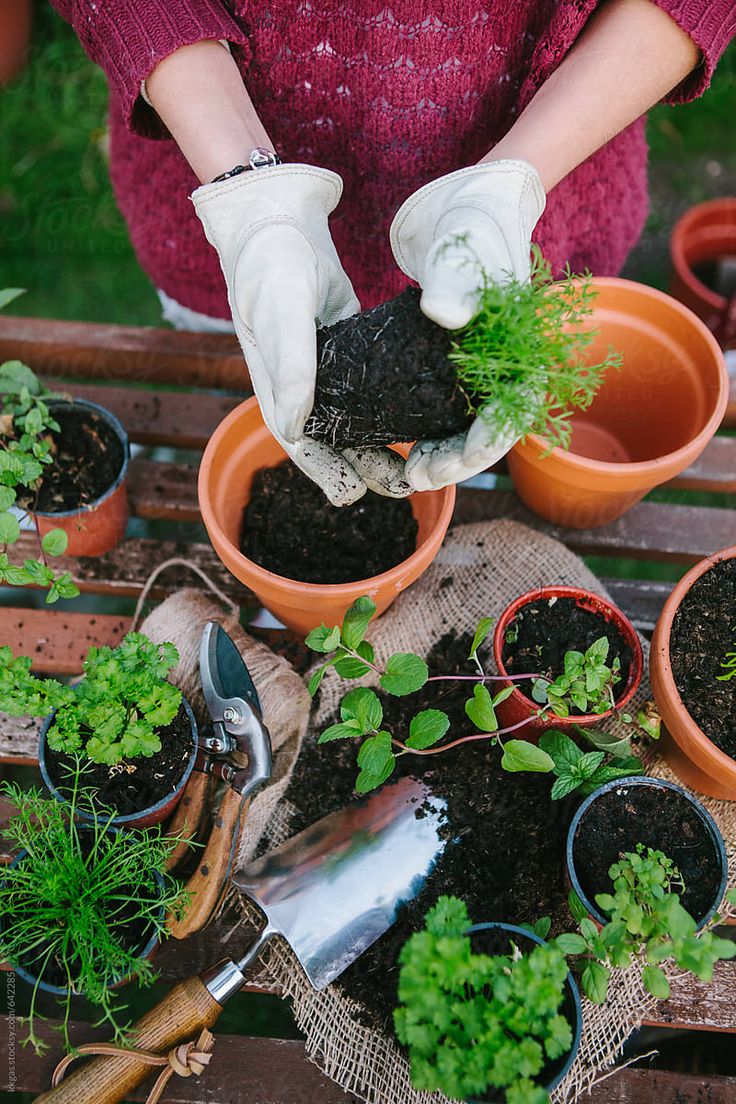
Gardening has evolved from being just a hobby into a lifestyle choice for millions of people around the world. In 2026, more people are turning toward gardening to grow fresh food, beautify their homes, and reconnect with nature. Whether you have a large backyard, a small terrace, or even a few pots on your balcony, creating a healthy and beautiful garden is possible with the right knowledge and care.
A well-maintained garden does more than just enhance the appearance of your home. It improves air quality, reduces stress, and provides fresh vegetables, herbs, and flowers. Gardening also teaches patience and responsibility while allowing you to observe the fascinating growth cycle of plants.
This ultimate gardening guide for 2026 will walk you through essential tips and techniques to help you grow a thriving, healthy, and beautiful garden, even if you are a beginner.
Table of Contents
Understanding the Basics of Gardening
Before you begin planting, it is important to understand the basic principles of gardening. Plants require three essential elements to grow properly: sunlight, water, and nutrients from the soil. When these factors are balanced correctly, plants develop strong roots, healthy leaves, and vibrant flowers.
Sunlight plays a crucial role in plant growth because it fuels the process of Photosynthesis, which allows plants to convert sunlight into energy. Most vegetables and flowering plants require at least six hours of direct sunlight each day.
Water is another key component, but the amount varies depending on the plant type. Overwatering can be just as harmful as underwatering, so it is important to understand the specific needs of each plant.
Finally, nutrient-rich soil provides the minerals plants need to grow strong and productive. Healthy soil supports root development and helps plants resist pests and diseases.
Choosing the Right Location for Your Garden
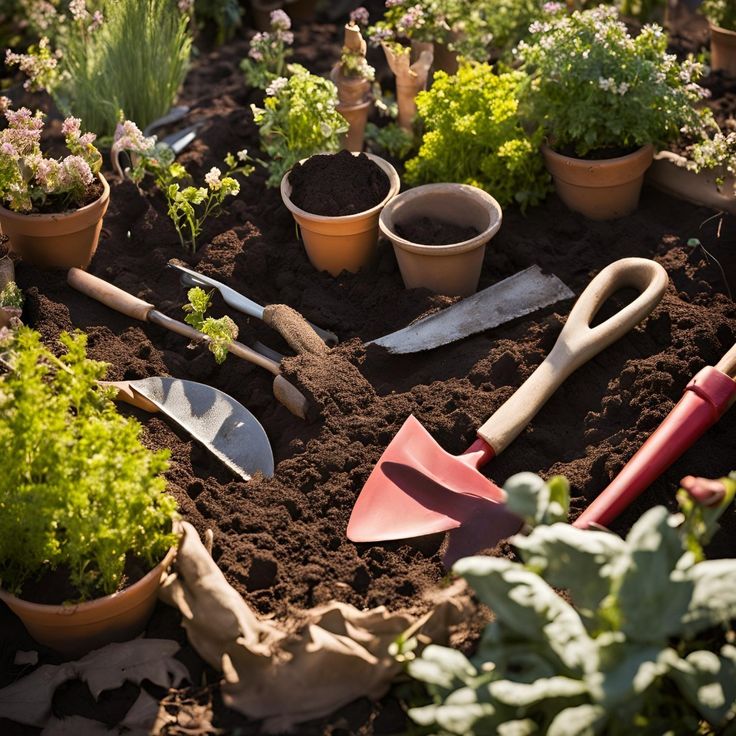
The location of your garden plays a major role in determining how successful it will be. Ideally, choose a spot that receives plenty of sunlight and has good drainage. Plants that receive sufficient sunlight grow faster and produce better flowers or fruits.
If you are gardening in a small urban home or apartment, balcony gardening and container gardening are excellent options. Many vegetables and herbs grow well in containers as long as they receive adequate sunlight and regular watering.
When selecting a garden location, also consider wind exposure and accessibility to water sources. A garden that is easy to reach and maintain is more likely to thrive in the long run.
Preparing Healthy Soil for Gardening
Healthy soil is the foundation of every successful garden. Without proper soil preparation, plants may struggle to grow even if they receive enough sunlight and water.
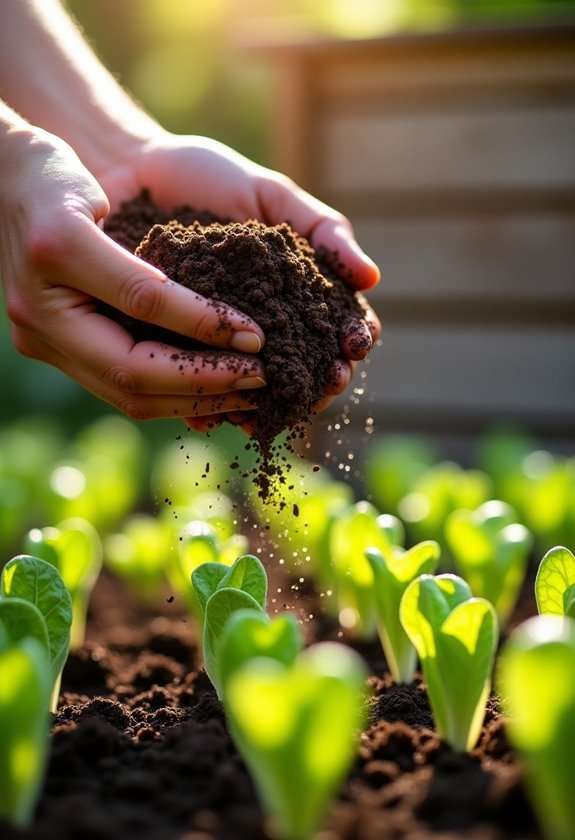
Start by loosening the soil to allow better air circulation around plant roots. Adding organic materials such as compost, dried leaves, or manure can significantly improve soil fertility.
Organic compost provides essential nutrients and encourages beneficial microorganisms that support plant growth. These microorganisms help break down organic matter and make nutrients available to plants naturally.
Testing soil pH can also be helpful, as some plants grow better in slightly acidic or alkaline conditions. Maintaining balanced soil conditions ensures your plants receive the nutrients they need.
Selecting the Best Plants for Your Garden
Choosing the right plants is one of the most exciting parts of gardening. In 2026, many gardeners prefer a mix of vegetables, herbs, flowers, and ornamental plants to create a diverse and vibrant garden.
Beginners often find it easier to start with low-maintenance plants such as tomatoes, spinach, basil, mint, and marigolds. These plants adapt well to different environments and require minimal care.
Native plants are another excellent option because they are naturally suited to the local climate. They typically require less water and are more resistant to pests and diseases.
For a beautiful garden design, combining plants with different heights, colors, and textures can create an attractive and balanced landscape.
Proper Watering Techniques
Watering is one of the most important aspects of gardening, yet it is often misunderstood. Many beginners assume that watering plants frequently will help them grow faster, but excessive watering can actually damage roots.
Plants should be watered deeply but less frequently to encourage strong root systems. Early morning watering is usually the best time because it allows plants to absorb moisture before the heat of the day.
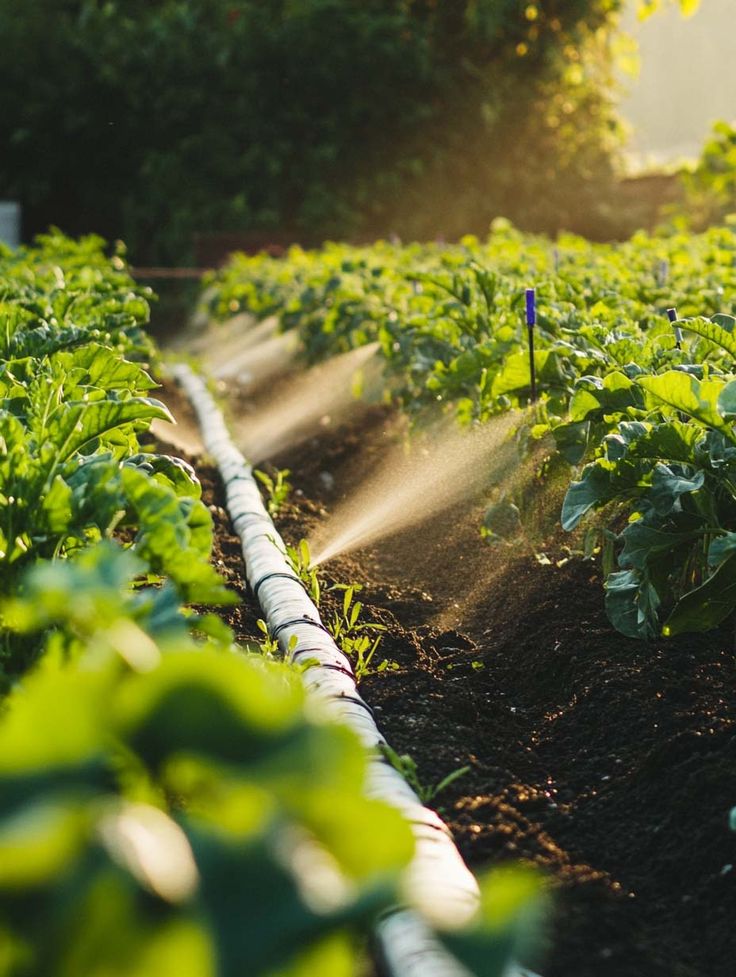
Using watering cans, drip irrigation systems, or soaker hoses can help deliver water directly to the roots while reducing water waste.
Mulching around plants is also helpful because it retains soil moisture and prevents weeds from growing.
The Importance of Fertilizers and Nutrients
Just like humans need balanced nutrition, plants require a combination of nutrients to grow properly. These nutrients are typically divided into three primary categories: nitrogen, phosphorus, and potassium.
Nitrogen supports leaf growth, phosphorus helps root development, and potassium strengthens plant resistance against diseases.
Organic fertilizers such as compost, bone meal, and seaweed extract are becoming increasingly popular in modern gardening. They release nutrients slowly and improve soil health over time.
Using natural fertilizers also reduces the risk of chemical buildup in the soil, making your garden more environmentally friendly.
Managing Pests and Plant Diseases Naturally
Pests and plant diseases are common challenges in gardening, but they can often be managed using natural solutions instead of harsh chemicals.
Many gardeners use companion planting to reduce pest problems. For example, marigolds are known to repel certain insects when planted near vegetables.
Encouraging beneficial insects such as ladybugs and bees can also help maintain a healthy garden ecosystem. These insects control harmful pests and assist with pollination.
If pests appear, natural solutions such as neem oil sprays or soap-based insecticides can effectively manage infestations without harming plants or the environment.
Pruning and Plant Maintenance
Regular maintenance keeps your garden looking neat and encourages healthy plant growth. Pruning is the process of trimming dead or overgrown branches to allow plants to grow stronger and produce more flowers or fruits.
Removing damaged leaves and branches prevents diseases from spreading to other parts of the plant. It also improves air circulation, which helps reduce fungal infections.
Weeding is another important maintenance task. Weeds compete with garden plants for water, sunlight, and nutrients. Removing them regularly ensures your plants receive the resources they need.
Seasonal Gardening Tips for 2026
Gardening activities often change depending on the season. Understanding seasonal gardening patterns helps you plan your planting schedule effectively.
Spring is typically the best time to start planting vegetables and flowering plants because the weather is mild and favorable for growth.
Summer requires extra attention to watering and mulching because higher temperatures can cause soil to dry out quickly.
Autumn is ideal for planting certain vegetables and preparing the garden for cooler weather. It is also a great time to add compost and organic matter to enrich the soil.
Winter gardening focuses on protecting plants from frost and planning the next growing season.
Modern Gardening Trends in 2026
Gardening in 2026 is influenced by several modern trends that focus on sustainability and efficiency. Urban gardening, vertical gardens, and hydroponic systems are becoming increasingly popular in cities where space is limited.
Vertical gardens allow plants to grow upward using wall-mounted structures, making them ideal for small homes and apartments.
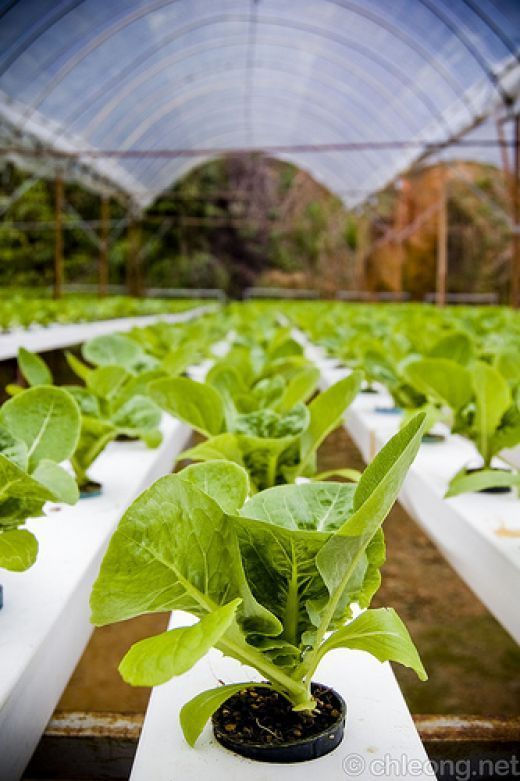
Hydroponic gardening is another innovative technique where plants grow in nutrient-rich water instead of soil. This method can produce faster growth and higher yields.
Many gardeners are also adopting eco-friendly practices such as rainwater harvesting, composting kitchen waste, and avoiding chemical pesticides.
These sustainable gardening methods not only benefit the environment but also create healthier plants and produce.
Creating a Beautiful Garden Design
A beautiful garden is not just about healthy plants—it is also about thoughtful design. Combining different plant types, colors, and textures creates a visually appealing landscape.
You can create focal points in your garden by placing colorful flowers or decorative plants in strategic locations. Pathways, garden lights, and small water features can further enhance the overall appearance.
Using raised beds or decorative containers can also add structure and organization to your garden layout.
Even small gardens can look stunning when plants are arranged carefully and maintained regularly.
Final Thoughts
Gardening in 2026 offers endless opportunities to create a healthy and beautiful outdoor space while connecting with nature. Whether you are growing vegetables for your kitchen, flowers for decoration, or herbs for daily use, gardening provides both practical and emotional rewards.
By choosing the right plants, preparing healthy soil, watering properly, and maintaining your garden regularly, you can create a thriving green space that enhances your home and lifestyle.
With patience, care, and a little creativity, anyone can transform a simple patch of soil or a few containers into a flourishing garden filled with life and color.
What are the best plants for beginners?
Some beginner-friendly plants include tomatoes, basil, mint, spinach, and marigolds because they are easy to grow and require minimal maintenance.
How often should I water my plants?
Most plants should be watered deeply two or three times a week, depending on the weather conditions, plant type, and soil moisture levels.
What type of soil is best for healthy plant growth?
Loamy soil rich in organic matter is considered ideal because it provides proper drainage while retaining enough nutrients for plant development.
How can I make my garden more eco-friendly?
You can create a more eco-friendly space by composting organic waste, using natural fertilizers, conserving water, and avoiding chemical pesticides.
Can plants grow successfully in a small apartment?
Yes, many plants grow well in balconies, windowsills, containers, and vertical setups, making it possible to grow greenery even in small urban homes.


