

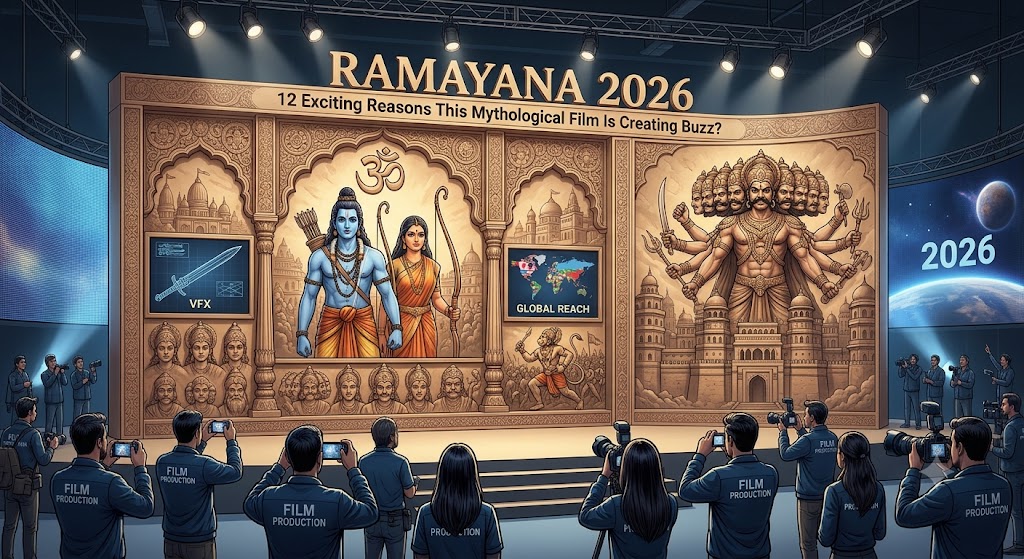
Indian cinema is preparing for one of its most ambitious mythological film projects with Ramayana: 2026 Part One. Based on the timeless Indian epic, the upcoming movie brings together a popular cast, large-scale visual storytelling, and a creative team aiming to introduce this legendary story to audiences around the world.
The film has attracted attention because of its subject, casting, cinematic scale, and the emotional connection that millions of people have with the story of Lord Rama, Goddess Sita, Lakshmana, and Ravana. The combination of Indian mythology and modern filmmaking has also created curiosity among movie lovers.
Directed by Nitesh Tiwari and produced by Namit Malhotra, Ramayana 2026 is planned as a two-part cinematic series. According to the latest announcement from the makers, the first instalment is scheduled for worldwide theatrical release on November 5, 2026, while the second part is planned for 2027. “Official release announcement”
1. A Timeless Story Returns to the Big Screen
The Ramayana is one of India’s most respected and widely known epics. Its story explores important values such as truth, duty, courage, loyalty, sacrifice, and the responsibility that comes with power. At its heart, the epic follows Lord Rama’s journey after he is sent into exile. His wife, Sita, and brother, Lakshmana, accompany him during this difficult period. The story takes a dramatic turn when Ravana abducts Sita, leading to a major conflict involving Rama, his allies, and the kingdom of Lanka.
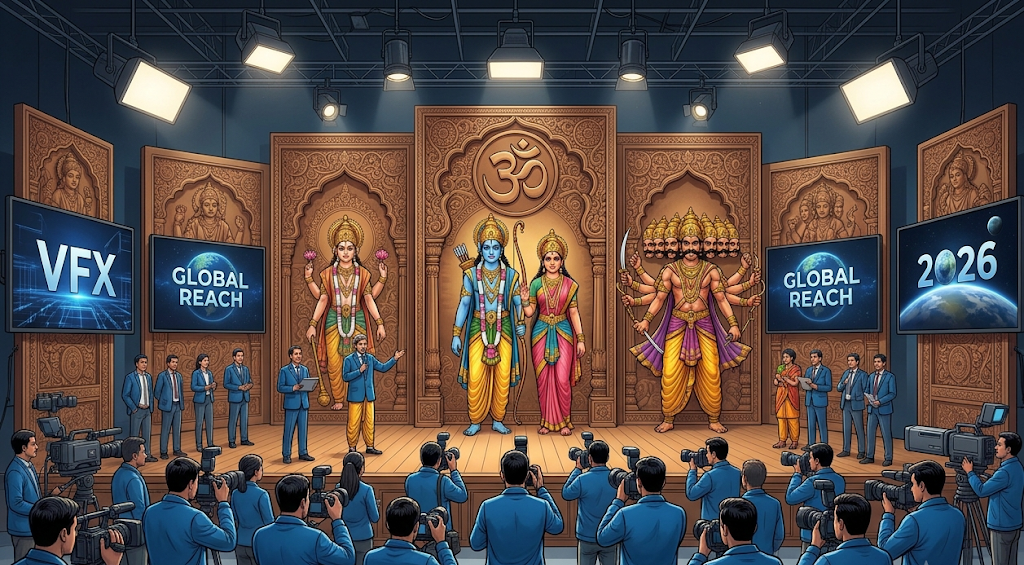
Although the Ramayana 2026 has been presented through television shows, books, stage performances, and earlier films, every new adaptation offers an opportunity to reach another generation. The Ramayana 2026 film aims to present this familiar story through contemporary cinematic techniques while retaining its emotional and cultural significance. For longtime followers of the epic, the film offers a chance to revisit a meaningful story. For younger viewers and international audiences, it may provide a new introduction to Indian mythology.
2. A Star-Studded Cast Is Attracting Attention
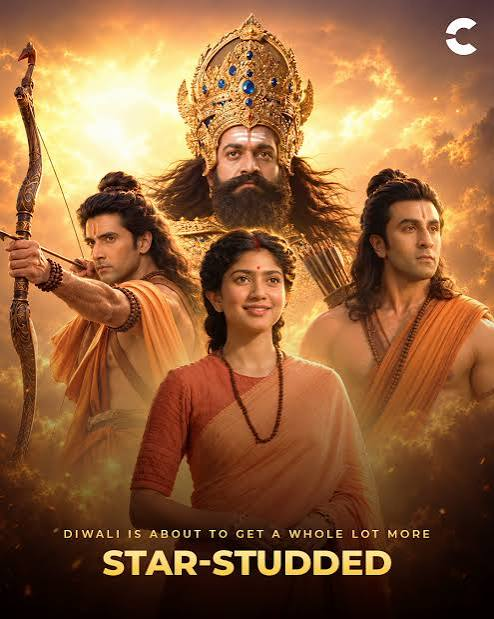
One of the major reasons behind the excitement surrounding Ramayana is its ensemble cast. The film brings together actors from different parts of the Indian film industry.
Here are some of the principal actors and their reported roles:
- Ranbir Kapoor as Lord Rama: Kapoor takes on the central role of Rama, a character associated with righteousness, discipline, compassion, and duty.
- Sai Pallavi as Goddess Sita: Pallavi portrays Sita, whose journey represents courage, resilience, dignity, and devotion.
- Yash as Ravana: The Kannada film star plays Ravana, the powerful king of Lanka and one of the epic’s most complex characters.
- Sunny Deol as Hanuman: Deol portrays Hanuman, the devoted ally of Rama known for his strength, courage, and loyalty.
- Ravie Dubey as Lakshmana: Dubey plays Rama’s younger brother, who accompanies him into exile and stands beside him through difficult circumstances.
The casting has encouraged discussions among fans about how these performers will interpret such well-known characters. Each role carries its own expectations because the characters are already familiar to audiences through religious traditions and previous adaptations. The performances will therefore be important in determining how effectively the film connects with viewers.
3. Ranbir Kapoor’s Transformation Into Lord Rama
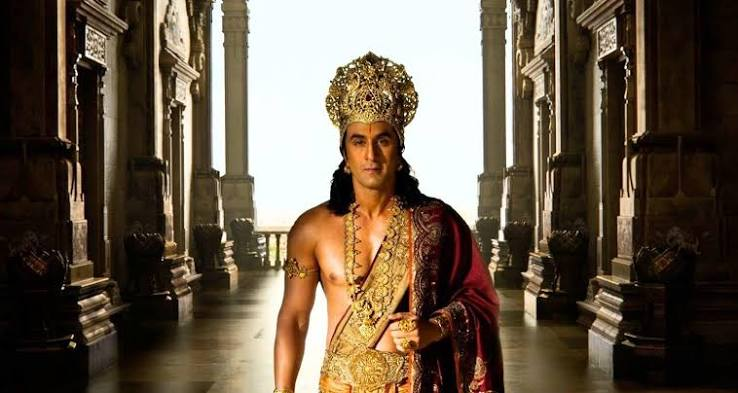
Ranbir Kapoor’s portrayal of Lord Rama is among the most discussed aspects of the project. Kapoor is known for playing a variety of characters in romantic dramas, comedies, and action-oriented films. His role in Ramayana represents a different kind of challenge. Rama is not simply a heroic character who wins battles. He is also associated with self-control, moral responsibility, patience, and difficult personal decisions. Portraying these qualities requires more than physical preparation or a convincing costume.
Audiences may look for expressions, dialogue delivery, body language, and emotional restraint that suit the character’s traditional image. The actor’s interpretation will also be compared with earlier portrayals of Rama in Indian cinema and television. This creates high expectations, but it also gives Kapoor an opportunity to present his own performance while respecting the character’s cultural importance.
Ultimately, the success of the portrayal will depend on the complete performance and storytelling rather than appearance alone.
4. Yash’s Ravana Adds Another Layer to the Story
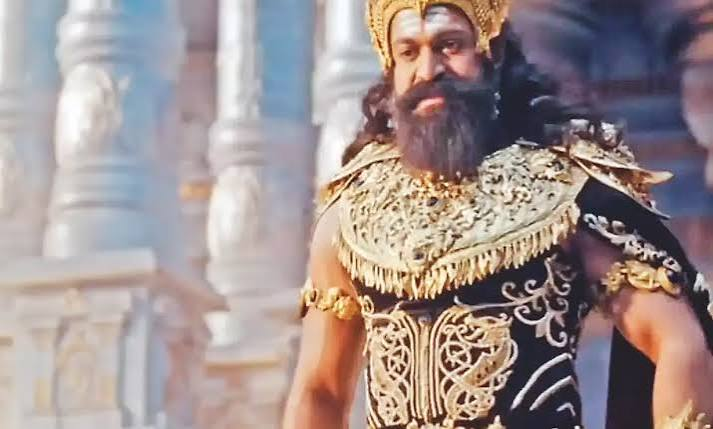
Ravana is one of the most recognisable figures in the Ramayana. He is traditionally depicted as a powerful ruler with great knowledge, ambition, and extraordinary abilities, but his actions also bring serious consequences. Yash’s casting as Ravana has generated curiosity because the actor is widely associated with powerful screen characters. His performance could bring considerable intensity to the central conflict between Rama and Ravana. A compelling portrayal of Ravana requires careful characterisation. The film must show the character’s authority and strength while explaining the choices that lead to the conflict in Ramayana 2026.
Rather than presenting the story as a simple battle between two powerful figures, the adaptation has an opportunity to explore the relationship between ambition, pride, responsibility, and moral choices. The contrast between Rama and Ravana is one of the epic’s most enduring themes. How the film develops this contrast will be an important part of its storytelling in Ramayana 2026.
5. Sai Pallavi’s Portrayal of Sita
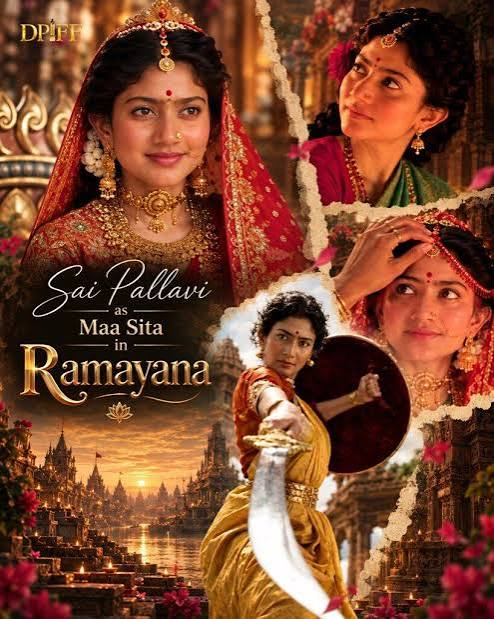
Sita is central to the emotional journey of the Ramayana 2026. Her character is associated with courage, dignity, resilience, and strength in the face of adversity. Sai Pallavi’s casting has drawn attention from viewers interested in seeing how the film presents Sita’s personality and experiences. The role calls for emotional depth and a thoughtful approach because Sita is more than a character around whom the central conflict develops.
Her experiences, decisions, and responses are essential to the larger narrative. A sensitive portrayal can help audiences understand the emotional cost of the events that unfold throughout the story. The filmmakers also face the responsibility of approaching the character respectfully, considering her importance in religious and cultural traditions. Viewers will be interested in whether the film gives Sita’s perspective sufficient depth and presents her as a strong, meaningful part of the narrative in Ramayana 2026.
6. Large-Scale Visual Effects and Cinematic Technology
Modern visual effects have changed the way filmmakers create fantasy, historical dramas, and mythological stories. Large environments, detailed sets, elaborate costumes, and digitally created elements can help audiences experience a fictional world more vividly. Ramayana is being developed as a large-scale cinematic production, with visual effects playing an important role in bringing its world to life. Prime Focus Studios has highlighted its collaboration with DNEG, a visual-effects company known for work on major international productions.
The film has the opportunity to present locations such as Ayodhya and Lanka, forest landscapes, and large-scale battles through detailed visual design. However, impressive visuals alone cannot guarantee a successful film. The effects need to support the characters and the story rather than distract from them. For a mythological adaptation, visual design also needs to balance imagination with the expectations viewers bring to a culturally significant epic. If the production successfully combines visual spectacle with emotional storytelling, it could offer a memorable theatrical experience.
7. Hans Zimmer and A. R. Rahman Bring Together Musical Traditions
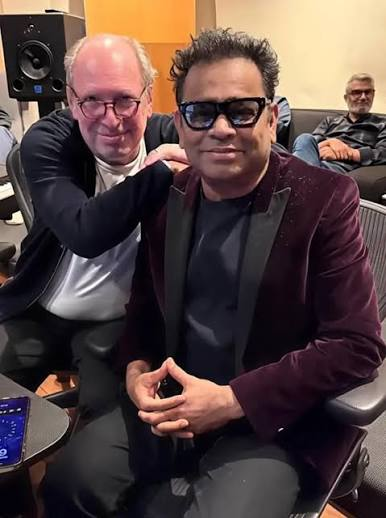
Music can play a powerful role in mythological cinema. It can establish the atmosphere of a scene, communicate emotion, build tension, and make important moments more memorable. The film’s music is another major talking point because it brings together two internationally recognised composers: Hans Zimmer and A. R. Rahman. Zimmer is known for large-scale orchestral scores in international cinema, while Rahman has created music across Indian and international film industries. Their collaboration creates interest in how different musical approaches might be combined for the story of Ramayana 2026.
The soundtrack has the potential to support the film’s emotional and dramatic moments, from quieter scenes involving family and exile to large-scale confrontations. At the same time, a mythological film requires a score that fits the tone of its subject. Music should enhance the atmosphere without overwhelming the story or its characters. Audiences will be interested in how the soundtrack combines orchestral elements, Indian musical influences, and themes suited to the world of the Ramayana.
8. Why the Film Is Targeting a Global Audience
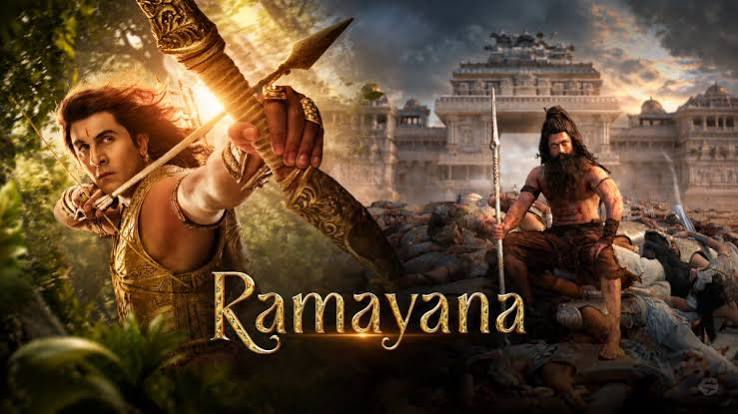
Indian cinema has increasingly reached viewers outside India through theatrical releases, streaming platforms, and international film events. Mythological stories can also provide a way to introduce audiences to India’s cultural traditions. The makers of Ramayana have positioned the project for an international audience, with plans for releases in multiple Indian languages and international markets. The epic contains themes that audiences across cultures can understand, including family relationships, loyalty, justice, sacrifice, conflict, and the consequences of personal decisions.
However, international viewers may not be familiar with every character, tradition, or cultural reference. Clear storytelling can help make the film accessible without removing the elements that give the Ramayana its distinctive identity. The film’s international ambitions could also encourage more discussion about Indian mythology, storytelling traditions, and the technical capabilities of India’s film industry. Its global reception will ultimately depend on the quality of the filmmaking, audience engagement, distribution, and how effectively the story communicates across cultural boundaries in Ramayana 2026.
9. The Importance of Respectful Mythological Storytelling
Adapting a revered epic presents opportunities as well as responsibilities. Unlike an entirely fictional story, the Ramayana has religious, cultural, literary, and personal significance for many people. Viewers may have different expectations about the characters, their motivations, and the events of the epic. Different regional traditions and retellings can also emphasise different aspects of the story.
For filmmakers, the challenge is to create a compelling cinematic experience while treating the source material with care. This includes thoughtful characterisation, suitable dialogue, careful costume and production design, and an understanding of the values associated with the main characters. Audiences may also discuss creative decisions, particularly when a film makes changes to a familiar story. Such discussions are common with adaptations of celebrated literary and mythological works.
A successful adaptation can encourage viewers to revisit the original epic, explore different retellings, and discuss its themes with a new generation.
10. Why Fans Are Eager to Watch Ramayana 2026 in Theatres
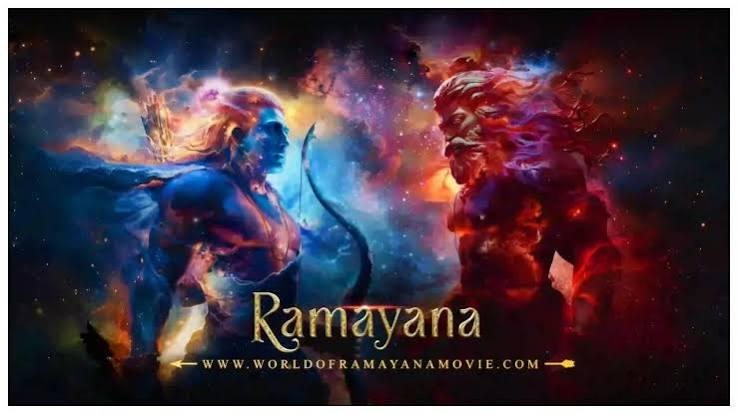
Several factors contribute to the interest surrounding Ramayana: Part One.
First, the story has a long-standing place in Indian culture. Many viewers already understand its central characters and events, which creates a strong emotional connection before they even enter a cinema.
Second, the film brings together popular actors from different industries. This gives fans of Ranbir Kapoor, Sai Pallavi, Yash, Sunny Deol, and Ravie Dubey a reason to follow the project.
Third, the production’s visual effects, music, and large-scale presentation create expectations for a cinematic experience designed for the big screen.
Finally, the planned two-part structure gives the filmmakers room to explore the epic across a broader narrative. It also means viewers will be interested in how the first instalment develops the story and sets up the next chapter. Nevertheless, the film’s lasting impact will depend on its execution. Strong performances, coherent storytelling, emotional depth, and respectful treatment of the source material will matter as much as the production scale in Ramayana 2026.
11. What Makes Ramayana 2026 Different From Earlier Adaptations?
Earlier adaptations of the Ramayana have introduced the epic to audiences through different formats, including television serials, animated films, stage performances, and live-action cinema. The 2026 production aims to distinguish itself through its large-scale filmmaking approach, international creative collaboration, and modern visual-effects techniques.
Its planned theatrical presentation is designed to give viewers a detailed cinematic experience of the story’s settings and major events. Another difference is its two-part format, which gives the filmmakers an opportunity to spread the narrative across separate instalments instead of compressing every major event into a single film.
However, technology and scale are only part of what makes an adaptation successful. Earlier versions remain meaningful to many viewers because of their performances, music, storytelling, and personal memories associated with watching them. The new film will need to establish its own identity while respecting the emotional and cultural connections audiences already have with the epic.
12. Can Ramayana 2026 Become a Major Moment for Indian Cinema?
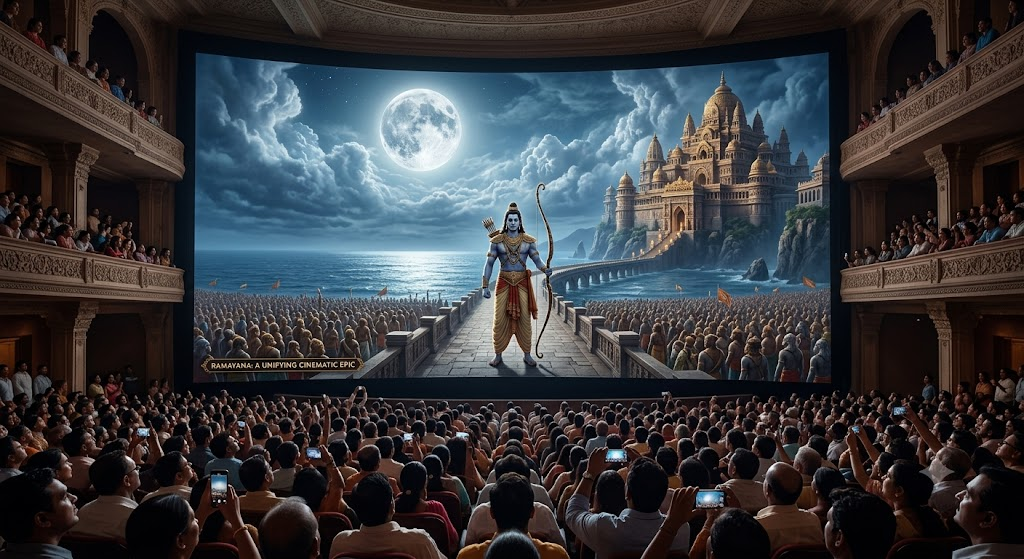
The film’s scale and subject have created expectations beyond an ordinary theatrical release. It brings together a well-known Indian epic, an ensemble cast, modern production technology, and a team with experience in Indian and international cinema. If these elements come together successfully, the project could contribute to wider interest in mythological films and encourage more ambitious adaptations of Indian stories. It may also demonstrate how traditional narratives can be presented to younger audiences through contemporary filmmaking while retaining their central themes.
However, a film’s cultural influence and commercial performance cannot be guaranteed before audiences have experienced it. Reviews, audience reactions, word of mouth, and the quality of the final production will help determine its reception. For now, Ramayana: Part One stands out as a major upcoming release because it combines a familiar story with an ambitious cinematic vision.
Conclusion
Ramayana 2026: Part One is attracting attention for several reasons: its celebrated cast, the timeless story of Rama and Ravana, its visual-effects ambitions, its musical collaboration, and its plans to reach audiences worldwide. The film has the opportunity to introduce the Ramayana to new viewers while allowing longtime followers to revisit a story that continues to hold cultural and emotional importance.
Its success will depend on how effectively it combines cinematic spectacle with meaningful storytelling and respectful character portrayals. With its worldwide theatrical release scheduled for November 5, 2026, the film is one of the major Indian entertainment releases to watch. Movie lovers will be looking forward to seeing how this new adaptation brings an enduring epic to the big screen.
FAQs
1. When will Ramayana 2026 be released?
Ramayana: Part One is scheduled for worldwide theatrical release on November 5, 2026.
2. Who plays Lord Rama in Ramayana 2026?
Ranbir Kapoor plays Lord Rama in the upcoming mythological film.
3. Who plays Sita and Ravana in the film?
Sai Pallavi plays Sita, while Yash portrays Ravana.
4. Who is directing Ramayana 2026?
Nitesh Tiwari is directing the film, which is produced by Namit Malhotra.
5. Who is composing the music for Ramayana?
Hans Zimmer and A. R. Rahman are collaborating on the film’s music.
6. Will Ramayana be released in multiple languages?
The film is planned for release in Hindi, Tamil, Telugu, Kannada, and Malayalam.
7. Is Ramayana 2026 a single film or a two-part series?
It is planned as a two-part cinematic series, with the second instalment expected in 2027.
8. Why is Ramayana 2026 creating so much excitement?
The film combines a culturally significant epic, a well-known cast, large-scale visual effects, and an international creative team.
9. What makes Ramayana 2026 different from previous Ramayana adaptations?
Ramayana 2026 aims to offer a modern cinematic experience with advanced visual effects, a talented cast, large-scale production, and an international creative team while preserving the epic’s timeless themes and cultural significance.
10. Is Ramayana 2026 suitable for younger audiences?
The film may appeal to younger audiences because of its legendary characters, inspiring themes, and cinematic storytelling. Parents should check the official age rating and content guidance before taking children to watch it.


