

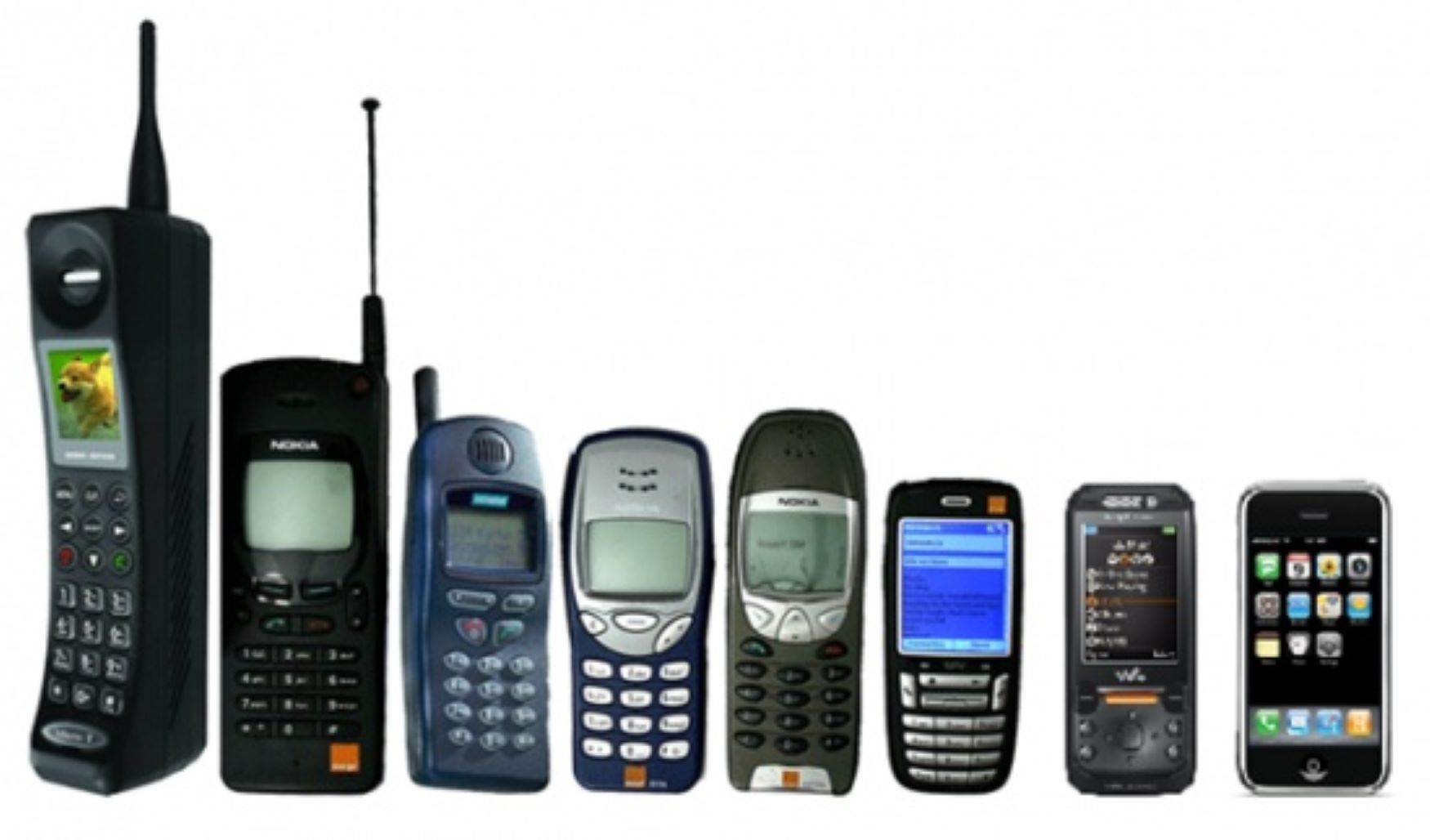
This article outlines the evolution of mobile phone from 1G analog devices to 5G-enabled AI systems, highlighting key advancements like 2G texting, 3G data, and the 4G app economy. The article emphasizes the shift from early mobile phone as luxury tools to modern AI-powered communication hubs.
Table of Contents
Introduction
Mobile phone technology has become one of the most important parts of modern life. Unlike the single-purpose devices that were used only for calling, mobile phones are now used for social media, digital work, communication, etc. After the pandemic, the mobile industry has taken another level of shift. Now, people are using mobile phones for messaging, payments, proof, shopping, photography, videography, professional use, etc. Since the 19th century, this 21st-century technology has made everything different.
Mobile phones were not like this before, but technological innovation has changed them completely. Earlier, mobile phones were used only for calling, but as time has changed, they have started being used for communication, payments, etc., which people had not expected at that time. From the introduction of analog technology to artificial intelligence, technology has come full circle. This change has had a remarkable influence on the youth and adults of today, as they have shifted their professional work towards it.
Here, this article is about the generational change in mobile phone technology, how phones have changed over time, and their transformation from analog technology to 5G. Artificial intelligence is the peak.
Beginning of the Mobile Phone
The history of mobile phones began with wireless mobile technology, which used analog technology to communicate with others. This technology was 1G, which was used to communicate wirelessly. 1G phones were easy to use, but they were expensive, big, and heavy, unlike today’s smartphones. They were not available to everyone; only rich people could afford to buy them. That’s why they were considered a symbol of luxury.
Earlier, there was wired communication through landlines, which were bulky and required people to use them in one place. But as technology evolved, people shifted to wireless phones. They were not available to all people; only the elite class used to use those phones for communication and connection. Still, it was a revolutionary change as people shifted from wired technology to wireless technology.
Rise of 2G
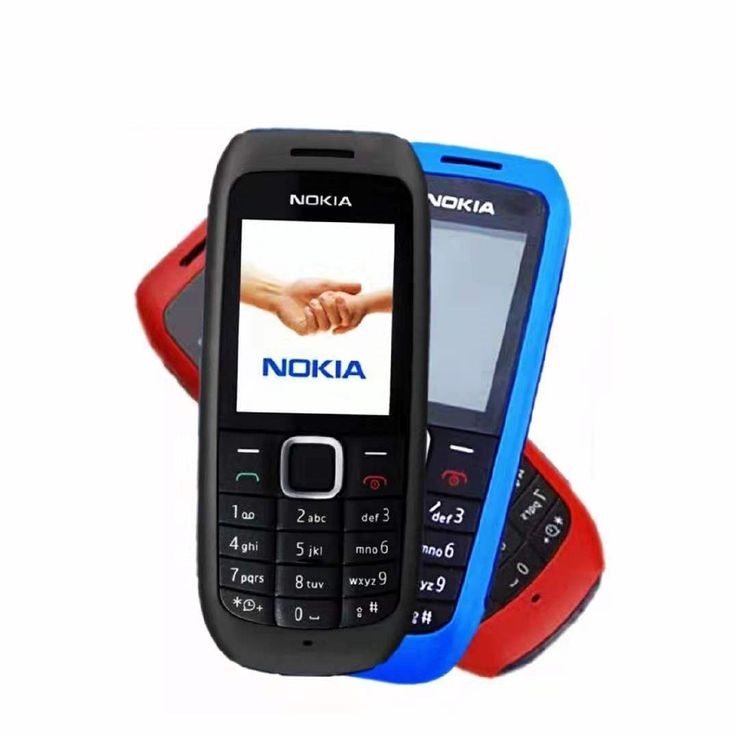
The introduction of the second generation of mobile phones brought many changes to the technological industry. 1G used analog signals, whereas the second generation used digital communication to communicate with each other. This technology helped people send messages to each other with improved call quality, connectivity, and less bulky devices. The introduction of 2G mobile phones was a revolution in the mobile industry, as it brought a complete change in these parameters.
2G technology changed the way people used to communicate. Through short messages, people could communicate easily, which was not possible with 1G technology. Text messaging was convenient, affordable, and required less time than making a phone call. In the 2G era, mobile phones became more effective, cheaper, more affordable, lighter, and smaller than first-generation phones.
Many premium versions of second-generation mobile phones used to include contact lists, alarms, clocks, calculators, calendars, radios, music players, and basic games. This made them smart. These devices were primarily used for calls and messaging, and then they started being used for many purposes. The availability of cell phones to everyone was increasing as people started affording them, and they gained popularity as well. So, everyone started buying them to make their lives easier.
Feature Mobile Phones to Smartphones
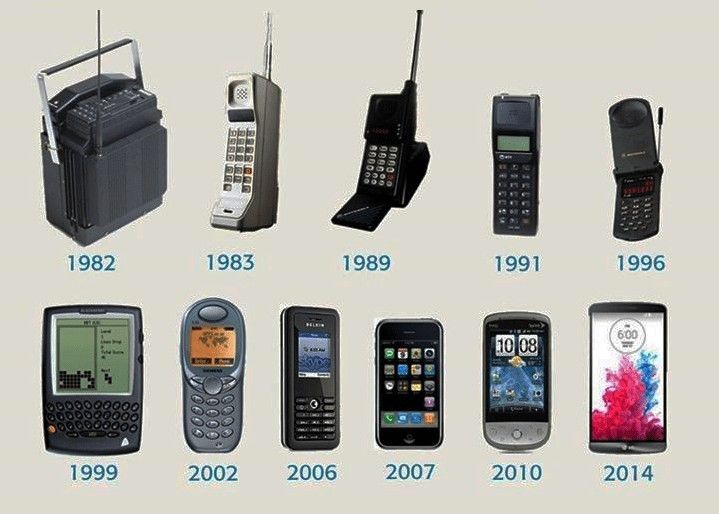
That was a transition in the mobile industry that people had not even expected to happen. Keypad phones, which were used to communicate and make calls, changed into touchscreen phones that used touch sensors to operate the phone. Smartphones had numerous benefits over 2G mobile phones, but at that time, people still used to purchase keypad phones due to benefits like strong battery backup and affordable prices. Also, phones were not that much attached to people’s lives at that time.
Smartphones included internet connectivity, cameras, digital touchscreens, smart apps, entertainment apps, etc., which were not available in second-generation keypad phones. Every user must have used a keypad phone at least once in their life. People used to use Nokia phones at that time, just as people use iPhones today. Smartphones included cameras, internet access, web research, navigation, music, etc.
Third Generation: 3G
The third generation improved connectivity. What started as mere calling had now shifted to digital calls, video calls, browsing, cameras, etc. This means that the third generation allowed mobile phone users to connect to different networks, access different networks, access websites, browse content, download content, and access services directly through their computers or mobile phones.
This generation of mobile phones was not as fast as today’s technology, but it was still a new revolution. Keypad phones, which were used to make calls, could now do everything possible. They were no longer limited to calls.
Manufacturers started introducing new mobile phones with better cameras, better connectivity, services, speed, and music to establish their place in the market. People started buying these versions of smartphones as they were not much costlier, and their need started increasing in the market. However, there were still a few people who preferred old phones due to their pricing and the fact that people did not know how to handle phones of these types.
Fourth Generation: 4G
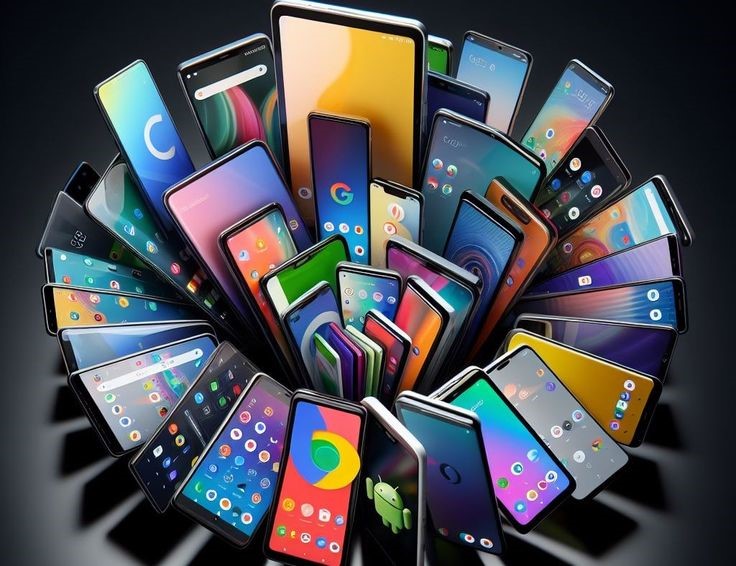
The fourth generation of smartphones and connectivity, also called 4G, was the most popular among the others. As 4G was launched, the sales of smartphones also started rising. It provided faster connectivity, higher internet speeds, and improved connectivity, making it easier to connect digitally. The fourth generation of mobile phones was much smarter and more connected. 4G technology helped users connect faster, upload videos faster, and access websites easily. This means that it brought a revolution from feature phones to smartphone.
The history of mobile technology saw its biggest revolution with 4G phones, as Jio provided various benefits in internet plans during that time, making it easier for the youth to buy internet packages. People shifted towards the digital era. During COVID, people also used the best connectivity, which enabled them to buy things online, order food at home, access home delivery services, and shift the work of government officials online.
The fourth generation is still popular, as some people have shifted to the fifth generation while others are still using the fourth generation because it has cheap internet packages and they are comfortable working with that connectivity. However, as new smartphones are being launched, they are increasingly supporting fifth-generation technology.
The fourth generation was a complete revolution in mobile phones, as the transition from feature phones to smartphones greatly affected people. People shifted mainly to digital devices like smartphones during the fourth-generation era.
The history of mobile technology has seen a major change during this period. What started with only calls has shifted to online digital payments, meetings, video calls, apps, social media, virtual messaging, digital images, online food orders, etc. This means that people are now doing things through fourth-generation mobile phones that were unimaginable for that generation.
Fifth Generation: 5G
Then, the fifth generation brought a complete revolution, as fifth-generation mobile phones provided better connectivity and speed. It is the present technology. What started with analog technology in the history of mobile technology has now become history, as people are adapting to the 5G era. It is the fastest technology. It has not seen a major change like the fourth generation, which made people adopt smartphones, but users are now using it as it provides better speed to users and professionals.
It improves connectivity and the speed of video streaming, gaming, etc., but its major change is happening beyond mobile phones, including smart homes, healthcare, connected vehicles, etc.
Conventional Phone vs. Smartphone
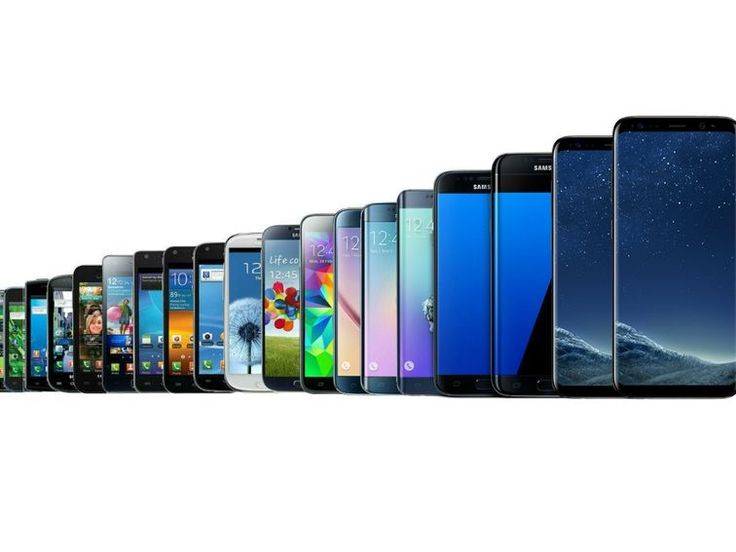
So, the technology of mobile phones has taken a shift from feature phones to smartphones. Mobile technology has changed its shape and speed. What started with analog technology has shifted to digital communication and social media. Conventional phones used simple operating systems, but new smartphones use advanced technology.
Conventional mobile phones provided only basic functions like calling, messaging, alarms, and some entertainment, but modern smartphones are much smarter. They provide classic entertainment, social media, online communication, and accessibility to connect anywhere in the world.
Conclusion
The history of mobile technology has seen major changes from the first generation to the fifth generation. What started as analog signals has shifted to fast digital signals. First-generation keypad phones used to offer calling facilities with bulky designs. They were hard to handle and expensive to afford. Mobile phones at that time were considered luxury products, and their availability was limited to the elite class. However, things have changed for the better.
From feature phones to smartphones, the industry has taken a complete shift. People are now widely using digital media to do their tasks. Mobile phones, which were limited to calling in the first generation, have shifted to communication, digital social media, and widespread connectivity. The generation that made people shift from feature phones to smartphones was the fourth generation. This article has discussed different perspectives on conventional phones vs. modern smartphones.
FAQs
What did first-generation mobile phones offer?
History of mobile phones began with wireless mobile technology, which used analog technology to communicate with others. This technology was 1G, which was used to communicate wirelessly.
What did second-generation mobile phones offer?
This technology helped people send messages to each other with improved call quality, connectivity, and less bulky devices. The introduction of 2G mobile phones was a revolution in the mobile industry, as it brought a complete change in these parameters.
What did fourth-generation mobile phones offer?
4G technology helped users connect faster, upload videos faster, and access websites easily. This means that it brought a revolution from feature phones to smartphone.
What is the difference between conventional phones and smartphones?
Conventional phones used simple operating systems, but new smartphones use advanced technology.
Conventional mobile phones provided only basic functions like calling, messaging, alarms, and some entertainment, but modern smartphones are much smarter.


[…] Even wonder why your UPI PIN is required before every transaction? The UPI PIN you enter is really important, and if you share this UPI PIN, your account can face a lot of harm. So, be careful before posting anything on social media related to your PIN over smartphone. […]