

Standardisation of E20 petrol across the country has raised a debate in the country, where the motorists are concerned that this fuel is reducing the mileage of vehicles with an increase in wear and tear of components of vehicles, and the government is stating that this is a cleaner fuel. Here in this article we will understand the concerns of motorists and the latest updates.
Table of Contents
Introduction
The rollout of E20 petrol across India has triggered a debate over the fuel efficiency, vehicle compatibility, and government’s road map on high ethanol blends. This transition of India to E20 petrol from E10 has started a debate over the country, from the comments on X to the debates in the centre, where the govt is saying that this petrol will reduce imports. Many motorists are commenting that it will reduce their fuel efficiency and increase wear and tear on their vehicles. E10 fuel will be replaced in India by E20 petrol in 2025, creating stress on the motorists related to the fact that many vehicles are not E20 compliant.
In India, 20% blended petrol, often called E20, started selling in around 90,000 petrol pumps till last year. They are concerned that their vehicles are not much compliant with E20 fuel, and the govt is not also providing an alternate option of unblended petrol. The govt is providing this petrol by stating the facts that it is cleaner and it will reduce the crude oil imports and carbon emissions, but the public is debating that their vehicles are not made for this fuel and that it will damage the vehicle performance by reducing its efficiency and duration of vehicle life.
What is E20 petrol?
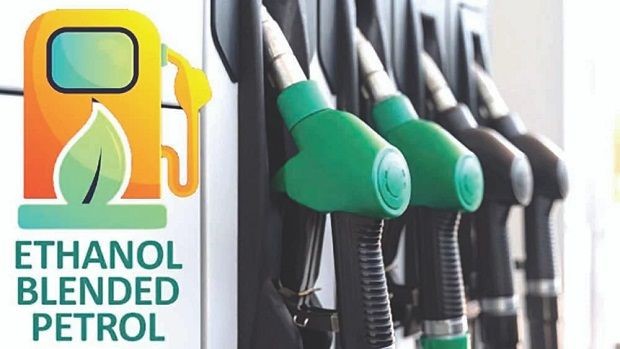
E20 petrol is a blended petrol that contains ethanol in its mixture. Actually, it is the mixture of ethanol and petrol in the ratio of 20:80. If you are not aware of ethanol, then basically ethanol is a renewable biofuel that is made from sugarcane, maize, and another agricultural feedstock. India has increased its production from the last few years so that the imports of crude oil can be reduced and the pollution can be reduced, as it is a cleaner energy. Many countries are using only the E10 strategy, and India also used to do so, but then they started using E20 petrol.
Brazil has also been using the strategy of blending ethanol in petrol. Meanwhile, the US is still at the E10 blend, and it has also introduced an option of more ethanol-blended petrol if someone wants to purchase that. But here in India, there is no option of unblended petrol. All the people are forced to buy E20 petrol, which they consider wrong for them, as not every vehicle can work efficiently on this blended petrol. This blended mixture of petrol and ethanol is a cleaner and cheaper approach for the government but a high cost for motorists, as it will exaggerate the maintenance cost of the vehicle.
What is the reason for introducing E20 petrol?
The citizens find that it is unreasonable to add this much quantity of ethanol to their petrol, but the govt is stating many reasons to justify this act. India is a highly populated region, and it requires a high amount of crude oil imports. That makes the fuel price vulnerable to the global level. By making an 80:20 mixture of petrol and ethanol, the oil imports will be reduced. It is also a cleaner source of energy, and the farmers are also benefited by this because the feedstock material for ethanol will be provided by the farmers. Farmers also can get a good amount for their production, and the agriculture opportunities will rise.
They also stated that ethanol is a cleaner source because it will reduce the greenhouse gas emissions that used to be high in conventional crude oil. Ethanol burns cleaner than any other conventional fuel, which leads to lower carbon emissions and leads to the protection of nature. The finance of the country could also be secured because crude oil leads to high imports, and this will send the finance to another country. These all are the benefits that ethanol and the mixture have, but citizens find that this will cost their pockets a high amount.
Debates Over E20 Petrol
This act has created a debate in the country, where motorists are stating that this blended petrol is reducing the efficiency of their vehicles, as their vehicles are not E20-blended-petrol compatible. They are saying that there is also not an option to purchase unblended petrol because the govt has made it the standard fuel across India. Many countries offer options for the citizens, but making E20 petrol a standard fuel across India is really concerning.
People have started debating over X on this topic. Kejriwal, former Chief Minister of Delhi, has asked on X different automobile manufacturing companies that they should clarify that their older vehicles are E20 petrol compliant or not. They are asking them to clarify whether the older vehicles are capable of handling blended petrol or not, or it will reduce the mileage and boost the maintenance cost of the vehicles.
It’s not about surety, but some statements are coming that the fuel tank and user manual of an Audi model that was purchased in 2024 in India showed that it requires only E5 or E10 petrol. This statement has been going viral over social media.
There are some buzzes also that some models of Mahindra 2024 and Scorpio SUV have posted a sticker over their fuel tank related to the fact that it is for E10 petrol only, and people are curious over the reality and truth of these facts.
Mahindra has also shared news that its E20-compliant vehicles can use the 20:80 ethanol and petrol blend mixture, but they did not address or clarify the facts about what the effects of this petrol are on the older available vehicles.
These statements are either said on X and on some other platforms during debates and meetings or over social media. These facts can be reframed or refined on social media, but that does not clarify the fact that the clarity over the efficiency of the older versions or models of vehicles on the blended mixture has not been given. That is raising a debate among people over sites like X and other platforms to affect awareness.
E20 Petrol Benefits
Despite this controversy, the reason the govt is still focusing on the ethanol production and blend of ethanol in petrol is due to its many benefits. These reasons are:
Crude oil reduction. Yes, this has started because India needs to import crude oil in large quantities to meet the needs of petrol. If ethanol is mixed in petrol, then the dependency on crude oil is reduced to some level. That will save energy, reduce the dependency on other countries, and lead to a reduction of the import bill over time.
Farmers will benefit. Yes, the farmers will benefit because the raw materials for ethanol are based on agricultural production. An increase in ethanol will lead to an increase in the demand for sugarcane, maize, etc., which will generate more income for the rural people. This can also happen: the govt gives subsidies to them for cultivating sugarcane and maize for ethanol raw material.
Environmental sustainability. Ethanol is a cleaner and renewable source of energy. If it is mixed with petrol, it will lead to a reduction in carbon emissions at some levels. This reduction in carbon levels will lead to a cleaner ecosystem and further reduce the destruction that can happen due to carbon emissions.
Higher octane rating. The octane rating of the blended petrol is higher than the conventional one, and if the future engines are manufactured by taking care of it, then these engines can take advantage of improved combustion efficiency.
All these are E20 petrol benefits that support the govt in standing by their idea of mixing ethanol in petrol.
Why Are Motorists Worried?
Motorists complain that the older available models are not compatible with blended petrol and that it is leading to an increase in the wear and tear of the rubber seals, fuel lines, injectors, and certain engine components after long use, leading to high costs for their pockets. But the vehicle companies do not clear the facts, and there are not many available pieces of evidence that show widespread damage.
Motorists often complain that the mileage of the blended petrol is less than conventional petrol, so this results in much use of petrol over the same distance. They also complain that this petrol is available at the same price; hence, there is also no reduction in prices, leading to a high cost of petrol for them. They want another option of unblended petrol so that they can choose between them like other countries.
E20 Petrol Mileage
Many people are opposing it because the E20 petrol mileage is less than the other conventional sources. The reduction in mileage is between 2% and 10%. The mileage of E20 fuel is lower as it has lower energy density. For example, you travel 15 kilometres on one litre of petrol; then on this fuel you will travel approximately 13.5 to 14.7 km/l. This efficiency can vary on the model and engine basis, but the fact remains that it has lower mileage. However, the newer models that are made according to E20 fuel can compensate better than the older models.
E20 Petrol Price Delhi
The current E20 petrol price in Delhi is ₹103.87 per litre (varies according to date). So, the petrol prices should have been reduced after the mixing of ethanol, but the govt has not changed the prices. That’s why people are questioning that they should get price relief because ethanol is cheaper.
But the use of ethanol cannot alone change the price of petrol because there are numerous other factors also there, like broker commission, cost of ethanol manufacturing, buying raw material, establishing industries, crude oil price, taxes, transportation costs, etc. These all also have an impact on the price of fuel.
Conclusion
The debate on the mixing of 20% ethanol in petrol has raised a lot of debate over the past few years, as the government has standardised the same E20 fuel across the country by supporting the E20 petrol benefits for the environment, farmers, climate, imports, and finance. Meanwhile, the motorists and citizens are debating over the E20 petrol mileage and the high cost of maintenance due to the regular wear and tear of automobile and motor vehicle components. Some automobile manufacturing companies have stated that their new models can come with engines suitable for this fuel but have not cleared the facts on the already available vehicles.
The automobile industry has accepted that blended fuel has slightly lower mileage, but they have supported this fuel because it is a cleaner fuel. Despite the mixing of ethanol in petrol, the prices have not reduced, even though ethanol is cheaper. The E20 petrol price in Delhi is ₹103.87 per litre. Ethanol mixing alone cannot reduce the price. Motorists have demanded an option of unblended petrol so they can choose between them. These are some facts that are based on the facts and controversies over social media. There can be errors and mistakes in them, but care has been taken at the utmost level to clear the facts.
The discussion on this topic is still continuing across government agencies, consumer groups, and automobile companies.
FAQs
What is the E20 fuel price in Delhi?
The current E20 petrol price in Delhi is ₹103.87 per litre {vary according to date}
What is the E20 petrol mileage change from conventional petrol?
The reduction in mileage is between 2% and 10%. The mileage of E20 fuel is lower as it has lower energy density. For example, suppose you travel 15 kilometres on one litre of petrol; then on this fuel you will travel approximatlower,3.5 to 14.7 km/l.
What is E20 petrol?
E20 petrol is a blended petrol that contains ethanol in its mixture. Actually, it is the mixture of ethanol and petrol in the ratio of 20:80.
What is the reason for introducing E20 petrol?
By making an 80:20 mixture of petrol and ethanol, the oil imports will be reduced. It is also a cleaner source of energy, and the farmers are also benefited by this because the feedstock material for ethanol will be provided by the farmers.


