

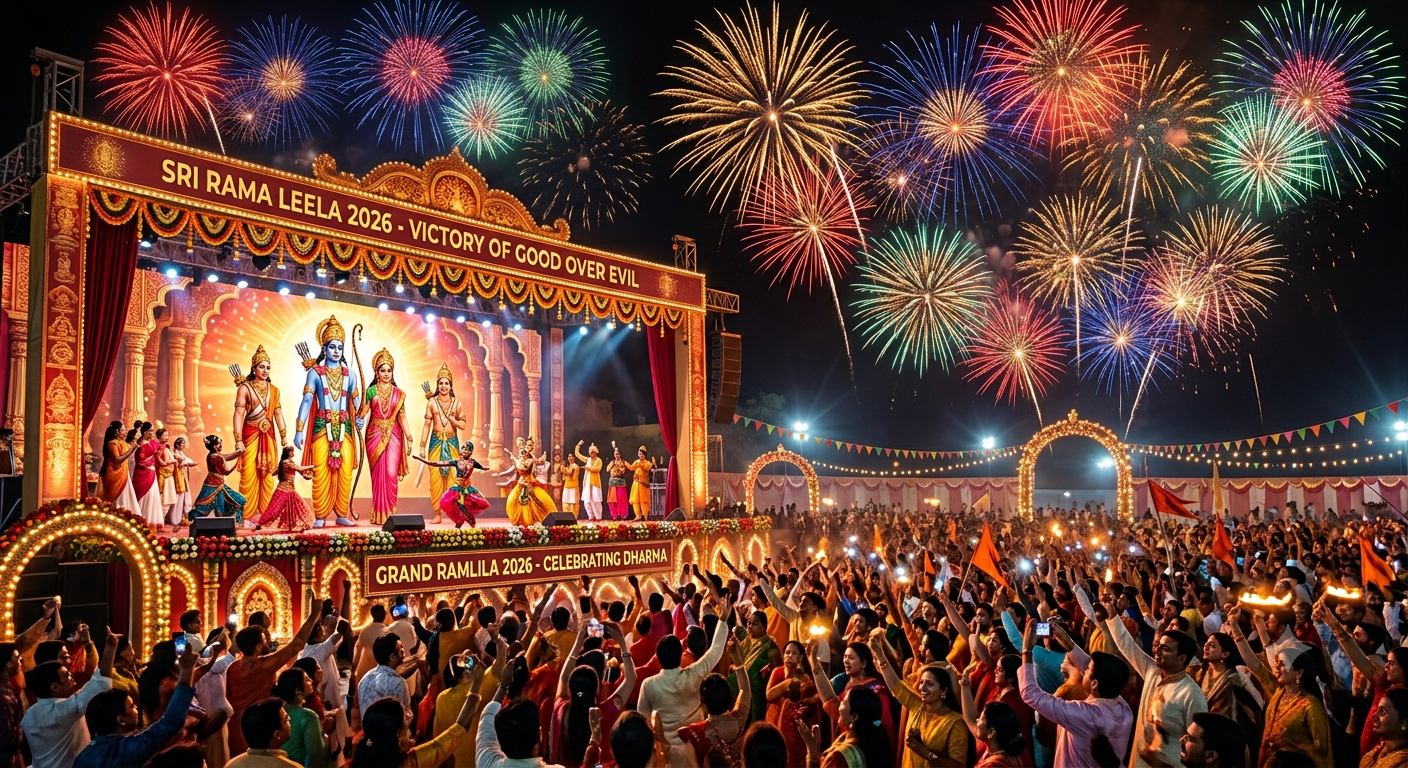
As the festive season approaches, towns and cities across India come alive with colorful decorations, devotional music, and the excitement of Ramlila. For millions of people, this traditional celebration is more than a theatrical performance. It is a time to reconnect with faith, celebrate cultural heritage, and reflect on values that make life meaningful.
In 2026, Ramlila will once again bring communities together to celebrate the timeless story of courage, truth, and righteousness. Inspired by the Hindu epic Ramayana, these performances portray a remarkable journey filled with sacrifice, devotion, challenges, and the ultimate victory of good over evil.
At the heart of this celebration is Lord Rama, whose life inspires people to follow the path of Dharma, or righteousness. Lord Rama story reminds us that honesty, compassion, patience, and responsibility matter in every generation.
Table of Contents
What Is Ramlila and Why Is It Celebrated?
Ramlila is a traditional dramatic performance that brings episodes from the Ramayana to life through acting, music, narration, and elaborate costumes. Usually performed during the days leading up to Dussehra, it allows audiences to experience the epic in an engaging and memorable way.
Many productions draw inspiration from Goswami Tulsidas’s Ramcharitmanas, while others follow regional storytelling traditions. Actors portray familiar characters such as Sita, Lakshmana, Lord Rama, Hanuman, and Ravana, recreating important moments from the story of Lord Rama.
Some performances take place on conventional stages, while others use entire public spaces as settings. The famous Ramnagar Ramlila near Varanasi is particularly known for its distinctive format, with scenes unfolding at different locations.
The tradition also has international recognition. UNESCO included traditional Ramlila performances in India’s Representative List of the Intangible Cultural Heritage of Humanity in 2008.
One reason Ramlila remains so popular is its ability to connect generations to Lord Rama. Grandparents share stories, parents explain their meanings, and children discover these characters through live performances. In this way, the festival keeps cultural traditions alive while making ancient lessons relevant to modern life.
The Inspiring Story Behind Ramlila
According to Hindu tradition, Lord Rama was born in Ayodhya to King Dasharatha and Queen Kaushalya. Known as an avatar of Lord Vishnu, Lord Rama is remembered for his commitment to Dharma, humility, and respect for others.
One of the most important moments in his life comes when Lord Rama accepts fourteen years of exile rather than allow his father’s promise to be broken. Accompanied by Sita and his devoted brother Lakshmana, he leaves the royal comforts of Ayodhya to live in the forest.
Their lives take a difficult turn when Ravana, the powerful king of Lanka, abducts Sita. Determined to rescue her, Lord Rama forms an alliance with Sugriva and receives the invaluable assistance of Hanuman and the Vanara army.
Hanuman’s courage and devotion play a crucial role in locating Sita. Eventually, the conflict leads to a great battle in Lanka, where Lord Rama defeats Ravana.
After Sita is rescued and the period of exile ends, the royal family returns to Ayodhya amid great celebration. This homecoming is traditionally associated with Diwali, the festival of lights.
The story continues to touch people’s hearts because it explores familiar struggles: keeping promises, facing hardship, protecting loved ones, and choosing what is right even when doing so requires sacrifice.
Ramlila 2026: A Celebration of Faith and Togetherness
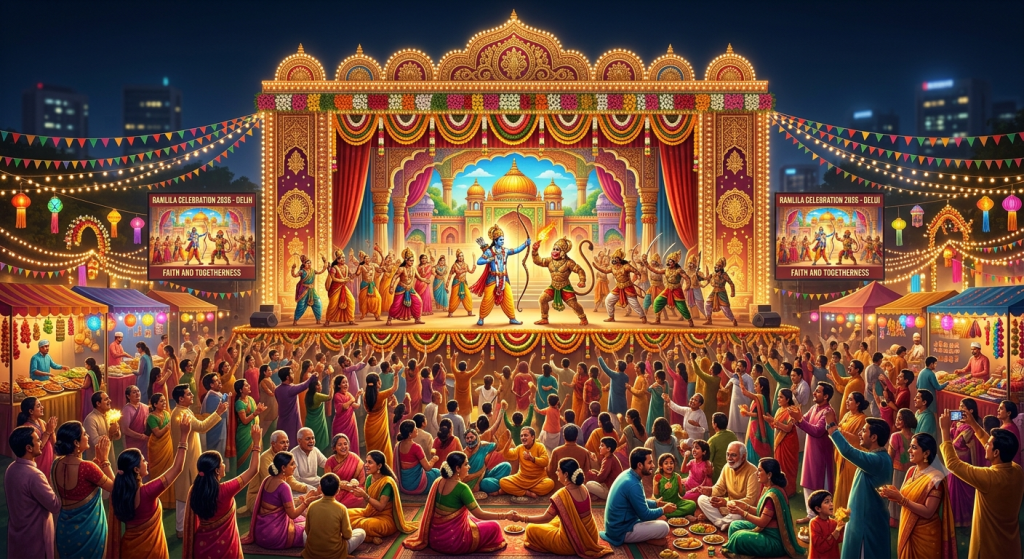
Ramlila celebrations in 2026 will offer families, devotees, and visitors opportunities to experience India’s living traditions through community performances, religious gatherings, and festive activities.
Exact schedules will depend on local organizers, so visitors should check announcements from their chosen venues before making plans.
Preparations often begin weeks in advance. Performers rehearse their dialogues, artisans prepare costumes and stage decorations, and volunteers organize lighting, seating, and crowd management. The collective effort is an important part of the celebration.
While many communities preserve traditional performance styles, others use modern lighting, digital backdrops, and special effects to make the story more engaging. These additions can enhance the experience without changing its spiritual message.
For families, attending Ramlila is a wonderful way to spend time together and introduce children to the stories behind the festival. For artists and volunteers, it is an opportunity to contribute to a tradition that has united communities for generations.
Where to Experience Ramlila in India
India’s regional traditions make this celebration a rewarding cultural experience. Till Today everyone go to Ramlila to have a glimpse of Lord Rama. Following are the places to not miss this Diwali season:
1. Delhi
Delhi is known for its large public Ramlila performances during the festive season. Many events feature elaborate sets, dramatic battle scenes, devotional music, and the eagerly awaited burning of Ravana’s effigy on Dussehra.
2. Varanasi
The Ramnagar Ramlila near Varanasi is famous for its traditional storytelling format. Performances unfold across different locations, allowing audiences to follow the narrative as it progresses rather than watching everything on one stage.
3. Ayodhya
Ayodhya holds a special place in Hindu tradition as the birthplace of Lord Rama. During the festive season, pilgrims visit temples, participate in devotional activities, and experience the city’s spiritual atmosphere. People during this festival visit here to seek the blessings of Lord Rama.
4. Other Regions
Ramlila is celebrated across Uttar Pradesh, Bihar, Madhya Pradesh, Uttarakhand, and many other parts of India. Each region brings its own language, music, costumes, and artistic traditions to the performances. Each one has their own way of remembering Lord Rama.
Ramayana-inspired traditions also exist in countries such as Nepal, Indonesia, Thailand, and Cambodia, reflecting the epic’s influence across Asia.
Dussehra 2026: The Victory of Good Over Evil
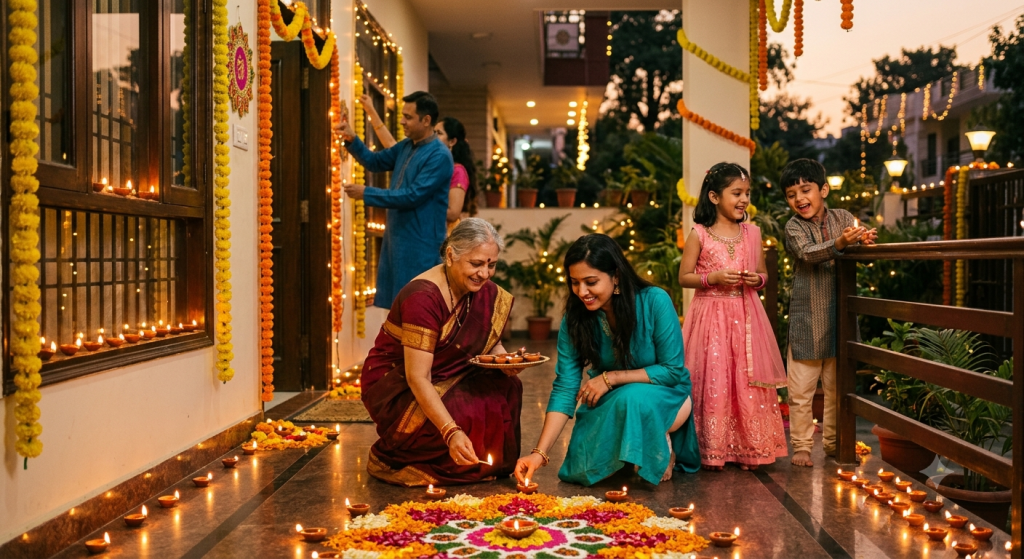
Dussehra, also known as Vijayadashami, is one of the most important occasions associated with Ramlila. It celebrates the victory of righteousness over evil, traditionally represented by the defeat of Ravana.
In many places, enormous effigies of Ravana, sometimes accompanied by those of Meghnada and Kumbhakarna, are burned before enthusiastic crowds. The event provides a dramatic conclusion to the performances and symbolizes the destruction of negative forces.
However, the meaning of Dussehra goes much deeper than the spectacle.
Ravana is portrayed as a powerful and learned ruler whose arrogance and wrongful actions eventually lead to his downfall. His story reminds us that intelligence, wealth, and authority cannot replace humility or justify injustice.
The victory of Lord Rama encourages people to choose honesty over deception, compassion over hatred, and responsibility over selfishness.
Dussehra also invites personal reflection. Rather than viewing evil only as something outside ourselves, we can use the occasion to work on our own anger, pride, greed, and dishonesty.
That is what makes the celebration meaningful year after year: it encourages us to become better people, not simply to watch a dramatic victory unfold.
Valuable Life Lessons From Lord Rama
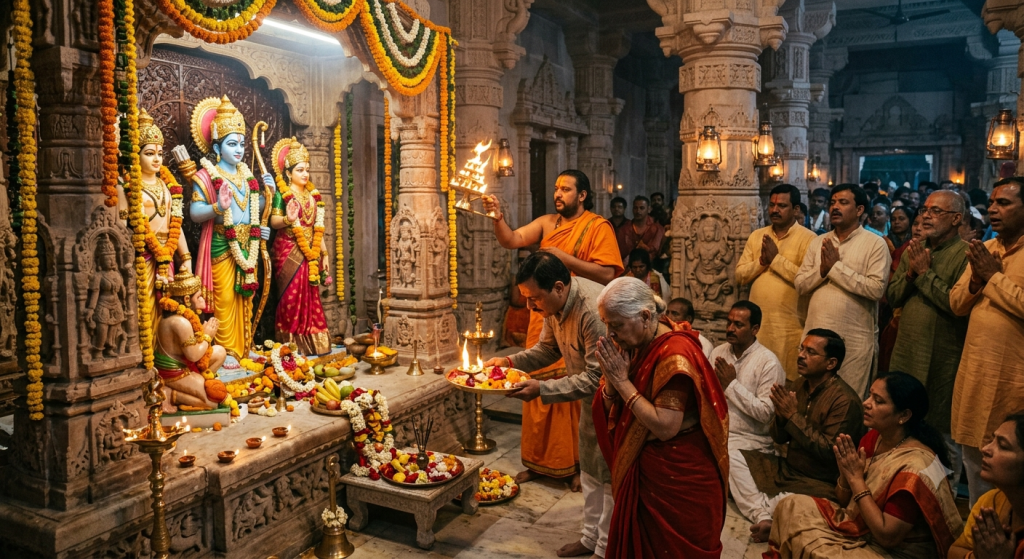
The enduring popularity of this story comes from the values it represents and the way those values apply to everyday life.
Truth and integrity: Accepting exile to honor his father’s promise demonstrates the importance of keeping one’s word, even when doing so is difficult.
Respect for relationships: His relationships with Lakshmana, Bharata, and other family members highlight loyalty, sacrifice, and mutual responsibility.
Courage during hardship: The search for Sita and the battle in Lanka demonstrate perseverance in the face of uncertainty and adversity.
Humility in leadership: His example encourages leaders to act responsibly, respect others, and place their duties above personal pride.
Commitment to justice: The larger narrative encourages thoughtful decisions, fairness, and concern for the well-being of others.
These lessons can be applied in everyday situations, whether we are raising children, managing a team, resolving disagreements, or making difficult personal decisions.
Keeping the Tradition Alive in 2026
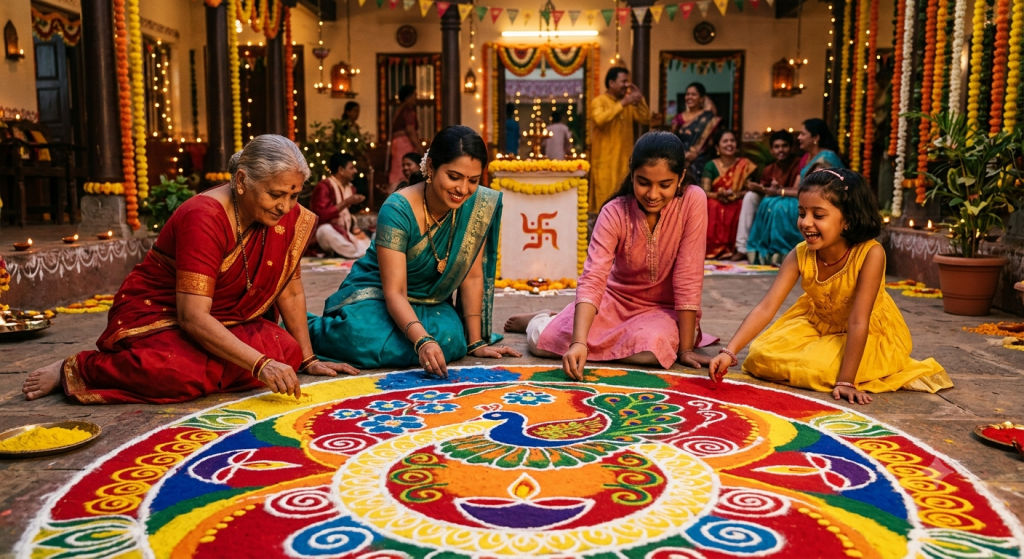
Ramlila continues to thrive because communities make an effort to preserve and share it. Supporting local artists, encouraging young performers, and attending community events can help keep the tradition vibrant.
Families can also make the celebration more meaningful by discussing the story afterward and asking children what they learned from its characters.
Visitors should choose organized events, follow safety instructions, supervise children in crowded spaces, and treat performers and fellow attendees respectfully. Using designated waste bins and supporting environmentally responsible celebrations can also help protect public spaces.
Small actions like these ensure that the festival remains welcoming, safe, and meaningful for future generations.
Conclusion
Ramlila is a beautiful reminder that some stories never lose their power. Through dramatic performances, devotional music, and shared celebrations, it brings the values of the Ramayana into everyday life.
In 2026, the festival will once again encourage people to reflect on truth, courage, humility, and the importance of standing against wrongdoing. The burning of Ravana’s effigy may mark the end of a performance, but its deeper message continues long afterward.
The real victory of good over evil begins with the choices we make each day: being honest, treating others with kindness, keeping our promises, and finding the courage to do what is right.
May Ramlila 2026 bring families closer, strengthen communities, and inspire everyone to follow the path of righteousness.
FAQs
Q. What is Ramlila?
A. Ramlila is a traditional dramatic performance that narrates the life and adventures of Lord Rama through stories drawn from the Ramayana and related cultural traditions.
Q. Why is Ramlila celebrated?
A. It celebrates the victory of good over evil while sharing the moral, cultural, and spiritual lessons of the Ramayana.
Q. When will Ramlila take place in 2026?
A. Performances generally take place during Navratri, leading up to Dussehra. Exact schedules vary by location.
Q. What is the connection between Ramlila and Dussehra?
A. Ramlila traditionally culminates in the defeat of Ravana, while Dussehra commemorates the triumph of righteousness over evil.
Q. Why is Lord Rama important in Hinduism?
A. He is revered as an avatar of Lord Vishnu and represents Dharma, integrity, courage, and responsible conduct.
Q. Where can I watch Ramlila in India?
A. Delhi, Ayodhya, and Ramnagar near Varanasi are well-known destinations. Many other cities and towns also organize performances.
Q. What does burning Ravana’s effigy symbolize?
A. It represents the destruction of evil and encourages people to overcome arrogance, greed, dishonesty, and other negative qualities.
Q. Is Ramlila suitable for children?
A. Yes. Family-friendly performances can introduce children to Indian culture, traditional storytelling, and lessons about honesty and responsibility. Parents should check venue conditions and event timings.
Q. How does Ramlila preserve Indian culture?
A. It passes traditional stories, music, theatre, costumes, and regional performance styles from one generation to another.
Q. What is the main message of Ramlila?
A. Its central message is that truth, righteousness, courage, and compassion should prevail over injustice, selfishness, and arrogance.


