

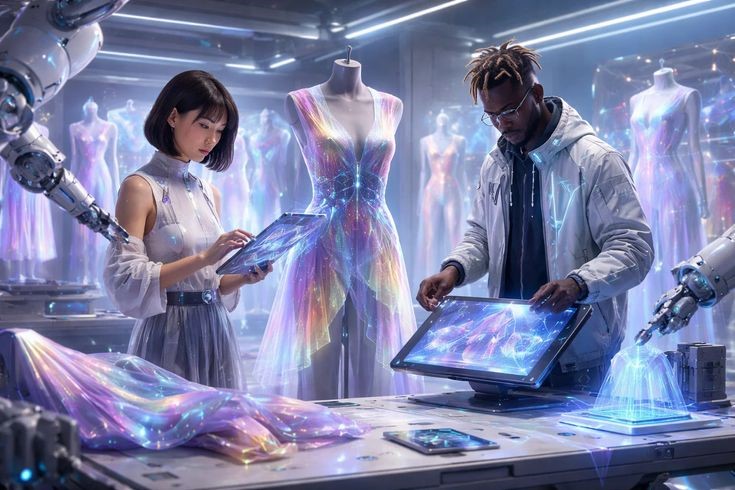
Fashion industry is changing in the influence of the AI, Social media, and technology, designers are changing the way they use to work, lead, here in this article these changes have been discussed along with the impacts of it in industry and consumer choice.
Table of Contents
Introduction
Fashion industry is undergoing its biggest transformation in history. People are no longer looking at magazines; seasonal runway shows to trace the fashion trends. AI, social media, and technology are changing the entire fashion industry, where a designer does not have to look for fabrics physically, then craft designs on it in long hours, or the consumers do not have to follow the magazines. Now that all can be done efficiently through AI, tech, and social media. Fashion AI-powered recommendations are more personalised, trendy, real-time, fashionable, and interactive.
Designer have to choose the fabrics physically, then they have to craft the design on it by taking hours, but now AI does this. Designers now choose the fabric from the applications, then AI recommends designs by taking the data from real-time trends and global fashion. Social media helps the fashion followers to see the daily trends and the ways they can personalise it for them. You can now explore the big fashion industry on your mobile application in seconds.
Fashion industry no longer limited to producing the clothes, now the technology-driven system helps the humans to use data analytics, automation, AI to understand what the needs are and wants of the customer, then go further in a way that reduces waste, improves efficiency. Fashion industry is revolutionising through these technologies, where the virtual reality, social media sites, shopping platforms, artificial intelligence, automated technology are helping the consumers and designers, but a lot of challenges are also there that are stopping it to grow.
Impact of AI on Fashion Industry
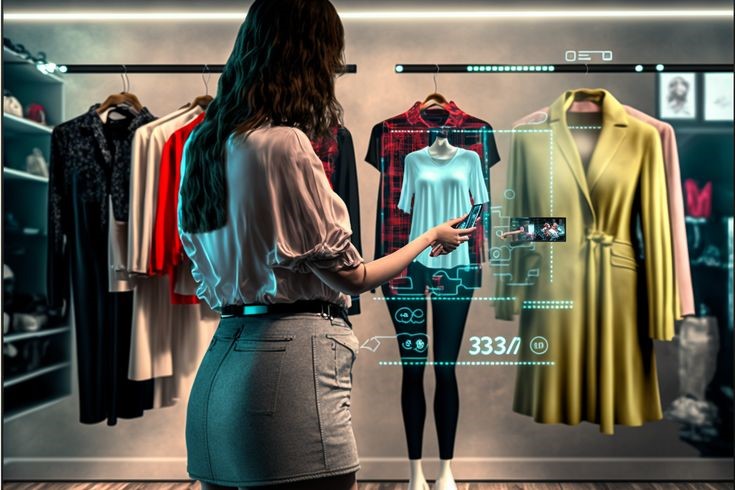
As AI has revolutionised every industry, the industry of fashion is also getting a lot of positive and negative changes that are bringing efficiency, reducing cost, but along with increasing the risks of privacy.
Fashion brands and customers both are using AI, where fashion brands are using artificial intelligence to monitor the trends, social media posts, fashion blogs, customers’ behaviour, interests, upcoming trends, etc., while customers are watching the designers’ pages, blogs, and influencers’ posts to match the trend. These all insights help the designers to choose the fabrics, designs, patterns, and colours for their commodity so that they can efficiently compete with their competitors.
AI helps the designers to make their own personalised changes and designs. They can also grow further in the market by launching the future trends by analysing present AI forecasts.
Consumers want personalised clothing nowadays that should not match with others. AI helps to recommend that by analysing their behaviour, interests, search history, fashion styles, favourite colours, designs they usually buy, brands they are interested in, and size information to match the available options to their preference, then recommend the best to them. There is now 3D scanning technology where the exact sizes can be formed instead of relying on one-size-fits-all.
In 2026 or beyond, there is a huge impact of AI on fashion as it is going to change the trends of history, where there used to be one size made for all. Now, the 3D technology and advanced machines are helping the consumers to get the real fit with pinpoint accuracy. Artificial intelligence is now used by many fashion websites to analyse their customers’ preferences, and then they recommend these products to them through automated technology. Customers are also attracted by these and make purchases of the brand’s products.
AI-powered chatbots and virtual stylists assist the consumers to choose the right fabric and designed clothes matching the occasion. They also provide suggestions on what footwear and accessories match the outfit, what type of makeup and hairstyle they should have. That all attracts a customer to be dependent on AI for this. Many designers are also using these technologies to help customers choose outfits according to their occasion and the accessories they already have.
This has made it clear that AI can analyse things, so it helps the brands to analyse what are the further changes in fashion in 2026 that are going to happen. That is going to help the brands to make designs according to that. Not only that, but future demand can also be analysed to forecast the production quantity according to the weather, season, etc. For example, you can see that during the wedding season, the sales of traditional wear rise, so designers start producing that.
This forecast helps in reducing wastage, overproduction, losses, environmental wastage, raw material waste, etc. That will support the sustainability goal.
Social Media Influence on Fashion
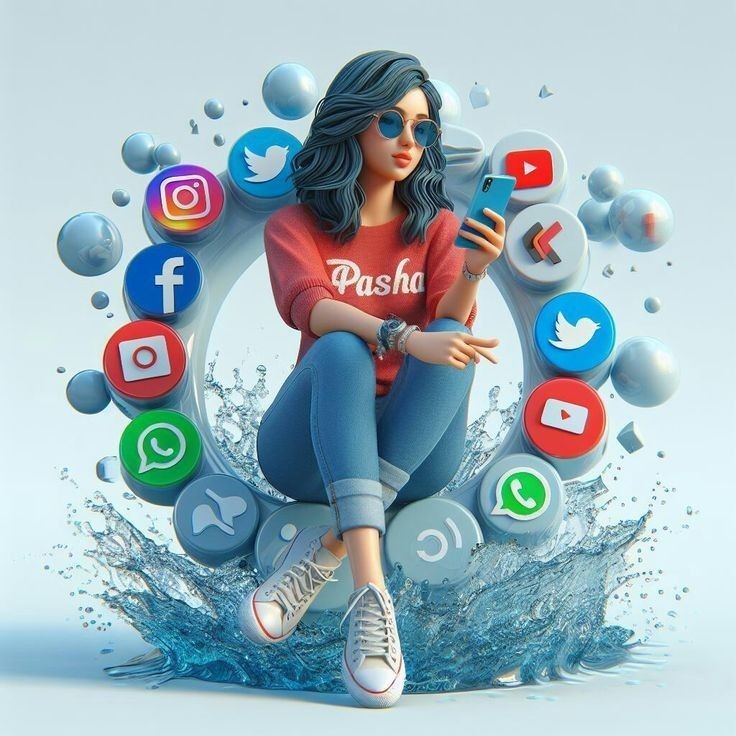
Now everyone is focusing on social media for the trends and designs in the fashion industry. Now you can see there are many influencers on Instagram and YouTube who are associated only with the fashion industry. There are a lot of designers posting daily about what are going to be the changes in the fashion industry in the future. So, it specifies how social media is helping the fashion industry.
Like I said, the influencers are recommending fashion clothing and trends to the viewers, and the viewers follow these trends. Many brands are collaborating with these influencers to showcase their clothing to them and making the customers pull their money in buying these products. Followers are also following the fashion of the influencers that they follow. This market is often called the UGC market. This influencer marketing is gaining a lot of fandoms in the fashion industry 2026.
Have you ever noticed something which was unknown to people became famous at another level due to Instagram and YouTube reels? This is the strong strategy today. The thing which gets viral on social media is often followed by the viewers. Now people follow what is viral rather than things in the fashion industry. If a design of a short kurti or saree is viral over the internet, then many people buy the same Kurti. Fashion brands often make videos of their designs and post them with trending hashtags and songs to boost the sales.
You must have noticed the reviews, unboxing experiences, and styling videos of clothes on social media that have been created by the users. What is it? It is also referred to as user-generated content, where the users post videos related to clothing. Brands often pay them for this. It helps the fashion brands to gain customers, as their reviews attract other customers. It generates authentic marketing for the fashion brand to get buyers for their brand.
Many brands organise special live sessions to launch their trendy new collections on social media, where the viewers can purchase or book the clothes, or they can ask questions related to the clothes. They can see the products in real time before buying them, as only the images cannot be trustable sometimes. Brands often provide discounts for shopping during the live streams to attract more customers to join the session. These types of videos create strong customer engagement.
Digital Technology Transforming the Fashion Industry 2026
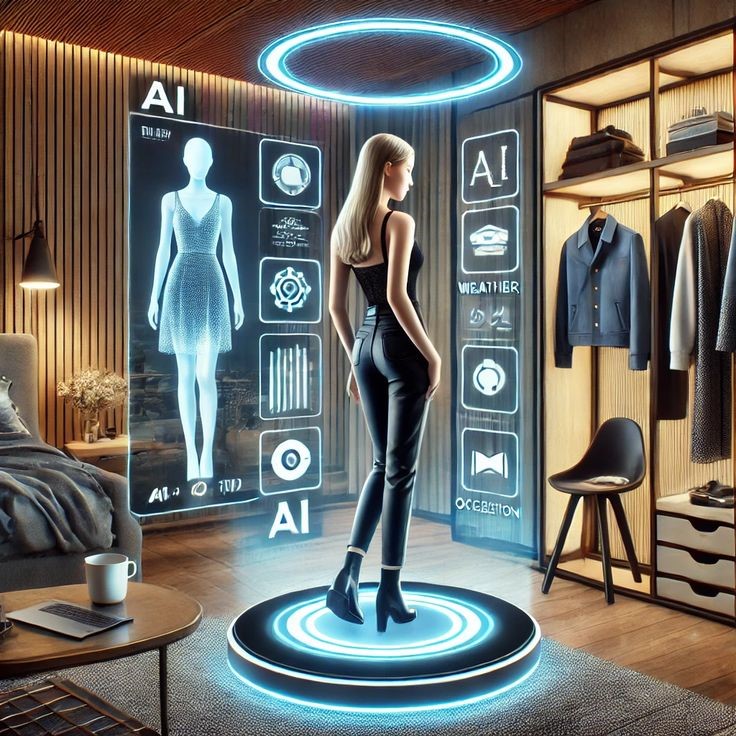
As we have discussed the impact of social media and the impact of AI on fashion, there is a change that technology brought in the fashion industry that is far more than others. Here, some of them are discussed.
What I say is, you can try a product through an application. Sounds weird, right? But now it is a reality. You can try clothes, sunglasses, accessories, shoes, etc. on yourself digitally through the help of augmented reality. This technology helps the customers to try their favourite commodities on them without even actually wearing them. This helps the consumers to see how efficient it will be to buy that product or how they are going to look in it. Many brands like Lens kart have started using this technology to support online customers.
Retail stores have started using smart mirrors. Smart mirrors are the mirrors that can capture you and describe the entire detail of the product, price, and size. Basically, retail stores use these mirrors in fitting rooms, which help the customers to know what accessories they can style with them, what colour will suit them, and how they can customize them by taking help. They can also order the required size and colour without leaving the fitting room.
Many builders make the miniature form of a building and home of the exact same design before making the real one. Like this, there is 3D technology software that helps the designers to create a digital clothing prototype before manufacturing the real one. This prototype helps the designers to have a look at how their designs are going to look, which helps them to make improvements, reduce wastage, and do the required changes.
A new concept of digital fashion has come where the designers design virtual dresses for the virtual teams of cricket matches, FIFA, cricket, etc., so people also take those designs from the designers. This has become a common thing after digital games became popular, so designers are also getting a lot of income from this.
conclusion
Fashion industry is changing rapidly with the time, due to the use of artificial intelligence, social media, and technology. All the aspects are changing. Artificial intelligence is modernising the fashion industry by analysing the trends. Fashion designers are using it to make the costumes and clothing designs. Impact of AI on fashion can be clearly seen as designers are now personalising the clothes according to the customers’ behaviour. Customers are also using it to find perfect clothing for them.
Social media is changing the fashion era as people are now watching the trends, new clothing, and new fabrics on social media. They are following it. Influencers are also getting a lot of finance by being on social media. Actually, brands are paying them highly to showcase their work on social media. People are following those things blindly. If we talk about technology, we can say that technology has changed a lot of things for the fashion industry 2026, as augmented reality and smart mirrors have come.
Technology change is leading to the change in fashion in 2026. People are moving more towards Western culture under the influence of social media, so there are some challenges of data privacy, security, etc., but this cannot change the fact that this is the future of the fashion industry.
Faqs
What is AI use in the fashion industry?
Brands are using artificial intelligence to monitor the trends, social media posts, fashion blogs, customers’ behaviour, interests, upcoming trends, etc
What is the use of social media in fashion?
User-generated content, where the users post videos related to clothing. Brands often pay them for this. It helps the fashion brands to gain customers, as their reviews attract other customers. It generates authentic marketing for the fashion brand to get buyers for their brand.
What is the use of technology in fashion?
Augmented reality. This technology helps the customers to try their favourite commodities on them without even actually wearing them.
What are smart mirrors?
Smart mirrors are the mirrors that can capture you and describe the entire detail of the product, price, and size. Basically, retail stores use these mirrors in fitting rooms, which help the customers to know what accessories they can style with them, what colour will suit them, and how they can customize them by taking help. They can also order the required size and colour without leaving the fitting room.


