

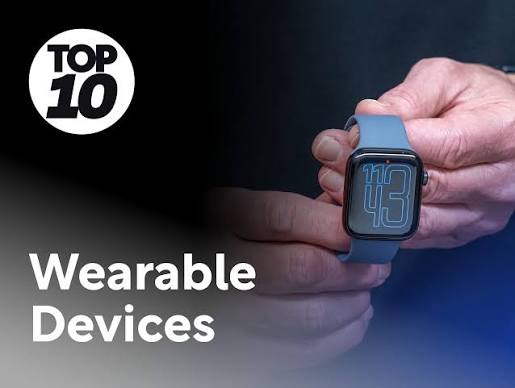
Wearable fitness technology has changed the way people monitor their health and fitness. Smartwatches, fitness bands, smart rings, and other wearable devices can collect health-related information throughout the day. Instead of relying only on occasional measurements, users can now view trends in activity, sleep, heart rate, workouts, and other wellness metrics directly from a connected device or smartphone app.
As technology continues to develop, wearable devices are becoming smaller, smarter, and more useful for everyday health tracking. They can help people understand their habits, set fitness goals, monitor workouts, and stay motivated to maintain an active lifestyle. However, wearable devices are not a replacement for professional medical care. Their measurements can have limitations, and health-related readings should be interpreted carefully. In this article, we explore 10 ways smart wearable devices track your health and how these features can support a healthier lifestyle.
Table of Contents
What is Wearable Fitness Technology?
Wearable fitness technology refers to electronic devices designed to be worn on the body while collecting information about activity, fitness, or certain health-related measurements.
Common examples include:
- Smartwatches
- Fitness trackers
- Smart rings
- Heart-rate monitors
- GPS fitness watches
- Specialized sports trackers
Many wearable devices connect to a smartphone through Bluetooth and use an accompanying application to display collected information. Depending on the device, users may be able to see daily activity, workout statistics, sleep information, heart-rate measurements, and other metrics.
1. Track Daily Steps

The information is usually displayed through the device or its mobile application. Step tracking can help users understand how active they are during everyday activities. Instead of focusing only on formal workouts, users can see how walking to work, shopping, completing household activities, or taking the stairs contributes to their overall movement. Many devices also allow users to create daily movement goals and receive reminders when they have been inactive for extended periods.
2. Monitors Heart Rate
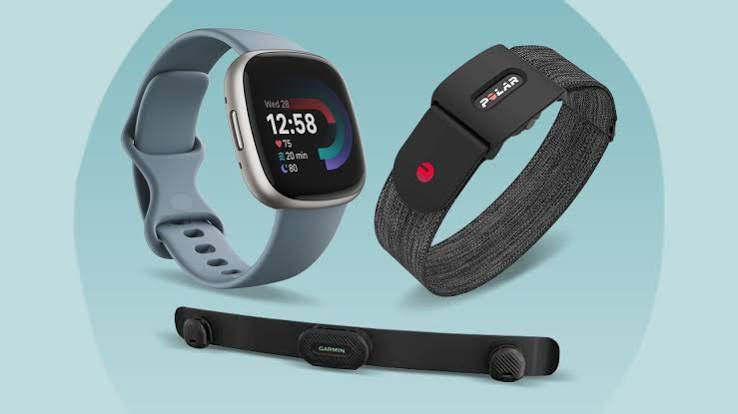
Many smartwatches and fitness trackers can monitor heart rate using optical sensors positioned against the skin. Heart-rate tracking can provide information about how the body responds to different activities. During exercise, users can observe how their heart rate changes as workout intensity increases. Some devices also measure resting heart rate and display historical trends. This information can help users understand changes in their activity and fitness patterns over time.
Factors such as device position, movement, skin contact, and the type of activity can affect measurements. People with concerns about their heart health should consult a qualified healthcare professional rather than relying only on a wearable device.
3. Measures Sleep Patterns
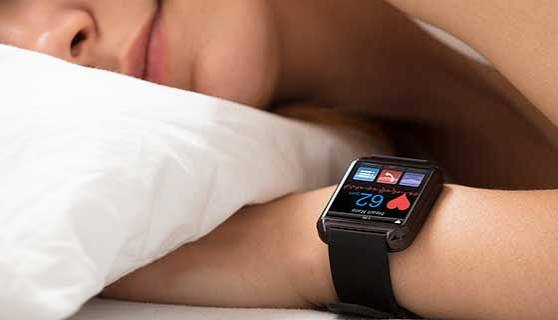
Sleep tracking has become an important feature of modern wearable technology. Depending on the device, sleep-tracking systems may estimate:
- Total sleep duration
- Time spent awake
- Sleep timing
- Sleep stages
- Nighttime movement
- Sleep consistency
By reviewing these patterns, users can identify habits that may affect their sleep routine. For example, someone might notice that their sleep duration changes when they exercise late, use electronic devices before bedtime, or follow an inconsistent schedule. Sleep trackers can therefore encourage users to pay more attention to rest and recovery. It is important to remember that consumer sleep trackers generally estimate sleep-related metrics rather than providing a clinical sleep diagnosis.
4. Track Workout Performance
Wearable fitness devices can make exercise tracking more convenient. During a workout, compatible devices may record information such as:
- Workout duration
- Heart rate
- Calories estimated
- Distance
- Pace
- Speed
- Repetitions or other activity-specific metrics
Different workout modes may be available for walking, running, cycling, swimming, strength training, and other activities. After completing a workout, users can review their results through a smartphone application. Comparing workouts over time can help people understand their training patterns and monitor progress toward personal fitness goals.
5. Uses GPS to Track Outdoor Activities

Many advanced smartwatches include GPS functionality. GPS can help track outdoor activities such as running, walking, hiking, and cycling. A device can record information about the route, distance, pace, and movement during an activity. For runners and cyclists, this can be particularly useful because they can review their route and performance after finishing a workout. GPS tracking can also help users explore how far they travel during outdoor activities without manually measuring the distance. Because GPS uses satellite signals, accuracy can vary depending on environmental conditions, buildings, trees, and other factors.
6. Estimate Calories Burned
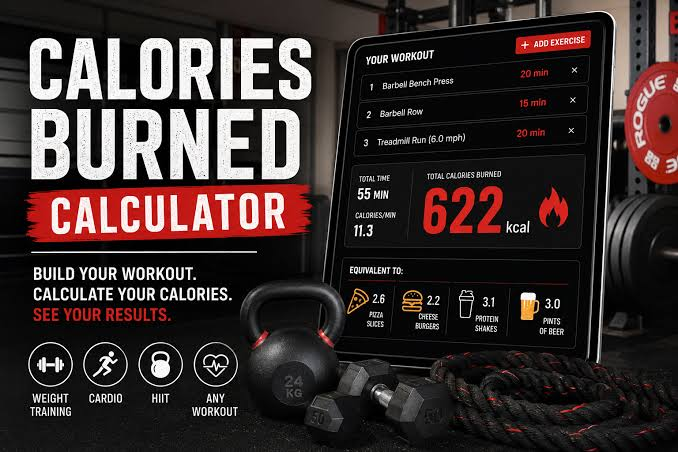
These estimates may consider information such as movement, heart rate, body characteristics entered by the user, and the type and duration of activity. Calorie information can be useful for understanding general activity levels and comparing different workouts. However, calorie estimates from wearable devices should not be treated as exact measurements. Energy expenditure is difficult to calculate precisely using consumer wearables. Instead of becoming overly focused on a single calorie number, users can look at broader trends in activity, exercise, nutrition, and overall lifestyle.
7. Monitors Blood Oxygen Levels on supported Devices
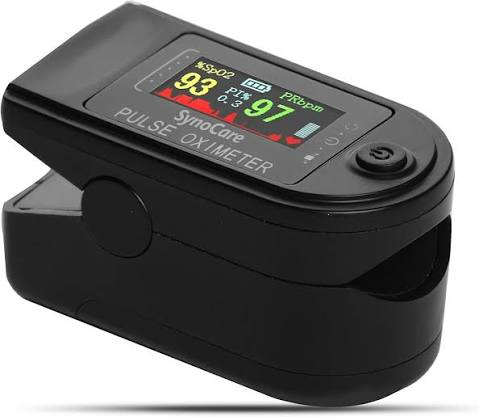
Some wearable devices include sensors designed to estimate blood oxygen saturation, commonly called SpO₂. Blood oxygen measurements can provide information about oxygen saturation in the blood. Depending on the device and region, users may be able to take an occasional reading or view measurements collected during rest or sleep. This feature can be interesting for people who want to observe general wellness trends.
However, wearable blood oxygen measurements are not necessarily equivalent to readings from medical equipment. Factors such as movement, device fit, skin contact, and other conditions can influence the result. If a person experiences symptoms or has concerns about oxygen levels, they should seek appropriate medical advice rather than relying solely on a smartwatch or fitness tracker.
8. Provides Activity and Inactivity Alerts
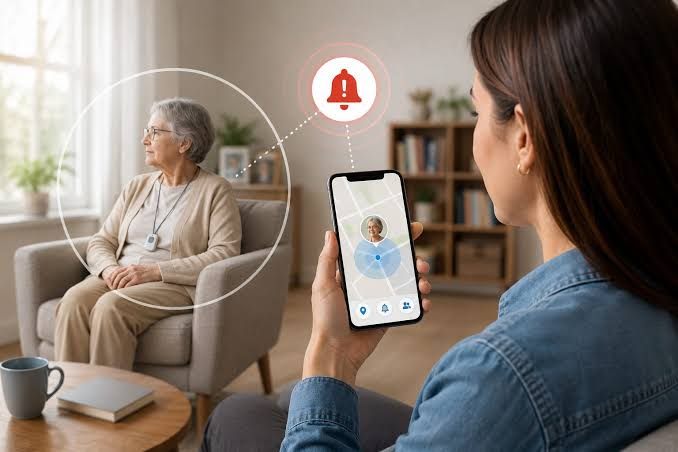
Modern wearable devices can do more than simply collect data. For example, a smartwatch may send a notification after a prolonged period of inactivity. Some devices encourage users to stand, walk, stretch, or complete a short movement break. These reminders can be helpful for people who spend many hours sitting at a desk or working on a computer. Small movement breaks throughout the day can make daily routines more active. The goal is not necessarily to complete a difficult workout every time but to reduce long periods of inactivity.
9. Track Stress and Recovery-Related Metrics
These features can promote awareness of daily habits and encourage people to balance exercise with adequate rest.
However, a wearable’s “stress score” or “recovery score” is an algorithmic estimate, not a medical diagnosis. Users should consider it as one source of information rather than an absolute measurement of their physical or mental condition.
10. Create Long-Term Health and Fitness Trends
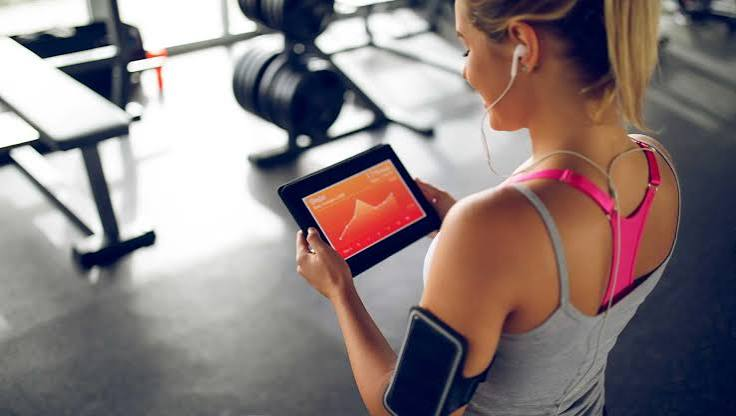
Perhaps one of the biggest advantages of wearable technology is its ability to collect information over time. A single day’s data may not tell users much about their overall habits. But several weeks or months of information can reveal patterns.
For example, users may discover that:
- Their daily activity is higher on certain days.
- Their sleep schedule changes during busy periods.
- Their workout frequency has increased.
- Their resting heart-rate trend has changed.
- They are spending too much time inactive.
- Their running distance is gradually increasing.
These long-term trends can help people make more informed lifestyle decisions.Instead of focusing on one number, users can look at how multiple aspects of their lifestyle change over time.
Benefits of Using Wearable Fitness Technology
Wearable devices can provide several practical benefits for people interested in health and fitness.
Increased Awareness
Seeing daily activity data can make people more aware of how much they move, exercise, and sleep.
Goal Setting
Many devices allow users to create personalized goals for steps, workouts, activity, or other metrics.
Motivation
Progress charts, reminders, achievements, and notifications can encourage users to stay consistent.
Convenient Tracking
A wearable can automatically collect information without requiring users to manually record every activity.
Better Understanding of Habits
Long-term data can help users identify patterns in their daily routines and make lifestyle adjustments.
Limitations of Wearable Health Technology
Despite their benefits, wearable devices have limitations. First, many health measurements are estimates rather than clinical measurements. Accuracy can vary between devices and activities. Second, users may become overly focused on numbers. Constantly checking steps, calories, sleep scores, or other metrics can sometimes make fitness feel stressful rather than enjoyable. Third, wearable devices collect personal information, so users should review privacy settings and understand how their data is stored and shared. Finally, wearable technology should complement—not replace—professional healthcare. If a device reports an unusual measurement or a person experiences concerning symptoms, professional medical advice is more appropriate than relying on the wearable alone.
How to Use Wearable Technology Responsibly
To get the most value from a fitness tracker or smartwatch, focus on trends rather than individual readings. Set realistic goals and choose metrics that are actually useful for your lifestyle. Keep the device properly fitted according to the manufacturer’s instructions and keep its software updated. It is also important to take breaks from constantly checking health data. Fitness technology should support healthy habits rather than create unnecessary pressure. Most importantly, remember that wearable data provides information—not a complete picture of your health.
Conclusion
Wearable fitness technology has made health and fitness tracking more accessible than ever. From counting steps and monitoring heart rate to tracking workouts, sleep, outdoor activities, and long-term trends, smart devices can provide useful insights into everyday habits.
The biggest benefit of wearable technology is not simply the amount of data it collects. It is the ability to help users become more aware of their routines and make informed lifestyle choices.
As wearable technology continues to develop, smartwatches, fitness bands, and smart rings are likely to become increasingly integrated into everyday wellness routines. Used responsibly, they can be useful tools for tracking progress, building healthy habits, and staying motivated.
FAQs
1. What is wearable fitness technology?
Wearable fitness technology includes devices such as smartwatches, fitness bands, and smart rings that collect information related to activity, exercise, and certain health metrics.
2. What health information can a smartwatch track?
Depending on the model, a smartwatch may track steps, heart rate, workouts, sleep-related information, distance, GPS activity, and other metrics.
3. Are fitness trackers accurate?
Fitness trackers provide estimates, and accuracy can vary depending on the device, activity, sensor placement, and other factors. They should not be treated as medical-grade equipment unless specifically designed and approved for that purpose.
4. Can a fitness tracker monitor sleep?
Yes. Many modern fitness trackers and smartwatches provide sleep-tracking features that estimate sleep duration and other sleep-related patterns.
5. Can wearable devices replace a doctor?
No. Wearable devices can provide useful health and fitness information, but they should not replace professional medical evaluation or treatment.
6. Are wearable fitness devices useful for beginners?
Yes. Beginners can use them to understand their daily activity, establish realistic goals, monitor workouts, and develop consistent healthy habits.


