

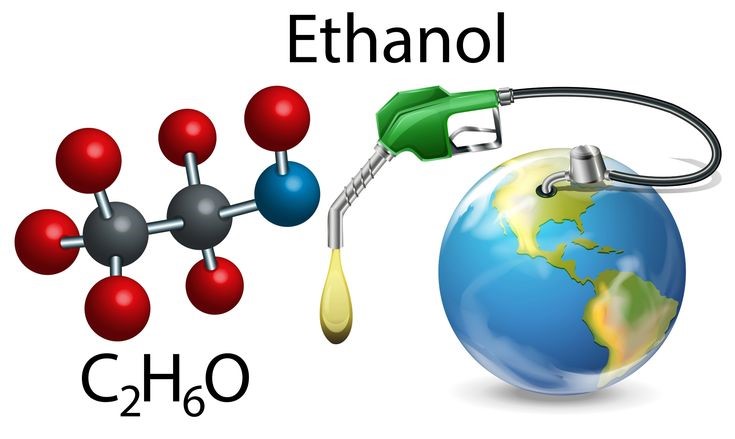
Ethanol production has been rising in India for the last five years, as it has started being used as a raw material in cosmetics and the pharma sector. The government has standardised the mixing of it in petrol to make it green fuel. Here, in this article, we are going to understand the ethanol uses, its demand, challenges and future opportunities.
Table of Contents
Introduction
India’s ethanol industry has become one of the fastest-growing sectors in the country’s clean energy transition. The government has accelerated the production of it over the past few years to reap its benefits of cleaner energy. The government is mixing it in petrol to reduce the dependence on crude oil and reduce the imports. The government is providing incentives, subsidies, policies, and finance to support the production of ethanol over the past years by mentioning that this fuel is beneficial for farmers, helps reduce carbon emissions, and improves energy security.
In 2026, instead of the environmental and financial benefits, this industry is facing backlash from the people due to various challenges that you will understand in the article. The views of the government are being contradicted by the questions of the people. Ethanol plants are becoming popular in other countries, and in India also, its production is booming. The government is stating environmental benefits but is ignoring the other impacts of it.
What is ethanol?
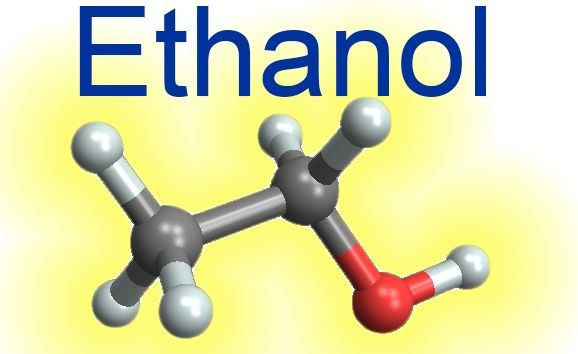
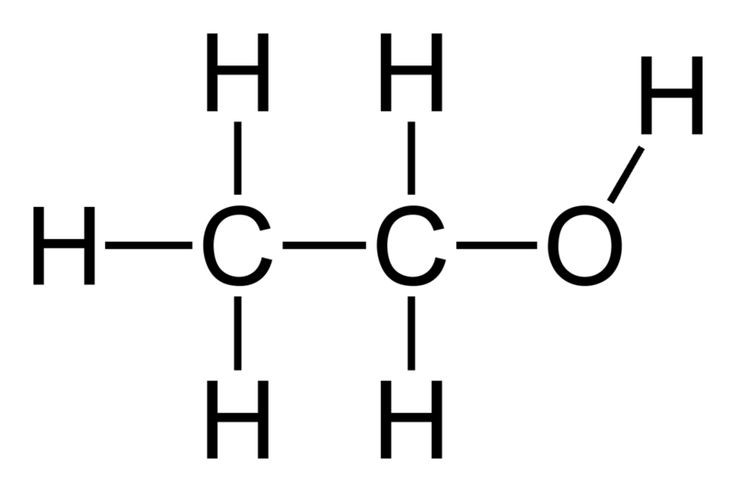
Ethanol is a renewable alcohol-based fuel produced by fermenting sugar-rich or starch-rich agricultural products like maize, sugarcane, etc. If we talk about the chemistry, then it is the C₂H₅OH covalent molecule. It is made entirely of non-metals that share electrons rather than transferring them. It has exactly 8 single covalent bonds. It is also referred to as ethyl alcohol, grain alcohol, bioethanol, fuel ethanol, alcohol, etc., related to its work. This can be made through sugarcane, maize, broken rice, etc. Agricultural waste and biomass can also be used to make it through advanced technologies.
This green fuel has many environmental benefits, as if it is mixed with fuel, it can reduce carbon emissions to some extent, reduce dependence on imports for crude oil, and provide a cleaner energy source, and being made from agricultural products, it will help farmers. So, if we understand ethanol, then it is a green fuel that mixes with petrol in the ratio specified by the government. It is important not only in the fuel category but also acts as a raw material in pharmaceutical, cosmetic, food processing, beverage, and sanitiser manufacturing.
This explanation clarifies that ethanol has many benefits; that’s why various measures are being taken to initiate its production to a great extent. But in 2026, this production has been questioned by various citizens due to various important aspects that we will study further in this article.
Why is India expanding ethanol production?
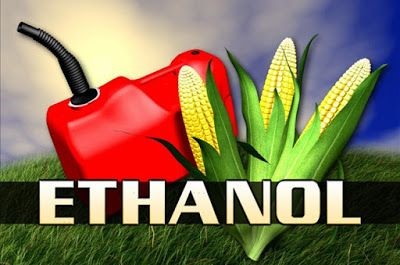
This country is highly populated and dependent on crude oil, and we have to import crude oil in high proportions. Due to this, the country faces many issues like international oil price fluctuations, policies, less supply due to wars, etc. Blending green fuel with petrol will reduce this dependency to some extent. This blended mixture is not only helping to reduce imports but is also helpful for the climate, as carbon emissions can be lowered.
The government has promoted this blending under the National Biofuel Policy. This green fuel is manufactured by various domestic producers, and the raw materials are brought from local farmers. This is helping in the generation of income opportunities. This green fuel is helping sugarcane producers and maize producers to increase production and helping in the use of agricultural produce instead of spoilage. The government is providing subsidies and incentives to boost manufacturing and set up industries.
Current Status of Production
India is witnessing the fastest growth in ethanol over the past five years, as the government is supporting this industry through incentives, investing in new distilleries, and expanding existing facilities. The government is supporting this industry by helping with paperwork, reducing rigidity, etc. This industry has also been boosting, as earlier only sugarcane was being used to produce this green fuel, but now the government has permitted the use of maize, broken rice, agricultural waste, damaged food grains, surplus rice approved for agricultural use, and other agricultural products.
Agricultural waste and biomass use is increasing now due to various technology improvements. This has boosted production, as the diversification of many crops over one crop is increasing the raw materials for production. Many new industries are being set up in different states like Maharashtra, Madhya Pradesh, Punjab, Haryana, etc. These industries have been set up where there is high agricultural produce.
Procedure of Production
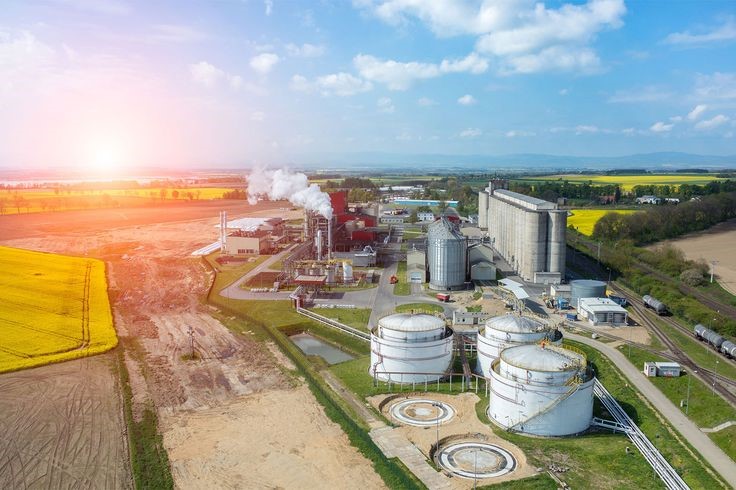
There are many steps to producing ethanol, but here in the article, a few have been explained in a short way. So, the steps begin with selecting the correct raw material. This raw material can be sugarcane juice, beetroot, maize, rice, or any other agricultural waste.
The major steps are:
- Collection of feedstocks (any raw material)
- Then, these feedstocks are fermented by yeast to convert them into alcohol.
- Distillation to separate the ethanol from the fermented mixture.
After that, it is dehydrated to produce fuel-grade ethanol. Then, this component is transported to oil marketing companies or industries to facilitate its use.
But now, many modern technologies have come that support the reduction of the use of water and energy to minimise the challenges and increase environmental benefits.
Ethanol Uses Across Different Industries
The demand for ethanol production is rising as the uses of alcohol have been increasing across various industries, like the following:
The cosmetic industry is using it to make perfumes, deodorants, lotions, and beauty products, and as the demand for these is rising, the demand for ethanol is also rising.
The chemical industry uses plenty of ethanol, as it is a raw material in paints, adhesives, and industrial solvents. It is also a raw material in the plastic industry. As these industries are using ethanol, the need for it is rising.
The food industry is also using ethanol in food processing, beverage manufacturing, etc.
Pharmaceutical companies are also using it to make medicines, syrups, disinfectants, and medical formulations. It is a major raw material in this industry.
Demand for this alcohol is rising after COVID-19, as it is a major raw material in sanitisers, and the sanitiser industry is booming after COVID-19.
Growth of Ethanol Plants
These plants are increasing in the country, as they are a raw material for different industries, and now they have been used in petrol to make green fuel. This all is increasing due to government incentives and investments in setting up these ethanol plants. The plants are getting easy financing, subsidies, grain-based ethanol production, etc., to set up easily. They are also assured that oil marketing companies are procuring this on a long-term contract basis.
Challenges of Ethanol Production
Sugarcane is the raw material of the industry, but to cultivate this raw material, a high amount of water is required for irrigation. Irrigating land in the absence of efficient water management will create stress over the areas that rarely get water or where the availability of water is low. In the world, water availability is also low, so it is important to protect water.
This green fuel requires agricultural products as raw materials that cause stress on the availability of food grains. This excessive diversion of food components for industry use will make changes in their prices in the future.
This alcohol is considered cleaner and pollution-controllable, but if we talk about other things, then it raises concerns, like excessive agricultural cultivation can reduce soil fertility and groundwater depletion and increased use of fertilisers can make the soil infertile.
Future Opportunities
This industry is still exploring and growing, and it can see many changes in the future due to technology. The changes are:
Advanced technologies can make this alcohol from agricultural residues such as wheat straw, rice straw, etc. That will help in reducing waste by reducing the burning of waste, and farmers can also get money from the residues.
In the future, if ethanol production rises, then it can also be expected to be exported to different countries. That will make India an exporter of it, and it will lead to income for the country.
Conclusion
In India, production is on the rise as ethanol use is increasing due to various environmental and financial benefits. Its raw materials are sugarcane, maize, broken rice pieces, etc. Now, agricultural waste and biomass are also being used for its production due to advanced technology. Ethanol plants are also being established in every area where agricultural products are present, with the benefits of government incentives, subsidies, etc.
There are benefits of ethanol production, like it reduces carbon emissions, pollution, and stress on imports. But as the raw materials of it are agricultural products, it lays a risk over soil and water, as to produce this, the soil needs fertilisers.
And using chemical fertilisers can cause the infertility of land. Along with it, the water needed for irrigation also leads to water wastage, and it will become a problem in drought areas. Ethanol has been used in cosmetics, pharmaceuticals, etc. So, we can conclude that this alcohol is needed, but there should be some measures to reduce wastage.
Faqs
What is ethanol?
Ethanol is a renewable alcohol-based fuel produced by fermenting sugar-rich or starch-rich agricultural products like maize, sugarcane, etc.
What are the uses of ethanol?
cosmetic industry
Food industry
Pharmaceutical companies
What are the agriculture components used to make green fuel?
This can be made through sugarcane, maize, broken rice, etc. Agricultural waste and biomass can also be used to make it through advanced technologies.


