

The average person generates 4.5 kilograms of waste every single day. Multiply that by 8 billion people, and the number becomes impossible to ignore. Yet the solution has never been complicated. It lives in the small choices: the bag you carry, the tap you turn off, the food on your plate.
Sustainable living is not a trend. It is a direct response to the most urgent environmental crisis of our time, and the most remarkable thing about it is that it doesn’t just heal the planet. It quietly transforms the person practicing it. This article walks you through everything you need to know, what sustainable living means, why it matters, and nine practical tips you can start today.
Table of Contents
What is Sustainable Living?
To understand Sustainable living, it is imperative to understand what sustainability even means.
Sustainability, defined in simple terms, means choosing controlled struggle over easy convenience. But why and what are you choosing, and what implications does it have?
You are choosing ways and methods that don’t impact the environment in a negative way. You can choose water coolers and light, cotton clothes over air-conditioners in the summer. You can choose rainwater harvesting instead of extracting groundwater. It replenishes the nature around you and helps restore balance between what we consume and what we give back to the environment.
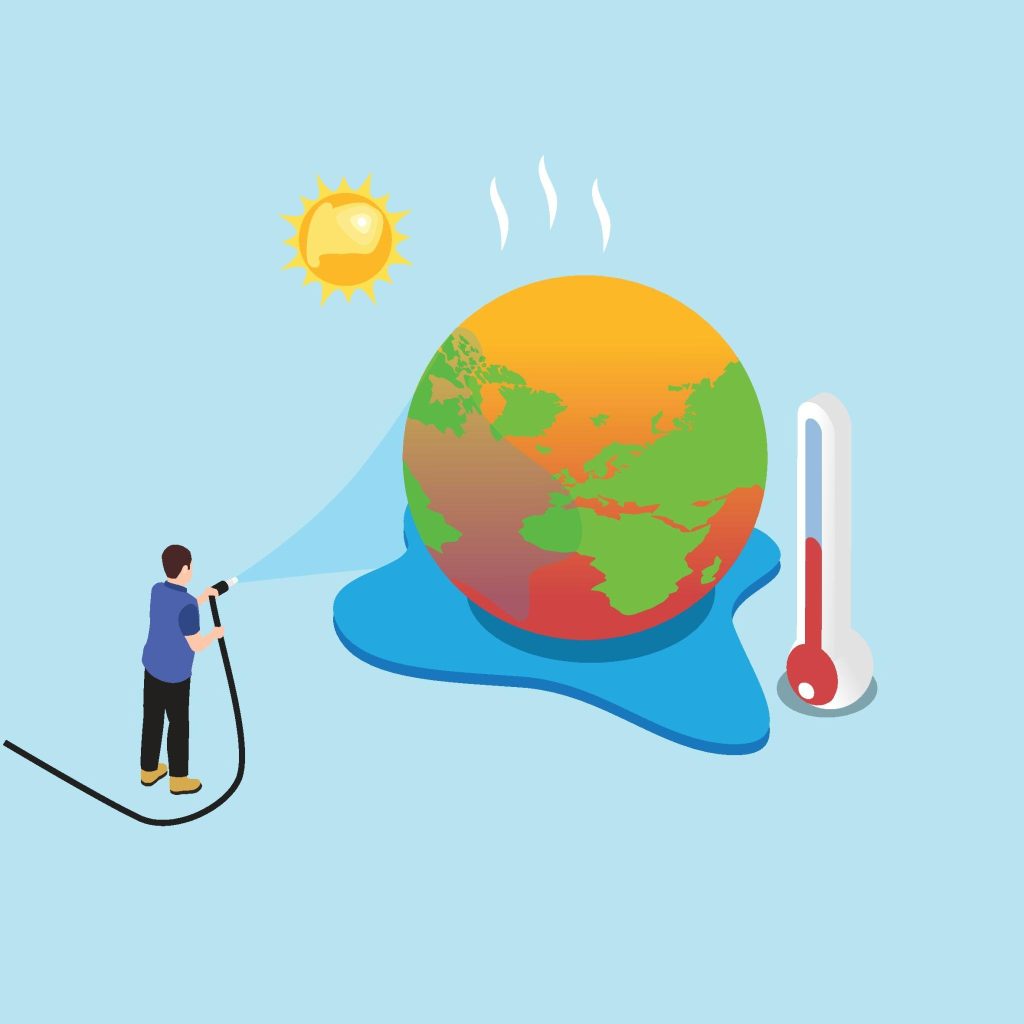
The entire goal of choosing sustainable living is to tackle the greatest environmental concern of our time: Climate Change. Every action we take leaves a carbon footprint on the planet. This traps sunlight. Sunlight heats the Earth beyond its normal capacity. And this leads to Global Warming. Over the decades, global warming has begun to shift our climate. Glaciers melt, sea levels rise, natural water bodies disappear, animals migrate to a cooler place, changes in flora and fauna happen, and this entire process disturbs the ecosystem.
How is Sustainable Living connected to Personal Growth?
The connection between sustainable living and personal growth seems distant at first. But they are related. It all depends on how you define personal growth. If you think money, fame, and an extravagant life are the signs of personal growth, then it’s a different story. But if you believe that good physical and mental health, good food, clean air and water, and a good surrounding environment are signs of personal growth, then sustainable living and personal growth are connected.
The United Nations has published a list of 17 Sustainable Development Goals, also known as SDGs. It measures how countries and organizations are performing to ensure they reduce their carbon footprint.
A recent study was conducted as part of the World Happiness Report. This study measured the link between sustainable living and well-being. The parameters for sustainable living were the 17 SDGs. The study found that in countries with better sustainable living levels, the population was happier, more fit, and had a positive outlook towards their community. Similarly, in countries with bad SDGs, their people were more prone to negative emotions such as anger, anxiety, and depression.
This shows that both developed and developing countries should focus on sustainable goals and economic prosperity. Both of them are connected. A better environment leads to better health. Better health leads to a calm mind. And a calm mind brings good decisions, which lead to economic prosperity.
How can you incorporate Sustainable Living into your lifestyle?
The good news is that sustainable living doesn’t require you to move off-grid or give up your phone. Small, deliberate choices made consistently are enough to make a real difference.
Start with what you consume. Food, water, electricity, and clothing are the four areas where most of your environmental impact quietly accumulates. Choosing local produce over imported food, switching off appliances you’re not using, opting for natural fabrics, these are not dramatic sacrifices. They are simply more conscious versions of decisions you already make every day.
Then, look at what you waste. The average household generates more waste than it realizes. A simple habit like segregating your garbage into wet and dry waste, composting kitchen scraps, or refusing single-use plastic bags can significantly cut down what ends up in a landfill.
Transportation is another option. You don’t have to sell your car. But carpooling on some days, using public transport occasionally, or even choosing to walk for short distances can add up over a year in ways that would surprise you.
The most honest way to begin, though, is to audit your current lifestyle. Ask yourself: where am I taking more than I need? Where am I being careless because it’s convenient? Sustainable living begins the moment you start asking those questions and deciding to answer them differently.
The 9 tips below will show you exactly how.
9 Tips for Sustainable Living
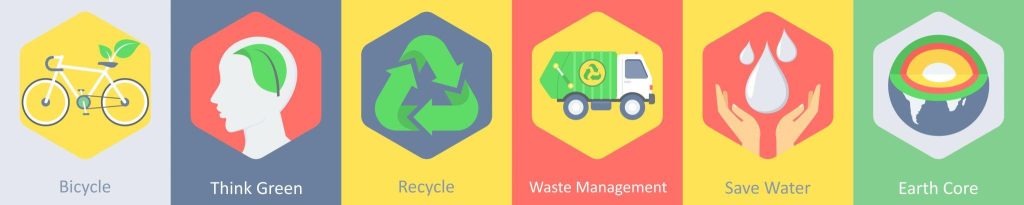
1. Use Less Water: You don’t need to stop using water. You need to stop wasting it. Fix leaking taps. Take shorter showers. Turn off the tap while brushing. Small cuts in daily water use add up to thousands of litres saved every year.
2. Start a Compost Bin: Your kitchen waste doesn’t belong in a landfill. Fruit peels, vegetable scraps, and leftover food can decompose into rich natural fertilizer. Start a compost bin at home. Your plants will thank you. So will the soil.
3. Consume Fewer Products: Before you buy something, ask one question: Do I actually need this? Overconsumption drives overproduction, which drives pollution. Buy less. Choose well. Make it last.
4. Recycle Whatever You Can: Paper, glass, metal, and plastic can all have a second life. Segregate your waste. Learn what your local recycling facility accepts. One recycled bottle may seem insignificant. A billion of them are not.
5. Buy Eco-Friendly Products: When you do buy, buy responsibly. Choose products with minimal packaging, natural ingredients, and sustainable sourcing. Every purchase is a vote for the kind of world you want to live in.
6. Exercise: This one is personal and environmental at the same time. Walk or cycle instead of driving short distances. You reduce emissions and improve your health simultaneously. Two problems, one habit.
7. Eat Natural, Organic Food: Processed food is expensive for your body and the planet. Organic farming uses no harmful pesticides, consumes less energy, and keeps soil healthy. Eating clean is not a trend. It is a return to basics.
8. Use Public Transport Whenever Possible: One bus replaces dozens of cars on the road. One metro replaces hundreds. Choosing public transport is one of the highest-impact sustainable choices an individual can make. It costs less too.
9. Ban Plastics: Plastic does not disappear. It breaks down into microplastics that enter your water, your food, and eventually your body. Carry a cloth bag. Use a steel bottle. Refuse plastic straws. The ban starts with you.
Famous Celebrities incorporating Sustainable Living into their Lifestyle
Emma Watson
Most people know Emma Watson as Hermione Granger. Fewer know her as one of Hollywood’s most committed sustainability advocates.
Watson has consistently chosen clothing made from organic or recycled materials, and her red carpet appearances regularly feature designers committed to sustainability. At the 2016 Met Gala, her gown was crafted from organic cotton, organic silk, and upcycled water bottles, a statement as much as a dress.
Her commitment goes beyond fashion. She actively supports water conservation and encourages people to reduce consumption through simple habits like taking shorter showers and fixing leaks. She uses her platform to remind millions that sustainable living is not a luxury. It is a choice and one that anyone can make.
Dia Mirza
Dia Mirza is a UN Environment Goodwill Ambassador and United Nations Secretary-General Advocate for Sustainable Development Goals. In India, that is not a title. That is a decade of consistent, on-ground work.
She carries a refillable water bottle, uses cloth shopping bags, and believes that change begins with awareness and that small, persistent actions create a large ripple effect. She chooses slow fashion over trends, prioritizing labels that work with local artisans, upcycled fabric, and sustainable manufacturing processes.
She has also advocated for water conservation through campaigns like the Jal Shakti Abhiyan and the Amrit Sarovar Mission, which works to rejuvenate ponds and lakes across rural India.
Dia Mirza doesn’t just talk about sustainable living. She has built her life around it.
Conclusion
Sustainable living is not a grand gesture. It is a series of small, deliberate choices made every single day.
You don’t have to change your entire life overnight. Start with one thing. Use less water today. Carry a cloth bag tomorrow. Say no to plastic the day after. These are not sacrifices. They are decisions that quietly build a better version of yourself and a healthier planet around you.
Remember the nine tips. Use less water. Start a compost bin. Consume fewer products. Recycle. Buy eco-friendly. Exercise. Eat organic. Use public transport. Ban plastics.
None of them is difficult. All of them matter.
The environment does not need a few people doing sustainability perfectly. It needs millions of people doing it imperfectly but consistently. You are one of those millions. And that is enough to make a difference.
Start today. The planet is waiting.
Frequently Asked Questions
Q. What is sustainable living?
A. Sustainable living means making lifestyle choices that reduce your negative impact on the environment. It involves being mindful of what you consume, what you waste, and how your daily habits affect the world around you.
Q. Why is sustainable living important?
A. Every human action leaves a carbon footprint. Unsustainable habits accelerate climate change, deplete natural resources, and disturb ecosystems. Sustainable living slows this damage down and helps restore balance between what we take from the Earth and what we give back.
Q. Is sustainable living expensive?
A. Not necessarily. Many sustainable habits actually save money. Using less water, eating local produce, avoiding single-use products, and using public transport all reduce your monthly expenses. Sustainability and affordability often go hand in hand.
Q. Can one person’s choices really make a difference?
A. Yes. Individual choices, when multiplied across millions of people, create significant change. Every product you refuse, every plastic you avoid, and every resource you conserve sends a signal — to industries, to markets, and to policymakers.
Q. How can I learn more about sustainable living?
A. A good starting point is the United Nations Sustainable Development Goals (SDGs), which outline the global framework for a sustainable future. You can also follow credible environmentalists, read books like No Impact Man by Colin Beavan, and explore platforms like WWF, Greenpeace, and UNEP for reliable, updated information.
Q. How do I get my family to adopt sustainable habits?
A. Start small and lead by example. Introduce one habit at a time rather than pushing a complete lifestyle overhaul. When people see the benefits — lower bills, better health, a cleaner home — they follow naturally.
Q. What is the easiest sustainable habit to start with?
A. Refusing single-use plastic is one of the simplest and highest-impact habits you can build. Carry a cloth bag and a reusable bottle. That one decision alone removes hundreds of plastic items from circulation every year.


