

Your grocery bill is higher than it was six months ago. Your company just announced a hiring freeze. The news is flooded with words like “oil crisis,” “inflation,” and “market crash.” You tell yourself it does not affect you, but deep down, you know it does.
A global financial crisis does not wait for you to be ready. It builds quietly in the background, and by the time most people notice it, it has already begun reshaping their lives. The ongoing US-Israel and Iran war, the disruption of global oil supply, and rising inflation across major economies are not nightmares, but problems at your doorstep.
The good news is that a recession does not have to ruin you. With the right steps taken early, you can protect your finances, your job, and your peace of mind. This article breaks down everything you need to know: what a global financial crisis is, how it will affect your daily life, and seven powerful ways to make yourself recession-proof before it is too late.
Table of Contents
What is a Recession?
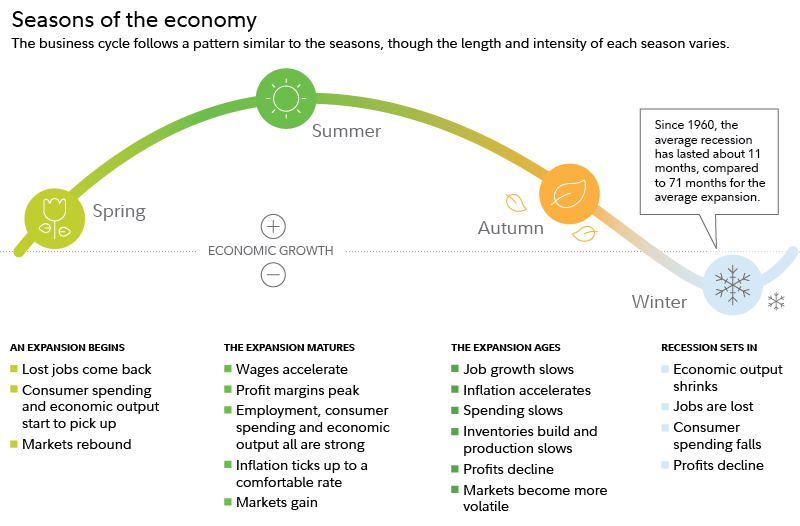
A recession is often defined as a prolonged period of economic decline. Economists use a specific rule to identify it. This rule states that if a country’s Gross Domestic Product (GDP) declines for two consecutive quarters, the country’s economy will be categorized as in a recession.
Even though economists agree that this rule is very strict and does not present a full picture of a recession, it often acts as an alert system. There are multiple other factors that economists look at to verify the economic decline of a country. Some of them are listed below:
Global Financial Crisis: Typically, any major event around the world that creates supply and demand problems in crucial industries can lead to a global recession.
Gross Domestic Product: GDP is the total market value of all finished goods and services produced in a country. A reduced value of GDP means that the economic activity is in decline, and people are apprehensive about buying products and services.
Employment: The unemployment rates begin to rise. Layoffs become more frequent. Because of a decline in economic activity, the need to generate new services also decreases, and companies start to lose clients and customers, which in turn leads to lower profits. This also means that companies cut their spending as they are not confident about the future and want to save costs.
Income: As unemployment and layoffs hit the common citizen, their purchasing power takes a massive hit. For those who have jobs, their incomes get reduced. Both of these factors trigger negative emotions such as anger and fear, which reduce the need to purchase products or services other than the necessary ones.
Manufacturing and Retail: All of these factors combined lead to lower demand for products. Combine this with layoffs and supply-demand issues, and factories start producing fewer products to stay profitable.
What is the current Global Financial Crisis?
The ongoing US-Israel and Iran war has emerged as one of the most serious global financial crisis of our time. The blocking of the Strait of Hormuz has sent shockwaves across major economies that depend on Iran for oil, natural gas, and shipping routes. With nearly 20% of the world’s oil passing through this narrow waterway, its disruption alone is enough to destabilize global energy markets.
The repeated attacks on oil infrastructure, including refineries, have exacerbated this crisis further by driving up the prices of petrol and diesel worldwide. Ordinary consumers are feeling this at fuel pumps, and businesses reliant on logistics and transportation are absorbing costs they cannot sustain for long.
Beyond energy, the involvement of the US and Israel in this war has triggered serious negative sentiment across global markets. Both nations are pioneers in technology and collectively power a significant share of the world’s IT and tech companies. This matters more than it might seem.
IT and tech are not just industries; they are the very foundations of many countries’ GDPs. India is a prime example, where millions depend on this sector for their livelihoods. Any disruption to the US or Israeli tech ecosystems creates a ripple effect and hits dependent economies hard.
Wars also accelerate inflation in ways that are difficult to reverse quickly. Countries engaged in conflict divert public funds toward defense and emergency departments, while affected countries push themselves to stabilize their supply and demand. The result is a sustained rise in the cost of goods and services that erases purchasing power across nations.
Higher inflation in multiple major economies simultaneously is a reliable indicator that a global financial crisis is already taking shape. When inflation rises unchecked, it drags down GDP growth, strains employment, and slows manufacturing: creating a chain reaction that no economy, developed or developing, is fully prepared to deal with.
How will the Global Financial Crisis affect you in the Future?
A global financial crisis rarely announces itself. You will notice it silently. You will see it in your rising grocery bills. You will feel the pressure when applying for jobs and hearing nothing. It will pinch you at the end of the month when you have no monthly savings, and you end up calling your family or friends for rent money.
The most immediate impact is inflation. As energy prices rise, the cost of food, transport, and housing follows. Your purchasing power shrinks without your income changing at all.

Employment takes the next hit. When businesses face higher costs and low demand, hiring slows, and layoffs begin. If you work in trade, manufacturing, or tech, your job security now hangs by a thread.
Investments and savings are not safe either. Stock markets react sharply to geopolitical uncertainty, and portfolios built over years can lose significant value within months.
Borrowing also becomes more expensive. Central banks raise interest rates to fight inflation, making home loans, personal loans, and credit card debt heavier burdens overnight.
This global financial crisis may feel distant today, but its consequences are already quietly working their way into your life.
7 Powerful Ways to Safeguard Yourself Against a Recession in a Global Financial Crisis
1. Save Money: Cash is king during a recession. Cut non-essential expenses immediately and redirect that money into savings. Review subscriptions, dining habits, and impulse purchases. Spend less than you earn, consistently.
2. Identify Non-Negotiable Expenses and Plan Accordingly: Separate your needs from your wants. Rent, utilities, groceries, and medicine are non-negotiable. Trim everything else where possible. A clear spending plan keeps your finances under control.
3. Create an Emergency Fund: An emergency fund is your financial safety net. Aim to save three to six months’ worth of living expenses. Keep it in a separate, easily accessible account. Do not touch it unless absolutely necessary.
4. Keep the Stock Market at an Arm’s Length: Stock markets are unpredictable during a recession. Avoid new investments until the economy stabilizes. If you already have investments, resist impulsive decisions. Stay still and let the storm pass.

5. Pay Off Loans and Reduce Debt: Debt becomes heavier when times are tough. Prioritize high-interest loans and credit card dues first. The less you owe, the more breathing room you have. A recession is easier to weather with little to no debt.
6. Diversify Your Income Sources: Never rely on a single income during a recession. Explore freelancing, part-time work, or monetizing a skill. Even a modest second income makes a big difference. Start building alternate streams before you need them.
7. Do Not Panic: Panic is the most expensive mistake you can make. Emotional decisions cause more harm than the global financial crisis itself. Stay informed, but do not let fear drive your choices. Recessions end, and those who stay calm come out stronger.
Conclusion
A global financial crisis is intimidating, but it is not the end. Here is a fact that should make you feel good. Historically, the average recession lasts only about 11 months. It feels long when you are living through it, but it is temporary. Every recession in modern history has ended, and economies have recovered.
What separates those who come out stronger from those who struggle is preparation. Save consistently, spend deliberately, reduce your debt, and do not make fear-driven decisions. The seven strategies outlined in this article are not complicated. They are simple, practical, and actionable if you start them today.
The storm will pass. Make sure you are still standing when it does.
Frequently Asked Questions
Q. What is the simplest definition of a global financial crisis?
A. A global financial crisis is a period of severe economic decline that affects multiple countries simultaneously. It is typically triggered by major disruptions in trade, energy, banking, or geopolitical stability, and leads to rising unemployment, inflation, and reduced economic growth worldwide.
Q. How long does a typical recession last?
A. On average, a recession lasts around 11 months. Some are shorter, and some stretch longer depending on the severity of the trigger and how quickly governments and central banks respond. The important thing to remember is that every recession has ended.
Q. How does the Global Financial Crisis affect common people?
A. It affects everyday life through rising prices, job losses, reduced income, expensive loans, and shrinking savings. You may not feel it all at once, but inflation and employment pressures are usually the first signs that show up in daily life.
Q. Is it safe to invest in the stock market during a recession?
A. It is generally advisable to be cautious. Markets are volatile and unpredictable during economic downturns. If you already have investments, avoid panic-selling. If you are considering new investments, wait until the economic outlook becomes clearer.
Q. How much should I have in my emergency fund?
A. Aim for at least three to six months’ worth of your essential living expenses. This includes rent, utilities, groceries, and any loan repayments. Keep this money in a separate, easily accessible account and treat it as off-limits unless a genuine emergency arises.
Q. What is the best thing I can do right now to prepare for a recession?
A. Start by reviewing your monthly expenses and cutting anything non-essential. Build or top up your emergency fund, pay down high-interest debt, and explore additional income sources. The earlier you start, the better positioned you will be.


