

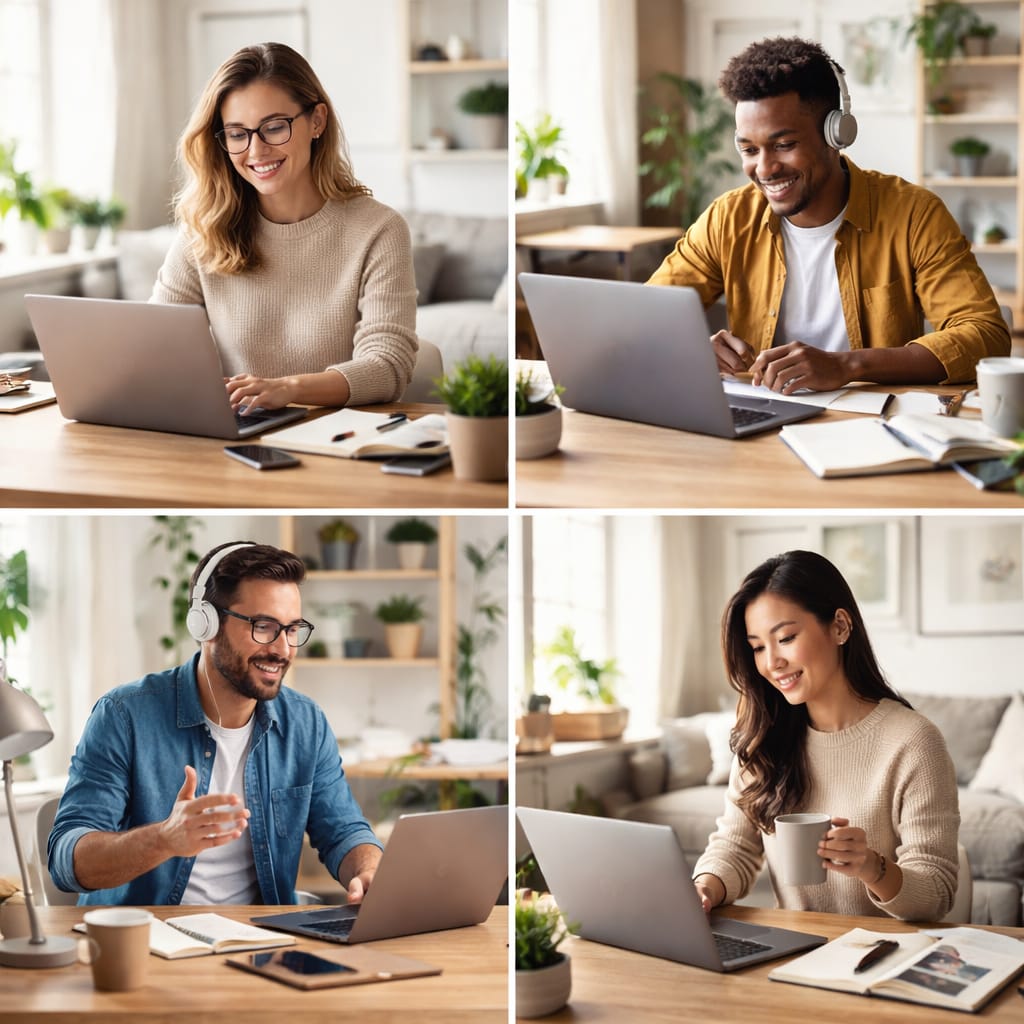
The new working culture that replaced the traditional setup to a remote location where an individual can perform their respective job duties is a massive trend in corporate life now ,that leads to reverse migration . This gained popularity during COVID 19 pandemic when people were forced to stay inside their houses and to make a living were asked to work from home which later was called remote work .
This remote culture also leads to migration of professionals from major cities to their sub urban or rural cities to stay close to their families, friends and relatives .
This gave major perks to the Employees as in flexibility and technological feasibility to them, which gave somewhat relief to employees from the strict corporate culture and made their work life easier and can increase their productivity too. The great thing about remote work culture is that it gives the employer a chance to hire great talent from around the world and increase the work efficiency in the offices .
As remote work promises great benefits to the employee and employer it also comes with challenges as employees feel great isolation as there is no one to discuss things about and often leads to depression and social anxiety making a great effect on the mental health of employees .
The past migration which induced professionals migrating to the big urban cities from rural or sub urban cities is now reversed as in reversed migration where due to remote culture people are going back to their cities migrating from the big urban cities
Table of Contents
Why migration became an escape ?
After the introduction of the remote culture , professionals got a relief from their hectic and toxic schedules and they can now avoid the expensive, overcrowded cities and lead a simpler lifestyle with their friends and families . Many of them think migration is an escape from the work-life balance as they can regain their emotional support, save time, and focus on personal well-being alongside their careers. This gives them time to work on themselves and grow.
Professionals also escaped economic pressure by relocating to lower-cost regions, where the same salary offers a better quality of life and financial stability. They can easily avoid the expensive urban cities and can invest the money for their future security . They also get to avoid the toxic environment of office politics and peer pressures which strains their physical and mental health .Which gives them personal autonomy and mental and physical well being .
Remote work allows professionals to escape forced international migration .Earlier global careers required moving abroad, dealing with visas, cultural alienation, and insecurity . Remote work gives access to global career without the mentioned issues as well as lets professionals participate in the global market trends while being in the hometown with friends and families .
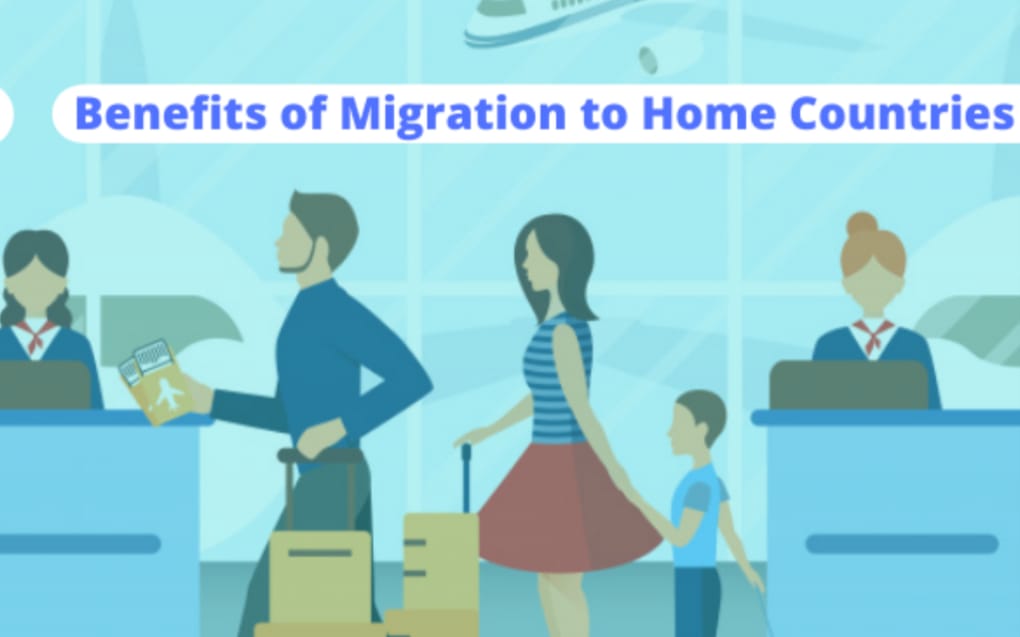
Escape with challenges
As the reverse migration comes with great perks and advantages it also comes with its challenges which makes it a difficult choice rather than a perfect solution . This escape is not without the cost .
As stated while migrating to sub-urban or rural cities due to remote culture many professionals realize that they have completely undermined the work-life boundaries which leads to excessive pressure or feel guilty for taking break, ultimately making the individual burnout or mentally fatigued . Without spatial separation between office and home, professionals may struggle to disengage from work and get frustrated due to stretchy work hours .
This escape also makes employment precarious. Remote work expands global competition, making professionals more replaceable. Contract-based roles, lack of job security, and weaker labor protections create constant uncertainty. Migration, in this sense, becomes an escape that rests on fragile economic ground. That being said, individuals also have an identity dilemma which makes the person feel suspended between global digital work cultures and local social realities making them isolated from the local economy .
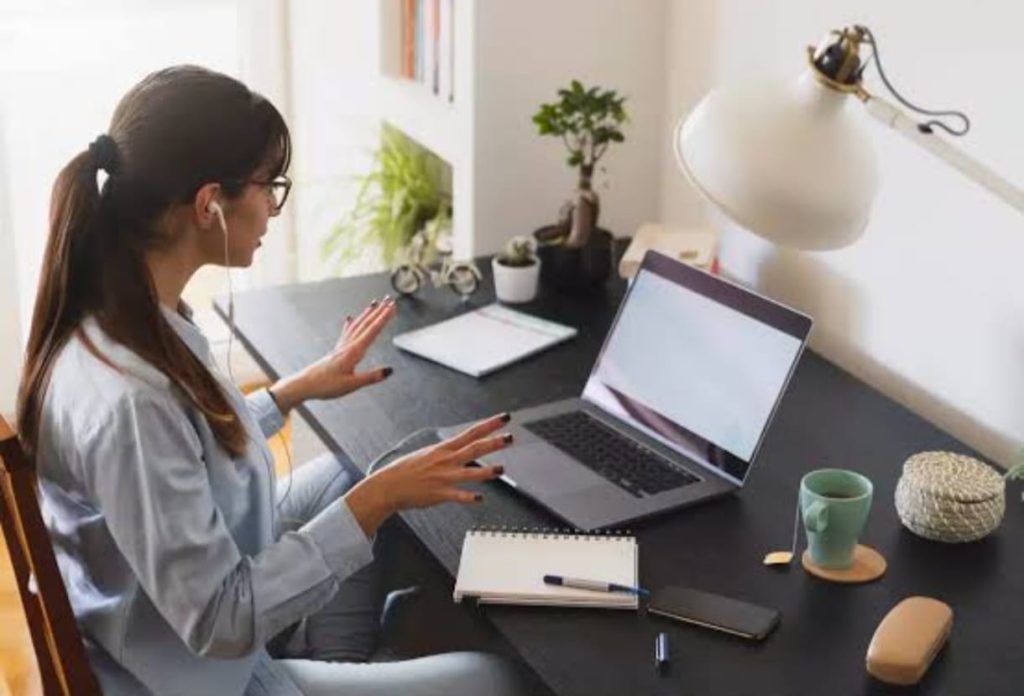
10 Tips to plan your day being a remote worker
Here are some practical and simple tips to keep you productive and active throughout the day while being a remote worker
- Start your day with a fixed morning routine , when beginning your day go with a fresh start and be consistent for time. A routine signals your brain that the workday has begun.
- Set a clear schedule for fixed work hours , create a fixed schedule for office while protecting the personal hours from clashing . Also clear when the day starts and when ends
- Create a Dedicated Workspace , create a specific work station for your respective work so no one can disturb you in your office hours .This physical boundary improves focus and reduces mental fatigue.
- Take Intentional Breaks , take short intentional breaks in order to stay focused and productive while not being mentally strained and not feeling burnout . This should refresh you and will make you more efficient .
- Control Digital Distractions , strictly condemned yourself from getting distracted on social media during office hours , this will strain you mentally and keep you unfocused . Instead stay on your schedule.
- Move Your Body Daily ,A short walk, yoga, or exercise improves concentration and reduces the physical strain of sitting all day.
- Protect Sleep and Meals, create specific blocks in your schedule for meals and rest as it is important for you to be healthy in order to be productive and stay focused . No planner can replace that .
- Create a Clear Shutdown Ritual, End your day by reviewing tasks, logging off, and closing your workspace. This helps your mind switch off from work. This will also help you to be relaxed and worry-free .
- Reflect Briefly at Night, Spend 5 minutes noting what worked and what didn’t. This improves planning for the next day. This will surely keep you on time and the day can be productive and efficient .
- Stay Social (Intentionally) , Schedule check-ins with colleagues or friends. Remote work can be isolating, so plan human connection. Which can keep you updated.
changes seen in the pattern of migration
As the remote culture grows rapidly the pattern in migration seems to change . While people are migrating from the urban cities still there are a huge number of people who are migrating into urban cities for better job opportunities .
This changes the ratio of people who come and go. henceforth the charm and dream which these large urban cities hold do not get destroyed but keep it alive the image, the presence and the future of those peoples .
In the long run, migration driven by remote work can reshape urban planning, housing markets, and labor laws. Cities may need to reinvent themselves, while smaller towns must upgrade infrastructure to sustain incoming populations.

Aftermath
Though migration brings peace and stability while also dealing with uncertainty and imbalance . We need to plan in accordance with our work schedules in order to stay active and productive ,restraining us from getting burnout or mentally drained while struggling to create the balance in between work and personal life .
Moving back to the hometown feels refreshing and gives space for personal growth . It is important for an individual to take care of themselves while maintaining the work life as it blurs the boundaries of a person though keeping them in utter isolation making them socially inactive.
How has remote work changed the relationship between employment and location
Remote work has changed the relationship between employment and location by separating jobs from physical workplaces. Earlier, people had to move to cities where offices were located, making migration necessary for employment. With remote work, professionals can work from anywhere with internet access, allowing them to choose their place of living based on comfort, cost, and quality of life rather than job location. This has turned migration into a choice instead of a compulsion.
In what ways does reverse migration reshape small towns and semi-urban areas?
Reverse migration reshapes small towns and semi-urban areas in very everyday, human ways. When professionals move back, towns feel more alive—local shops get more customers, cafés open up, and people have steadier incomes. Better internet, workspaces, and services slowly become a necessity, not a luxury. At the same time, families reconnect and communities grow stronger, as people spend more time at home rather than in distant cities. However, this change also brings adjustments, as traditional lifestyles mix with new work habits and ideas. Overall, reverse migration quietly transforms these places into spaces of renewed opportunity and belonging.
Are remote workers more vulnerable to job insecurity in a global labor market?
Yes, remote workers can be more vulnerable to job insecurity in a global labor market. Since companies can hire talent from anywhere, employees face greater competition and may be easily replaced by cheaper or equally skilled professionals. Many remote roles are contract-based with fewer benefits, and being physically distant can reduce visibility for promotions. While opportunities are wider, the risk of instability is higher for some remote workers.
Why is migration increasingly seen as a form of escape for professionals?
Migration is increasingly seen as a form of escape for professionals because it offers relief from economic pressure, urban stress, and rigid work cultures. Rising living costs, long commutes, burnout, and limited work–life balance push professionals to leave cities or traditional office setups. With remote and flexible work, migration allows them to escape unsustainable lifestyles while maintaining careers, prioritizing mental well-being, family life, and personal autonomy over location-bound success.
Can remote work create a more balanced distribution of opportunities across regions?
Yes, remote work can create a more balanced distribution of opportunities across regions by allowing people in smaller towns and semi-urban areas to access jobs once limited to big cities. It reduces forced migration and brings income and skills to underserved regions. However, this balance depends on strong digital infrastructure and access to education, without which inequalities may continue.


