

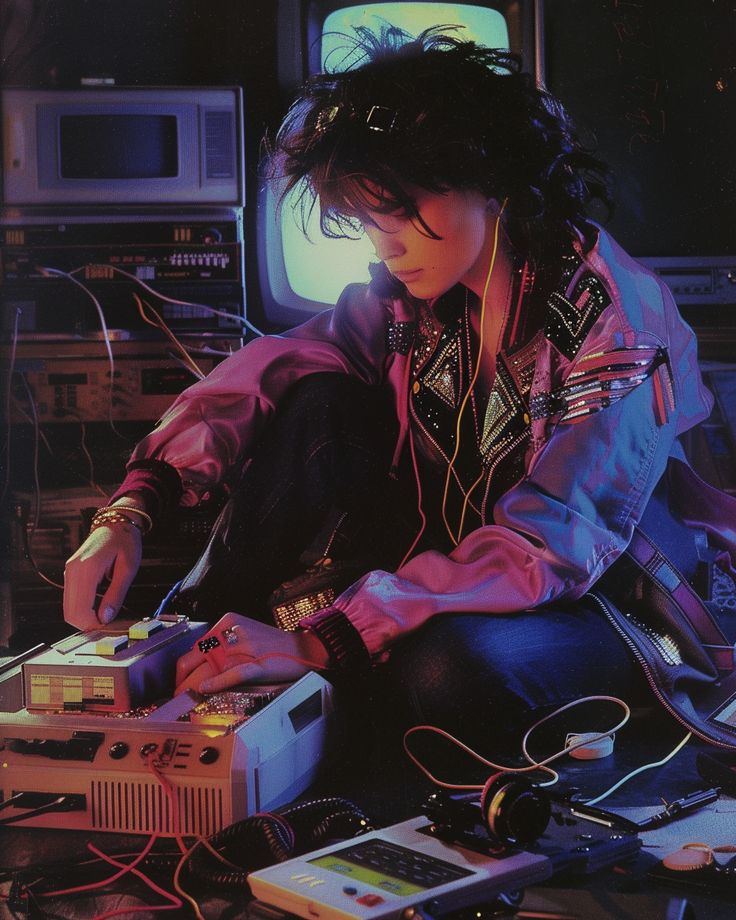
Music has always been more than just sound—it is emotion, identity, and culture wrapped into rhythm and lyrics. From the electrifying beats of the 1980s to the hyper-personalized playlists of Gen Z, music taste has undergone a dramatic transformation. What once depended on radio stations and cassette tapes has now become an algorithm-driven, on-demand experience. This evolution is not just about technology but also about how generations express themselves, connect with others, and define their individuality through music.
Table of Contents
The 80s Era: When Music Was a Shared Cultural Experience
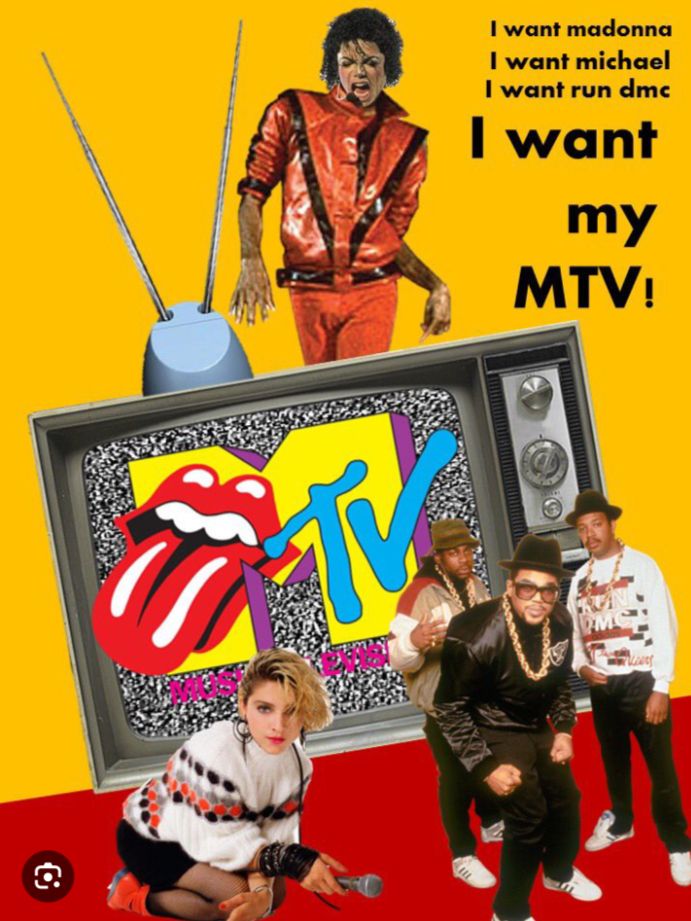
The 1980s was a golden age of music, marked by iconic artists and a sense of collective listening. Names like Michael Jackson and Madonna dominated global charts, creating songs that became cultural milestones. Music was not just heard; it was experienced through vinyl records, cassette tapes, and the revolutionary influence of MTV.
During this time, music taste was largely shaped by what was available on television and radio. Families often gathered around a single device, making music a shared experience. Genres like pop, rock, and disco flourished, and the idea of “mainstream” music truly meant something. The limitation of access actually created a stronger sense of unity, as millions of people listened to the same songs at the same time.
The 90s and Early 2000s: The Rise of Personal Choice
As the world moved into the 1990s and early 2000s, music consumption began to shift. The introduction of CDs and portable players gave listeners more control over what they could listen to and when. Artists like Britney Spears and Eminem became defining voices of this era, appealing to diverse audiences and expanding the boundaries of mainstream music.
This period also saw the rise of the internet, which slowly started to change how people discovered music. File-sharing platforms and early digital downloads allowed users to explore songs beyond what radio stations offered. Music taste became more individualized, and people began to build their own collections instead of relying solely on curated broadcasts.
The Digital Revolution: Music Goes Online
The real turning point came with the digital revolution in the late 2000s. Platforms like Spotify and YouTube completely transformed the music landscape. Suddenly, listeners had access to millions of songs at their fingertips.
This shift democratized music in an unprecedented way. Independent artists could now reach global audiences without the backing of major record labels. Genres began to blur, and listeners were no longer confined to a single style. A person could move from classical music to hip-hop within seconds, creating a listening experience that was both diverse and dynamic.
The digital revolution also introduced algorithms that analyze listening habits and suggest new songs. While this made discovery easier, it also subtly influenced music taste by guiding listeners toward certain trends and artists.’
Gen Z and the Playlist Culture
For Gen Z, music is not just about albums or artists—it is about playlists. Platforms like Spotify and Apple Music have made it possible to create highly personalized collections of songs that reflect moods, moments, and identities.
Unlike previous generations, Gen Z does not feel the need to stick to one genre. A single playlist might include pop, indie, rap, K-pop, and even lo-fi beats. Artists like Billie Eilish and BTS represent this era of genre fluidity and global influence.
Social media platforms have also played a crucial role in shaping music taste. Viral trends on apps like TikTok can turn unknown songs into global hits overnight. Music discovery has become faster, more visual, and deeply intertwined with online culture.
The Role of Technology in Shaping Music Taste
Technology has been the driving force behind the evolution of music taste. In the 80s, access was limited, and choices were fewer. Today, technology offers unlimited access, but with it comes an overwhelming number of options.
Streaming services use data to predict what listeners might enjoy, creating a personalized yet somewhat controlled experience. While this has made music more accessible, it has also raised questions about whether algorithms are shaping taste more than individual choice.
At the same time, advancements in production technology have made it easier for anyone to create music. This has led to an explosion of new genres and subcultures, giving listeners more variety than ever before.
Nostalgia vs. Modern Trends
Interestingly, despite all these changes, nostalgia remains a powerful force. Many Gen Z listeners are rediscovering 80s and 90s music, drawn to its authenticity and timeless appeal. Songs by artists like Queen continue to resonate across generations.
This blending of old and new highlights how music taste is not linear but cyclical. While technology changes the way we listen, the emotional connection to music remains constant. Nostalgia bridges the gap between generations, proving that great music never truly goes out of style.
Globalization and Cultural Exchange
Another significant factor in the evolution of music taste is globalization. In the past, music was often limited by geographical boundaries. Today, listeners can easily explore sounds from different parts of the world.
The global success of artists like BTS shows how language is no longer a barrier. Similarly, regional music styles are gaining international recognition, creating a more inclusive and diverse music landscape.
This cultural exchange has enriched music taste, allowing listeners to appreciate different traditions and styles. It has also encouraged artists to experiment and collaborate across borders, resulting in innovative and unique sounds.
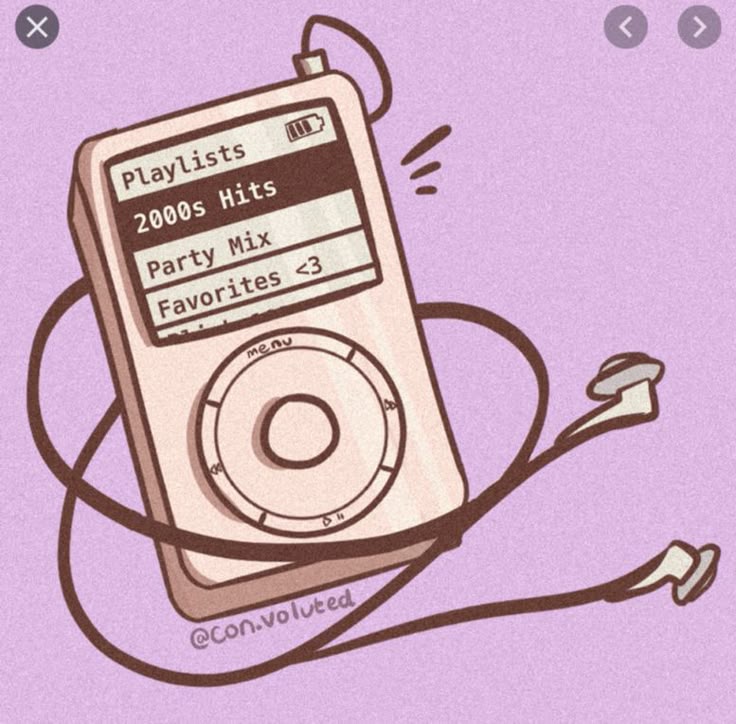
The Emotional Connection Across Generations
Despite the drastic changes in how music is consumed, one thing remains constant—the emotional connection. Whether it is a cassette tape from the 80s or a curated playlist on a smartphone, music continues to evoke feelings and memories.
For older generations, music often represents nostalgia and shared experiences. For Gen Z, it is a tool for self-expression and identity. While the methods of consumption have changed, the purpose of music has remained the same.
Conclusion: A Journey Through Sound and Time
The evolution of music taste from the 80s to Gen Z is a fascinating journey shaped by technology, culture, and individual expression. From the communal listening experiences of the past to the highly personalized playlists of today, music has adapted to the needs and preferences of each generation.
Yet, at its core, music remains a universal language that connects people across time and space. As technology continues to evolve, so will music taste, but the emotional power of music will always remain unchanged. The transition from nostalgia to modern playlists is not just a shift in preference—it is a reflection of how society itself has transformed.
How did listening habits change from the 1980s to today?
Listening habits have transformed dramatically over the decades, shifting from limited and shared experiences to highly personalized and on-demand access. In the 1980s, people depended heavily on radio stations, cassette tapes, and television channels like MTV, which meant audiences often consumed the same songs at the same time. This created a collective cultural experience where hit tracks became universally recognized. Today, however, digital platforms such as Spotify and YouTube allow users to explore millions of tracks instantly. This shift has given listeners complete control over what they hear, when they hear it, and how often, making the experience more individualized and flexible than ever before.
Why is Gen Z more inclined toward playlists rather than albums?
Gen Z prefers playlists because they align with their fast-paced and mood-driven lifestyle. Instead of committing to a full album by one artist, they enjoy curating collections of songs that match specific feelings, activities, or moments. Platforms like Spotify and Apple Music have made playlist creation effortless, encouraging users to mix Taste and artists freely. This approach reflects a shift toward personalization and flexibility, where listeners can switch between different vibes instantly. It also allows for greater diversity in what they consume, as a single playlist can include multiple styles, languages, and cultural influences.
How is social media shaping modern music taste?
Social media has become a powerful force in shaping modern music taste, especially among younger audiences. Platforms like TikTok can turn unknown tracks into global sensations within days. Short-form videos often highlight catchy segments of songs, making them instantly recognizable and shareable. This has changed how artists create and promote their work, often focusing on moments that can go viral. As a result, music taste is now heavily influenced by online culture, where popularity can rise and fall rapidly based on trends and engagement.
What remains unchanged despite all these changes over time?
Despite the many transformations in technology and consumption patterns, the emotional connection to sound remains unchanged. Whether it was listening to a cassette in the 80s or streaming a playlist today, the core purpose has always been to evoke feelings and create memories. Songs continue to serve as a form of expression, comfort, and connection across all generations. While the methods of access and discovery have evolved, the ability of sound to bring people together and reflect human experiences has stayed constant, making it a timeless and universal form of art.
Why are older songs influencing modern music taste again?
Older songs are significantly influencing modern music taste due to a mix of nostalgia, authenticity, and digital exposure. Social media platforms like TikTok often revive classic tracks by using them in viral trends, introducing them to a new generation. Additionally, timeless artists such as Queen continue to resonate because their work carries emotional depth and universal themes. Many younger listeners are drawn to the rawness and originality of earlier eras, which reshapes their music taste and broadens their appreciation for different styles.


[…] the music industry can be challenging, especially for new and independent artists. Creating great music is only the first step. Today, artists also need to know how to promote their music, connect with […]