


India is once again preparing for a scorching summer. Weather forecasts and early climate signals suggest that 2026 may experience above-normal temperatures and more heatwave days than usual across several regions of the country. From northern plains to southern cities, rising temperatures are already becoming noticeable earlier in the year.
Heatwaves are not new to India, but their frequency, duration, and intensity are increasing. Scientists, meteorologists, and climate experts warn that multiple environmental and human-driven factors are contributing to these extreme conditions. Understanding what is causing these rising temperatures is essential for preparing for future summers and protecting communities from the growing risks of heat-related disasters.
This article explores the causes behind India’s extreme heatwaves in 2026, the scientific factors driving them, and why the country is becoming increasingly vulnerable to dangerous summer temperatures.
Table of Contents
Understanding Heatwaves in India
A heatwave refers to a prolonged period of abnormally high temperatures, typically occurring during the summer months before the arrival of the monsoon. In India, heatwaves usually develop between March and June, when dry weather, intense solar radiation, and atmospheric conditions combine to raise temperatures significantly above the seasonal average.
According to meteorological standards, a heatwave is declared when temperatures rise significantly above normal levels, often crossing 40°C in plains or higher thresholds depending on regional climate conditions. These extreme heat events are often described as “silent disasters” because they build gradually yet can cause severe impacts on health, agriculture, water resources, and infrastructure.
Recent decades have seen a noticeable rise in heatwave events across India. Research shows that the frequency and severity of heatwaves have increased significantly over the last 30 years, highlighting a clear shift in the country’s climate patterns.
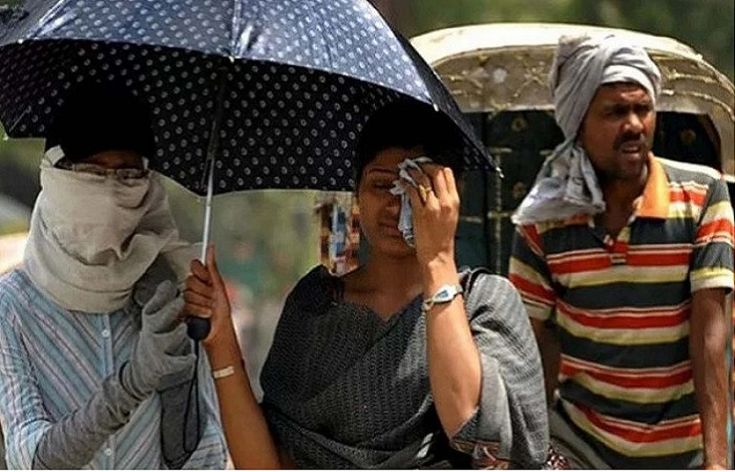
Early Signs of an Intense Summer in 2026
Early reports and weather observations suggest that India may face a hotter-than-normal summer in 2026. Meteorological forecasts indicate that temperatures during the March–May period are expected to remain above average across many regions of the country.
Some cities have already experienced unusual heat conditions early in the year. For instance, temperatures in parts of India have climbed close to 40°C even before peak summer, indicating the possibility of prolonged heatwave spells in the coming months.
In addition to rising temperatures, some regions have also reported extremely high ultraviolet (UV) radiation levels, increasing the health risks associated with sun exposure.
These early warnings suggest that the summer of 2026 may resemble some of the most intense heatwave years in recent history, raising concerns among climate experts and policymakers.
Climate Change: The Primary Driver of Rising Heat
One of the most significant causes behind the increasing heatwaves in India is global climate change. As greenhouse gas emissions continue to rise worldwide, average global temperatures are increasing, which directly influences regional climates.
Scientific studies indicate that Asia is warming faster than the global average, leading to more frequent and intense heat events across the region.
In India specifically, the average temperature has risen by more than 2°C compared to historical levels, which is higher than the global average warming trend.
Climate scientists have also found that human-induced climate change has made extreme heatwaves far more likely, increasing their probability by several times in South Asia.
This warming trend means that summers are starting earlier, lasting longer, and reaching higher temperature peaks than in the past.
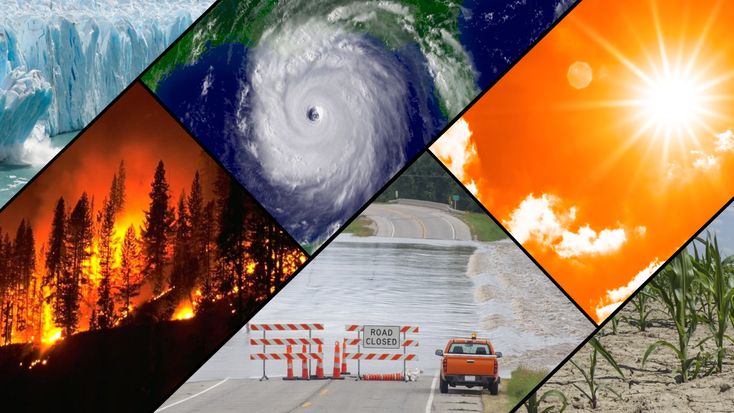
High Pressure Systems and Atmospheric Patterns
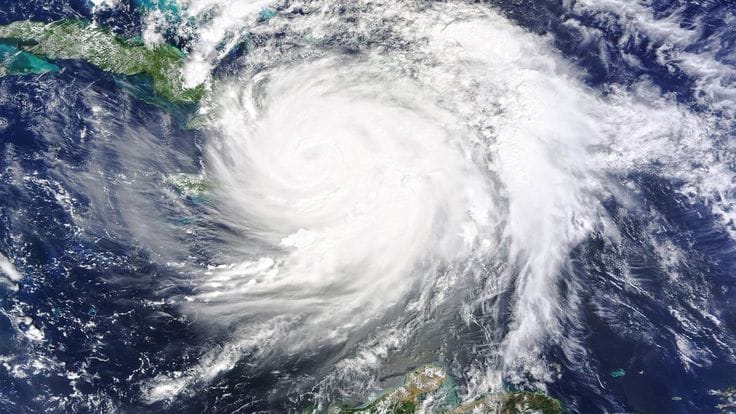
Another key factor behind extreme heatwaves is the presence of persistent high-pressure systems in the atmosphere.
These high-pressure zones trap warm air close to the Earth’s surface, preventing cooler air from circulating and creating stagnant weather conditions. When this happens, heat builds up over a region for several days or even weeks, leading to prolonged heatwaves.
Meteorological patterns such as anticyclones can intensify these conditions. For example, an anticyclonic system over western India can push hot, dry winds toward neighboring regions, significantly raising temperatures.
These atmospheric patterns are often responsible for the sudden spikes in temperature during peak summer months.
The Influence of El Niño and Ocean Temperatures
Large-scale oceanic climate phenomena also play a crucial role in shaping India’s summer temperatures.
One of the most influential factors is El Niño, a periodic warming of the Pacific Ocean that affects global weather patterns. During or after an El Niño event, India often experiences higher temperatures and increased heatwave activity.
El Niño influences atmospheric circulation patterns, reducing rainfall and increasing dryness over the Indian subcontinent. As soil moisture decreases and clouds become less frequent, sunlight heats the land surface more intensely.
This process creates the perfect conditions for extended periods of extreme heat.
Urban Heat Island Effect in Growing Cities
Rapid urbanization has also contributed significantly to rising temperatures in Indian cities.
The urban heat island effect occurs when cities become significantly warmer than surrounding rural areas. Buildings, roads, and concrete surfaces absorb and store heat during the day and release it slowly at night, preventing temperatures from dropping.
Large metropolitan areas such as Delhi, Mumbai, and Bengaluru often experience this effect strongly due to dense infrastructure and limited green spaces.
Urban expansion also reduces natural vegetation, which normally helps cool the environment through shade and evaporation. As a result, cities become heat traps, intensifying the effects of heatwaves.
Deforestation and Land Use Changes
Another major factor behind extreme heat is deforestation and changes in land use.
Forests and vegetation play a vital role in regulating temperature. They absorb sunlight, release moisture into the air, and provide natural cooling through evapotranspiration.
However, large-scale deforestation and agricultural expansion have reduced forest cover in many regions. Land-use changes also increase surface temperatures by replacing natural landscapes with bare soil or built-up areas.
Additionally, activities such as burning fossil fuels, biomass burning, and industrial emissions release greenhouse gases that further warm the atmosphere.
These environmental changes amplify the intensity of heatwaves across the country.
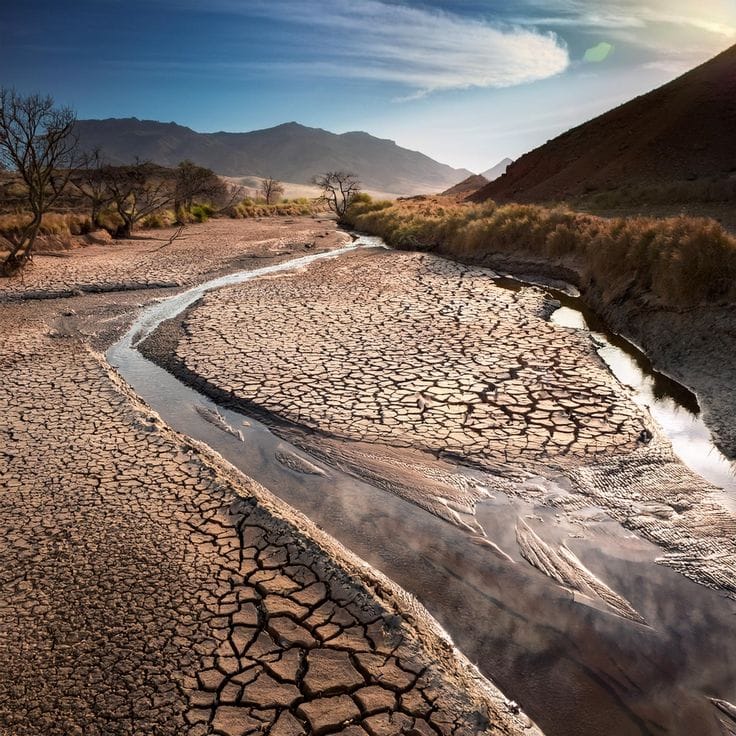
Soil Moisture Loss and Drought Conditions
Heatwaves are closely linked with dry soil and drought conditions.
When soil moisture levels are low, less water evaporates from the ground into the atmosphere. This reduces the natural cooling effect that evaporation provides, allowing surface temperatures to rise more quickly.
Research suggests that low soil moisture conditions weeks before a heatwave can significantly increase its intensity, especially in northern and central India.
This feedback loop between dry soil and rising temperatures makes heatwaves more severe and longer-lasting.
Rising Night-Time Temperatures
Another emerging concern in India’s heatwave patterns is the increase in night-time temperatures.
Traditionally, temperatures would drop significantly after sunset, allowing people and ecosystems to recover from daytime heat. However, in recent years, many regions have experienced warmer nights, which prevents the body from cooling down.
This phenomenon increases the risk of heat stress, dehydration, and heatstroke, especially among vulnerable populations such as elderly individuals, outdoor workers, and children.
Rising night temperatures also place additional pressure on electricity demand as more people rely on cooling systems.

Impact of Heatwaves on Society and Economy
The growing intensity of heatwaves has serious implications for India’s population and economy.
Extreme heat affects public health, agriculture, water supply, and energy demand. Heatwaves can lead to dehydration, heat exhaustion, and even death if proper precautions are not taken.
Agriculture is particularly vulnerable. Crops like wheat and pulses require relatively cool conditions during certain growth stages, and rising temperatures can reduce crop yields and threaten food security.
Urban infrastructure is also affected, as higher temperatures increase electricity consumption and strain power grids.
These impacts highlight the urgent need for heat action plans and climate adaptation strategies across the country.
The Future of Heatwaves in India
Climate models suggest that heatwaves will likely become more frequent and intense in the coming decades if global warming continues at the current pace.
Studies indicate that future warming scenarios could dramatically increase the number of extreme heat days across South Asia, making heatwaves a regular part of the climate rather than rare events.
As temperatures continue to rise, experts emphasize the importance of climate mitigation, urban planning, and public awareness to reduce the risks associated with extreme heat.
Conclusion
Heatwaves in India are becoming more intense due to a combination of climate change, atmospheric patterns, urbanization, deforestation, and changing ocean conditions. The early signs of extreme heat in 2026 suggest that the country may face another challenging summer.
While heatwaves are natural weather events, human activities have significantly amplified their severity. Rising greenhouse gas emissions, expanding cities, and environmental degradation are all contributing to hotter and longer summers.
Addressing this growing challenge will require strong climate action, sustainable urban development, and effective heat management strategies. Only through collective efforts can India reduce the risks of extreme heat and protect millions of people from the dangers of future heatwaves.
What are Heatwaves in India?
Heatwaves in India refer to prolonged periods of extremely high temperatures, usually occurring between March and June before the monsoon arrives. These conditions are declared when temperatures rise significantly above normal levels for a region and last for several consecutive days.
Why are heatwaves in India becoming more frequent?
Heatwaves in India are becoming more frequent mainly due to climate change, rising greenhouse gas emissions, rapid urbanization, and deforestation. These factors increase overall temperatures and create conditions that make extreme heat events more common and intense.
Which regions are most affected by heatwaves in India?
Northern, central, and northwestern regions are most affected by heatwaves in India. States such as Rajasthan, Uttar Pradesh, Delhi, Madhya Pradesh, and parts of Maharashtra often experience the highest temperatures during peak summer months.
When do heatwaves in India usually occur?
Heatwaves in India typically occur between March and June, before the arrival of the southwest monsoon. The peak heatwave period usually falls in April and May, when dry weather and strong sunlight push temperatures above normal levels.
How do heatwaves in India impact public health?
Heatwaves in India can cause serious health problems such as dehydration, heat exhaustion, and heatstroke. Vulnerable groups including elderly people, children, and outdoor workers face the highest risks during prolonged periods of extreme heat.


