

Introduction
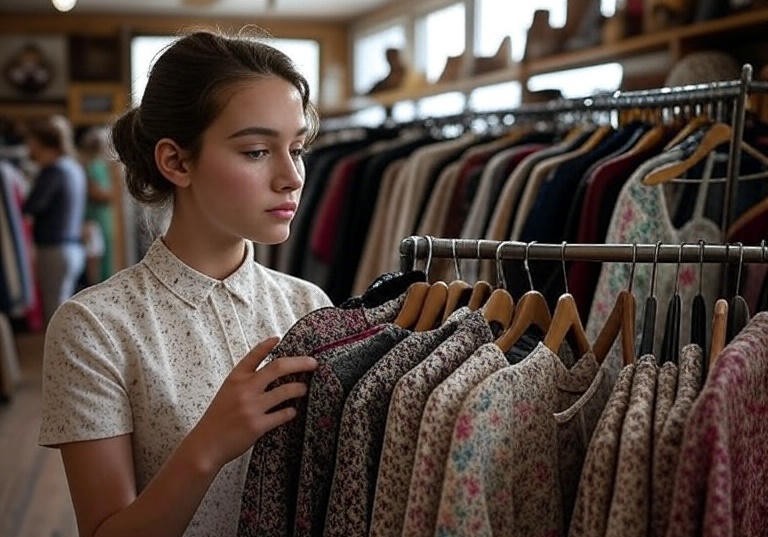
Over the past few years, an impressive shift is taking place in the global fashion landscape. Consumer behavior—especially among younger generations—is beginning to reject the increased pace and accessibility of repeated fast fashion cycles and creating more conscious choices. Thrift culture—which has previously been considered a niche or being budget conscious—has now become a mainstream lifestyle choice, and additionally upcycling and slow fashion movements are changing the way we make, purchase, and value clothing.
This change is not limited to individual fashion choices—it is a cultural act of rebellion against the constructs of overproduction, overconsumption, and climate degradation in the current climate crisis. Thrift culture is change that still looks good, and can be ethical, sustainable, and soulful.
Understanding Thrift Culture
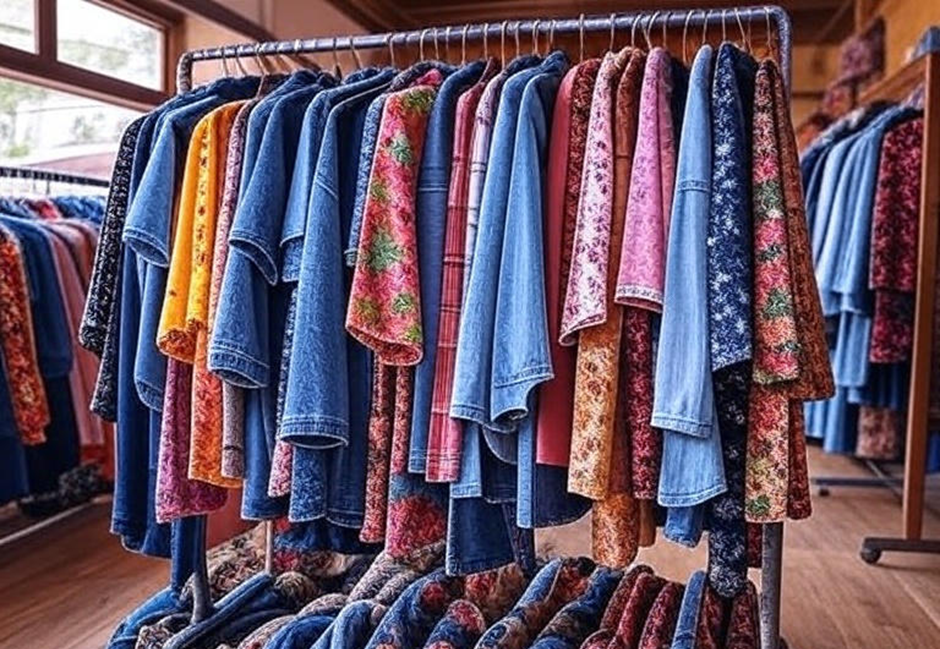
In essence, thrift culture involves the purchasing of second-hand or pre-owned clothing at a thrift store, flea market, charity shop, or online resale site. The stigma of necessity has shifted into a choice. Young consumers (especially those in Gen Z and Millennials) now view thrift shopping as:
- A way to lessen waste and fight the negative effects of fast fashion
- A way to find unique and vintage items that cannot be found with “niche” retailers
- A way to practice self expression through clothing while resisting mass trends in style or taste
Social media outlets like Instagram, TikTok, and Pinterest have driven this change. With influencers continually showcasing thrift hauls and styling tips, thrift culture has become highly aspirational and trendy, rather than simply being a cost-effective alternative.

The Environmental Case for Thrift Culture
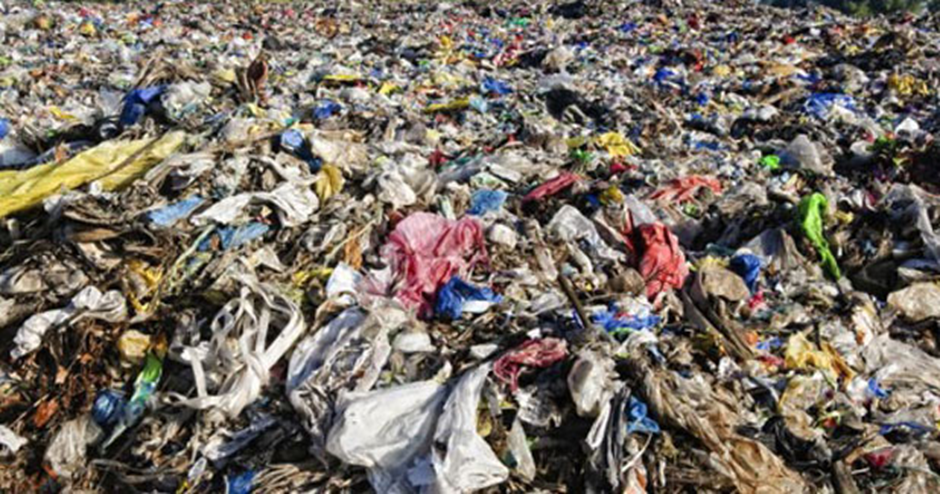
The increase of thrift culture is closely tied to environmental activism. The fast fashion industry has considerable effects on carbon production and is responsible for generating huge amounts of textile waste while polluting waters. According to the UN Environment Programme, the fashion industry contributes to the following estimates: it is responsible for 10% of global carbon emissions and consumption of water only after agriculture.
Thrift should extend the life cycle of clothing with renewed use, and therefore new production is lowered and consumption patterns are slowed. For each secondhand garment purchased, there is one less item produced new. Meaning less raw material extracted, less energy consumed, and less landfill waste. Many environmentally concerned consumers view thrift culture as their form of activism—small everyday behaviors that ultimately oppose the unmanageable speed of fast fashion.
The Rise of Upcycling
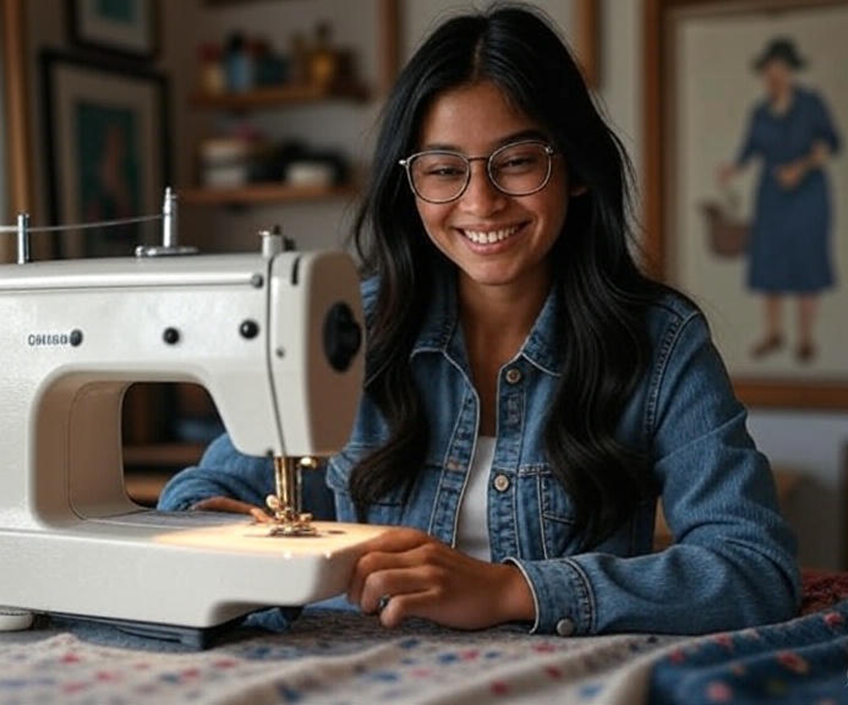
In conjunction with thrift culture, the upcycling movement has grown as a creative response to the problem of textile waste. Upcycling is not recycling, which typically involves breaking materials down to make something new, but a process that transforms old garments into a new and better version without destroying the original materials.
Designers, students, and people around the world are cutting, sewing, painting, repurposing, and envisioning old clothing to create new bold and original pieces.
This process:
- Reduces textile waste.
- Encourages creativity and craftsmanship.
- Makes fashion even more personal and self-expressive.
The practice of upcycling has spurred the creation of small independent labels that are becoming popular and thrive on one-of-a-kind collections, whether because of changing consumer habits or a better awareness of the waste it reduces. Many of these brands even source their materials from thrift culture pipelines; they will buy vintage items and rework them into new garments.
Slow Fashion
Thrift culture is focused on using what is already in existence as companies apply the principles of slow fashion to consider how new clothing is produced and consumed. Slow fashion highlights:
- Quality over quantity
- Ethical production standards
- Material sourcing primarily from local manufacturers
- Timeless design over seasonal trends
In slow fashion, companies offer fewer collections per year, emphasizing durable styles, and many of them choose to create smaller production runs. Doing slow fashion is an active opposition to fast fashion that is designed to propel consumers into impulsive purchasing on a more frequent basis, encouraging buying, using, and thereby disposing of garments much more quickly.
Many consumers of thrift culture and slow fashion are combining their habits of dressing into sustainable and enduring wardrobes.
Thrift Culture as a Growing Economy
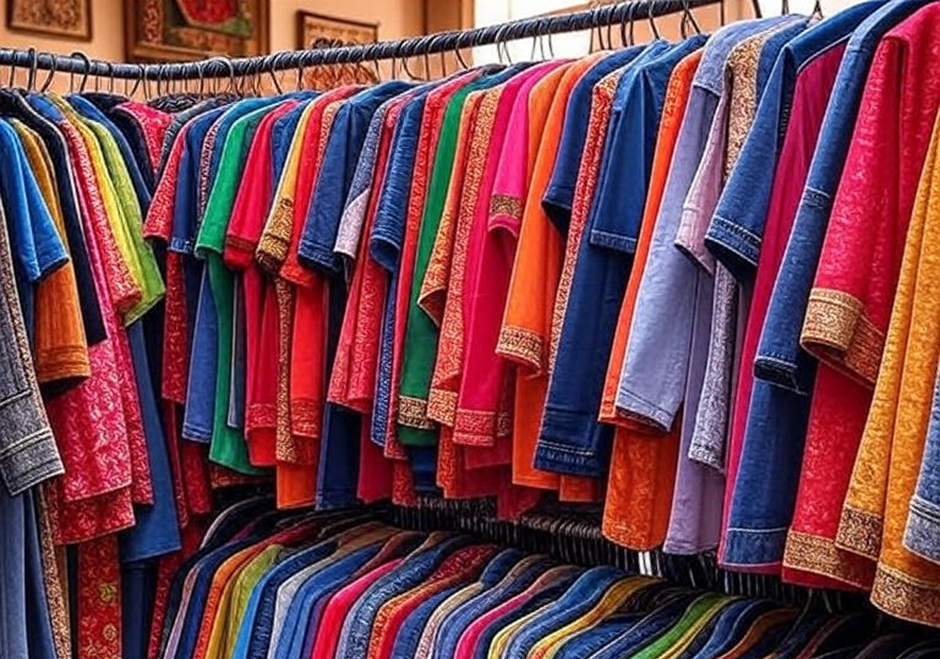
The thrift culture is not simply an ethical one; it has also become a large and burgeoning industry. For example, the global market for second-hand clothing is estimated to reach $350 billion by 2027 (source: ThredUp Resale Report). More and more sites are emerging in India, such as OLX, Relove, Vintage Laundry, and Instagram thrift stores, appealing especially to urban young people who are both budget-savvy and environmentally conscious.
Even luxury chic brands have entered the resale market. Some luxury brands, including Gucci and Levi’s, have created official resale programs of their own, indicating that thrift culture has entered the mainstream economy rather than being situated on the fringes.
The Cultural and Emotional Value of Thrift Culture
One of the most powerful elements of thrift culture is its emotional and cultural significance. Thrifted clothing often comes with a narrative or history—they are more than just objects; they are memories that have been shared, found, and brought back to life. Wearing something different from another time cultivates connection and creativity, as well as individuality.
This emotional aspect is especially appealing to Gen Z, who prefer storytelling and originality over mass production and trends. Thrift culture changes fashion from a disposable material culture into something to be valued and treasured.
Social Media’s Role in Popularizing Thrift Culture
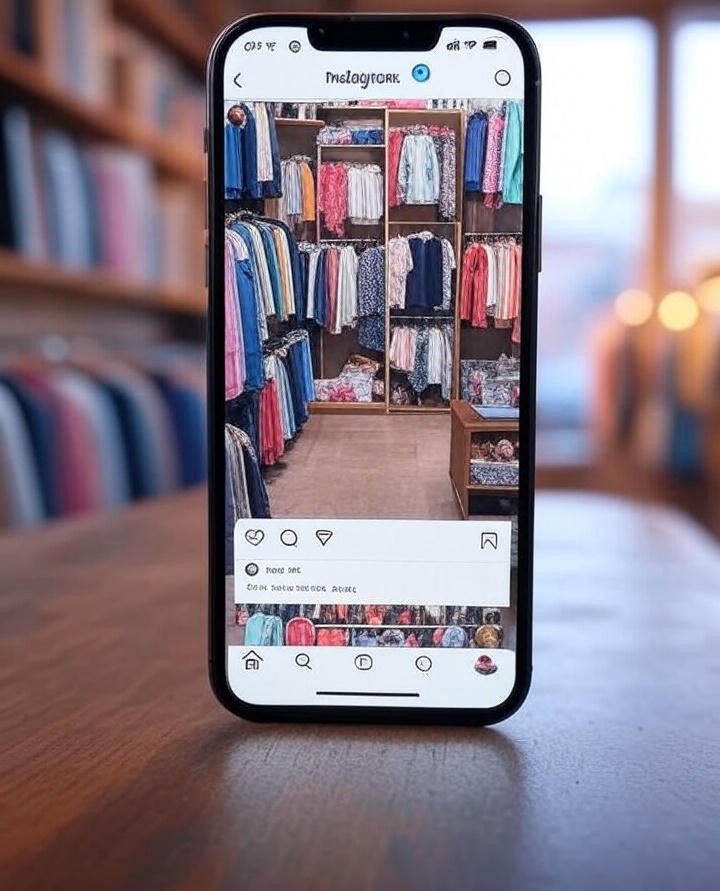
Social media has been the biggest contributor to making thrift culture a cultural phenomenon. It is easy to access quality content daily on platforms like TikTok or Instagram that feature:
- thrift hauls and styling videos
- upcycle DIY videos
- the challenge “no new clothes”
These are not only entertaining but also very educational, since many people are inspired to shop with sustainability in mind. Many small thrift businesses created accounts on Instagram during pandemic times, and now they are serving thousands of customers every month.
This platform has given has allowed a community to form globally around thrift shopping, combining style, sustainability, and social responsibility into the community.
The Future of Fashion
In the future, thrift culture is likely to expand even faster due to climate anxiety and economic worries among younger generations. Possible fashion models may look like this:
- Major brands partnering with thrift and resale businesses.
- Upcycling studios as common as tailoring shops.
- Slow fashion brands adopting resale loops to lengthen product life.
An integrated and circular approach to fashion where nothing is wasted and style is maintained without damaging the planet. Thrift culture, upcycling and slow fashion allow for fashion to be desirable without being destructive.
Conclusion:
Thrift culture is not an arbitrary fad, it is a cultural and ethical movement. It is asking us to choose creativity instead of consumerism, quality instead of quantity, and planet over profit. Thrift culture, when coupled with upcycled fabrics and slow fashion, has visualized a future in clothing that is stylish, sustainable, and soulful.
Fashion does not need to be fast anymore. Thrift culture is giving us permission to slow down (while still looking good).
Stay updated – follow us for more tips | Inkontrend


