

Have you ever seen a bird with a stylish walk on a fashion runway and a surprising kick that leads to death?
It is fierce enough to take down a deadly or poisonous snake in a second.
Meet the Bird, the most elegant assassin of Africa.
With long legs and a tall, elegant body, the bird strides with confidence.
The feathery head plumes that look straight out of a movie scene, where they belong, like a beauty pageant.
But don’t let its charm fool you.
The Secretary Bird is a fearless predator, possessing a kick capable of crushing both bones and snake skulls.
In the vast land of Africa, the secretary bird reigns supreme with both style and strength, demonstrating that its beauty and power can coexist.
Let’s have a deep conversation about the beauty that makes a kill.
Table of Contents
Introduction: Striking Bird
This striking creature is known as the secretary bird.
It belongs to the genus family Sagittarius, and its scientific name is Sagittarius serpentarius.
It is one of nature’s most efficient and brutal snake killers.
This Bird has legs built like spears and lightning-fast reflexes.
It delivers kicks so powerful that they can crush a snake’s skull in a single blow.
The secretary bird isn’t just a pretty face in the world;
“It blends with a grace and power that has made it a symbol of beauty and strength, a bird that faces danger with style and always wins.”
A Beauty Bird with a Purpose: The Secretary Bird
This bird stands up to about 4 feet tall, which is 1.2 meters, with a wingspan of nearly 7 feet, 2.1 meters.
This bird is easy to recognize, and its body structure looks like an eagle’s.
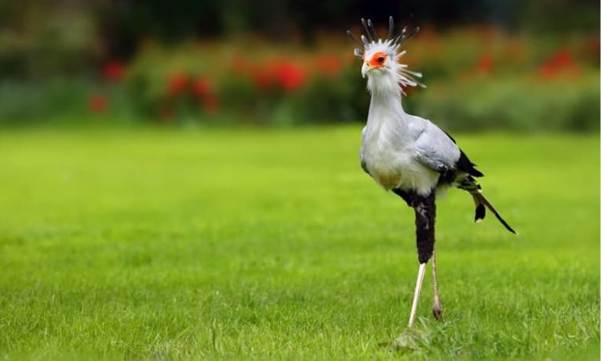
But it walks like a stork with its long legs, black feathers that look like quills, and a crest of feathers on its head like a crown.
Early Europeans in Africa named it as “secretary bird” because it reminded them of 18th-century office clerks who used to tuck pens behind their ears.
But this secretary doesn’t work at a desk; it works in the wild, facing the predators on the African plains.
The Killer Kick: Deadly Strike
The secretary bird’s hunting technique is one of the most fascinating displays of power and accuracy in the animal kingdom.
Unlike some eagles rather which soar from the sky or swoop down like hawks.
It hunts entirely on foot.
With their sharp eyes capable of spotting prey from 50 meters away.
The bird stalks silently before attacking its prey with its striking weapon.
A kick from the bird that travels at speeds of up to 50 km/h and exerts five times its body weight in force.
This kick is so accurate that it can knock out and kill a snake instantly, especially venomous species like cobras and puff adders.
Scientists have found that the bird’s long legs act like spring-loaded pistons, made to hit fast and hard while keeping the bird safe from bites.
It’s nature’s version of a martial artist— disciplined and elegant.
The Deadly Art of Snake Hunting
Snakes are the main highlight of the Secretary Bird’s diet.
But it eats much more than that.
This skilled hunter also catches rodents, lizards, insects, small mammals, and even young birds.
The way the Secretary Bird hunts snakes is what truly makes it special.
With their sharp vision, quick reflexes, and fearless moves, they take on some of the most dangerous reptiles in Africa.
It almost always wins.
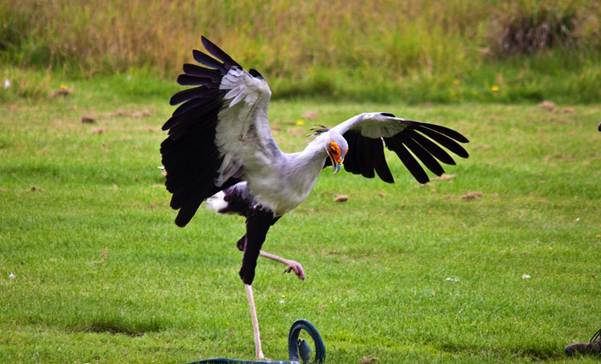
When a snake is spotted, the Secretary Bird begins its dance of death:
- It spreads its wings wide to distract and trap the snake.
- It stamps the ground with its feet, making the snake move.
- When the snake strikes, the bird quickly jumps with lightning reflexes.
- Then comes the finishing move with a single, crushing kick to the head or neck.
The whole fight usually lasts for only a few seconds; they are amazing with their skill of speed and timing.
Just like the fastest hunters in nature.
Adaptations’ purpose: Behind the striking Kick
| Feature | Adaptation Purpose |
| Long legs up to 1.2 m | Enable fast running and deliver with high-force kicks. |
| Thick, scaly skin on legs | Protection from snake bites |
| Short toes with blunt claws | Maximize the striking power. |
| Crest of feathers | Possibly for intimidation and display |
| Large wings | Used for balance and protection during strikes |
Unlike most raptors, the Secretary Bird’s toes are not designed for grasping, but they are made for stomping.
This is a smart adaptation that helps it live and hunt on the ground.
The Secretary Bird’s success as a ground-hunter lies in its specialized anatomy and evolution.
Habitat and Range
Found across sub-Saharan Africa, from Senegal to South Africa.
The Secretary Bird thrives in open grasslands and savannahs where visibility is high and vegetation isn’t too thick.
It prefers walking up to 30 kilometres per day, searching for prey under the blazing African sun.
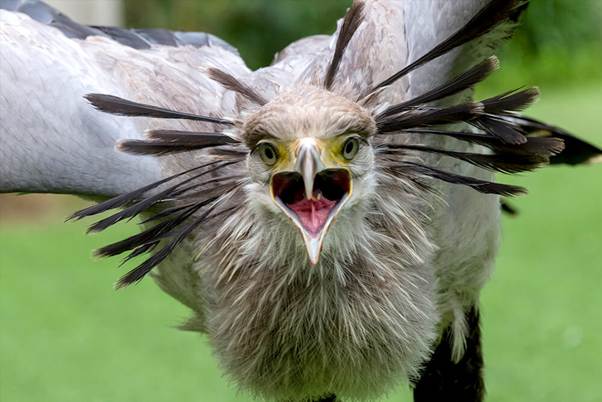
It’s often seen alone or in pairs, striding through the grass like a royal patrol, tall, elegant, and absolutely fearless.
During breeding season, pairs perform impressive air shows, locking their claws together while flying before returning to their large nests high on acacia trees or bushes.
Breeding and Family Life
Despite their fierce nature, secretary birds are fierce because they are devoted parents.
They build massive nests, sometimes up to 2.5 meters wide, using sticks and twigs.
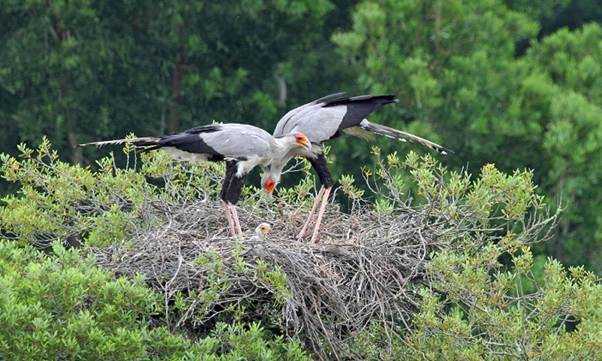
Females lay 2–3 eggs, and both parents take turns keeping them warm for about 45 days.
Both parents share their duties, from protecting the nest to feeding their young.
Within a few weeks, the young chicks begin walking and mimicking the parents’ stomping movements, learning the art of the killer kick early in life.
The Symbol of Power and Protection
The Secretary Bird’s image carries deep cultural and national symbolism.
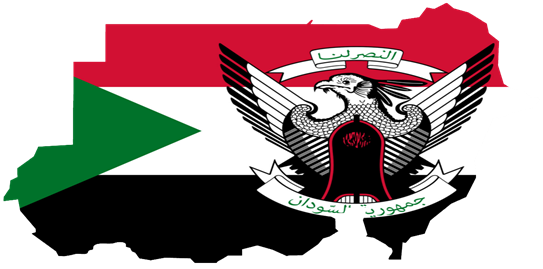
- It is the national emblem of Sudan and South Africa, representing strength, vigilance, and protection.
- In African folklore, it’s seen as a guardian spirit, believed to protect villages by killing snakes that threaten humans.
Its beauty, confidence, and courage make it not just a predator but a symbol of dignity and dominance.
Comparison Table: Secretary Bird vs Other Raptors
| Feature | Secretary | Eagle | Hawk |
| Hunting Method | Kicks prey on the ground | Swoops from the sky | Ambush from trees |
| Primary Diet | Snakes, rodents, insects | Mammals, birds, fish | Small birds, mammals |
| Habitat | Open grasslands | Mountains, forests | Forest edges |
| Unique Ability | Delivers lethal kicks | Powerful talons | Sharp vision |
| Symbolism | Power & protection | Strength & freedom | Precision |
Conservation: Protecting the Secretary Bird
Even though this Bird is well known and admired, it is classified as Vulnerable on the IUCN Red List.
It’s a natural habitat loss due to agriculture, urban expansion, and fires that have reduced its range.
In some regions, population numbers have dropped sharply.
Conservation efforts now focus on:
- Protecting grassland habitats
- Monitoring breeding pairs
- Raising awareness about its ecological importance
This Bird plays a vital role in controlling snake and rodent populations, keeping ecosystems balanced.
If the bird disappears, it would mean losing a symbol of nature’s perfect equilibrium.
Fun Facts about the Secretary Bird
- A Secretary Bird’s kick is so powerful that it can shatter a human skull if scaled proportionally.
- It can walk over 30 km in a day while hunting.
- Its scientific name, Sagittarius serpentarius, literally means “snake archer.”
- It’s one of the few birds of prey that hunts on foot.
Conclusion
The secretary bird shows that elegance and strength can exist together.
Behind its graceful look like a true fighter with fast and smart moves.
Every kick is a mix of skill and survival, every hunt a show of perfect timing and instinct.
It doesn’t just kill to survive; it strikes with purpose.
The Secretary Bird reminds us that beauty isn’t always gentle or weak.
Sometimes, beauty fights back with a kick powerful enough to earn the respect of the wild.
Protect the Dancers of the Savannah
The next time you see this bird gliding over Africa’s golden plains,
Remember that it represents more than nature’s design.
“Let’s protect the beauty and power of the wild.”
so future generations can still witness the graceful strength of the Secretary Bird.
Frequently Asked Questions (FAQ)
1. What is the Secretary Bird known for?
The Secretary Bird is best known for its powerful kick that it uses to kill snakes and other prey. Unlike most birds of prey that hunt from the air, it hunts entirely on foot.
2. Why is it called the Secretary Bird?
The name comes from early European settlers who thought the bird’s long black feathers behind its head. Its elegant stride and upright posture also resembled a professional office clerk.
3. Where can you find the Secretary Bird?
The Secretary Bird is native to sub-Saharan Africa, found in countries such as South Africa, Kenya, Tanzania, Botswana, and Sudan.
4. How strong is the Secretary Bird’s kick?
Its kick is extremely powerful — delivering a force of about five times its body weight and moving at up to 50 km/h (31 mph).
5. What does the Secretary Bird eat besides snakes?
While snakes are its favourite prey, the Secretary Bird also eats rodents, insects, frogs, lizards, small birds, and eggs.
6. Is the Secretary Bird endangered?
Yes. The Secretary Bird is currently listed as Vulnerable on the IUCN Red List. Its population is declining due to habitat loss, wildfires, and agricultural expansion.
7. How fast can the Secretary Bird run?
The Secretary Bird can run up to 30 km per day while hunting.
8. How does the Secretary Bird protect itself from snake bites?
It has thick, scaly skin on its legs that helps protect it from bites. Its speed and precision also reduce the chance of being struck.
9. Do Secretary Birds fly?
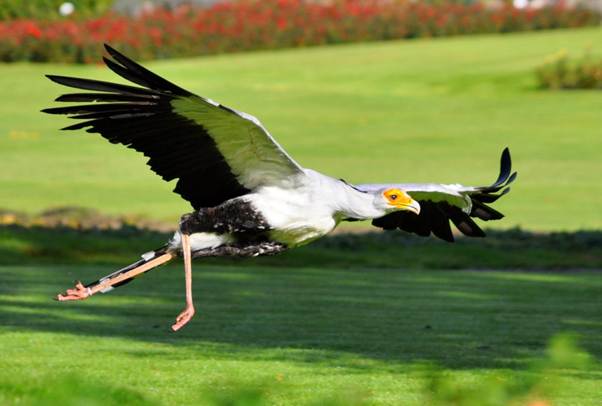
Yes, but rarely. Although they have a large wingspan and can soar gracefully, they prefer to hunt on the ground.
10. What role does the Secretary Bird play in the ecosystem?
The Secretary Bird is a vital pest and predator controller, keeping populations of snakes, rodents, and insects in check.


