

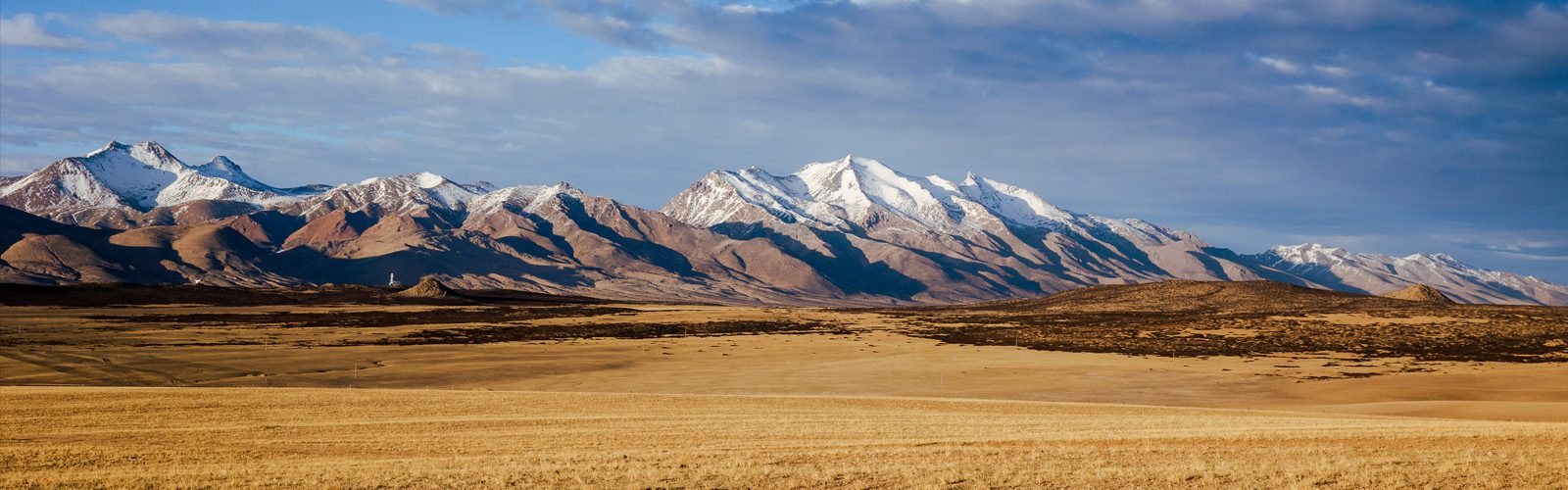
Do you know why it is called “the roof of the world” and why?
Isn’t it amazing? How can a place like “Tibetan Plateau” hold so much wonder, like sky-high mountains, rivers’ sources that feed the nation, and a majestic look that makes you feel timeless?
Maybe it’s time for you to know more about it.
Majestic look with a pack of light, stands idle to take a deep breath, which makes you think about the Tibetan Plateau to stand on the “Roof of the World”.
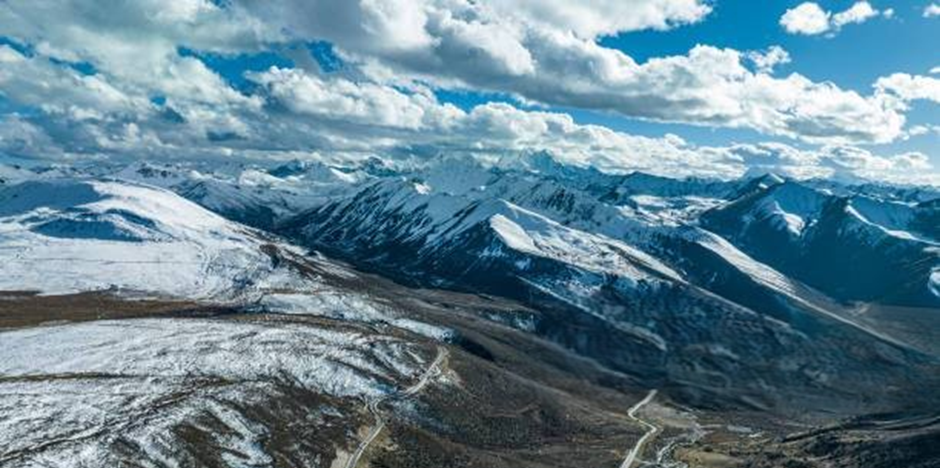
The Tibetan plateau, stretching across vast expanses of wilderness and towering high above sea level, is a remarkable region with spiritual energy, geographical wonders, and breathtaking beauty. From the timeless chants of monks in mountain monasteries to the beauty of reflection of turquoise lakes, every part of Tibet invites everyone in the world to enjoy the altitude that touches your soul.
Beyond the sky where land touches the cloud
Over the million years of the formation of the Tibetan plateau, the collision of both the Indian and Eurasian tectonic plates has occurred, because it’s the planet’s grandest geological creation.
The Tibetan Plateau is the highest and largest plateau in the world. It covers about 2.5 million square kilometers and average elevation of about 4500 meters, i.e., 14,800 feet above sea level. The uplift gave a rise not only to the Himalayas, which include Mount Everest with its immense plateaus, valleys, and lakes that make Tibet one of nature’s masterpieces.
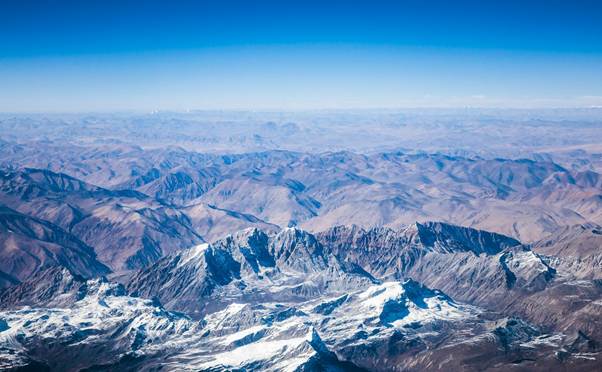
It has extreme altitude; Tibet is also described as “the third pole,” holding the largest store of frozen freshwater outside the Arctic and Antarctic. The beautiful glaciers and snowfields feed Asia’s great rivers, including the Yangtze, Mekong, Ganges, and Indus.
The Spiritual Heart of Asia
Beyond its physical majesty, Tibet is known for its long been spiritual sanctuary where the birthplace and holds a strong wave of Tibetan Buddhism. The region’s spirituality makes every aspect of life, from architecture and art to the prayer wheels and the fluttering multi coloured prayer flags across mountain passes.
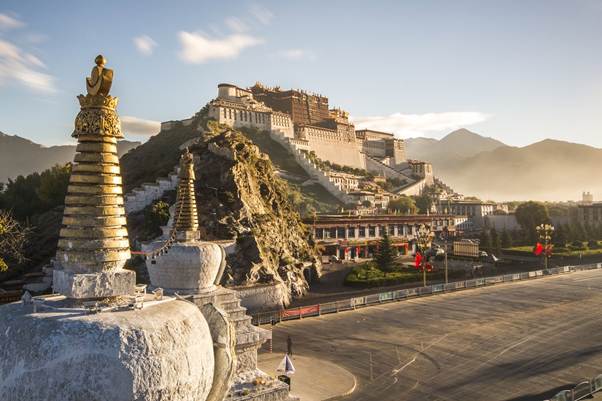
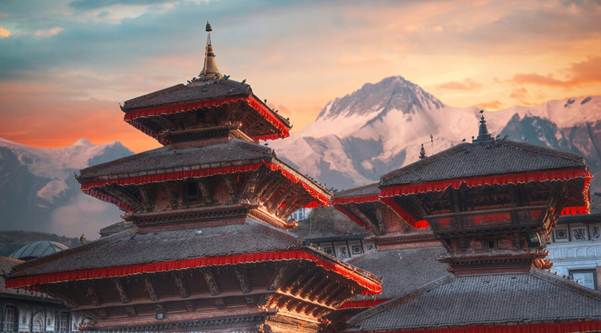
The soul of Tibetan culture is known for its capital city, Lhasa. The magnificent beauty of Potala Palace, once the winter residence starts with the Dalai Lama, dominates the skyline, rising like a peak of peace above the city.
Nearby, the Jokhang Temple, the holiest shrine in Tibet, draws pilgrims from across the plateau.
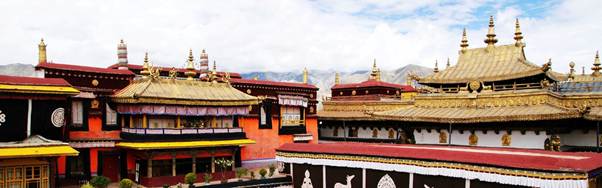
Many of the travellers and monks walk through hundreds of miles, exhausting themselves at every step, as a symbol of devotion for the spiritual soul.
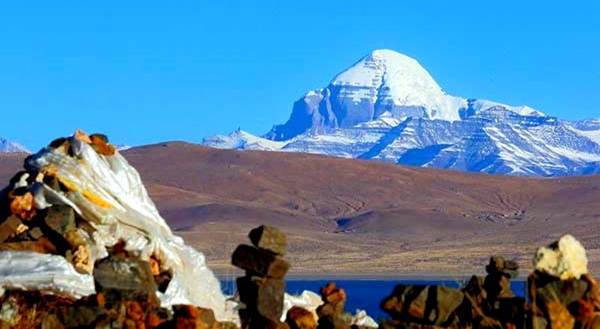
Deeply spiritual site is Mount Kailash, considered sacred by Buddhists, Hindus, and Jains. This mountain encircles of about, a 52-kilometer trek at high altitude, is believed to bring purification and enlightenment.
Nature’s Masterpiece
The Tibetan Plateau is a living gallery of natural wonders. From the glacial peaks to the vast grassland valleys, every region tells a story about the survival and adaptation of life in the Tibet valley. The beauty of nature makes us believe that God created the masterpiece.
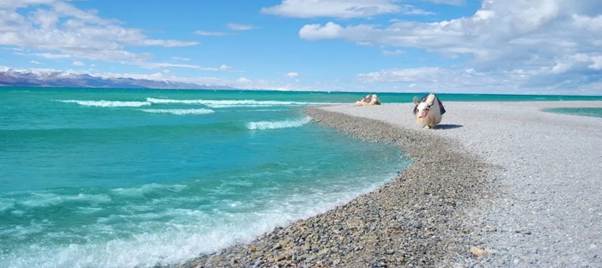
Namtso Lake, one of the highest saltwater lakes in the world, glows an ethereal blue against a backdrop of snow-draped mountains and valleys. Locals consider it a sacred lake as a mirror of the sky, which reflects the sky through the lake.
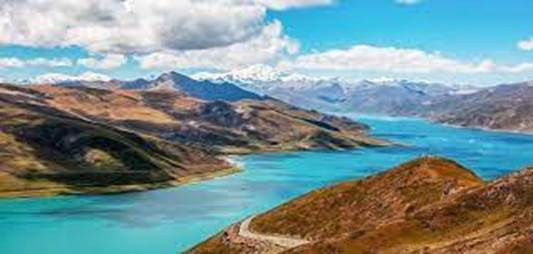
Yamdrok Lake, shaped like a scorpion, which is equally stunning, for its turquoise waters are surrounded by golden valleys of the grassland.
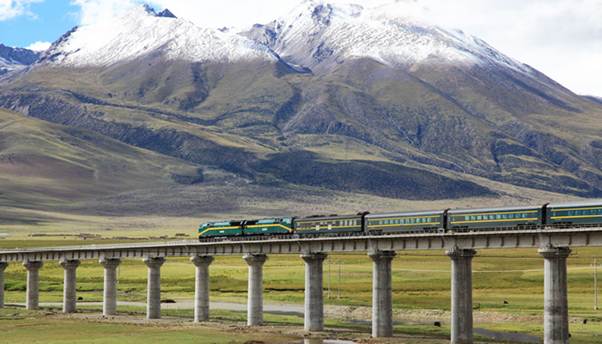
The Qinghai-Tibet Railway, the highest railway line on Earth, makes one of the most breathtaking journeys through the traversing permafrost plains, high passes, and wildlife-rich tundra where wild yaks, Tibetan antelopes, and snow leopard’s roam.
Despite its harsh environment, the plateau sustains a major, diverse ecosystem. Rare animals such as the Tibetan wild ass (kiang) and the black-necked crane thrive here, adding to the ecological significance of this vast region.
The Adventure Begins: Tibetan Plateau
Reaching Tibet is an adventure in itself. Most of the travellers and visitors enjoy the presence of thrilling adventures by entering via China or Nepal, and with a pass that is special Tibet Travel Permit.
The Qinghai-Tibet Railway from Xining to Lhasa is a remarkable stand-out for its architectural structure, with the presence of engineering, the world’s highest railway, climbing to over 5,000 meters or about 16,400 feet above sea level.
For those seeking scenic routes, overland journeys from Kathmandu, Chengdu, or Shigatse offer breathtaking views of snow peaks, mountain monasteries, and the occasional herd of wild yaks, making it a spectacular journey.
Air travel to Lhasa Gonggar Airport provides a faster but equally spectacular experience, descending through clouds to a runway surrounded by mountains and a valley of grassland to snowy peaks.
Climate and Best Time to Visit
For the best time to travel while enjoying the spectacular view and bliss of the climate, Summers from May to September bring mild temperatures, clear skies, and open roads, which is the best season for most travellers.
Even though the Tibetan Plateau’s weather can be extreme through the winters that are long and frigid, the crisp air and snowy landscapes can be magical for those who brave the cold.
The plateau’s high elevation means strong UV radiation, with thin air if traveling through the plateau, it is must to use sun protection, and acclimatization is essential. Most travellers spend a few days in Lhasa to adjust to the climate conditions before venturing higher plateau of Tibet.
Must-Visit Destinations
Here are some highlights you shouldn’t miss when traveling through the Tibetan Plateau.
Lhasa is the spiritual and cultural heart of Tibet, where you can visit the Potala Palace, Jokhang Temple, and Barkhor Street.
Shigatse is like a home to the Tashilhunpo Monastery, the seat of the Panchen Lama.
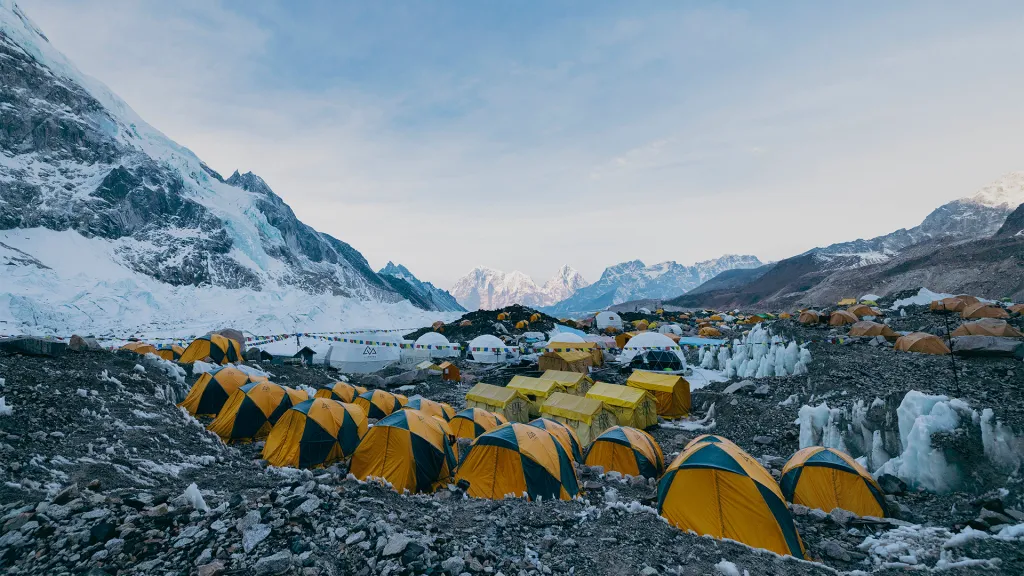
Everest Base Camp is on the Tibet side, which offers a striking view of Mount Everest’s north face.
Gyantse is known for its fortress and the Kumbum Stupa, which are filled with intricate murals.
Mount Kailash and Lake Manasarovar a Pilgrimage sites surrounded by myths and spiritual power.
The Roof of the World Is Calling
Ready to see the world from above the clouds? Plan your trip to the Tibetan Plateau today.
The land where Earth meets heaven…………
Frequently Asked Questions (FAQ)
1. Why is the Tibetan Plateau called the “Roof of the World”?
It’s the highest and largest plateau on Earth, over 4,500 meters in elevation and surrounded by towering mountains like the Himalayas.
2. What is the best time to visit Tibet?
Between May and September, when temperatures are moderate, skies are clear, and most mountain passes are open.
3. Do I need special permits to visit Tibet?
Yes, foreign travellers must obtain a Tibet Travel Permit, arranged through an authorized travel agency. Independent travel is restricted.
4. Is altitude sickness common?
Yes, due to the thin air. It’s important to drink plenty of water and avoid strenuous activity for the first few days.
5. Can I visit Mount Everest from Tibet?
Yes, the North Base Camp in Tibet offers stunning views of Everest and is accessible by road from Shigatse.
6. Is photography allowed in monasteries?
In some areas, yes, but always ask permission first. Flash photography is usually prohibited inside temples.
7. What should I pack for a trip to Tibet?
Warm layers, sunscreen, sunglasses, a hat, comfortable walking shoes, and any personal medication are essential.
8. Why is Tibet important to the world?
The Tibetan Plateau is the source of many major Asian rivers, supplying water to billions. It’s often called the “Water Tower of Asia.” Protecting its environment helps sustain life far beyond its borders.
9. What should travellers keep in mind?
Respect the land and its people. Move slowly to adapt to the altitude, dress in layers, stay hydrated, and always ask before photographing locals or temples.
10. Can I see Mount Everest from the Tibetan side?
Yes, the North Base Camp in Tibet, one of the most majestic views of Everest, standing tall against a sea of clouds. It’s a breathtaking sight you’ll never forget.


