

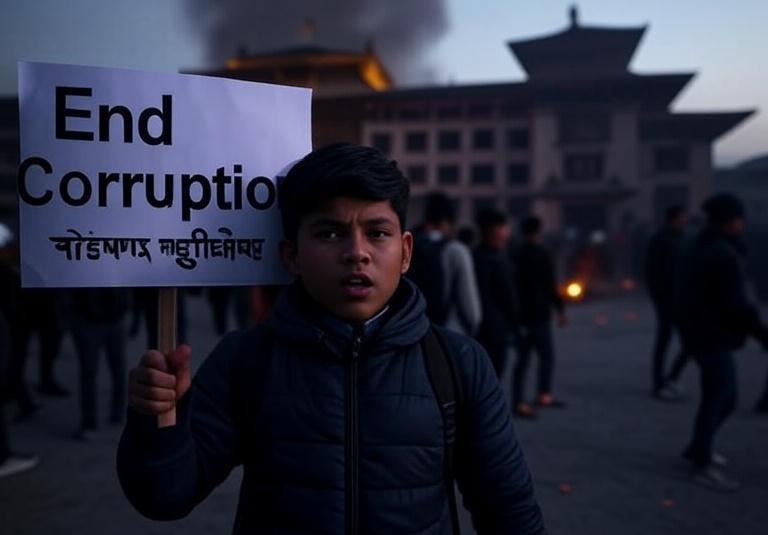
The Emergence of a New Generation of Activists
In recent months, Nepal has experienced a significant increase in youth-led protests, mostly by Generation Z. Protests have erupted in cities such as Kathmandu, Pokhara, and Biratnagar, as thousands of young people challenged corruption, political-clientelism, and impunity. These protests are distinct from earlier instances of protest that were often shaped by political loyalties, or class interests, as they signify a cultural and political awakening of Nepal’s youngest citizens. Nepali Generation Z, born after the 2006 People’s Movement, and coming of age in a fragile democracy, are increasingly annoyed with the behaviour of leaders they believe have wasted the potential of the nation.
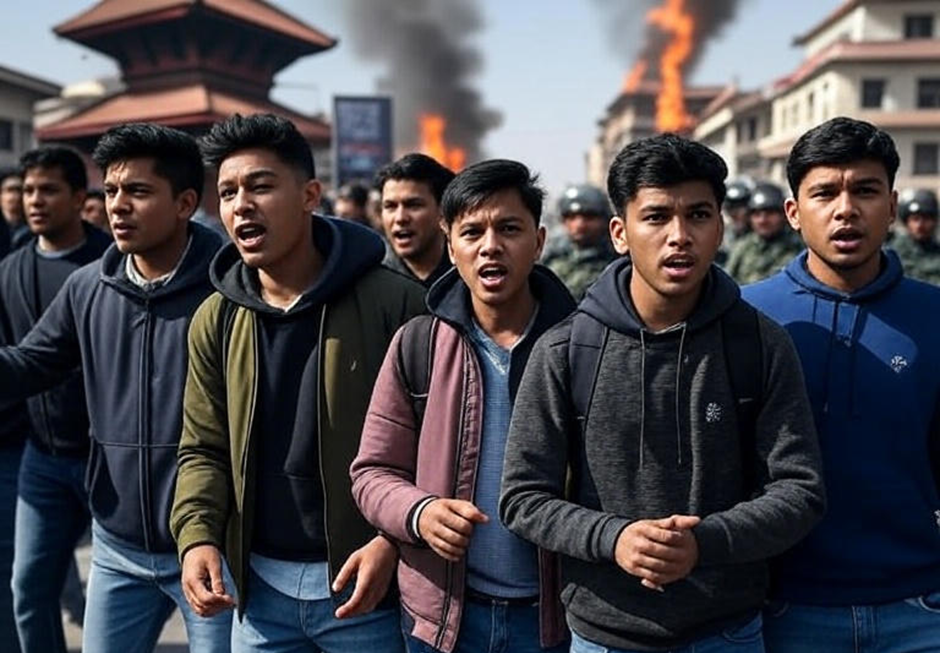
Historical Context of Corruption in Nepal
To contextualize Gen Z’s mobilization, it is essential to situate it within a larger political history closely tied in with the unrest happening right now in Nepal. After the abolishment of monarchy in 2008, Nepal became a federal democratic republic, and many people possessed tangible hope for transparency in government and equitable development across the country. In the last decade, these hopes turned to disillusionment on the grounds of alleged corruption at nearly every level of government, made starker by the evidence of inflation in infrastructure contracts and public procurement scandals.
The political system in Nepal has often been characterized by an indifference to, and at times a total exclusivity based in personal networks and patronage, creating an expectation that public offices are pathways of enrichment. This phenomena has existed long enough for many citizens to lose faith in the system, and support for Gen Z has made up the most vocal reframing of (ab)normalcy.
The Spark That Ignited the Movement
The direct trigger for the protests was a series of corruption scandals, largely involving high-profile political figures and government bureaucrats of various stripes. There were revelations regarding mismanagement and irregularities in large-scale infrastructure projects, the diversion of public funds, and dubious foreign aid contracts which spurred public outrage. Social media, especially platforms such as TikTok, Instagram, and X (formerly Twitter), became early venues for Nepal’s youth to circulate investigative reports, whistleblower testimony, and viral calls to protest. Starting as relatively small protests on university campuses, there were ultimately mass demonstrations that captured a generational change in the forms of dissent being organized and expressed in Nepal.
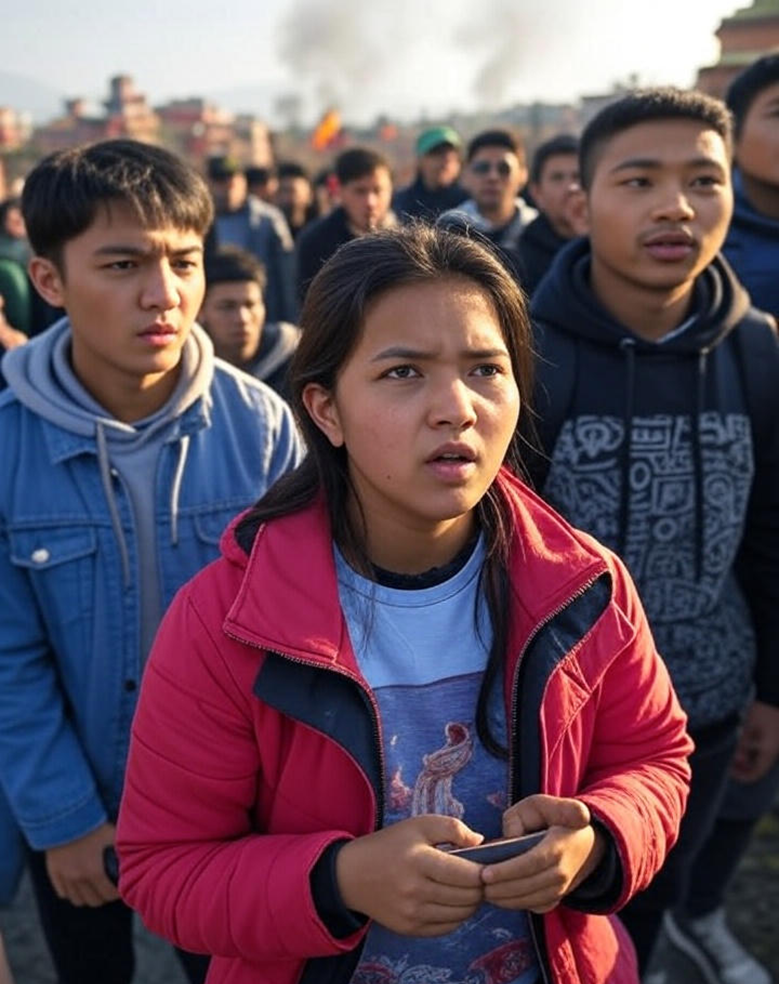
Digital Activism and the Power of Social Media
This anti-corruption movement, unlike past political movements, is being constructed literally in moments via social media. Nepal’s Gen Z has used digital technology not just to plan logistics, but to tell the story. Hashtags asking for transparency, memes mocking corrupt managers, and live-streams of protests have spread their narrative well beyond the borders of their country. With a degree of digital fluency, activists have managed to circumvent traditional gatekeepers like mainstream media, which has largely lost the trust of a generation who consider it compromised or partisan. Throughout this movement, the viral nature of the campaigns, when added to the solidarity of the Nepali diaspora, has rapidly gained attention and support for the movement.
Economic Disillusionment and Youth Unemployment
Underneath these slogans against corruption lies a much deeper layer of economic hardship. Nepal has one of the highest youth unemployment rates in South Asia, and even educated young people take the emancipation of labor migration abroad. It has left young people in a state of betrayal. As a combination of rising inflation and stagnant wages, has that loss of opportunity, they now look at corruption, not as a moral failing, but rather an impediment for their futures.
In their mind, the millions of dollars lost and wasted on corruption should have been spent on schools, digital infrastructure, clean energy, or job creation. That economic grievance renders their protests urgent in a way that spans the urban and rural divide in Nepal.
Crisis of Political Legitimacy
A key concept driving the protests is the conviction that Nepal’s political class has lost legitimacy. After decades of unstable coalition and party hopping, as well as a reliance on personalities to run political parties, younger voters have become completely disenfranchised. For example, Gen Z activists noted how the political figures who were instrumental in bringing the democratic transition to Nepal are now holding onto power and simply failing to deliver any governance.
The slogans across the streets of Kathmandu- “Enough is Enough,” “No More Corruption”- exemplify a very real crisis of faith in the institutions that are supposed to protect Nepal’s democracy. Many young people are now wanting little to do with traditional party structures, signalling the possible disintermediation of Nepal’s political system in the future.
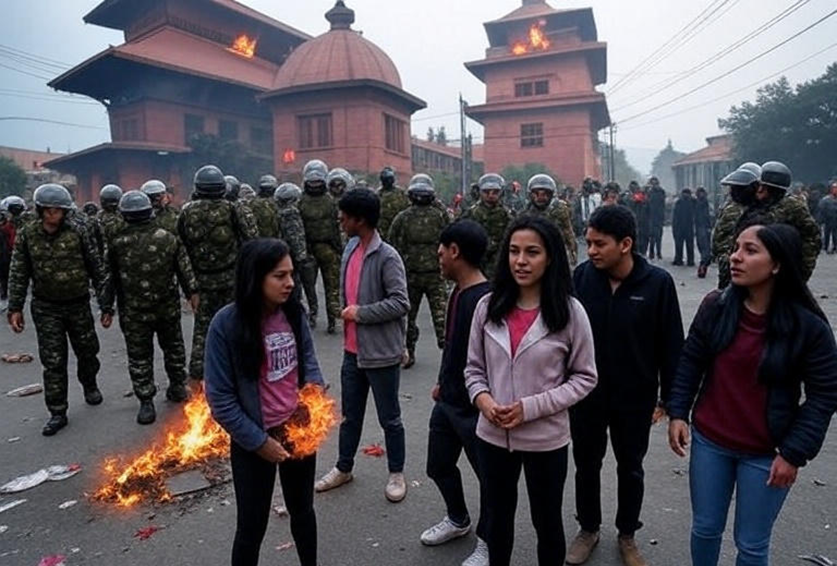
Cultural Shifts and the Rise of Civic Consciousness
This movement is not simply political; it signals a major cultural change. Nepal’s Gen Z cohort has been immersed in a global world thanks to the internet, the possibility of international study and migrant families. Their values are reflected around meritocracy, accountability and social justice – values which they feel are missing in the country’s governance. More than past generations, they are willing to volunteer, be part of public discussion, and see themselves as active citizens rather than subjects of passive citizenship. This movement represents a shift from apathy to activism, with implications for Nepal’s civic culture. It is reflective of the contention of the movement being both to rid Nepal of “corrupt officials” and to redefine citizenship.
Gender Dynamics and Inclusivity
A further remarkable aspect of the protests is their inclusivity. Women, LGBTQ+ activists, and members of marginalized ethnic groups established a lot of leadership roles, indicating a larger desire for social equity. For many young Nepalese women, corruption is very much tied to patriarchy and lack of access to decision-making spaces. The presence of these varied voices in the movement is indicative of Gen Z’s intersectional approach — the idea that challenging corruption cannot be disentangled from uprooting other forms of structural injustice in Nepal; and inclusivity is redefining the meaning of activism and broadly expanding the moral and political bases in Nepal.
Government Response and Backlash
The government’s reaction has swung between denial, co-optation, and repression. Officials have dismissed the protests as naïve or foreign-influenced and also have committed to anti-corruption reforms. Police used force several times against crowds leading to clashes and arrests which were themselves acts of repression that perhaps exacerbated public anger. Human rights organizations have condemned Nepal’s government for suppressing peaceful dissent and have warned that use of heavy-handed tactics against protests may radicalize disillusioned youth. The state’s failure to engage with protests in good faith is deepening the legitimacy crisis and hardening public resolve.

Regional and International Implications
The turmoil in Nepal has not gone unnoticed in the region. Nepal’s position between India and China makes any internal disturbances under the watchful eyes of both baleful powers. Extended instability has the potential to impact trade across borders, the completion of major infrastructure projects, and dispute settlement diplomacies. International donors, whom in the case of Nepal cover a large area of the developmental budget especially after the major tragedies of 2015, have also concluded that with the combination of corruption scandals, they are not officially recognised corruption unless it erupts out of media airtime, which can lead to wasted or poorly used foreign aid.
On the other hand, the protests offered young activists in other South Asian countries a possible model of digitally literate, nonpartisan mobilization. This transnational resonance of the anti-corruption uprising in Nepal suggests, the potential of the protests to proliferate throughout the region.
The Road Ahead: Reform or Revolution?
The significance of this moment in history stems from its unknown-ness. By its very nature, Nepal’s Gen Z movement can either dissipate into the ether like previous waves of protests, or it can mature into sustained pressures for structural reform. The latter will depend on the government’s ability to credibly implement anti-corruption measures, reform public institutions and create economic avenues for young people to engage with.
If it does not, we may witness a new political formation led by younger leaders outside of the established party system. The protests have already altered the political imagination of an entire generation; it has been proven, at least for now, that collective action can generate challenges to established power, even in a fragile democracy.
Nepal at a Crossroads
The anti-corruption protests organized by Nepal’s Gen Z represent a crucial inflection point for democracy in the country. They are not just saying no to corrupt actors; they are demanding a new social contract based on transparency, accountability, and opportunity. Regardless of what this movement achieves, the anti-corruption protests already have changed Nepal forever by infusing its political life with youthful vigor, digital excitement, and moral clarity. As the streets of Kathmandu ring with calls for justice, it is a foregone conclusion that the country’s youngest citizens are not willing to inherit a broken system any longer. They want to rebuild it on their terms—and the world is watching.
Stay updated – follow us for more tips | Inkontrend


