


We’ll Discuss
In this crucial moment that has arisen in Nepal’s political Crisis, it has led to instability, weak federalism, unresolved regional demands, and has evolved into today’s disruption. Let’s take a deep dive into Nepal’s political Crisis Reasons by exploring its historical background, current issues, and the curfew that continues to hold the nation back.
Nepal’s Political Crisis
To understand the Nepal’s political Crisis, let’s look back at its journey that has led to this current national crisis. Nepal’s politics goes beyond disputes within parliament, but also the daily lives of its citizens, which are delayed by economic instability, that have sent millions abroad, and has reduced trust in the democracy.
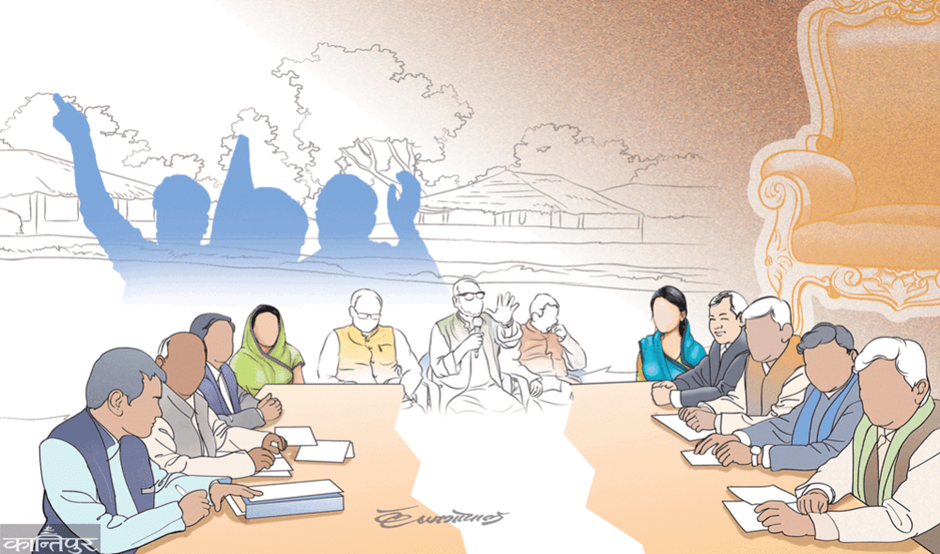
For centuries, Nepal was ruled by monarchs. As the disputes occurred during the monarchical era, in 2006, a mass protest sought to forsake the power, which led to weakening the monarchy, paving the way for a democratic transition. The democratic movement of 1990 has made the nation’s transition into a constitutional monarchy with a multi-party parliamentary system. After 1990, the movement did not last long and quickly faded.
Then in 1996, the communist party of Nepal (Maoist) launched a rebellion against the monarchy, and the government bodies left over 17,000 people dead. At the core, the rebellion arose over a long grief. The conflict that has been unsettled with Nepal, weakening the governance, damaging the economy, and eroding the public trust, has forced the nation to confront the issues of inequality.
In 2006, the widespread frustration with the political instability and corruption erupted into the second people’s movement, which led millions of people to demand an end to the monarchy. After the rebellion, Nepal was declared a democratic republic, marking a historic milestone in the nation’s political evolution.
After years of delay, Nepal adopted a new constitution in 2015, aimed at restructuring the state into a federal system. It was intended to strengthen the democracy and distribute authority, instead of sparking tension among other communities. The progress and setbacks have led to ongoing political instability, social unrest, and a constant struggle to create an inclusive, representative, and stable democracy in Nepal.
Root Causes Behind Nepal’s Political Instability
Nepal’s Political Instability Through Leadership:
The goal of Nepal’s federal system of the 2015 Constitution was to split authority and bring community members closer to the system of government. but there have been several difficulties in implementation into reality. the effective governance has been affected by weak legislation, a lack of clarity on responsibilities between federal, provincial, and local governments, and insufficient funds. Due to budgets and authority, many local bodies find it challenging to provide services effectively.
Additionally, political disagreements have increased due to weak decision-making caused by political disputes over the allocation of powers. As a result, the goal of federalism is to build up regions and ensure sustainable growth, which is only partially fulfilled. That drives the current political crisis, along with the public disputes.
Corruption as a barrier
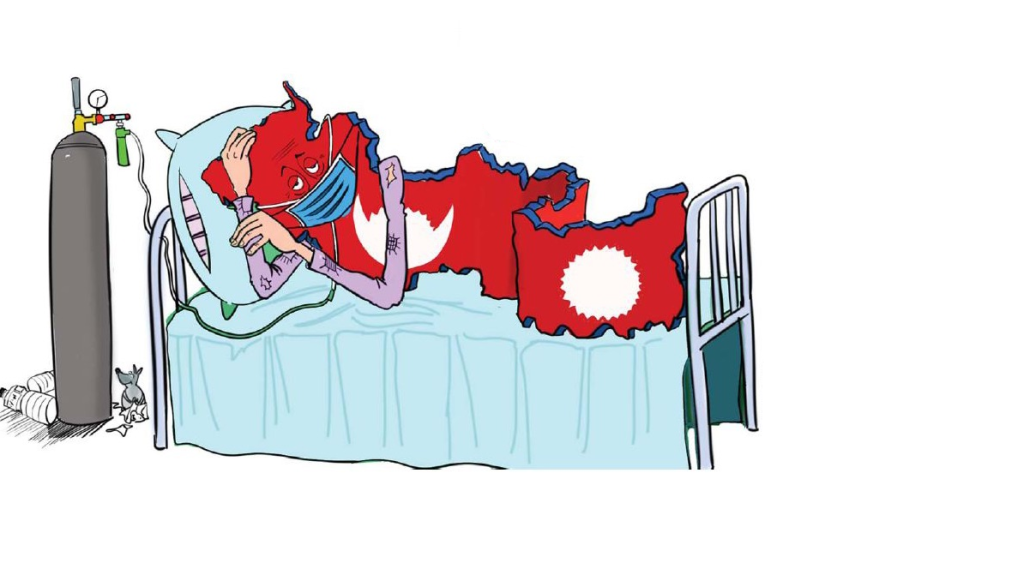
In Nepal, Corruption remains an important issue that is deeply challenging the Nepal’s political and administrative systems. Every day affairs of citizens are being affected by the widespread corruption, public funds, bribery in essential services, and diversion of foreign aid. Such violations remain unchanged and ignored because of an inadequate system and a lack of responsibility. The importance of the issue is that Transparency International consistently ranks Nepal among the world’s most corrupt countries. This widespread corruption erodes public trust in both political leaders and state institutions, further weakening governance and democratic processes.
Ethnic and Regional Tensions
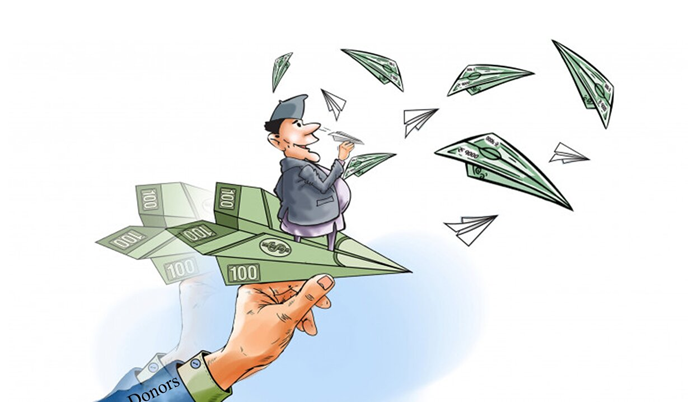
Nepal’s identity, based on the ethnic groups, caste, and languages, is the source for both unity and conflict. The diversity has led to the destruction by adding fuel to the division of the political and governance system. Marginalized groups such as the Madhesi, Tharu, and other communities feel excluded and neglected in decision-making. Ethnic and regional tensions contribute to the instability of the political system because their demands are greater, which often turns into protests, blockades, and an unrest situation.

Why Can’t Nepal Break Free from the Cycle?
Despite decades of political change, Nepal remains locked in a cycle of instability of federal and political system. The key factors that are underlaying the factors.
Personal and Party Interests beats national goals:
In Nepal, political leader focus on holding the power more than serving the people, instead of working together for the country’s growth. they often caught up by personal and party rivalries, other internal disputes, breaking or forming alliance, it creates a great impact in reforms and development projects that is left unfinished.as a result citizen lose their trust in their leaders and the systems.
Fragmented Political Landscape:
Many political parties that is not enough to unity, each are eagerly wanting a bigger share of power. To build a government, they frequent hold their hands to form an alliance but their short lived. The lack of unity makes it difficult for the country to move forward with clear headed.
Socio-Economic Inequalities:
The significant economic and social inequalities in their nation. The population continues to live in poverty, with inadequate access to employment, healthcare, and education. rural and remoted region left behind when it is compared to the urban region as the development if faster. such differences cause frustration among those who have been neglected or excluded. unless the inequalities are solved, poverty and regional imbalances will continue to cause unrest and instability.
Consequences of the Nepal Crisis
Nepal’s Future: Steps Toward Positive Change
Nepal can achieve stability by implementing changes to several important region that is in needed. The Electoral reforms that manage party splits, strengthen alliances, and ensure leaders and fulfil their term to make a stable government. federalism requires specific roles for federal, provincial, and local bodies, and having resources for effective performance. by fighting corruption with independent agencies, digital systems and by transparency laws will strengthen the trust of government. By improving youth potential by investing in education, entrepreneurship, and by engaging in job makes them to stay in their hometown rather them to migrate to aboard.
For Nepal to make significant results, political leaders need to put aside narrow interests and commit to long term stability, inclusivity and transparency. by making the changes the country would able to fulfil the natural resources, culture, and human capital.
Shape the future
Nepal’s future depends on citizen and their active participation in their communities. Stay updated with politics and know what is happening around you. By communicating with your friends, family, and communities about the crisis and sharing this blog to help others understand what is going on inside Nepal, political stability is a matter today. Take a step forward, make a brighter future
FAQ
Why it’s important to talk on Nepal’s political Crisis?
Political instability is caused by short-lived governments, coalition conflicts, party splits, and personal rivalries among leaders.
How does political instability affect Nepal’s economy?
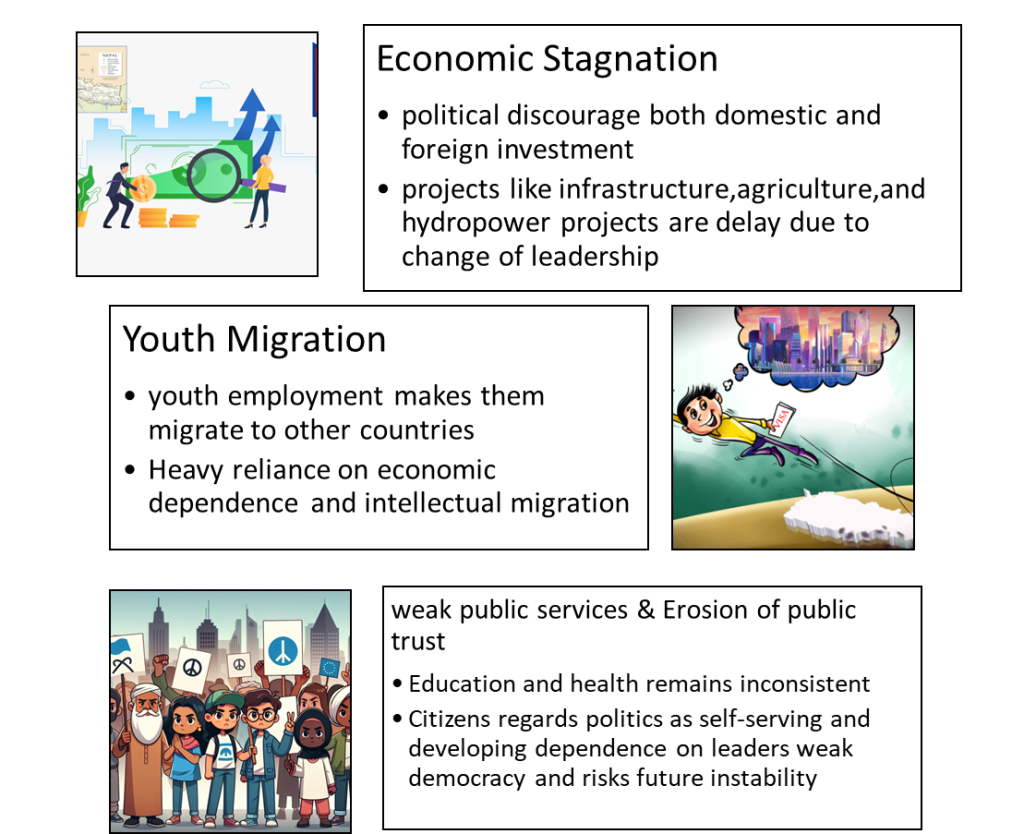
Economy instability of the system with unstable governments delay infrastructure projects, discourage investment, and slow economic growth, which also limits job opportunities.
What role does corruption play in Nepal’s political Crisis happening now?
Corruption weakens trust in leaders, hinders development projects, and creates inequality, making governance less effective.
How does political crisis impact the youth?
Many young people migrate abroad for better opportunities, causing a brain drain that limits Nepal’s growth potential.
Are there solutions to Nepal’s political problems?
Yes, Stability can be improved through electoral reforms, stronger federalism, youth engagement, and transparency in leadership.
Can Nepal achieve long-term stability?
Long-term stability with commitment from political leaders to prioritize national interests over personal rivalries, inclusive policies, and effective governance can be achieved.
Stay updated – follow us for more tips | Inkontrend


