

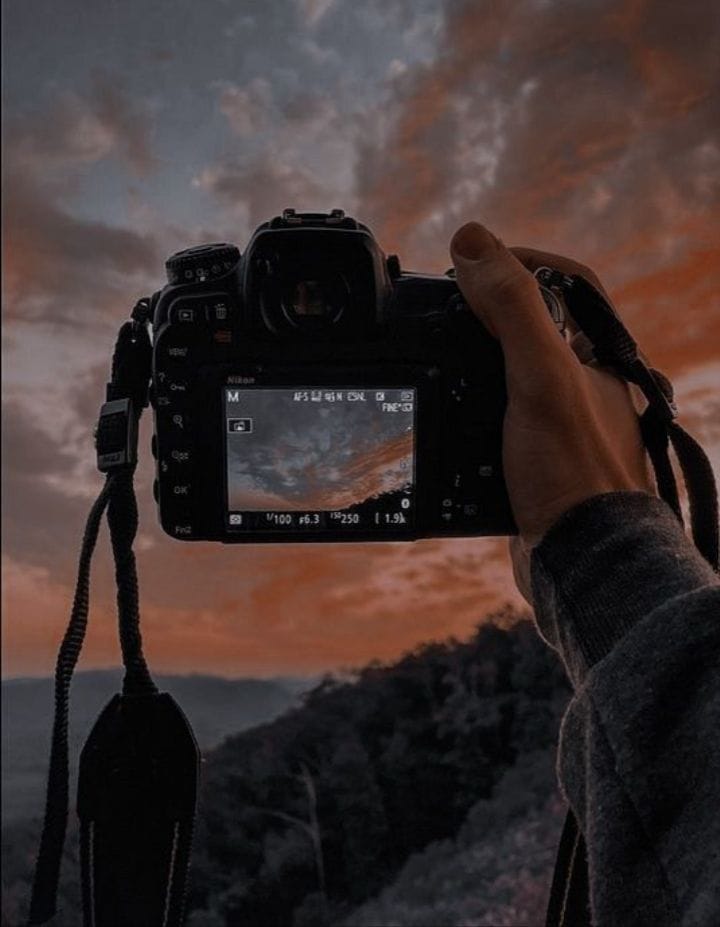
Travel photography is more than simply taking pictures while exploring new destinations. It is about capturing the atmosphere, the emotions, and the unique character of a place. When done thoughtfully, a single image can transport viewers into the scene and make them feel as if they are standing right there. This travel photography guide will help you understand how to capture places like a pro while keeping your style authentic and human.
Table of Contents
Understanding the Heart of Travel Photography
At its core, travel photography is storytelling. It is not just about famous monuments or popular tourist spots. It is about the small moments that make a place special. A quiet street at sunrise, locals sharing laughter at a tea stall, or waves gently touching the shore can speak louder than any landmark.
When you approach travel photography as a storyteller, your perspective changes. Instead of asking, “How do I photograph this place?” you begin asking, “What is this place trying to say?” That shift in mindset is what helps you capture places like a professional photographer.
The Importance of Light in Travel Photography
Light is the foundation of every great photograph. No matter how beautiful a destination is, poor lighting can make it look flat and lifeless. Early mornings and late evenings offer soft, golden light that enhances textures and creates warmth in your images.
Golden hour, which occurs shortly after sunrise and before sunset, adds depth and emotion to landscapes and portraits. The shadows are gentle, and the highlights are not too harsh. This makes it the perfect time for stunning travel photography.
Midday light can be challenging because it creates strong shadows and bright highlights. However, you can still create compelling images by looking for shaded areas, reflections, or interesting patterns created by sunlight. Learning to observe and adapt to different lighting conditions will elevate your skills significantly
Composition: Framing the Scene Like a Pro
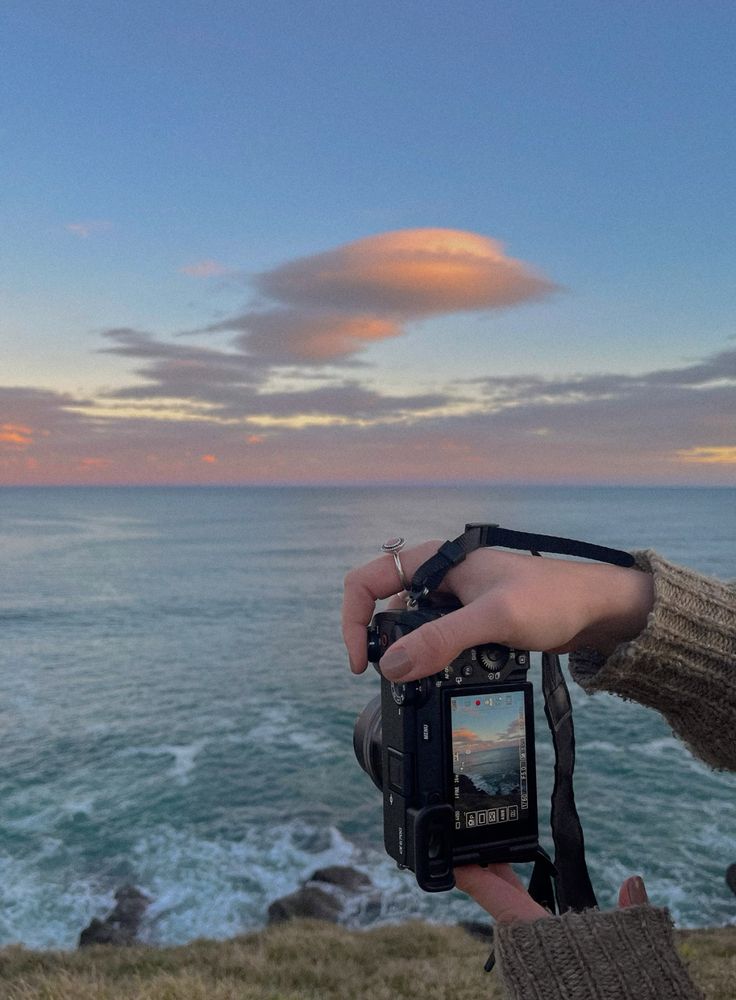
Composition plays a major role in making your travel photography look polished and professional. The way you arrange elements within your frame can turn an ordinary view into an extraordinary image.
Instead of placing your subject directly in the center, try positioning it slightly off to create balance. Adding foreground elements, such as plants, railings, or architectural details, can make the scene feel layered and immersive. This technique adds depth and invites viewers into the photograph.
Changing your angle can also transform the outcome. Shooting from a lower perspective can make buildings appear grand and dramatic, while a higher viewpoint can reveal patterns and symmetry that are not visible from eye level. Small adjustments in positioning can make a big difference.
Bringing Life Into Your Photos Through People
While landscapes are breathtaking, including people in your travel photography adds emotion and authenticity. A place feels more alive when human interaction is visible. Street vendors preparing food, children playing in open squares, or travelers exploring narrow alleys can create powerful storytelling moments.
When photographing people, approach with respect and sensitivity. Sometimes a simple smile is enough to build trust. Other times, capturing candid moments works beautifully, especially in busy environments where life unfolds naturally. Human presence adds scale and makes your images more relatable.
Choosing the Right Gear Without Overcomplicating
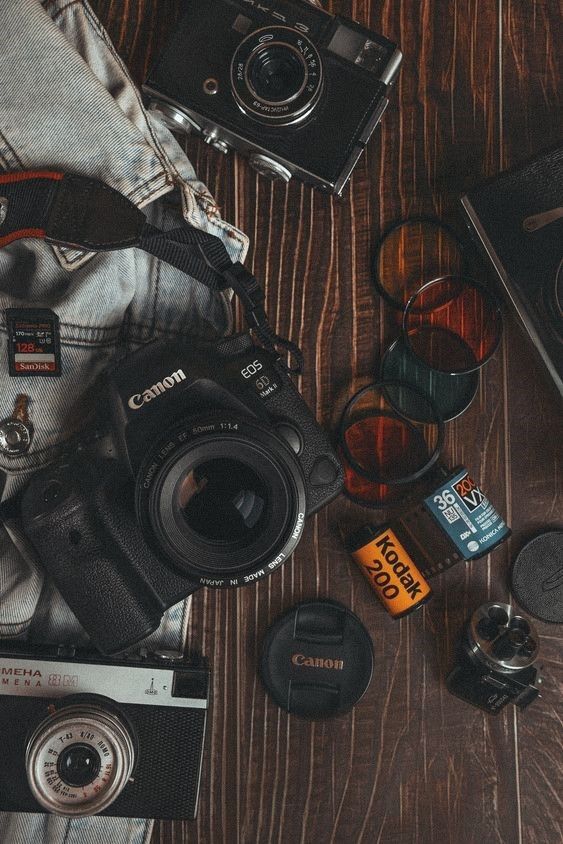
Many beginners believe that professional travel photography requires expensive equipment. In reality, creativity and awareness matter far more than gear. A DSLR, mirrorless camera, or even a smartphone can produce impressive results when used properly.
Understanding your camera’s basic settings will give you greater control over your images. Learning how aperture affects background blur, how shutter speed controls motion, and how ISO impacts brightness can dramatically improve your results. Even basic knowledge can help you capture places like a pro.
Keeping your gear simple also allows you to focus more on the experience. Traveling light makes it easier to move freely and respond quickly to unexpected moments.
Capturing Details That Tell Deeper Stories
Wide landscape shots are essential in travel photography, but details often carry deeper meaning. The texture of old walls, colorful spices in a market, traditional jewelry, or intricate architectural carvings can add richness to your collection.
These close-up images help tell a more complete story of the destination. They capture the essence of culture and everyday life. Including both wide scenes and intimate details creates a balanced and compelling travel photography portfolio.
Patience and Timing: The Secret Ingredients
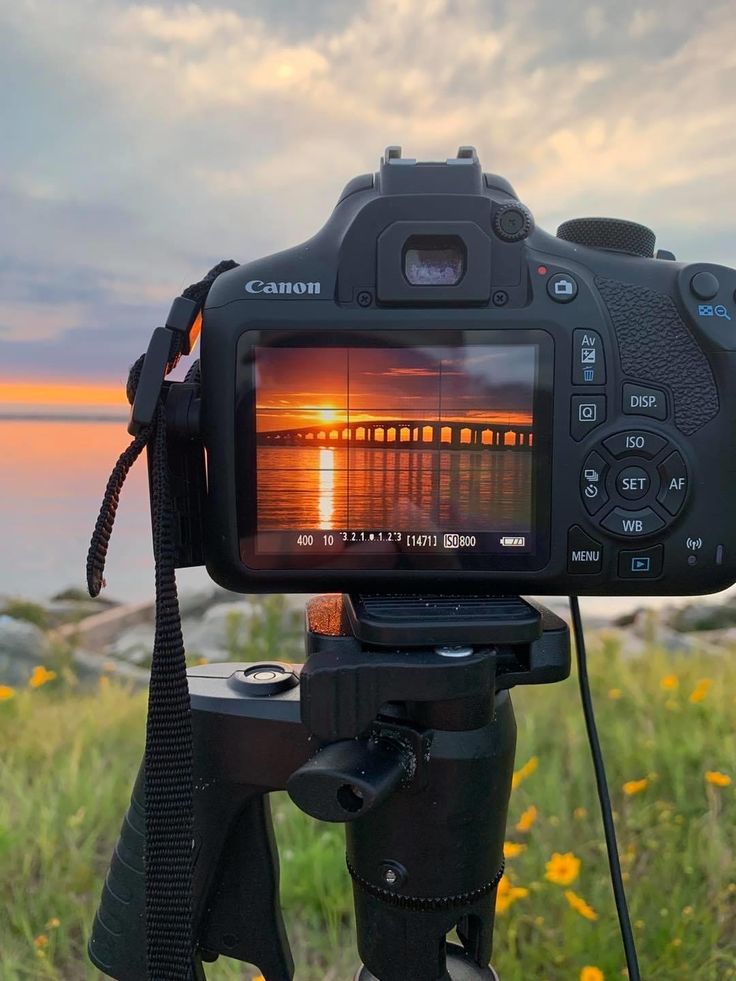
Professional travel photography often depends on patience. Waiting for the right moment can transform a simple scene into something unforgettable. A bird flying across the sky, a person walking into perfect alignment, or a sudden change in weather can add magic to your shot.
Instead of rushing from one location to another, slow down. Observe the rhythm of the place. Sometimes the best images happen when you give yourself time to truly see what is unfolding around you.
Editing for a Natural and Professional Finish
Editing is an essential part of modern travel photography. It allows you to enhance your images and bring them closer to what you experienced in real life. Adjusting exposure, contrast, highlights, and color balance can make your photos look refined and polished.
However, it is important to keep edits natural. Over-saturated colors and heavy filters can make images look unrealistic. The goal of editing is to support your storytelling, not distract from it. Developing a consistent editing style will also help you build a recognizable visual identity.
Staying Present While Capturing the Moment
One of the most important aspects of travel photography is staying connected to the experience itself. It is easy to get lost in trying to capture the perfect image, but sometimes the most meaningful photos come when you truly immerse yourself in the environment.
Take moments to put your camera down and simply observe. Feel the air, listen to the sounds, and engage with the culture. When you connect emotionally with a place, your photographs naturally reflect that authenticity.
Growing as a Travel Photographer
Becoming skilled at travel photography takes time and practice. Every trip teaches you something new about composition, lighting, and storytelling. Not every image will turn out perfect, and that is completely normal. Growth comes from experimenting, learning from mistakes, and refining your vision.
The more you shoot, the more you will understand your personal style. Some photographers are drawn to dramatic landscapes, while others focus on street life or architectural details. Over time, your unique perspective will begin to shine through.
Final Thoughts on Capturing Places Like a Pro
Travel photography is about more than beautiful destinations. It is about emotion, timing, and perspective. When you combine thoughtful composition, natural light, patience, and storytelling, your images become more powerful and meaningful.
Capturing places like a pro does not require perfection. It requires curiosity and passion. With consistent practice and mindful observation, you can transform simple travel moments into extraordinary visual stories that inspire others to explore the world through your lens.
How do I overcome fear when photographing strangers while traveling?
Feeling nervous about photographing strangers is completely normal. The key is to approach situations with respect and kindness. Start by observing from a distance and gradually build confidence. A simple smile or friendly gesture can make a big difference. In many cases, people appreciate being photographed if approached politely. Over time, as you practice and gain experience, your confidence in capturing candid and street-style travel photography will grow naturally.
Do I need an expensive camera for professional-quality photos?
You do not necessarily need expensive equipment to create professional-quality images. While advanced cameras offer more control and higher image resolution, creativity and understanding of light are far more important. Many impressive photographs today are captured using smartphones with good camera features. What truly matters is how you compose your shot, how you use natural light, and how patient you are in waiting for the right moment. Learning photography fundamentals will give you better results than simply investing in costly gear.
What is the best time of day to capture outdoor photos?
The best time to shoot outdoor scenes is during golden hour, which occurs shortly after sunrise and just before sunset. During these times, the light is softer and warmer, creating beautiful tones and gentle shadows. Morning light often provides peaceful scenes with fewer crowds, while evening light adds drama to cityscapes and landscapes. However, compelling images can be created at any time of day if you understand how to work with available light and adjust your composition accordingly.


[…] oldest and most important archaeological sites. This is the site where people take many photos with their cameras for […]