


The conversation around AI and future careers has become one of the biggest global discussions today. Artificial Intelligence is transforming industries, redefining workplaces, and reshaping how people work. While some believe AI will replace human jobs, others argue that it will open doors to new and exciting career opportunities.
The truth lies somewhere in between. AI is not just a technological revolution; it is a social and economic transformation that is changing how we imagine the future of work. Understanding the relationship between AI and future job markets is essential for students, professionals, and businesses preparing for tomorrow.
Table of Contents
Understanding AI and Future Work Trends
Artificial Intelligence refers to machines or software that can perform tasks requiring human intelligence, such as learning, reasoning, problem-solving, and decision-making. AI technologies include machine learning, robotics, natural language processing, and automation tools.
Today, AI is already influencing everyday life. From voice assistants to recommendation algorithms, AI helps businesses improve efficiency and customer experience. However, as AI grows smarter, many people worry about what it means for the future of employment.
The link between AI and future workforce transformation is complex. While automation can replace repetitive work, it also creates new fields that require creativity, technical skills, and human intelligence.
How AI Is Replacing Certain Jobs
One of the biggest concerns regarding AI and future employment is job displacement. AI systems can perform repetitive and predictable tasks faster and more accurately than humans. Industries that depend heavily on routine processes are experiencing major automation changes.
Jobs that involve data entry, basic customer service, and assembly line work are particularly vulnerable. Many companies now use AI chatbots to handle customer queries, reducing the need for large support teams. Similarly, automated systems in factories can perform production tasks with minimal human supervision.
Retail is another industry experiencing change. Self-checkout machines and automated inventory systems reduce the need for manual labour. Transportation may also see transformation as self-driving technology develops.
These changes create uncertainty among workers. Many fear losing job security and struggle to adapt to new technology. The discussion around AI and future job losses often focuses on these challenges.
How AI Is Creating New Career Opportunities
While AI is replacing some jobs, it is also creating entirely new career paths. The relationship between AI and future job creation is becoming increasingly clear as industries invest heavily in AI development.
The rise of AI has created demand for professionals such as AI engineers, data scientists, and machine learning specialists. Companies require experts who can design, develop, and maintain AI systems. Additionally, new roles like AI trainers and AI ethics specialists are emerging to ensure responsible use of technology.
Beyond technical roles, AI is also supporting careers in healthcare, education, marketing, and business strategy. AI tools help doctors diagnose diseases, teachers personalize learning experiences, and marketers analyze customer behaviour more effectively.
This shows that AI does not simply remove jobs. Instead, it transforms job roles and introduces new professional possibilities. The connection between AI and future innovation highlights how technology can create opportunities for economic growth.
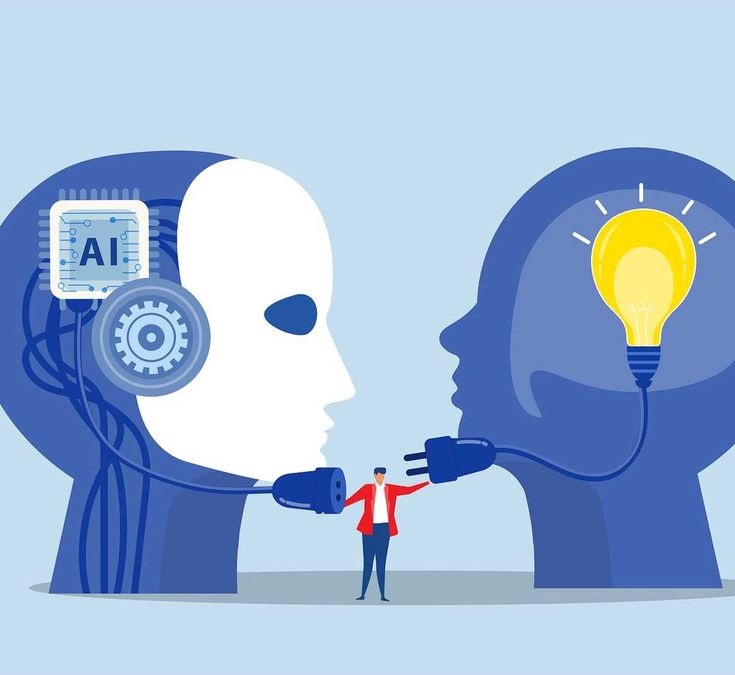
Industries Most Influenced by AI and Future Development
Different industries experience AI transformation in different ways. Some sectors face automation challenges, while others benefit from new growth opportunities.
Manufacturing continues to adopt robotics and automation systems, reducing the need for manual labour. Customer service is also shifting toward automated digital support systems. Transportation and logistics may experience significant changes as self-driving vehicles become more advanced.
On the other hand, healthcare is seeing remarkable growth due to AI technology. AI helps doctors detect diseases early and improve patient treatment plans. The education sector is also evolving, with AI-powered learning platforms helping students receive personalized education.
The financial sector uses AI to detect fraud, manage risks, and improve customer banking experiences. These examples demonstrate how AI and future industry development are shaping both challenges and opportunities.
Skills Needed for AI and Future Careers
The future job market will require workers to develop new skills. Technical knowledge is important, but human abilities remain equally valuable.
Programming, data analysis, and machine learning are highly demanded technical skills. Professionals who understand cloud computing and cybersecurity will also find strong career opportunities in AI-driven industries.
However, soft skills play a crucial role in AI and future workplace success. Creativity, emotional intelligence, communication, and problem-solving are abilities that machines cannot easily replicate. Employers increasingly seek individuals who combine technical expertise with human understanding.
Adaptability is another key skill. Workers must embrace lifelong learning to stay relevant in changing job markets. As AI continues evolving, individuals who continuously upgrade their knowledge will remain competitive.
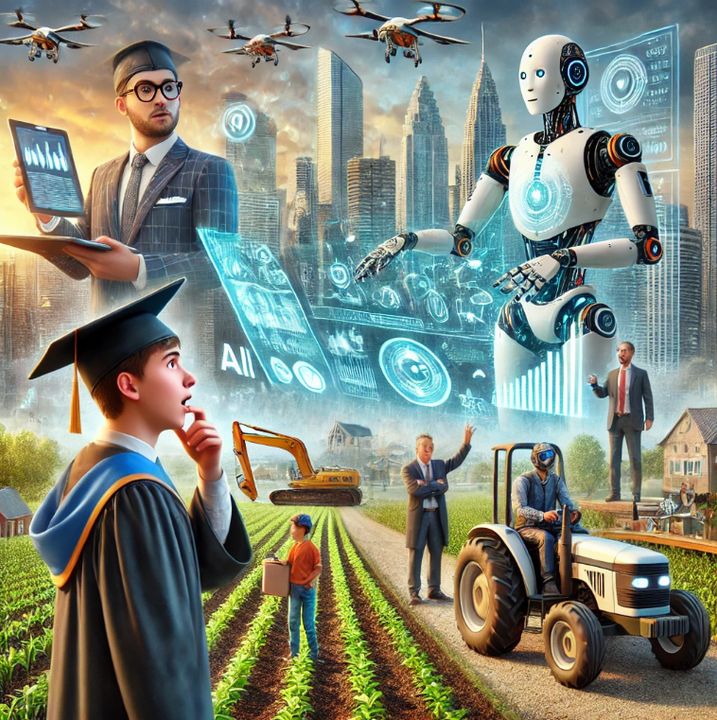
Human Stories Behind AI and Future Transformation
The impact of AI becomes clearer when we look at real-life experiences. Many workers initially fear automation but later discover new opportunities through skill development.
For example, factory workers who once performed repetitive tasks are now learning to operate and maintain automated machines. Customer support professionals are shifting from answering basic queries to handling complex customer problems requiring emotional intelligence.
These experiences highlight an important truth about AI and future career growth. AI may change job roles, but it often allows workers to move toward more skilled and meaningful work.
AI and Future Collaboration Between Humans and Machines
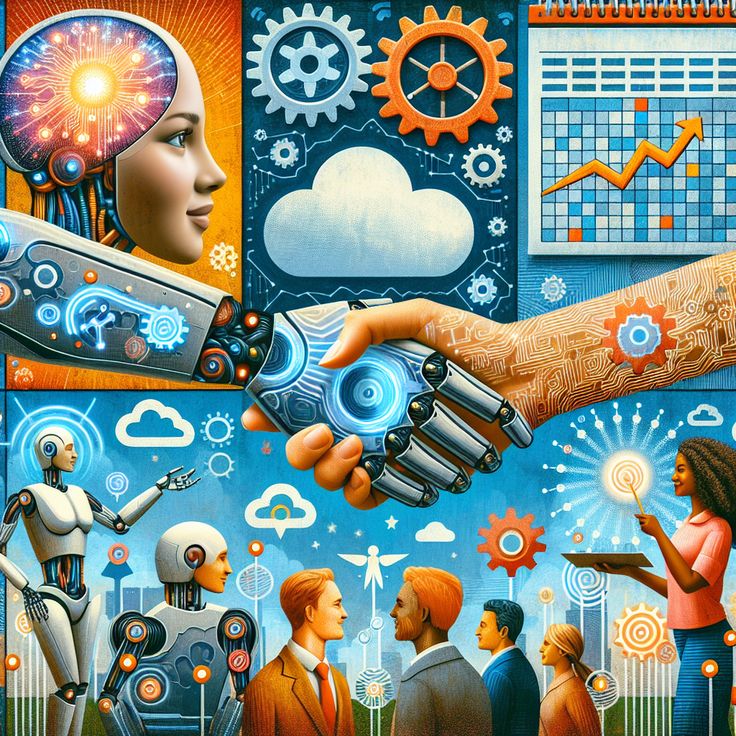
Experts increasingly believe that the future of work will involve collaboration between humans and AI systems. This approach is known as augmented intelligence, where technology supports human abilities rather than replacing them.
In healthcare, AI can analyze medical data and detect patterns quickly, but doctors still make final treatment decisions. In creative industries, AI tools help designers generate ideas, while humans add originality and emotional depth.
Businesses using AI often see improved productivity and innovation. When employees work alongside AI tools, they can focus on strategic thinking and creative problem-solving. This partnership represents the positive side of AI and future workplace evolution.
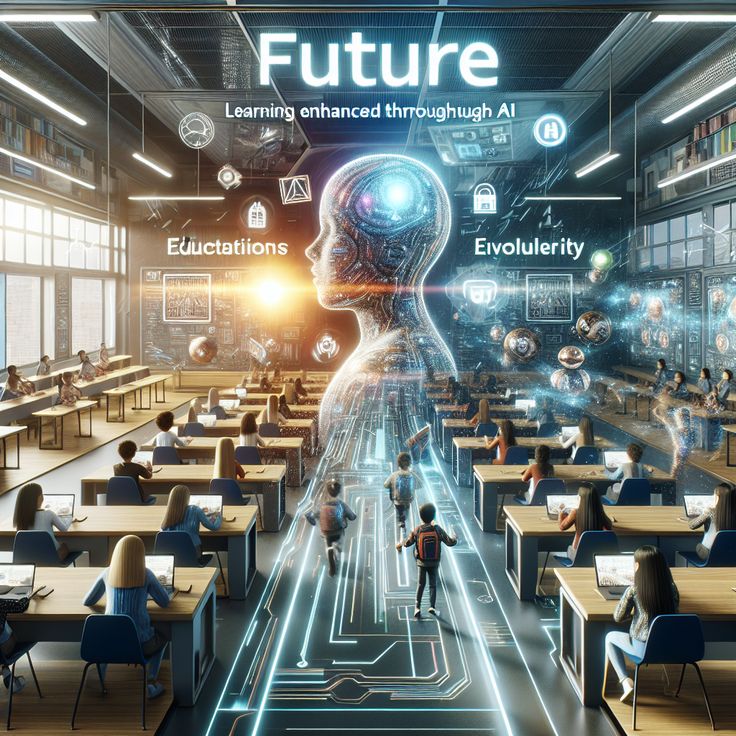
Role of Education and Government in AI and Future Growth
Preparing society for AI transformation requires strong support from education systems and government policies. Educational institutions must teach students about AI technology and encourage critical thinking skills.
Modern learning should focus on science, technology, engineering, and mathematics while also promoting creativity and communication skills. Governments must also provide reskilling programs for workers affected by automation.
Investing in technology infrastructure and creating ethical AI regulations are essential steps toward balanced development. The success of AI and future workforce stability depends on how well societies prepare for technological change.
Predictions About AI and Future Work Environments
The future workplace will likely include a combination of human workers and intelligent machines. Many companies are expected to use hybrid workforce models where AI supports daily operations.
AI may also encourage entrepreneurship by helping individuals start businesses with advanced automation tools. Content creation, digital marketing, and online education are examples of industries where AI supports independent professionals.
New industries that do not exist today may emerge in the coming decades. Just as the internet created digital careers, AI will introduce new professional fields. Continuous learning and technological awareness will become normal parts of professional life.
Challenges Associated with AI and Future Employment
Despite its benefits, AI presents challenges that must be addressed. Job displacement can increase economic inequality if workers lack access to education and training. Ethical concerns such as bias in AI systems and data privacy also require careful regulation.
Societies must ensure that technological progress benefits everyone rather than creating a divide between skilled and unskilled workers. Responsible development and inclusive policies are necessary for sustainable AI and future economic growth.
Conclusion: The Reality of AI and Future Work
The relationship between AI and future employment is neither completely negative nor entirely positive. Artificial Intelligence is transforming industries, replacing certain tasks, and creating new opportunities simultaneously.
AI will continue automating routine jobs, but it will also generate high-skill careers and innovative industries. The future will depend on how individuals, businesses, and governments respond to this transformation.
Workers who embrace learning and adaptability will find success in AI-driven workplaces. Companies that use AI responsibly will benefit from productivity and innovation. Societies that invest in education and training will experience balanced growth.
Ultimately, AI is not just replacing jobs. It is reshaping how humans work and opening new possibilities for progress. The real challenge lies in preparing for this transformation and ensuring that technology supports human development rather than replacing it.
The future of work will belong to those who understand the connection between AI and future opportunities, and who are willing to evolve alongside technology.
Is AI replacing more jobs than it is creating in the future?
The debate around AI and future job markets often focuses on whether artificial intelligence is destroying more jobs than it is generating. The reality is more balanced than extreme headlines suggest. AI is indeed automating repetitive, predictable tasks in industries such as manufacturing, retail, and customer service. However, at the same time, AI is creating new roles in data science, machine learning, cybersecurity, AI ethics, and digital transformation. Historically, technological revolutions have always replaced certain jobs while creating new ones, and AI is following a similar pattern. The difference is the speed of change. The impact of AI and future employment depends largely on how quickly workers adapt and how effectively governments and organizations support reskilling initiatives.
Will AI completely replace human workers in the future?
Despite fears surrounding AI and future employment, it is unlikely that AI will completely replace human workers. Instead, AI is expected to collaborate with humans in what experts call “augmented intelligence.” In this model, AI handles data-heavy and repetitive tasks, while humans focus on strategy, creativity, and relationship-building. For example, AI may assist doctors by analyzing medical images, but final treatment decisions remain in human hands. In business environments, AI tools support decision-making but do not eliminate leadership roles. The future of work will likely involve cooperation between humans and machines rather than total replacement.
Is AI beneficial for the future economy?
The long-term relationship between AI and future economic growth appears promising. AI increases productivity, reduces operational costs, and enhances innovation across industries. Businesses using AI often achieve better efficiency and improved customer experiences. These improvements can lead to economic expansion, new business creation, and higher demand for skilled professionals. However, the benefits depend on inclusive growth strategies. If only certain groups gain access to AI-driven opportunities, economic inequality may increase. Balanced development and fair access to education are key factors in ensuring that AI positively contributes to the global economy.


