

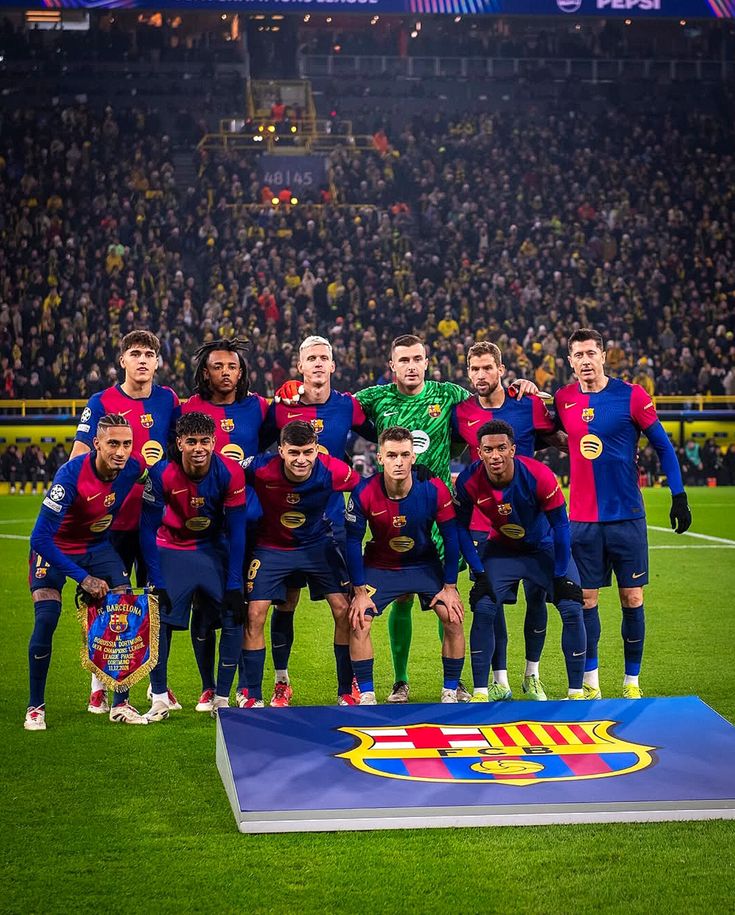
Few football clubs in the world carry the emotional, cultural, and historical weight of FC Barcelona. More than just a team, Barça has long stood as a symbol of identity, particularly in Catalonia. The famous motto “Més que un club” (More than a club) is not just branding—it reflects a deep connection between football, politics, and community.
The FC Barcelona’s philosophy has always revolved around a unique blend of attacking football, youth development, and artistic expression. This identity laid the foundation for one of the greatest rises in football history, making Barcelona not just successful but iconic.
Table of Contents
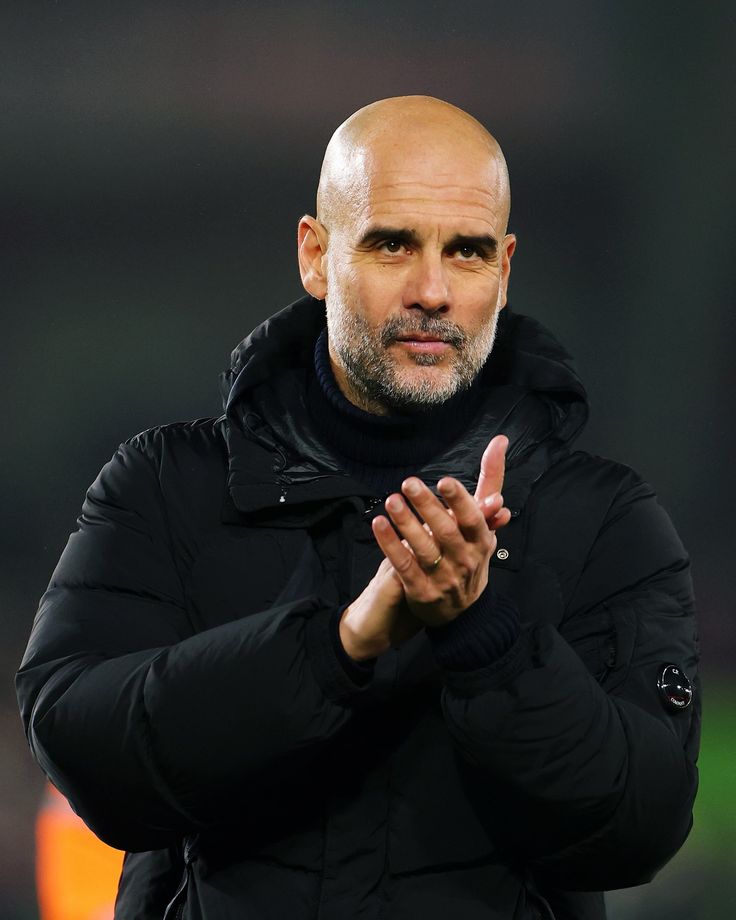
The Golden Rise Under Pep Guardiola
Barcelona’s modern rise reached its peak under the management of Pep Guardiola. Taking charge in 2008, Guardiola revolutionized the game with a tactical philosophy known as “tiki-taka,” emphasizing short passing, positional play, and relentless pressing.
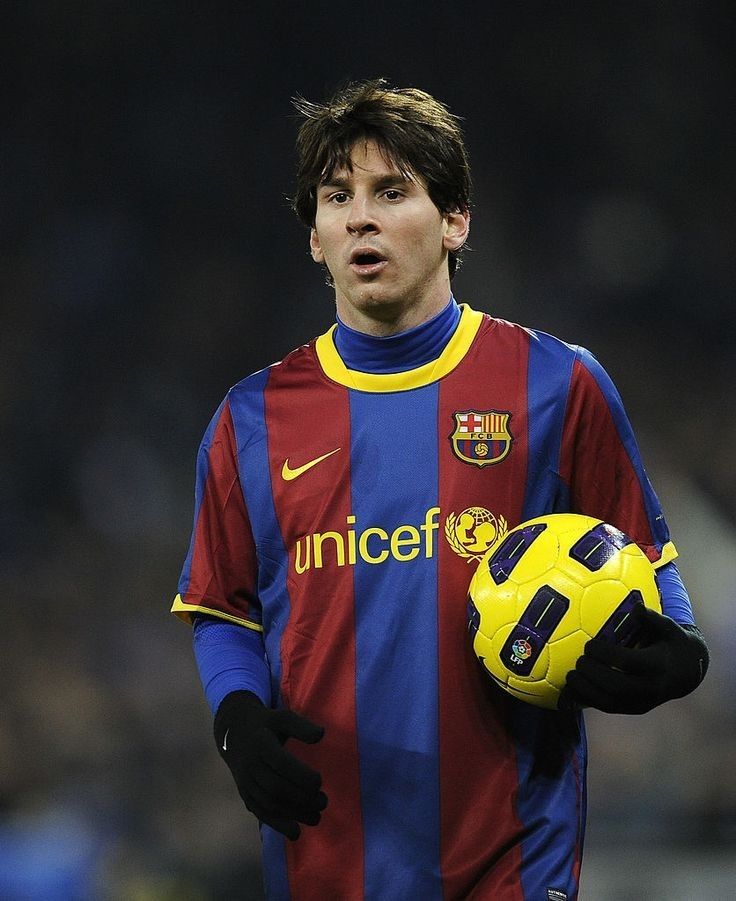
At the heart of this system was Lionel Messi, widely regarded as one of the greatest players of all time. Alongside him were legends like Xavi Hernandez and Andres Iniesta, whose understanding of space and rhythm turned matches into masterclasses.
Between 2008 and 2012, FC Barcelona dominated both domestic and European football. Their triumph in the UEFA Champions League, particularly the 2009 and 2011 finals, showcased a team that many consider the greatest club side ever assembled. They didn’t just win—they redefined how football could be played.
La Masia: The Heart of the Rise
A key pillar of Barcelona’s success was its legendary academy, La Masia. Unlike many clubs that relied heavily on expensive transfers, Barcelona nurtured its own talent.
Players like Messi, Xavi, and Iniesta were not just stars—they were products of a system that emphasized intelligence, technique, and philosophy over physicality. La Masia became a global model, proving that youth development could compete with big-money signings.
This commitment to identity gave Barcelona a sense of continuity that many clubs struggled to replicate. It was not just about winning—it was about how they won.
The Beginning of the Decline
However, no empire lasts forever. After Guardiola’s departure, cracks began to appear. While Barcelona continued to win trophies under managers like Luis Enrique, the underlying structure started to weaken.
The famous attacking trio of Messi, Luis Suarez, and Neymar—often referred to as MSN—brought success, including a treble in 2015. Yet, this period masked deeper issues within the club.
Recruitment strategies became inconsistent, with expensive signings failing to match expectations. The departure of Neymar in 2017 exposed the club’s vulnerability, both financially and tactically.
Financial Crisis and Institutional Chaos
Barcelona’s fall was not just sporting—it was financial and administrative. Under the presidency of Josep Maria Bartomeu, the club’s spending spiraled out of control.
Huge transfer fees and wages led to mounting debt, pushing the club into one of the worst financial crises in football history. By the early 2020s, Barcelona was struggling to register players due to salary cap restrictions imposed by La Liga.
The situation reached a heartbreaking climax in 2021 when Lionel Messi, the face of the club for over a decade, was forced to leave due to financial constraints. His departure symbolized the end of an era and marked the lowest point in Barcelona’s modern history.
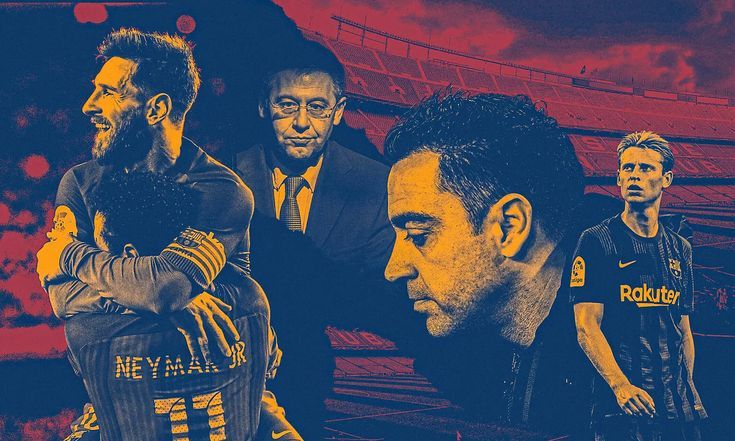
Humiliations on the European Stage
Barcelona’s decline was also evident in their performances in the Champions League. Heavy defeats, including the infamous loss to FC Bayern Munich, exposed the team’s fragility.
These defeats were not just losses—they were symbolic of a club that had lost its identity, confidence, and tactical clarity. The once-dominant giants now appeared vulnerable and directionless.
Fans who were used to brilliance and dominance now faced a painful reality. The club that once defined modern football seemed to have lost its way.
The Seeds of Revival
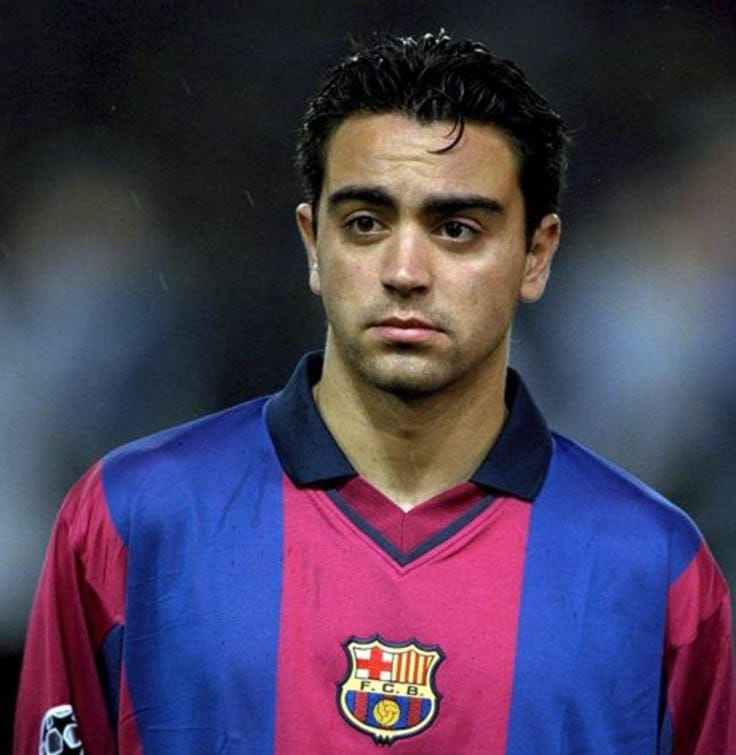
Despite the chaos, Barcelona’s story did not end in decline. The appointment of Xavi Hernandez as head coach marked the beginning of a new chapter.
A former player who embodied the club’s philosophy, Xavi brought back a sense of identity and purpose. His approach focused on rebuilding from within, emphasizing discipline, structure, and a return to positional play.
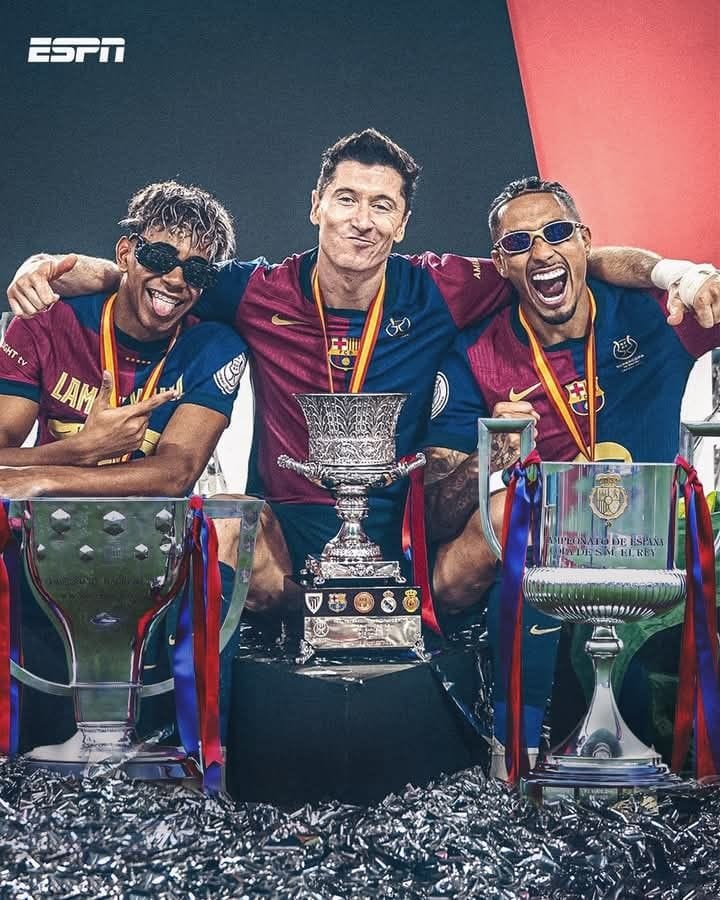
Young talents like Pedri, Gavi, and Lamine Yamal emerged as the new face of Barcelona. Once again, La Masia began to play a crucial role in shaping the team’s future.
Smart Rebuilding in Difficult Times
Unlike the past, Barcelona’s revival has been shaped by necessity. Financial constraints forced the club to adopt a more strategic approach to transfers and wages.
Under the leadership of Joan Laporta, the club focused on balancing competitiveness with sustainability. While controversial financial mechanisms were used to stabilize the situation, there was also a clear shift toward long-term planning.
The team began to show signs of resilience, winning domestic titles and competing with renewed energy. The emphasis was no longer just on star power but on cohesion and identity.
A New Era with Old Values
FC Barcelona’s revival is not just about results—it is about rediscovering its soul. The club is gradually returning to its roots, prioritizing youth, philosophy, and attacking football.
While the current team may not yet match the brilliance of the Guardiola era, there is a renewed sense of optimism. The blend of young talent and experienced players offers hope for sustained success.
More importantly, Barcelona is once again playing football that reflects its identity—creative, intelligent, and expressive.
The Emotional Bond with Fans
One of the most remarkable aspects of FC Barcelona’s journey is the unwavering support of its fans. Even during the darkest moments, the connection between the club and its supporters remained strong.
This emotional bond is a key reason why Barcelona continues to rise again. It is not just about trophies—it is about belonging, pride, and shared history.
From the roaring stands of Camp Nou to millions of fans around the world, Barcelona’s story is one of resilience and passion.
Conclusion: A Story Still Being Written
The rise, fall, and revival of FC Barcelona is more than just a football narrative—it is a reflection of how institutions evolve, struggle, and rebuild. From the heights of global dominance to the depths of financial crisis, and now toward a hopeful future, Barcelona’s journey is both cautionary and inspiring.
The club’s story reminds us that success is not permanent, but neither is failure. With its renewed focus on identity, youth, and sustainability, Barcelona is once again writing a new chapter.
And if history has taught us anything, it is that when Barcelona finds its rhythm, the world of football watches in awe.
Why is FC Barcelona’s golden era under Pep Guardiola considered historic?
The golden era of FC Barcelona under Pep Guardiola is considered historic because it revolutionized modern football with its unique style of play known as tiki-taka. During this period, it dominated both domestic and European competitions while playing a brand of football that was not only effective but also aesthetically beautiful. The team’s ability to control possession, create space, and maintain rhythm made it nearly unbeatable, and their performances in major finals are still regarded as some of the finest examples of team football ever witnessed.
What led to the financial crisis at FC Barcelona?
The financial crisis at Barcelona was the result of years of mismanagement, excessive spending on transfers, and unsustainable wage structures that put immense pressure on the club’s finances. Over time, Barcelona accumulated significant debt, which was worsened by declining revenues and poor strategic decisions at the administrative level. This situation reached a critical point when Barcelona struggled to comply with league financial regulations, ultimately leading to difficult decisions such as letting go of key players, which had a major emotional and sporting impact on the club.
How did FC Barcelona recover after its decline?
The recovery of Barcelona has been a gradual process driven by a return to its core values and a focus on rebuilding the team with a long-term vision. Instead of relying on expensive signings, Barcelona began investing in young talents and restructuring its financial model to ensure sustainability. With a renewed emphasis on discipline, tactical clarity, and identity, Barcelona has started to regain its competitive edge while also reconnecting with the style of play that once defined its global success.
Who are the new stars leading FC Barcelona’s revival?
The revival of Barcelona is being led by a new generation of talented young players who represent the future of the club. These players have brought energy, creativity, and determination to the team, helping Barcelona transition into a new era after the departure of legendary figures. Their development reflects the club’s continued commitment to nurturing talent and maintaining its footballing philosophy, ensuring that FC Barcelona remains competitive while staying true to its identity.
Can FC Barcelona return to its previous dominance in world football?
FC Barcelona has the potential to return to its previous dominance in world football, but it will require patience, smart decision-making, and consistency both on and off the field. While the current team is still evolving, the foundations being built suggest that Barcelona is on the right path toward long-term success. By focusing on youth development, financial stability, and a clear tactical identity, can once again become a dominant force, even if the journey takes time and careful planning.


