

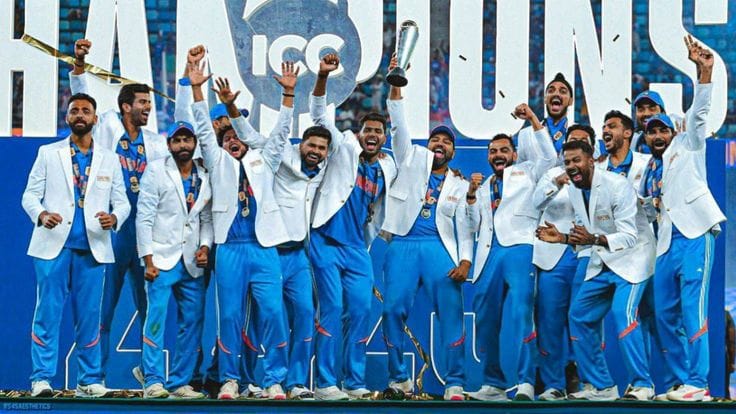
The journey of the Indian Men’s Cricket Team Captains is not just a timeline of names and trophies, but a powerful story of leadership, resilience, and national pride. Cricket in India is more than a sport; it is a collective emotion shared across generations. Every captain who has led the Indian side carried not only the responsibility of strategy and performance but also the hopes of millions of fans.
From the early days of international cricket to modern high-pressure tournaments, Indian men’s cricket captains history reflects transformation, growth, and ambition. Each era brought new challenges, and every leader responded differently, shaping the identity of Indian cricket in their own way.
Table of Contents
The Early Foundations of Indian Leadership
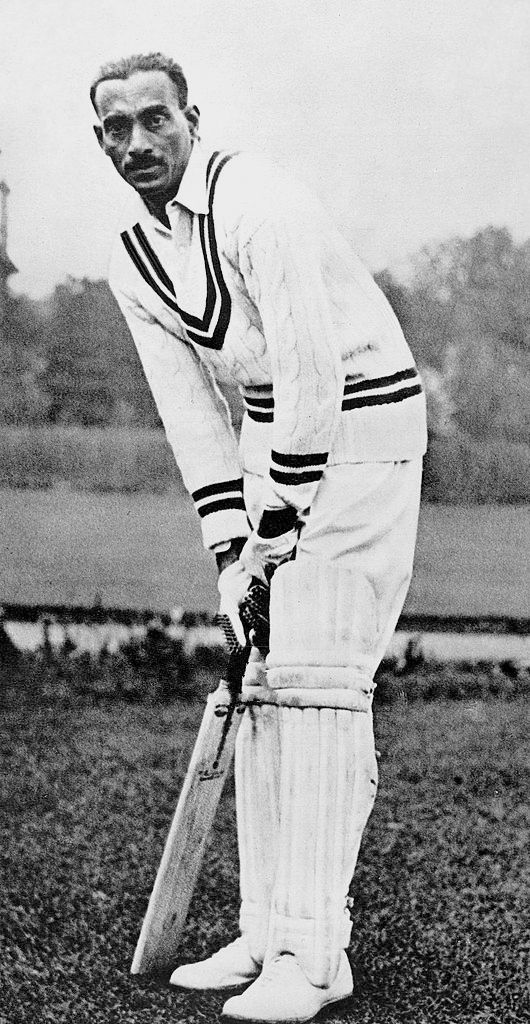
The story begins in 1932 when C. K. Nayudu became the first captain of India in Test cricket. Leading the team during its debut Test match at Lord’s, Nayudu laid the foundation for what would become a remarkable leadership tradition. In those early years, Indian cricket was still finding its footing on the international stage.
The Indian men’s cricket captains list from this period shows frequent changes, as the team searched for consistency and stability. Captains during this era had limited resources, faced strong opposition overseas, and played fewer matches compared to modern times. Yet, their contribution remains vital because they established the belief that India belonged in international cricket.
The Rise of Confidence in the 1970s and 1980s
The 1970s marked a shift in mindset. Under leaders like Ajit Wadekar, India achieved historic overseas series wins in England and the West Indies. These victories signaled that India could compete beyond home conditions.
However, the most defining chapter in Indian men’s cricket captains history arrived with Kapil Dev. His leadership during the 1983 Cricket World Cup changed everything. India’s victory over the dominant West Indies at Lord’s was not just a sporting triumph; it was a cultural milestone. Kapil Dev’s fearless attitude inspired a generation and transformed India’s image in world cricket. Among India men’s ODI captains, his legacy stands as one of the most revolutionary.
The Strategic Shift in the 1990s
The 1990s were a transitional period. India produced iconic players, but consistent team success remained elusive. Leadership during this time required managing immense expectations in a rapidly commercializing cricket environment. Captains had to navigate changing formats, increasing media scrutiny, and the growing popularity of limited-overs cricket.
Although the team faced ups and downs, this era prepared the foundation for a new wave of aggressive leadership that would redefine Indian cricket in the early 2000s.
Sourav Ganguly and the New Aggression
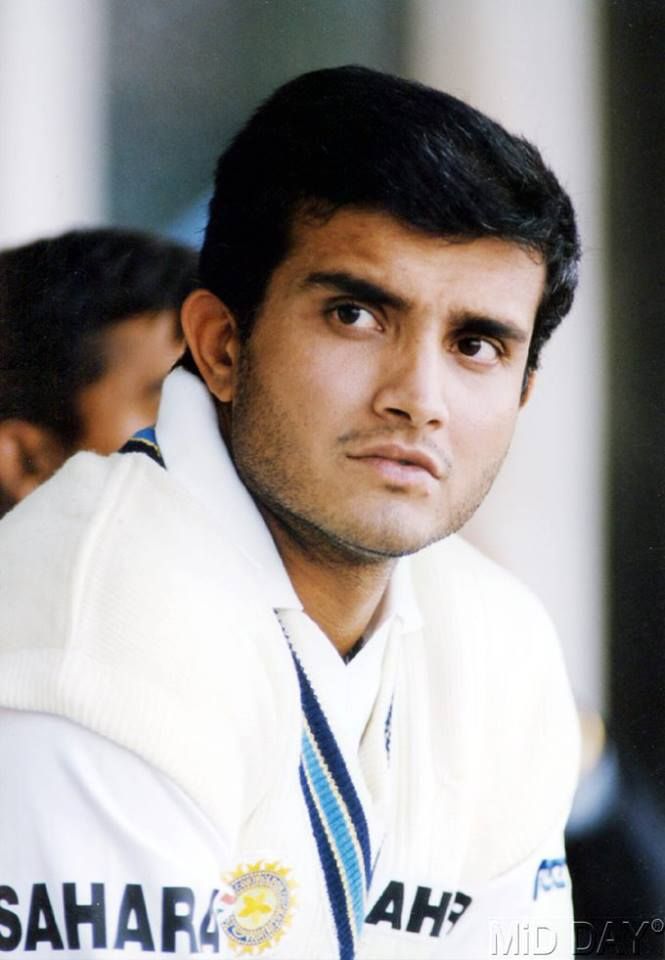
When Sourav Ganguly took charge, he introduced a bold and fearless brand of cricket. As one of the most influential Indian Men’s Cricket Team Captains, Ganguly backed young talent and encouraged players to challenge the best teams in their own conditions.
India’s performance in the 2003 World Cup and historic overseas victories during his tenure reflected a shift in mindset. He nurtured future legends and instilled confidence in the dressing room. In the broader Indian men’s cricket captains list, Ganguly is remembered as the architect of modern Indian cricket aggression.
MS Dhoni and the Golden Era
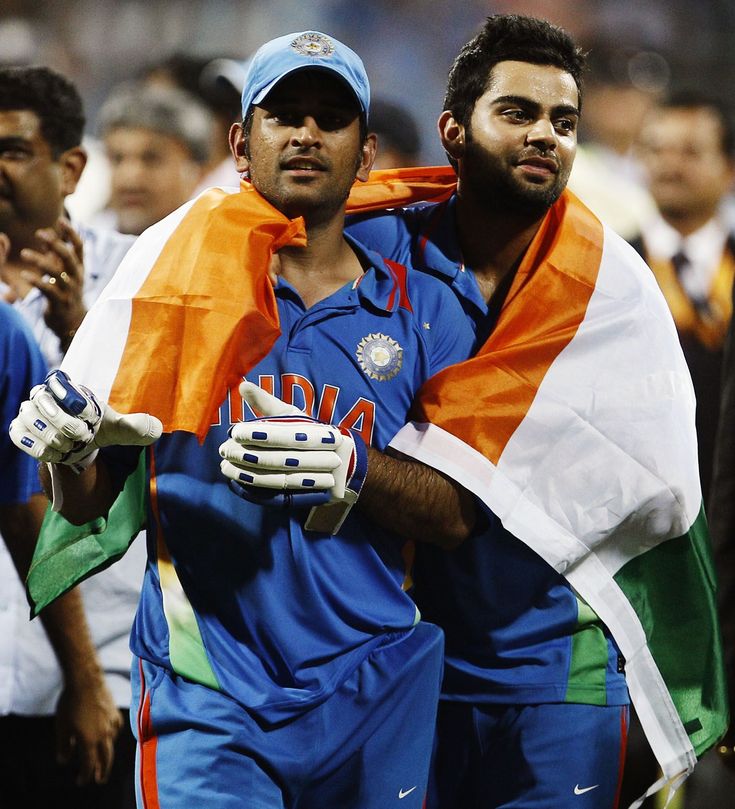
Few names resonate as strongly in Indian cricket as MS Dhoni. Calm under pressure and tactically sharp, Dhoni ushered in one of the most successful phases in Indian cricket history. Under his captaincy, India won the inaugural T20 World Cup in 2007, the ODI World Cup in 2011, and the Champions Trophy in 2013.
As one of the greatest India men’s T20 captains and India men’s ODI captains, Dhoni mastered the art of finishing games and trusting young players in crucial moments. His leadership style was composed yet decisive. He also guided India to the top of the ICC Test rankings, strengthening the legacy of India men’s Test captains in the modern era.
Dhoni’s era symbolized belief, clarity, and balance between aggression and calmness. His influence continues to shape leadership approaches in Indian cricket.
Virat Kohli and the Era of Intensity
The next significant phase in Indian men’s cricket captains history was led by Virat Kohli. Kohli brought unmatched intensity, passion, and a strong emphasis on fitness standards. Under his leadership, India achieved its first-ever Test series win in Australia and maintained dominance in home conditions.
Among India men’s Test captains, Kohli stands out for prioritizing fast bowling strength and overseas competitiveness. His aggressive approach and visible energy inspired teammates to raise their performance levels. Although ICC trophies remained elusive during his tenure, his contribution to building a formidable Test side is undeniable.
Rohit Sharma and the Modern Approach
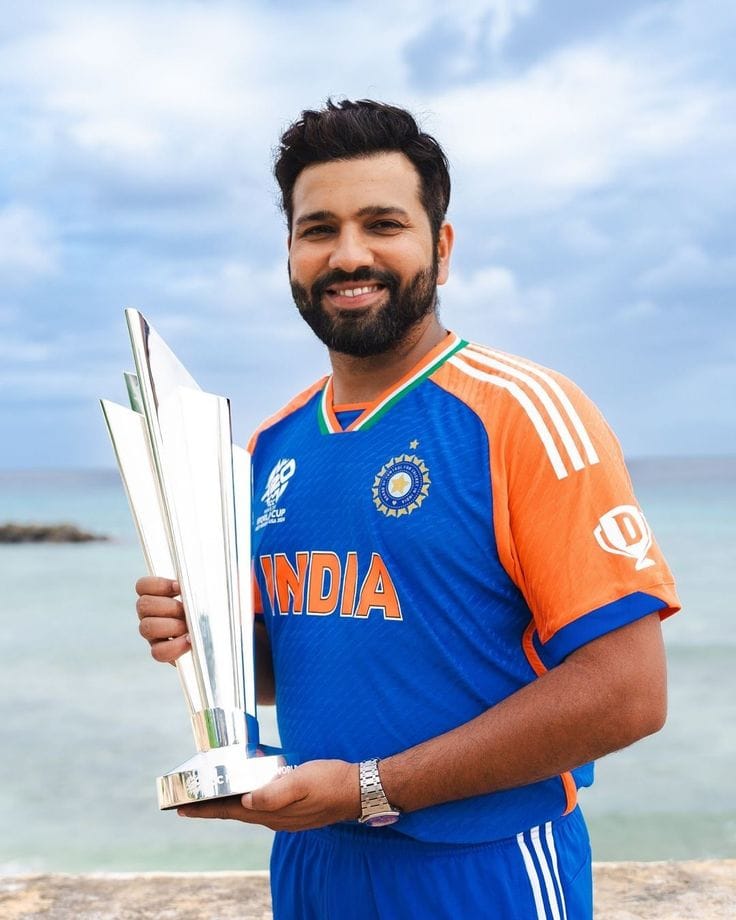
In recent years, Rohit Sharma has taken on leadership responsibilities across formats. His calm demeanor combined with strategic awareness represents the modern evolution of Indian Men’s Cricket Team Captains.
Rohit’s approach balances data-driven analysis with player confidence. As one of the prominent India men’s ODI captains and India men’s T20 captains of the current generation, he focuses on adaptability in fast-changing match situations. His leadership reflects maturity, flexibility, and the ability to manage experienced and young players alike.
Leadership Across Different Formats
The demands of leadership differ significantly between Test, ODI, and T20 formats. India men’s Test captains require patience, long-term planning, and mental resilience to navigate five-day contests. They must manage bowling rotations, field placements, and tactical battles that unfold over sessions.
India men’s ODI captains need a balance between steady accumulation and sudden acceleration. Strategic bowling changes and field adjustments over fifty overs require careful judgment.
India men’s T20 captains, on the other hand, operate in high-speed environments where one over can change the outcome. Quick thinking, innovation, and risk-taking define success in the shortest format. The Indian men’s cricket captains list demonstrates how leaders adapted their styles to suit these evolving demands.
The Emotional Weight of Captaincy
Captaining India is one of the most demanding roles in world cricket. The expectations of over a billion fans, constant media scrutiny, and the pressure of performing in global tournaments create immense challenges. Every decision is analyzed, and every loss is deeply felt.
Yet, this pressure has often forged strong leaders. Indian men’s cricket captains history is filled with moments of adversity where captains faced criticism but emerged stronger. Their resilience under pressure has strengthened India’s identity as a competitive cricketing nation.
A Legacy That Continues to Inspire
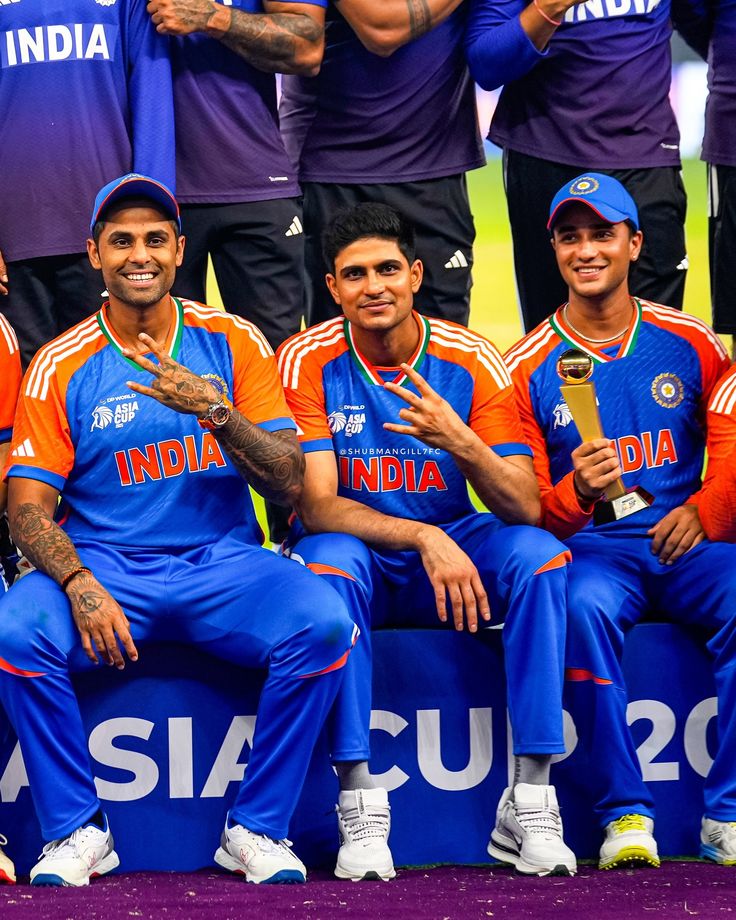
The legacy of Indian Men’s Cricket Team Captains extends beyond trophies and statistics. It lies in the culture they build, the confidence they instill, and the inspiration they provide to young cricketers across the country. Each captain has contributed to shaping India into a global cricket powerhouse.
From the pioneering efforts of C. K. Nayudu to the transformational leadership of Kapil Dev, from Ganguly’s aggression to Dhoni’s calm brilliance, from Kohli’s intensity to Rohit’s composure, the journey reflects continuous evolution. The Indian men’s cricket captains list will continue to grow, but the values of courage, accountability, and national pride remain constant.
Conclusion: Leadership That Defined Generations
The story of Indian men’s cricket captains history is ultimately a story of leadership shaping destiny. Every era produced a captain who responded to the demands of his time, guiding the team through victories and setbacks alike.
As Indian cricket looks toward the future, the foundation built by past and present Indian Men’s Cricket Team Captains ensures that leadership will remain strong and visionary. Their legacy is not only written in record books but also in the hearts of millions who celebrate every triumph and learn from every challenge.
Who was the first captain of the Indian men’s cricket team?
The first captain of the Indian men’s cricket team was C. K. Nayudu, who led India in its debut Test match in 1932 at Lord’s. He holds a special place in Indian men’s cricket captains history because he represented the nation at a time when India was just entering international cricket. As one of the earliest Indian Men’s Cricket Team Captains, he laid the foundation for leadership, discipline, and national pride in the team’s journey.
Who is the most successful captain of the Indian men’s cricket team?
MS Dhoni is widely regarded as one of the most successful leaders of the Indian men’s cricket team. He guided India to victories in the 2007 T20 World Cup, the 2011 ODI World Cup, and the 2013 Champions Trophy. His calm decision-making and tactical brilliance strengthened India’s legacy among India men’s ODI captains and India men’s T20 captains.
How has leadership evolved in the Indian men’s cricket team?
Leadership in the Indian men’s cricket team has shifted from cautious beginnings to aggressive and fitness-driven strategies. Captains like Sourav Ganguly built confidence overseas, while Virat Kohli emphasized intensity and fast-bowling dominance. Modern Indian Men’s Cricket Team Captains adapt quickly across Test, ODI, and T20 formats, reflecting the evolution seen in Indian men’s cricket captains history.
Why is captaining the Indian men’s cricket team so challenging?
Captaining the Indian men’s cricket team involves handling massive expectations from fans and media. Indian Men’s Cricket Team Captains must manage different formats, balance senior and young players, and make strategic decisions under pressure. The role demands mental strength, tactical awareness, and consistent performance at the highest level.
How do captains influence the long-term success of the Indian men’s cricket team?
Captains shape the culture, confidence, and direction of the Indian men’s cricket team. Leaders like Kapil Dev inspired belief through historic wins, while Rohit Sharma represents modern adaptability. Their leadership strengthens the Indian men’s cricket captains list and ensures sustained growth across formats.


