


Sports trends 2026 reflect a powerful transformation that blends youthful ambition with cutting-edge technology. The global sports industry is no longer defined only by physical performance. It is shaped by digital visibility, data-driven strategies, and immersive fan experiences. Across continents, emerging talents are rewriting records while stadiums are evolving into high-tech arenas.
This new era feels faster, more connected, and deeply interactive. Audiences are not just watching games; they are experiencing them in ways that were unimaginable a decade ago. At the same time, young athletes are stepping into the spotlight earlier than ever before, carrying both expectation and opportunity.
Table of Contents
The Rise of Young Athletes in 2026
One of the most defining sports trends 2026 is the dominance of young athletes. Teenagers and early twenty-somethings are no longer considered “future prospects.” They are present-day champions. Early exposure, advanced academies, and global scouting systems have accelerated their journeys.
In tennis, names like Carlos Alcaraz represent a generation that combines athletic brilliance with social media presence. His aggressive style and charismatic personality have drawn millions of followers, proving that performance and personality go hand in hand. Young athletes today understand branding as much as biomechanics.
Basketball has witnessed similar developments. The global reach of the NBA ensures that talented players from different countries gain exposure through digital scouting and analytics platforms. Highlight reels circulate worldwide within minutes, attracting attention from coaches, sponsors, and fans alike.

Technology Transforming Athlete Development
Modern training in 2026 goes far beyond traditional drills. Young athletes now rely on wearable devices, AI-based tracking systems, and personalized nutrition plans. Performance metrics such as heart rate variability, sprint efficiency, and recovery time are analyzed daily.
Virtual coaching sessions connect athletes with specialists across continents. Motion-capture technology allows real-time corrections without physical presence. This blend of science and sport enhances performance while reducing injury risks. The rise of young athletes is directly linked to these technological advancements.
Mental conditioning has also become central. With early fame comes intense pressure. Sports organizations now integrate psychological support systems to help athletes manage expectations, online criticism, and personal branding responsibilities. The conversation around mental health is no longer hidden; it is an essential part of athlete development.
Social Media and Personal Branding
Another powerful force shaping sports trends 2026 is social media. Platforms have become digital stages where athletes share training routines, recovery sessions, and personal milestones. A single viral clip can transform a local player into an international sensation overnight.
Young athletes understand that their online identity influences sponsorship opportunities. Brands increasingly collaborate with players who have authentic engagement rather than just impressive statistics. This shift has changed endorsement strategies, placing personality and relatability at the forefront.
However, constant visibility also brings scrutiny. Maintaining focus while being globally observed requires resilience. Athletes today must balance performance with public interaction, making digital literacy an unexpected but necessary skill.
The Evolution of Digital Stadiums
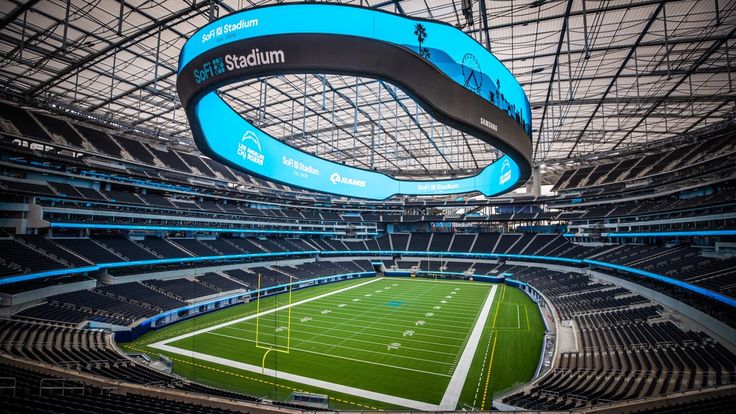
While young athletes capture headlines, stadiums themselves are undergoing a revolution. The concept of a digital stadium defines sports trends 2026 just as strongly as emerging talent does. Modern arenas combine physical excitement with immersive digital layers.
At iconic venues such as Wembley Stadium, fans can access augmented reality features through dedicated apps. By pointing their phones toward the field, they unlock real-time statistics, player heat maps, and tactical insights. The match becomes interactive rather than passive.
Biometric entry systems reduce waiting time and enhance security. Cashless payments dominate concession stands. Spectators can order refreshments directly to their seats, ensuring they do not miss crucial moments. The convenience enhances overall fan satisfaction.
Virtual Reality and Global Access
Global tournaments have embraced digital expansion. During events like the FIFA World Cup, virtual reality broadcasting enables fans worldwide to experience matches as if seated in premium sections. This technology removes geographical limitations and expands accessibility.
Multi-angle streaming options allow viewers to customize their experience. Fans can switch camera perspectives, choose commentary styles, and replay key moments instantly. Sports trends 2026 emphasize personalization, giving audiences greater control than ever before.
Hybrid viewing models, which gained popularity during pandemic years, remain relevant. Virtual fan walls, live chats, and interactive polls maintain engagement even when supporters are thousands of kilometers away.
The Role of Data and Analytics
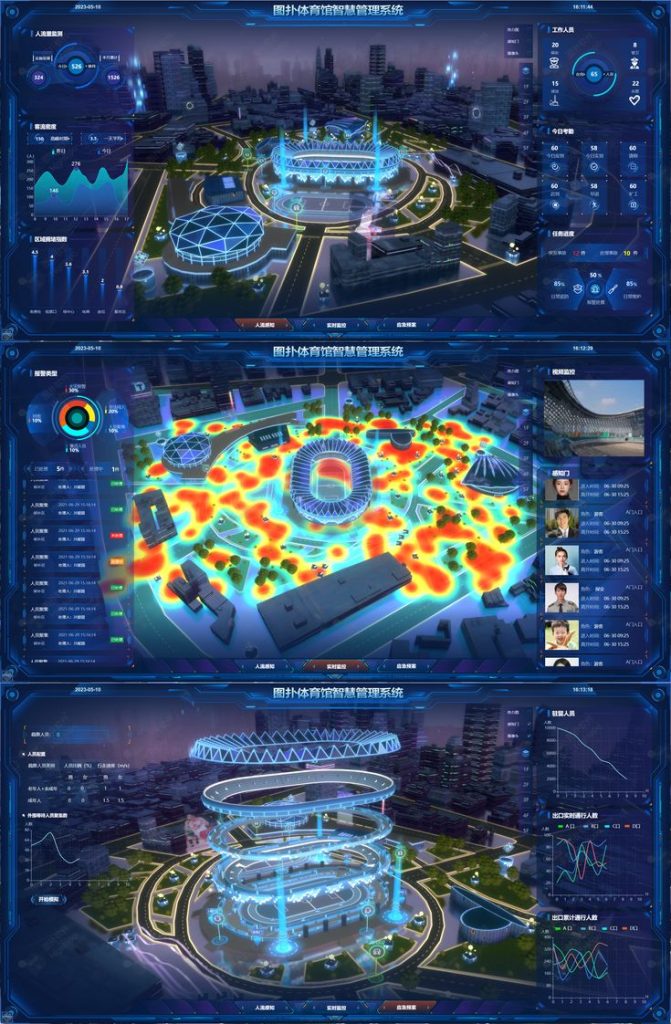
Data analytics plays a transformative role both on and off the field. Coaches analyze opponent patterns using advanced software. Athletes track performance trends to refine techniques. Predictive modeling assists teams in strategic decision-making.
For fans, analytics adds depth to the viewing experience. Fantasy leagues integrate live data streams, while broadcasters provide real-time probability graphics. The line between spectator and analyst is gradually fading.
Digital collectibles and NFT-based memorabilia represent another layer of engagement. Younger audiences are drawn to virtual merchandise that connects sports with gaming and digital communities
Sustainability and Social Responsibility
Sustainability has become integral to sports trends 2026. Modern stadiums are designed with solar panels, energy-efficient lighting, and water recycling systems. Environmental responsibility is no longer optional; it is expected.
Young athletes often use their platforms to advocate for climate awareness and social equality. Their influence extends beyond competition. Fans increasingly support teams and players who demonstrate ethical values and community involvement.
Grassroots initiatives have also expanded with digital support systems. Online scholarship portals and scouting databases create opportunities for talented individuals from underserved communities. Inclusivity is gradually strengthening the global sports ecosystem

Women’s Sports and Expanding Visibility
Women’s sports continue to rise in prominence. Increased media coverage, improved pay structures, and digital broadcasting platforms have boosted visibility worldwide. Young female athletes are becoming household names, inspiring future generations.
Digital stadium technology ensures that women’s tournaments receive global attention. Interactive streaming, social engagement campaigns, and behind-the-scenes content contribute to growing audiences. Sports trends 2026 highlight a more balanced and inclusive sporting world.
The Future of Sports Beyond 2026
Looking forward, the integration of youth and technology will deepen. Training systems will become smarter. Fan experiences will grow more immersive. Digital stadiums may incorporate holographic displays and AI-generated commentary tailored to individual preferences.
Despite technological evolution, the emotional core of sports remains constant. The roar of a crowd, the tension of a penalty kick, and the joy of victory continue to define the experience. Technology enhances these moments but does not replace them.
Sports trends 2026 ultimately represent transformation driven by connection. Young athletes bring fearless ambition and global relatability. Digital stadiums create interactive spaces that unite fans worldwide. Together, they signal the beginning of a sporting era that values innovation, inclusivity, and shared passion.
In this dynamic landscape, sports is no longer confined to a field or court. It is an interconnected ecosystem powered by talent, technology, and human emotion. The rise of young athletes and digital stadiums is not a temporary phase. It is the foundation of the future.
What makes sports trends 2026 different from previous years?
Sports trends 2026 stand out because of the strong combination of youth dominance and digital transformation. Unlike earlier decades where experience was often prioritized over age, today’s sports environment empowers young athletes with advanced training tools, global exposure, and data-driven strategies from an early stage. At the same time, stadiums are no longer just physical venues. They are digitally enhanced ecosystems offering virtual reality viewing, real-time analytics, biometric entry systems, and interactive fan engagement. This fusion of human potential and technology defines the uniqueness of 2026 in the global sports landscape.
Why are young athletes becoming successful at an earlier age?
Young athletes are succeeding earlier because of improved scouting networks, better grassroots academies, and access to advanced sports science. Wearable technology, AI performance tracking, personalized nutrition plans, and virtual coaching sessions help them refine skills efficiently. Social media exposure also accelerates recognition, allowing talent to be noticed globally within minutes. Instead of waiting years for traditional exposure, rising stars now build international reputations while still in their teens, which significantly shortens the path to professional success.
What is a digital stadium in 2026?
A digital stadium in 2026 refers to a technologically advanced sports venue that integrates physical and virtual experiences. These stadiums use augmented reality apps, cashless systems, biometric security, and real-time statistical overlays to enhance fan interaction. Supporters can access live player data, alternate camera angles, and immersive virtual reality experiences whether they are present at the venue or watching remotely. The concept ensures that both in-person and global audiences feel equally connected to the event.
How is technology shaping athlete training in 2026?
Technology has become central to athlete development. Modern training involves data analytics, motion-capture systems, heart rate monitoring devices, and recovery tracking tools. Coaches analyze detailed performance metrics to design personalized programs. Virtual sessions connect athletes with international experts without geographical barriers. This technology-driven approach reduces injury risks, improves performance efficiency, and allows young athletes to compete at elite levels much earlier in their careers.


