


In a world that’s rapidly changing socially, technologically, and culturally, love doesn’t stay the same for long. Today’s relationships look dramatically different from those of even a decade ago. Modern love stories shaped by digital connection, shifting social norms, and evolving value reveal how new generations are redefining what it means to love and be loved. From dating apps and long-distance digital romance to emotional independence and fluid identities, the way we connect has transformed in ways both exciting and challenging.
In this article, we’ll explore the core trends that define modern relationships and uncover how younger generations especially millennials and Gen Z are reshaping love in the 21st century. If you’re curious about the future of relationships, you’ll find insight, empathy, and real examples here.
Table of Contents
From Offline to Online: The Rise of Dating Apps
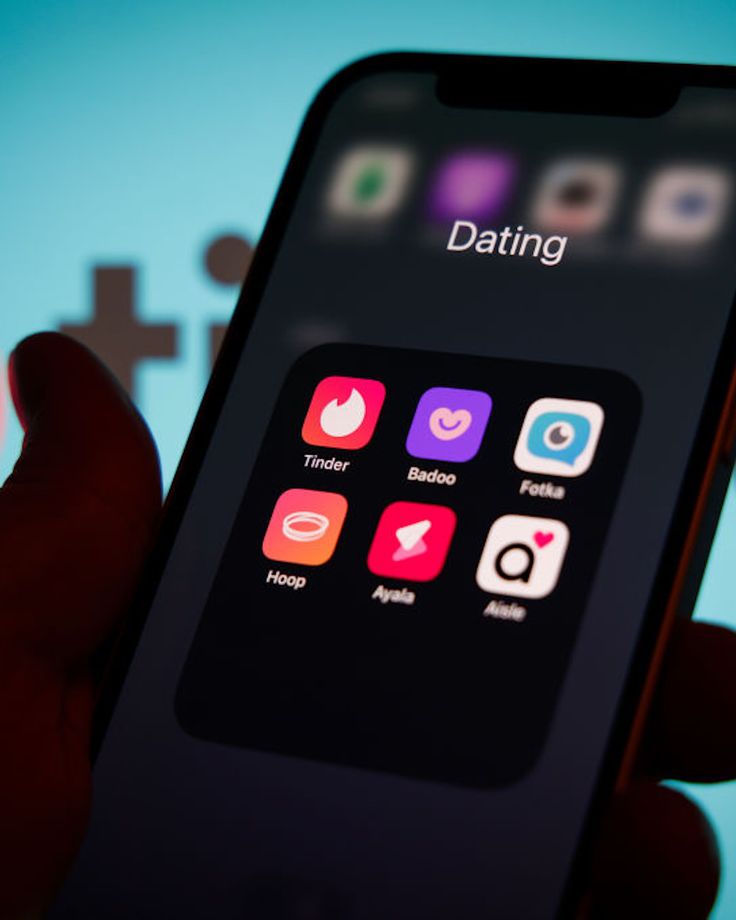
There was a time when meeting someone meant bumping into them at a café or through friends. Today, digital dating is mainstream. Apps like Tinder, Bumble, Hinge, and OkCupid have changed the way people connect — turning swipes into sparks and messages into meaningful conversations. According to surveys, a significant percentage of young couples today meet online, reflecting how dating apps have become a social norm rather than a last resort.
These platforms have democratized dating; they give people choice, control, and convenience. But with that comes complexity: decision fatigue, ghosting, and casual flings that blur the boundaries of commitment.
Still, as Gen Z relationship coach Liza Williams says, “Online dating is just the new social scene — it’s where people live their lives now. What matters is intention, not the medium.” And that’s arguably the biggest shift: intentional connection in a world full of options.
Fluid Relationships and Non-Traditional Models
Not too long ago, society rewarded a single model of partnership: monogamy leading to marriage and family. While this still prevails for many, newer generations are more open to fluid forms of love — from polyamory and ethical non-monogamy to long-term partnering without legal marriage.
Younger couples now recognize that relationships can be non-linear and uniquely defined. Instead of fitting a template, partners negotiate boundaries, expectations, and shared goals. This isn’t about avoiding commitment — it’s about crafting a version of commitment that feels authentic to both individuals. For example: Some couples choose serial monogamy: deep commitment in phases, not necessarily forever.
Others prefer open communication frameworks where emotional and physical needs are discussed honestly.
What this trend signals is powerful: love today is less about compliance and more about consent, clarity, and choice.
Conversations Over Assumptions
Many older generations grew up in cultures where emotional expression was subdued or internalized. Now, communication skills are central to modern love stories. Millennials and Gen Zers prioritize emotional intelligence — believing that vulnerability isn’t a weakness but a path to deeper connection.
Therapy, mental health awareness, and emotional literacy have seeped into how people date and sustain relationships. Partners are more likely to Practice active listening,Ask about emotional needs,Use structured check-ins and Understand love languages
Instead of assuming how the other feels, couples today talk about it. This shift may be subtle, but it plays a huge role in healthier, more resilient connections

When Distance Isn’t a Dealbreaker
Thanks to video calls, instant messaging, and social apps, long-distance relationships (LDRs) are more sustainable than ever. Where once distance often meant heartbreak, today it can be seen as a temporary challenge rather than a dealbreaker.
The pandemic ironically accelerated this trend. Millions discovered that emotional closeness doesn’t require physical presence all the time. As one young adult put it, “We fell in love in different time zones, but our hearts found the same beat.”
Global mobility, remote work, and international communities mean many relationships start and thrive across continents. For many, the idea of love without borders isn’t fringe it’s real life.
Individual Identity Over Social Expectation
One of the most profound differences in modern love stories is the centrality of identity — personal, gender, and relational. Younger generations reject outdated roles and embrace fluid definitions of self and partnership.
Whether it’sLGBTQ+ relationships publicizing pride and authenticity ,Non-binary identities shaping how people define relationship,Or self-love as a foundation before entering partnerships,
The focus has shifted from fitting a role to being true to oneself. Love today honors autonomy, celebrates uniqueness, and encourages partners to grow both individually and together.
Love in the Age of Instagram and TikTok
There’s no denying social media’s influence on how relationships are perceived and performed. From couples’ TikTok trends to aesthetic Instagram announcements, digital culture frames many love stories for the world to see.
But this influence has two sides:
Positive: Celebrating love, creating community, sharing joyful milestones.Negative: Comparison traps, curated perfection, and pressure to perform a relationship rather than live it.
Savvy young daters recognize this. They use social platforms to express themselves while maintaining privacy and integrity in their actual relationships. The lesson? A meaningful love isn’t defined by likes or comments — it’s built in the quiet, unfiltered moments
Challenges in Modern Relationships
Despite the beauty of modern love, there are real challenges:
Choice Overload
With countless people at one’s digital fingertips, choosing one connection can feel overwhelming. Paradoxically, more options can reduce satisfaction, making it harder to commit.
Ghosting, Breadcrumbing, and Dating Burnout
When communication norms loosen, problematic behaviors like ghosting (sudden disappearance) and breadcrumbing (minimal engagement) can hurt deeply. Today’s daters often become more resilient and communicative — but also more cautious.
Vulnerability Fatigue
It’s trendy to talk about feelings, but real emotional work is hard. Relationships today demand psychological honesty that wasn’t always expected in the past.
Understanding and navigating these challenges is part of the modern love story — because love isn’t always easy, just more self-aware.
What Newer Generations Value in Love
So what do millennials and Gen Z prioritize in relationships?
Authenticity
Faking it just doesn’t cut it anymore. People want relationships that reflect who they truly are.
Communication
Good communication isn’t optional — it’s foundational.
Mutual Growth
Partners are seen as teammates in life’s journey, not just romantic companions.
Emotional Support
No longer an unspoken need — emotional support is actively pursued and appreciated.
Flexibility
Rigid rules are out; adaptable love systems are in.
These values reflect a deeper evolution: relationships are no longer just about survival, security, or social expectation. They are co-created experiences where both partners contribute to something meaningful.
Conclusion: Love Reimagined
Modern love stories are not bound by tradition, physical distance, or old expectations. Instead, they are dynamic, intentional, and deeply human. Newer generations are redefining relationships with transparency, emotional depth, and personal choice at the forefront.
Love isn’t one thing anymore — it’s many things.
It’s flexible and faithful.
It’s honest and exploratory.
And most importantly, it’s evolving with each heartbeat, each connection, and each new beginning.
Whether you’re curious about modern relationships, navigating your own love story, or simply fascinated by love’s evolution, one thing is clear: love today is alive, adaptable, and full of possibility.
How are modern relationship stories different from traditional love stories?
Modern relationships stories in 2026 feel less like fairy tales and more like real life, and that is exactly why people connect with them so deeply. Unlike traditional love stories that focused mainly on lifelong commitment, sacrifice, or social approval, today’s stories highlight emotional honesty, personal growth, and mutual understanding. Love is no longer shown as something that completes a person but as something that grows alongside individual identities. These stories openly talk about communication struggles, mental health, career ambitions, and changing priorities, making love feel more relatable and grounded rather than idealized.
Why do newer generations prioritize emotional connection over labels in relationships?
In 2026, emotional safety and understanding matter more to newer generations than rigid relationship labels. People want to feel heard, respected, and emotionally secure before defining what their relationship looks like. Many modern love stories reflect this shift by showing partners who take time to build trust rather than rushing into titles. This approach comes from a deeper awareness of emotional well-being and past relationship patterns, where forced commitments often led to dissatisfaction. Love today is seen as a journey, not a deadline-driven destination.
How has digital communication changed modern love stories?
Digital communication has reshaped how love begins, grows, and sometimes ends in 2026. Modern relationship stories often start with late-night texts, shared playlists, voice notes, and video calls rather than chance meetings alone. Technology allows people to express emotions in new ways, but it also introduces challenges like miscommunication, emotional distance, and overthinking. These stories reflect how couples learn to balance online connection with real-life presence, making love both more accessible and more complex than ever before
What role does independence play in modern relationships today?
Independence is no longer seen as a threat to love but as its foundation in modern relationship stories. Newer generations believe that two emotionally independent individuals create healthier and more balanced partnerships. Stories from 2026 often show couples supporting each other’s careers, passions, and personal boundaries instead of expecting constant emotional dependence. This shift highlights a mature understanding of love, where togetherness and individuality coexist rather than compete.
How do modern relationships redefine commitment in 2026?
Commitment in modern relationships is defined more by consistency and emotional presence than by traditional milestones alone. Newer generations see commitment as showing up during difficult conversations, respecting boundaries, and growing together emotionally. Modern love stories often highlight long-term partnerships that may not follow conventional timelines but are deeply rooted in mutual respect and trust. This redefinition allows love to feel flexible yet strong, adapting to changing lives and priorities.


